REVIEW · STOCKHOLM ARCHIPELAGO
Island Hopping by Kayak & Wild Camping – Archipelago Escape
Book on GetYourGuide →Operated by Skärgårdens Kanotcenter KAYAKS & OUTDOOR · Bookable on GetYourGuide
Stars over the water change everything. This self-guided kayak and wild-camping escape lets you move at your own pace through a sea of islands, with real support before you cast off.
I especially like how the trip pairs freedom with smart preparation, so you get confidence for remote stops and night camps.
One thing to consider: you’ll be responsible for your own decisions on the water and on shore, and it’s not for non-swimmers or people needing mobility support.
What I really like is the gear setup. The package goes beyond a kayak and gives you the camping and cooking kit you actually need, including a Trangia stove, tent, sleeping bags with silk liners, and even the small cleanup basics.
Second, I like the “you choose your day” approach: you get route consultation and navigation briefing, but you can build in swims, lunch stops, short hikes, and quiet time as the light stretches long in summer.
The possible drawback is physical and water-based. You need moderate fitness, you must be able to swim, and there’s a strict per-person weight limit of 110 kg (243 lbs). If you’re looking for a fully guided, hands-off experience, this setup may feel more independent than you expect.
In This Review
- Key highlights worth planning around
- From Skärgårdens Kanotcenter to your first wide-open paddle
- How the route plan still leaves you real freedom
- Vaxholm: where you get a final taste of civilization
- Day-by-day: what “wild camping by kayak” feels like
- Day one: briefing, packing, then sunset camp
- Morning of day two (and beyond): breakfast, weather check, then go slow
- Lunch and afternoon: swims, short hikes, and island-hopping choices
- Final day: end back in Vaxholm with stories
- Camping gear that fits kayak reality (not camping fantasy)
- Your on-water and navigation kit
- Your camp kitchen and hygiene basics
- Sleep system that’s kayak-friendly
- Food, packing, and the art of carrying less
- Pace and weather: what actually controls your day
- Safety, fitness, and the reality checks before you go
- Price and value: $326 for freedom that’s already equipped
- What the staff support feels like in practice
- Who should book this archipelago escape
- Should you book Island Hopping by Kayak and Wild Camping?
- FAQ
- How long is this kayak and wild camping trip?
- Where do I meet for the trip?
- Is there a guide with you on the water?
- What kayaking gear is included?
- Do I need to bring food?
- What fitness and swimming requirements are there?
- What’s the cancellation policy and can I pay later?
Key highlights worth planning around
- Expert pre-departure briefing so you understand route planning, navigation basics, and navigation tools before you start paddling
- Wild camping on remote islands with starry nights and sunrise mornings (no city lights)
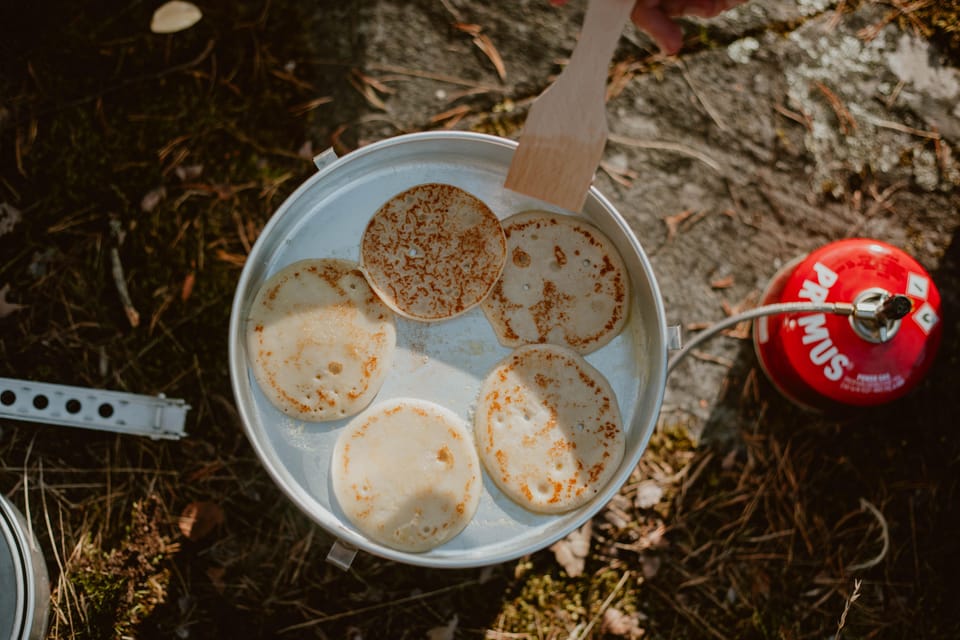
- Real day structure: sunset campsite, breakfast on a stove, then slow paddling with long summer daylight
- Food flexibility on day one via a short bike ride to a grocery store (2.5 km) if you haven’t stocked up
- Kayak-friendly packing with waterproof storage and the option to bring small comforts like a book or binoculars
- Theo-level support during setup and check-in, with extra help when you need it (including an extra tent in at least one case)
From Skärgårdens Kanotcenter to your first wide-open paddle
Your trip starts at Skärgårdens Kanotcenter Kayaks & Outdoor, with an English-speaking host or greeter available. If you’re arriving by bus, get off at Engarn. It’s a practical start: you’re not just handed a kayak and told good luck. You’re given a proper runway to get organized.
On day one, you’ll review your route and get grounded in one of Sweden’s core ideas: Right to Public Access. The exact rules aren’t spelled out in your briefing here, but you are taught how to think about them for planning where you can camp and move outdoors. That matters because wild camping works best when you follow the local framework, not guess.
Then it’s gear time. You adjust your kayak, go through safety basics, and repack your kit from a suitcase or backpack into the kayak’s waterproof storage compartments. This is one of the biggest hidden wins of a kayak camping trip: once your “on-water load” is correct, the whole day becomes calmer. You spend less time messing around and more time on the water.
How the route plan still leaves you real freedom
This is described as self-guided, and that word is important. You’re not following a group leader bouncing island to island. Instead, you’ll get route consultation, plus a personalized, detailed briefing on equipment and navigation. You’re also given a sea chart and a hand compass, which is a nice touch if you want a more old-school feel to orientation.
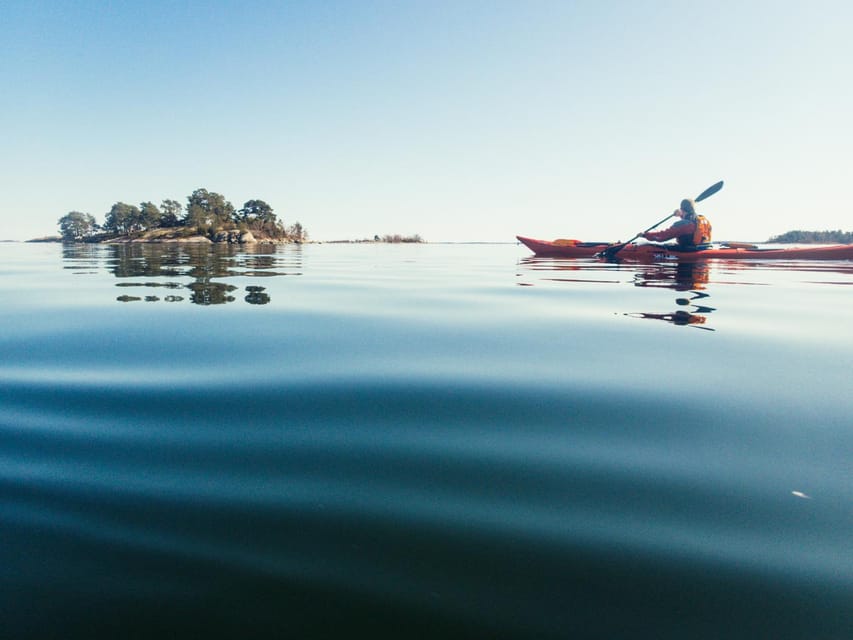
Your pace is built into the plan. Sea kayaks cruise around 4–5 km per hour, and in summer the daylight is long, so you’re not forced to rush to hit a checklist. The trip encourages you to pick your rhythm: paddle, stop for a swim, make lunch, stretch your legs on shore, and then decide what kind of night you want next.
One day can be active, another day can be simple. The archipelago is made of too many choices to schedule every detail, and this trip leans into that. You can spend time exploring, swimming, or collecting wild berries along trails, then head for camp when the light shifts.
Vaxholm: where you get a final taste of civilization
Before the islands swallow you up, you pass through Vaxholm. That’s not a random stop—it’s your last moment of normal life. The idea is that you can tie off any last errands or settle your head before the wild part starts.
There’s also a very Swedish ritual built into this: a fika stop for coffee and something sweet, like a cinnamon bun. It’s not about eating carbs for fuel (though yes, it helps). It’s about resetting before you start paddling for real. After a warm break and a quick moment on land, your kayak feels like a natural extension of your day, not a leap into the unknown.
Day-by-day: what “wild camping by kayak” feels like
Here’s the flow you can expect, with the emphasis on how it plays in real life.
Day one: briefing, packing, then sunset camp
You begin at the base with safety and navigation prep. If you haven’t stocked up food yet, you can borrow a bike and ride to the nearest grocery store, about 2.5 km away. This is a smart option because sea kayaking generally means you don’t want to carry unnecessary loads on your back.
Once you’re sorted, you kayak out through the archipelago. At sunset, you find a scenic island and set up your first wild campsite. You cook over your stove, you swim if conditions allow, and then you settle in to a sky without city lights. This is where the whole trip’s tone kicks in: it’s quiet, dark, and full of stars.
Morning of day two (and beyond): breakfast, weather check, then go slow
You wake to nature, then do a simple breakfast. The trip highlights easy camp choices like oatmeal with berries or scrambled eggs—both perfectly doable on a lightweight Trangia system.
After breakfast, you check the latest weather updates, repack, and keep moving. The plan is flexible enough that you’re not stuck “making miles” like a long-distance race. You’re meant to take lunch where you want and cool off with a swim when it suits you.
Lunch and afternoon: swims, short hikes, and island-hopping choices
Sea kayaking is slower than you might expect. That’s a feature, not a bug. It gives you time to explore small shores and stop without feeling behind.
The trip encourages a midday rhythm: stop on an island, eat something simple, and swim. You might take a short hike to get a new perspective, pick wild berries if you’re interested, or simply chill. Not every moment needs an activity label.
Then you choose your next campsite before evening. The goal is to wake up somewhere new, again, with that open-sky feeling.
Final day: end back in Vaxholm with stories
When your trip ends, you return to Vaxholm. You finish with the kind of memories you don’t get from a standard hotel route: route decisions, campsite setup, sea timing, and the calm after the paddle.
Camping gear that fits kayak reality (not camping fantasy)
The included gear list is one of the strongest parts of the value. This isn’t just “we have some stuff.” It’s a full setup built for a kayak carry, including things that prevent small problems from turning into big ones.
Your on-water and navigation kit
You get the essentials: life jackets, paddles, spray decks, dry bags, sea chart, and hand compass. You also get route consultation and a personalized navigation briefing, which helps you use the tools rather than just carry them.
You’ll also have sponges and first aid kit on hand—small items that matter if your trip gets messy or you have minor issues.
Your camp kitchen and hygiene basics
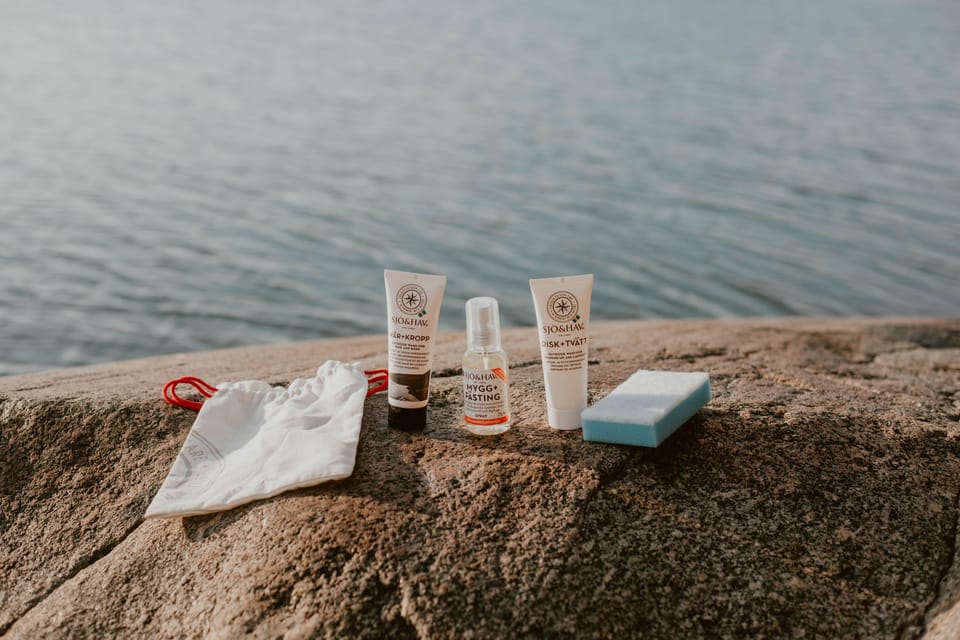
For cooking, you get a Trangia stove with gas, plus pots, pans, cutlery, cooking utensils (including a spatula and knife), lighters, and water canteens. There’s also a dishwashing kit, garbage bags, toilet paper, and a shovel for bathroom needs. That’s important because wild camping is less about drama and more about having the practical tools to do things correctly.
You’ll also get a head torch and hiking maps, which adds safety and convenience after dusk and onshore.
Sleep system that’s kayak-friendly
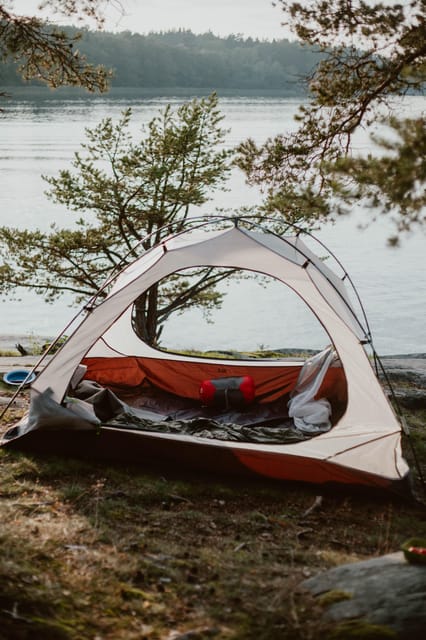
You get a two-person expedition tent, plus sleeping bags with silk liners, and a camping mattress. The silk liner detail is a thoughtful touch because it helps keep your bag cleaner and more comfortable for the trip style. It’s also more flexible than a rigid “only one way to sleep” system.
One more detail: at least one set of guests has received an extra tent during setup, which suggests the team is paying attention to real-world needs, not just a fixed script.
Food, packing, and the art of carrying less
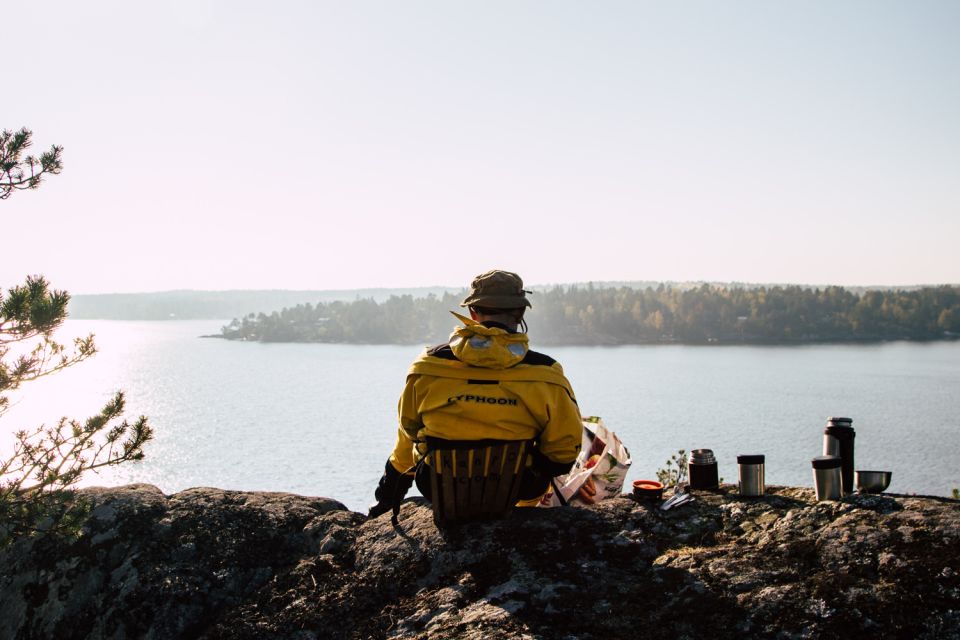
Food and planning are key. Meals are not included, so you’ll bring your own supplies. The upside is that sea kayaking reduces how much you need to carry on your body—your gear goes into the kayak’s waterproof storage.
The trip encourages you to bring extra small comforts too, like a book, binoculars, or even a hammock. That’s a great reminder that “light” doesn’t have to mean “miserable.” Just keep it realistic and fit it into the space and weight you’re handling.
If you need groceries, the option to borrow a bike on day one is a relief. It means you don’t have to show up stocked to the last gram if you’re arriving late or traveling from somewhere else.
Pace and weather: what actually controls your day
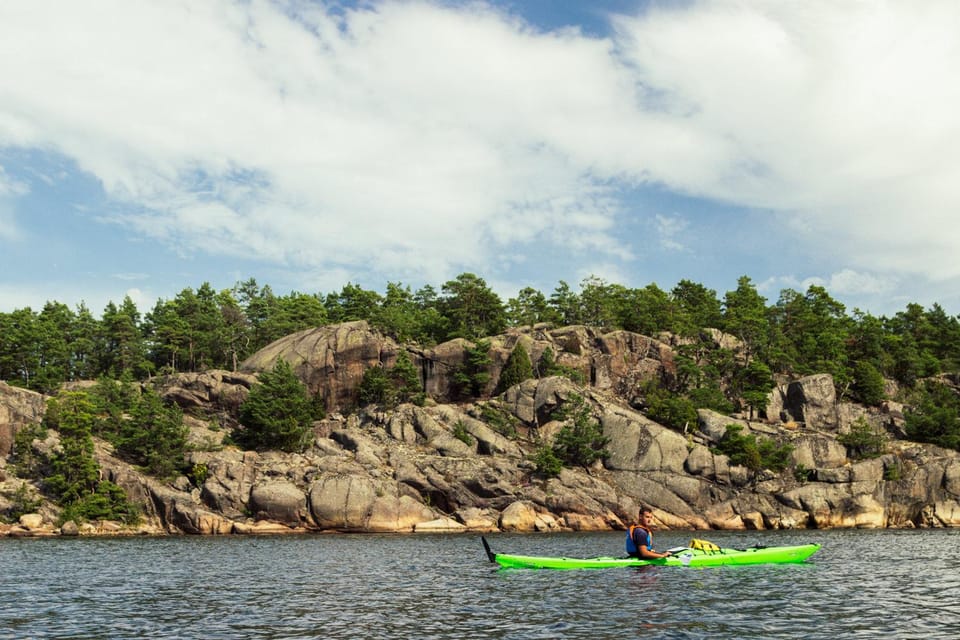
Because sea kayaking speed is in the 4–5 km per hour range, your day is shaped by time on water, not by distance. That helps you slow down enough to swim and explore without feeling rushed.
Weather is another controlling factor. You’ll check latest weather updates in the morning before you head out again. If you’ve never planned your day around wind, tides, and chop, this is where you’ll feel the difference between a casual paddle and real sea kayaking.
The trip also helps you plan by providing route consultation and navigation tools. Still, you’re the decision-maker. If the conditions feel wrong, you’ll need to adjust and keep things safe.
Safety, fitness, and the reality checks before you go
This isn’t a casual workout, and the activity rules make that clear. You must be able to swim and have moderate fitness. There’s also a hard weight limit: 110 kgs per person (243 lbs). The trip is not suitable for pregnant women, people with mobility impairments, wheelchair users, and non-swimmers.
If you’re on the edge—new to outdoor paddling, unsure about swimming in open water, or dealing with stamina limits—this is the time to be honest. In a wild-camping setup, “I’ll figure it out later” can turn into a stressful day on the water.
Also note: the trip is private group, and the setup is focused on equipment and briefing rather than a full-time guide. That’s great for people who want autonomy, but it means you should bring the right attitude: calm, prepared, and okay with planning.
Price and value: $326 for freedom that’s already equipped
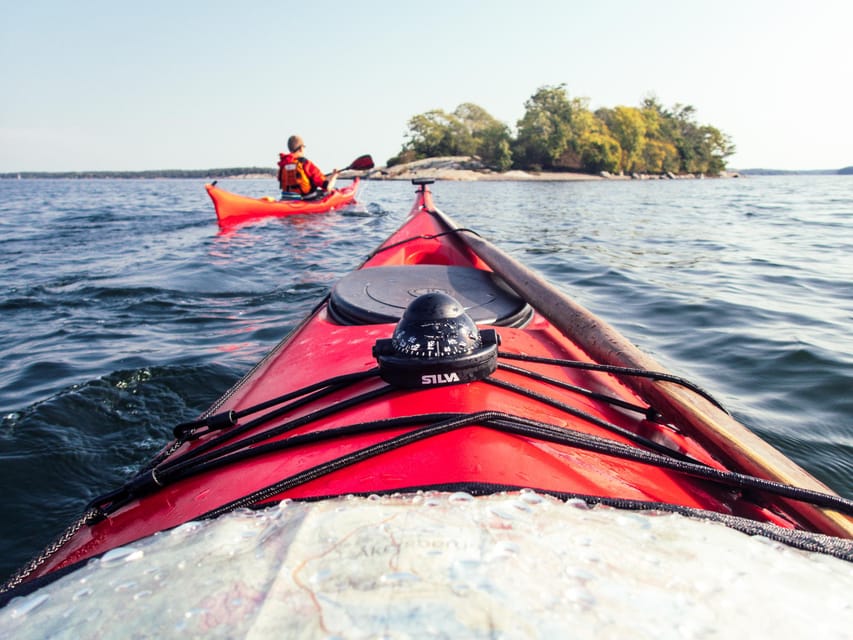
At $326 per person for a 2–5 day outing, the value is mostly in what’s included. You’re not paying just for a kayak rental. You’re paying for a full kit: kayaking equipment, navigation tools, tent and sleep system, stove and cookware, hygiene and cleanup items, plus a personalized pre-departure briefing with route consultation.
When you compare that to piecing together kayak rental, camping gear, cooking supplies, and navigation prep separately, the included package starts to look like a smart shortcut. It removes a lot of friction—especially if you’re traveling to Sweden and don’t want to hunt down gear on arrival.
You still pay for your own food and drinks, and sauna fees are not included. But the rest of the baseline setup is handled. That’s how you end up with a trip that feels like an actual expedition instead of a scavenger hunt.
What the staff support feels like in practice
Two positive signals show up clearly. First, the setup quality. One verified booking called out that everything was really well set up, with excellent equipment and thoughtful planning. Second, the human check-in.
In one case, special thanks went to Theo for getting a pair set up to go and for checking them back in at the end. That’s the kind of detail that makes a self-guided trip feel safer. You get independence, but you’re not completely alone with questions.
The other positive feedback points to helpful staff and strong materials. Taken together, it’s a good sign that you’ll get real help at the moment it matters: before you launch.
Who should book this archipelago escape
You’ll likely love this if:
- You want self-guided freedom but still want strong training and a route plan before you start
- You’re comfortable swimming and confident with moderate fitness
- You like planning your own day: paddle, swim, hike, camp, repeat
- You want authentic outdoor time around Vaxholm and the Stockholm archipelago without a big group pace
You may want to skip it if:
- You need a full-time guide on the water
- You don’t meet the swim and fitness expectations
- You’re planning mobility needs that make kayaking and camping unrealistic
- You need everything planned and handled for you
Should you book Island Hopping by Kayak and Wild Camping?
Book it if you’re craving a true “day on the sea” experience where the reward is the sky at night and the quiet in the morning. The biggest selling points are the well-rounded gear kit and the pre-departure guidance that helps you use your tools instead of guessing.
Skip it if you’re not confident in open-water swimming, you’re uncomfortable with independent decision-making, or you’re trying to travel with limits the trip explicitly flags.
If you do book, do one thing for yourself: show up ready to move your own gear, swim when it’s safe, and make calm calls about weather. This trip is built for people who enjoy that kind of responsibility.
FAQ
How long is this kayak and wild camping trip?
It runs for 2–5 days. You can check availability to see the starting times.
Where do I meet for the trip?
Meet at Skärgårdens Kanotcenter Kayaks & Outdoor. If you’re arriving by bus, get off at Engarn.
Is there a guide with you on the water?
This is self-guided. You’ll get route consultation and a personalized, detailed briefing on equipment and navigation. A guide is not listed as included.
What kayaking gear is included?
The trip includes single or double kayaks, life jackets, paddles, spray decks, dry bags, sponges, a first aid kit, and navigation help like a sea chart and hand compass.
Do I need to bring food?
Food and drinks are not included. The plan does allow you to borrow a bike on day one to reach the nearest grocery store, about 2.5 km away, if you need to stock up.
What fitness and swimming requirements are there?
You must be able to swim and have moderate fitness. There is also a weight limit of 110 kgs per person (243 lbs).
What’s the cancellation policy and can I pay later?
Free cancellation is available up to 24 hours in advance for a full refund. You can also reserve now and pay later.