REVIEW · STOCKHOLM
Private Tour: Swedish History Day Trip to World Heritage Candidate Markim-Orkesta from Stockholm
Book on Viator →Operated by Sweden History Tours · Bookable on Viator
Viking runes meet Swedish state-building outside town. This private Swedish History day trip takes you far enough from Stockholm to feel like you stepped out of the present, but still packs a lot into about five hours. I like the personal pace here: it’s your group, your guide, and your questions matter.
I also like the guide-led storytelling that ties together Bronze Age, Viking Age, and Christianity using the exact sites you’re standing in. The one trade-off: the day’s structured, and lunch time is short, since lunch isn’t included and the break is about 40 minutes.
In This Review
- Quick hits: what makes this Markim-Orkesta day so special
- Why Markim-Orkesta feels like a time machine from Stockholm
- Private guide, pickup range, and how the day stays low-stress
- Arkils tingstad: a lakeside Viking assembly
- Vallentuna church: runestones, reformation-era space, and Christianity’s impact
- Markim-Orkesta and Lindholmen: King Vasa ruins and the state’s religious pivot
- Orkesta kyrka: rune stones outside a rare Romanesque shape
- Snåttsta Gård AB: Inga’s runestones and a wealthy Viking woman’s footprint
- Icelandic horse farm at Husbyöhns Islandshästgård: the best reset between centuries
- Lunch at Vallentuna: plan around a short, not-included meal
- Price and what you actually get per person at about $567
- Who this Swedish History day trip fits best
- Should you book this tour?
- FAQ
- How long is the Swedish History Day Trip to Markim-Orkesta?
- Is this tour private, and how many people can be in a booking?
- What language is the tour offered in?
- Do I get hotel pickup from Stockholm?
- How does lunch work?
- What’s included in the price?
- What if my plans change and I need to cancel?
Quick hits: what makes this Markim-Orkesta day so special
- A UNESCO World Heritage candidate area built from churches, ruins, graves, and runestones
- Viking Age assembly to medieval frescoes, all in one tight route
- Private transportation with hotel pickup (within a 3 km radius) for an easy start
- Runestone legends focused on named people like Ulv and Inga, not just generic facts
- A real pause for horses at an Icelandic farm with around 40 horses and a traditional red barn
- Guides who adjust to what you want to see, with English described as clear and easy to follow
Why Markim-Orkesta feels like a time machine from Stockholm
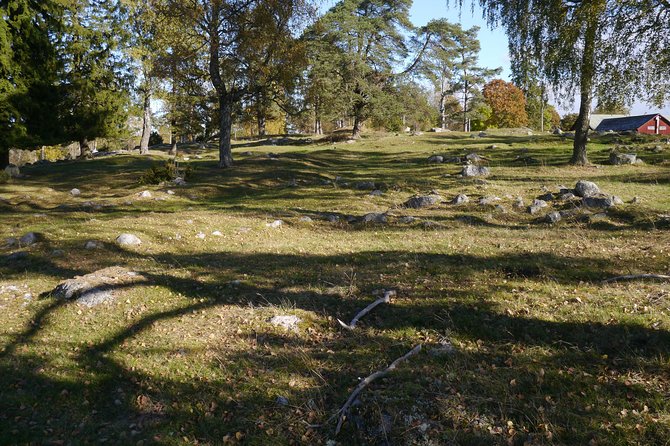
This is the kind of day trip that makes Swedish history feel physical. You’re not just reading about Vikings or medieval life—you’re moving between runestone landscapes, church sites, and burial areas that connect major shifts in the country. The core idea is simple: you watch Sweden change, era by era, using the places where those changes left marks.
The Markim-Orkesta region is billed as a World Heritage candidate, and the route leans into that. You’ll see how Viking burial practices and mythology sit near later Christian influence, and how the medieval period carries forward a different relationship to faith, power, and art. It’s also a great match if you like archaeology-style travel: stone walls, church interiors, and ruins are the main characters.
You can also read our reviews of more private tours in Stockholm


Private guide, pickup range, and how the day stays low-stress
You start at 9:30 am. After that, the tour runs in a way that feels built for avoiding logistics headaches. If you’re staying near central Stockholm, the pickup covers all central hotels, ports, and accommodations within 3 km of Stockholm Central Station.
A key practical detail: there’s no pickup at Nynäshamn harbour. If you’re arriving that way, you’ll need to choose a central meeting point in Stockholm using the directions provided.
For cruise stops, the meeting spots are very specific, and the guide waits with a sign that says Viking Tours on an A4 paper. If your ship lands at Stadsgården (S165 or S167) or Frihamnen (F638) or Värta hamnen (V523), you’ll follow the guidance to the correct meeting area outside or near the terminal/bus zone. If your pier number differs, you’ll be pointed to the general rule: meet outside the secured area.
The group size is capped at 12 people, but the big win is that it’s still private—so you’re not competing for the guide’s attention.
Arkils tingstad: a lakeside Viking assembly
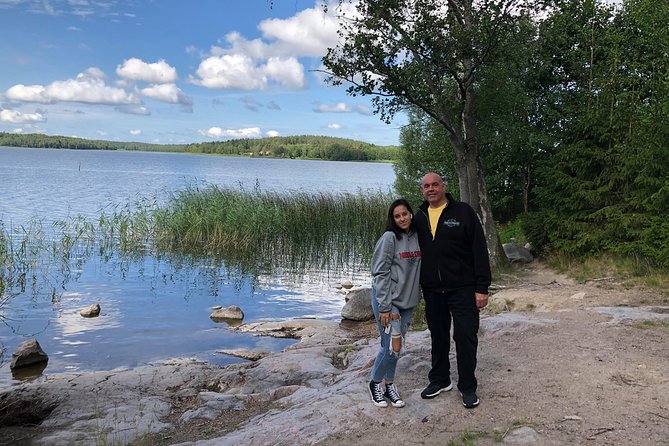
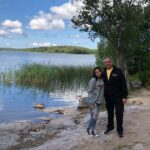
Your first stop is Arkils tingstad, a Viking Age assembly place. It’s a small, focused introduction, set by the water, which matters because Viking life was strongly tied to geography—lakes, land routes, and gathering spots.
Expect about 30 minutes here. The goal isn’t to tour a museum; it’s to set the frame for what comes next: how Vikings organized community decisions and social order, before Christianity and later state structures changed the whole setup. Because this stop is free and short, it’s also a smooth start if you don’t want your day swallowed by logistics.
A practical tip: keep this early stop in mind when planning your energy. It’s morning, but you’ll be walking and stepping around historic sites, so good shoes pay off.
Vallentuna church: runestones, reformation-era space, and Christianity’s impact
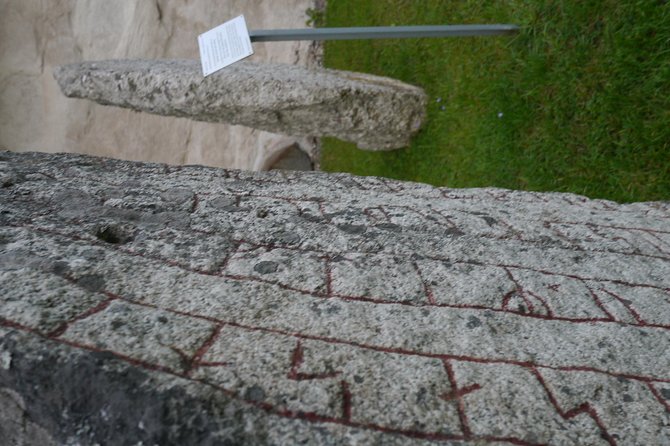
Next up is Vallentuna church, a 12th-century church stop that’s timed perfectly for what this tour is trying to do. The key draw is the two Viking Age runestones connected to the site, plus church rooms that reflect later religious change.
You’ll also hear about how Christianity reshaped Swedish society—an idea the route keeps returning to. Vikings had their own burial rituals and beliefs, and then the Christianization process changed what people did with death, authority, and sacred practice.
You’ll spend about 30 minutes here, and the admission is listed as free. Because it’s a functioning church environment, expect a quieter kind of visit than at ruins. It’s a good stop if you prefer history that’s still part of everyday places rather than just standing stones in a field.
Markim-Orkesta and Lindholmen: King Vasa ruins and the state’s religious pivot
The heart of the day is the Markim-Orkesta area, where the tour leans hard into the “how Sweden became Sweden” theme. You’ll get that progression through a mix of ruins, sacred spaces, and stories tied to major historical figures.
One of the headline attractions is the ruins of the very likely birthplace of King Vasa—the man associated with reforming the Swedish state and church from Catholicism to Lutheran Protestantism. The tour doesn’t treat this as a single event. Instead, you’ll hear about his life and controversial rule, then see how the consequences show up in the landscape.
There’s also Lindholmen, another stop tied to the King Vasa birthplace ruins. The route gives you two chances to connect the story to place. Sometimes that kind of repetition works because it lets you notice different angles: what the ruins mean in a broader setting, and how the guide’s explanation changes as you move.
You’ll also be guided through a Christian Viking graveyard and learn about Viking burial rituals—and then how those rituals fade after Christianization. For me, that’s the most effective storytelling method: you don’t just hear that practices changed. You stand at the kind of place where that change leaves visible traces.
You can also read our reviews of more historical tours in Stockholm

Orkesta kyrka: rune stones outside a rare Romanesque shape
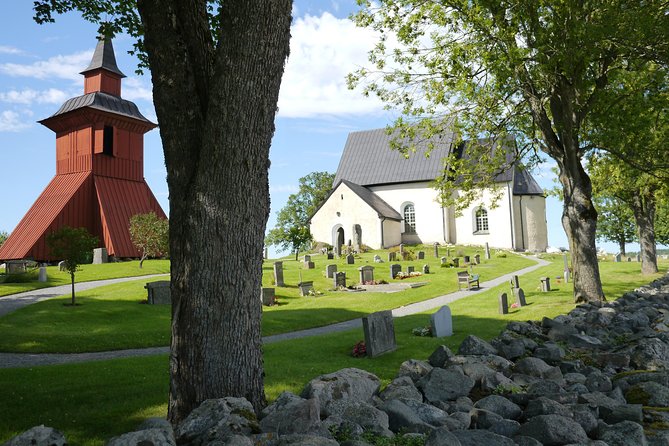
Once you reach Orkesta kyrka, you’re in the core of the UNESCO World Heritage candidate area. This is one of those stops where the setting does a lot of the work. You’ll visit a local church and a local Viking gravefield in the surrounding area.
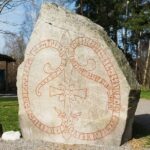
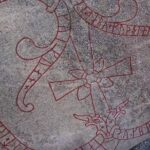
The church itself is described as having a rare, preserved Romanesque shape—and there are three rune stones outside its typical church form. That detail matters because rune stones are usually the hook people remember. Here, you’re getting that hook plus the “why it survived” angle: the stones are physically there, in context.
You’ll also hear a legend tied to Viking Ulv, described as a wealthy figure who plundered England three times. The tour uses that story to connect social power, wealth, and religious change. It’s also repeated in the route, which helps if you’re the type who likes a legend to land fully before you move on.
Time on this stop is about 30 minutes, and admission is listed as free. It’s enough time to absorb the place without rushing, especially if you’re the kind of traveler who asks follow-up questions.
Snåttsta Gård AB: Inga’s runestones and a wealthy Viking woman’s footprint
If you like runestones with names and human stories, Snåttsta Gård AB delivers. Here, you’ll visit runestones connected to Inga, described as a wealthy Viking woman who raised runestones around her farm.
This stop is shorter—about 20 minutes—but it works because it turns runestones into a social tool, not just an archaeological artifact. You’re seeing how ownership, status, and memory could be marked on the land, and how a person’s presence could be built into the physical map of a community.
Also, because this stop is free and compact, it’s a good breather in the middle of the day, before you hit the horse farm and lunch timing.
Icelandic horse farm at Husbyöhns Islandshästgård: the best reset between centuries
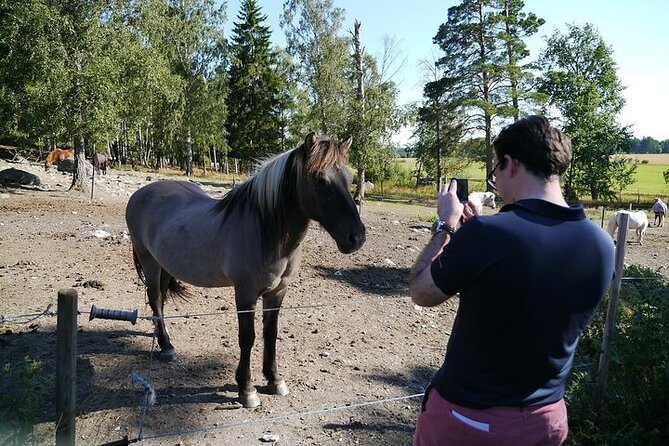
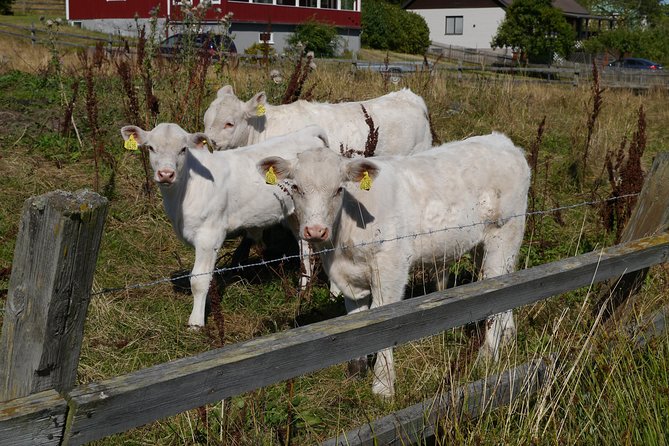
After churches and stone stories, you get a real change of pace at Husbyöhns Islandshästgård. This is an Icelandic horse farm where you can greet the horses and, if the owners are there, meet the people who keep the place running.
The farm is described as having around 40 horses and a traditional red barn. You’ll spend about 40 minutes, and it’s another free-admission stop.
I like this part because it prevents history fatigue. When your brain has been translating rune stones and religious shifts for a while, horses give you a grounded, sensory break. You also get to see a modern working farm, which helps balance the medieval-only vibe.
Practical advice: if you’re sensitive to animal environments, be ready for outdoor weather and farm smells. Nothing is described as strenuous, but this is a working property, so treat it like one.
Lunch at Vallentuna: plan around a short, not-included meal
Lunch is your scheduled break in Vallentuna, and the stop is about 40 minutes. The tour notes that lunch is not included, but you’ll likely eat at a farm restaurant.
Because of the time structure, this isn’t the best part of the day for a long, slow meal. If you want time to order, chat, and relax, come hungry but don’t assume you’ll have an extra-long sit-down.
One smart move: tell your guide early what you want for lunch if there’s flexibility. Guides on this experience are described as capable of adjusting choices to match preferences, within the bounds of the route.
Price and what you actually get per person at about $567
This costs $567.11 per person and is designed as a private tour with a local guide/driver and professional guidance plus private transportation in an air-conditioned vehicle. That’s the part that matters for value: you’re paying for flexibility, not just sightseeing.
What you receive that justifies the private format:
- A tight route with multiple historical sites tied together into one narrative
- Pickup in central Stockholm (within 3 km of Stockholm Central Station)
- A guide who can respond to what you want to focus on—especially for rune stories and church history
- Transport that saves time and mental energy, because the Markim-Orkesta area is outside central Stockholm
What you should think about before booking:
- The lunch isn’t included, and the meal window is short.
- You may want to bring a plan for where you’ll eat and what you’ll order if you’re picky or have dietary needs.
If you’re traveling in a group of 2–4, the private cost can start to feel more reasonable because you’re not splitting a bus experience—you’re buying conversation and attention. If you’re solo, it’s still available only with a minimum of two people per booking, so expect that the tour is built around small groups.
Also note: it’s often booked about 19 days in advance, so if your dates are fixed, reserve early.
Who this Swedish History day trip fits best
This is a great fit if you:
- Love Viking history, runestones, and church archaeology
- Want a private format where you can ask questions and get direct answers
- Prefer a day that mixes “big story” history with specific places and names—like King Vasa, Ulv, and Inga
- Want one easy day away from Stockholm’s center without giving up structure
It may be less ideal if you:
- Want a long, unhurried lunch
- Don’t enjoy church interiors and stone ruins
- Prefer a trip with fewer stops and more downtime (this route is packed)
Should you book this tour?
Yes, if you want a focused, private Swedish history day where the guide connects the eras using the actual sites in front of you. The strongest reason to book is the combination of runestone storytelling plus the Markim-Orkesta church-and-ruin setting, topped off with a genuine counterbalance at the Icelandic horse farm.
I’d book it sooner rather than later if your calendar is tight, since it’s commonly reserved in advance. And before you go, decide what you care about most—runes, King Vasa’s reforms, burial practices, or the horse farm—then tell your guide early so they can lean the day toward your interests.
FAQ
How long is the Swedish History Day Trip to Markim-Orkesta?
The tour lasts about five hours.
Is this tour private, and how many people can be in a booking?
It’s a private tour. The booking minimum is 2 people, and the maximum is 12 people per booking.
What language is the tour offered in?
The tour is offered in English.
Do I get hotel pickup from Stockholm?
Pickup is offered for central hotels, ports, and accommodations within 3 km of Stockholm Central Station. There is no pickup at Nynäshamn harbour.
How does lunch work?
Lunch is not included. There is a lunch stop in Vallentuna with about 40 minutes allocated, and it’s tied to a farm restaurant.
What’s included in the price?
Included are a local guide, driver/guide, professional guide service, private transportation, air-conditioned vehicle, and all taxes, fees, and handling charges.
What if my plans change and I need to cancel?
You can cancel for a full refund up to 24 hours before the experience’s start time. If you cancel less than 24 hours before, the amount paid is not refunded.