REVIEW · STOCKHOLM
Ghosts of Stockholm: A Guided Tour of Horror and Dark Folklore
Book on Viator →Operated by Opatrip.com Sweden · Bookable on Viator
Ghosts have a way of finding the corners of your brain. This guided dark folklore and horror walk threads real Stockholm landmarks with grisly stories and haunting legends, all in about two hours. I like that it mixes big-name history spots with properly spooky street details, and I especially like the way the guide’s storytelling turns ordinary cobblestones into scenes you can picture. One thing to consider: it’s a walking tour, and if it’s very cold or you’re not in the mood for long storytelling, the pace can feel harder than you expect.
I also like that the tour is designed like a “mini-route” through Old Town’s signature locations—starting at the Nobel Prize Museum area and ending at S:t Jacobs Kyrka—so you get a focused view without spending the whole day in museums. It’s private (just your group), and the overall vibe is adventurous rather than spooky-for-spooky’s-sake. Still, don’t come expecting nonstop visible ghosts; the appeal is the stories, not supernatural special effects.
In This Review
- Key highlights you’ll actually feel on this tour
- A two-hour guided horror walk through Stockholm’s real dark corners
- Where you meet: the Nobel Prize Museum start point matters
- Stortorget and the Stockholm Bloodbath: history with teeth
- Prästgatan and the ancient city wall feeling
- Old Town cobblestones: where the legends fit the streets
- Logårdstrappan: the staircase stop with serious folklore weight
- Kungsträdgården: a pretty park with a terrifying past
- S:t Jacobs Kyrka and the White Lady finale
- Guide style is the real product here
- Price and value: is $267.64 per person worth it?
- Who this tour suits best (and who might skip it)
- Quick practical tips before you go
- Should you book Ghosts of Stockholm?
- FAQ
- How long is the Ghosts of Stockholm guided tour?
- How much does the tour cost per person?
- Is this tour private?
- Where do I meet and where does it end?
- Are tickets or admissions included for the stops?
- Do I need a mobile ticket?
- What if plans change and I need to cancel?
Key highlights you’ll actually feel on this tour
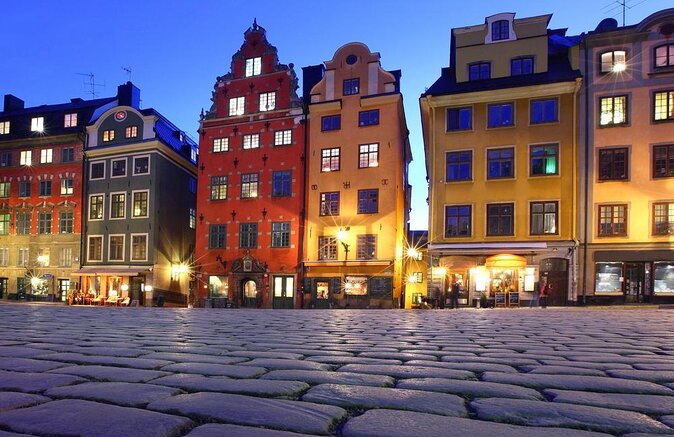
- A tight 2-hour route that connects multiple Old Town landmarks without dragging
- Stockholm Bloodbath at Stortorget as the historical spine of the darker theme
- Logårdstrappan staircase folklore (classic eerie Stockholm energy in a short stop)
- Kungsträdgården’s royal execution past that reframes a pretty park
- S:t Jacobs Kyrka and the White Lady for a spooky finale in a real church setting
- Storytelling that leans hands-on and sensory when your guide brings the tales to life
A two-hour guided horror walk through Stockholm’s real dark corners
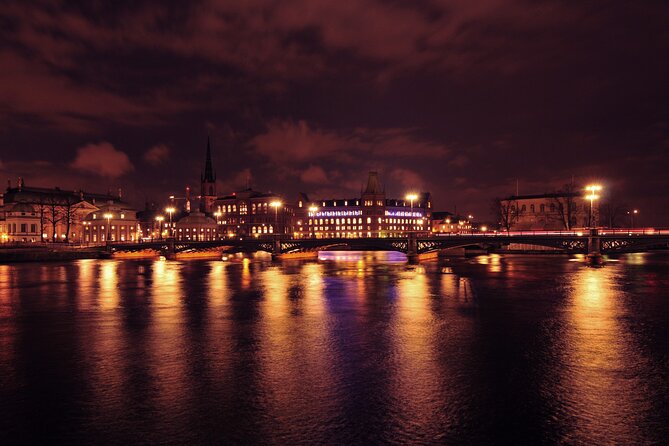
This is the kind of tour you take when you want Stockholm to feel different. Daytime Stockholm can be all clean lines and museum seriousness. This one leans the other way, using dark folklore and horror tales to make the city feel older, stranger, and a little more dangerous. You’ll spend roughly two hours moving through iconic areas of central Stockholm, with short stops that keep the pace from dragging.
The tone is more “campfire-story meets city tour” than “theatrical ghost show.” That’s good news if you like your scares to be tied to real places—squares, churches, narrow streets, and staircases—so the city itself becomes the set. It’s also why the route works: each stop adds a new layer, from public events to street-level legends to a church ghost story that lands at the end.
At $267.64 per person, it’s not cheap for a two-hour stroll. But you’re paying for a guide-led experience with multiple story sites close together, plus the structure of a private group. If you’re already planning to walk Old Town anyway, this turns your time into something with a theme and a guide who knows how to keep it moving.
You can also read our reviews of more guided tours in Stockholm


Where you meet: the Nobel Prize Museum start point matters
The tour kicks off near the Nobel Prize Museum area at Stortorget 2, 103 16 Stockholm. I like starting here because it gives you an easy way to anchor the route in a famous landmark. It also helps you mentally shift gears: you go from a place tied to global recognition into a story-world where the past can be brutal and the legends can feel too close to the present.
The start point is also practical. This area is well connected for public transportation, and your guide’s route begins in a spot you can usually reach without a long detour. There’s also a quick stop feel built in—your first stop runs about five minutes—so you don’t waste your first half-hour trying to get oriented.
One small detail worth noting: the tour includes multiple stops labeled with admission ticket free. That can matter for value because it keeps you from stacking surprise entry costs on top of the ticket price. It doesn’t mean every museum-style thing happens inside, but it does signal that this experience is meant to be a guided walk where you don’t have to budget extra for entrance fees.
Stortorget and the Stockholm Bloodbath: history with teeth
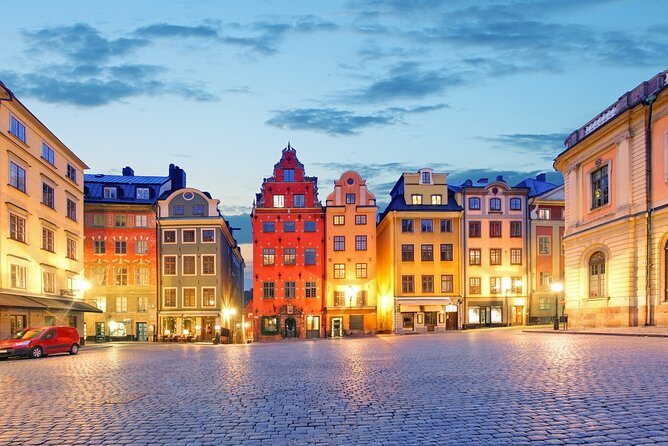
Next comes Stortorget, described as the oldest square in Stockholm. This is where the tour gets its historical anchor with references to the Stockholm Bloodbath. Squares can sound boring on paper, but the best walking tours use them as “stage lights.” You stand in the open space, and the guide explains what happened there or what the legends attach to it. Suddenly you’re not just walking through a postcard—you’re standing where the story’s energy gathers.
Why I think this stop works: Stortorget is visually impressive, but it also helps you understand why rumors and fear spread. Public squares are where people notice what changes, who is missing, and what stories get repeated. Even if you’re not a hardcore history person, you can follow the thread of why the darker tales attached themselves here.
The stop is about 15 minutes, which is a comfortable length: long enough to matter, short enough not to freeze you in place too long. If you’re doing this in winter, though, you’ll still want to dress for waiting in open air.
Prästgatan and the ancient city wall feeling
From Stortorget, the route moves to Prästgatan, a street the tour links to the ancient city wall. This is the kind of “boundary story” that really changes how you see a city. When you know a street used to mark an edge—where the town’s “inside” and “outside” felt different—narrow streets stop looking like scenery and start looking like geography.
This stop is also about mood. Prästgatan is a street-walk stop, not a big-photo-stop. You’ll get an atmosphere shift: the guide’s talk turns more folklore-heavy, and the city’s physical shape starts doing the scary work for you.
It runs around 15 minutes, which keeps things lively. The only downside I see for some people is that street sections can feel harder to “follow” if you’re expecting more dramatic reveals. If your brain needs constant action, you might want to lean into the role of listener.
Old Town cobblestones: where the legends fit the streets
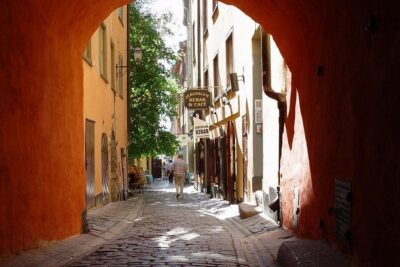
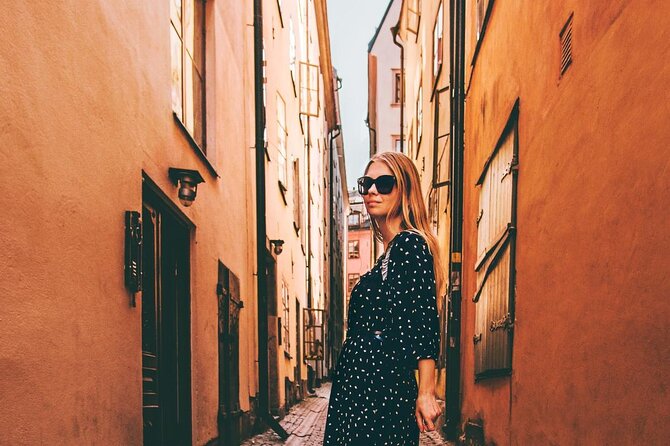
Then you get Stockholm Old Town, with narrow, winding cobblestone streets. This is where dark folklore tours usually succeed or fail, and this one chooses an obvious setting: the kind of place where legends make sense because the street layout itself feels old.
At about 25 minutes, Old Town is the longest stop after Kungsträdgården. It’s long enough to let the guide build a thread of myths, mysteries, and legends that connect several locations. I like that the tour doesn’t treat Old Town like a shopping strip or a simple sightseeing lap. It frames the streets as narrative space—each turn adds context instead of just adding distance.
One thing to consider: cobbles mean uneven footing. If you’re wearing slick shoes or standing around in one spot, it can make the tour feel more effort than you planned. Bring footwear you’re comfortable walking in for a couple of hours, not just for photos.




Logårdstrappan: the staircase stop with serious folklore weight
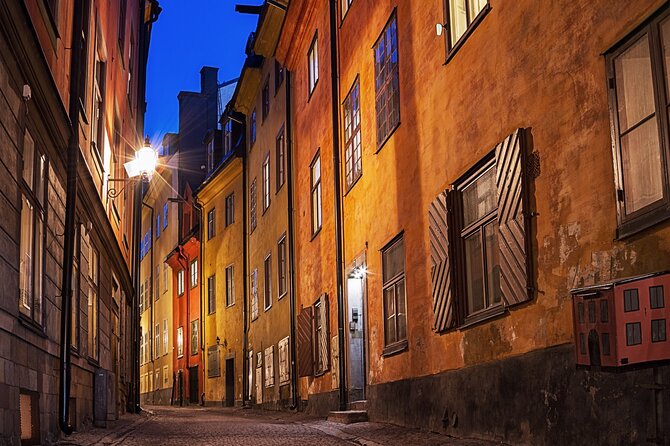
Logårdstrappan is an ancient staircase tied to grim legends. In a horror-themed walking tour, staircases are a gift. They’re naturally dramatic: they force a pause, create direction, and make you physically move through a place that feels layered.
You’ll spend about 20 minutes here, and the guide’s focus is on folklore enthusiasts—meaning you’ll get the type of story that explains why people would have feared these spaces. Even if you don’t believe in ghosts, stair stories hit because they connect human fear to architecture. Steps are where people stumble, where sound carries, and where you feel you’re going somewhere rather than just walking.
Practical note: stairs can be annoying if you’re traveling with mobility concerns or if you’re dealing with winter cold. The tour data doesn’t spell out accessibility details beyond saying most travelers can participate, so if you’re sensitive to steps, plan to go slowly at that stop.
Kungsträdgården: a pretty park with a terrifying past
After that, you reach Kungsträdgården, a park that the tour frames with an unsettling past as a royal execution site. This is the kind of contrast that makes the tour interesting. A park can feel like relief—trees, statues, open space—until the story flips the emotional switch and reminds you what used to happen nearby.
This stop is about 25 minutes, so it gets time to land. I like that the tour doesn’t treat “dark” as a constant. It uses placement: you move from street to square to church-adjacent lore, and then you’re in a calmer setting where the history feels like it’s hiding under the grass.
If you’re the type who likes to understand the moral of a place, this park stop can be a standout. It’s not just spooky atmosphere; it’s a reminder that beauty doesn’t mean gentleness.
S:t Jacobs Kyrka and the White Lady finale
The tour ends at St. Jacob’s Church (S:t Jacobs Kyrka) at Västra Trädgårdsgatan 2A, 111 53 Stockholm. This is the big-name ghost legend of the route: the church is said to be haunted by the White Lady.
This finale works because a church gives the stories a different tone. Inside or just at the threshold, the guide’s narration can feel more serious. It’s also a good “close the loop” moment: you started in an institution tied to world history and achievement, and you end in a religious landmark tied to local hauntings and fear.
It’s about 15 minutes at the church stop, which is a smart length for a classic ghost legend. Long enough to absorb the story, short enough that you’re not stuck outside too long.
If you’re someone who likes a clear ending, you’ll like this. The tour doesn’t keep you wandering after the main legend; it brings you to a specific place and gives you a reason to look at it differently.
Guide style is the real product here
The route is full of places with strong atmosphere, but the actual “product” is the guide’s narration style. The tour reviews point to storytelling that blends myths, mysteries, and legends, plus a more engaging approach that can include sensory, hands-on history bits such as being able to see, touch, smell, and taste elements of the past. That kind of delivery is exactly why a horror folklore tour can feel fun rather than forced.
I also saw that at least one guide named Calum was involved, and the stories were presented in a way that combined adventure with city walking. That suggests this isn’t just a script read at you. You’ll likely get a guide who can make the “dark” feel like something you’re participating in.
But here’s the balanced catch: if you’re not a big listener, or you’re cold and restless, you might find parts of the tour hard to follow. One short review also mentioned a winter situation (around -15) where the group didn’t complete the full route because the cold overwhelmed everyone. Translation for your planning: dress like you’re walking the whole time, and don’t assume the tour will pause enough to keep you warm.
Price and value: is $267.64 per person worth it?
At $267.64 per person, you’re paying for a private guided experience with a themed route across central Stockholm. It’s also booked in advance quite often, with an average booking window of 76 days. That doesn’t automatically mean it’s always great, but it does suggest demand for this exact kind of tour.
Where the price can feel reasonable is in three areas:
- Private group means you’re not squeezed in with strangers.
- The route packs multiple story-heavy stops into about two hours, so you get a “complete arc,” not just one random location.
- The tour lists admission ticket free for the stops, which reduces the risk of extra costs.
Where it can feel overpriced is if you expected lots of visible ghost moments. This is folklore and horror through narrative. If you’re looking for special effects or constant scares, you might feel like you wanted more drama and less walking.
My practical take: if you like guided storytelling, and you want a themed Old Town walk that adds meaning to famous landmarks, the price can make sense. If you’re mostly visiting Stockholm for museums and aren’t a story person, consider whether you’d enjoy being outdoors and listening for two hours.
Who this tour suits best (and who might skip it)
This tour is a great fit for:
- You if you enjoy dark folklore, legends, and local ghost stories that tie to actual places
- You if you want a different lens on Old Town beyond classic sightseeing
- You if you like guided narratives that keep a storyline moving between stops
- You if you’re traveling in a small group and want something more personal than a big join-in tour
It may be less ideal if:
- You get impatient with story-heavy walking
- You’re traveling in very cold conditions without good winter gear
- You’re hoping for frequent ghost sightings rather than a themed guided route
Quick practical tips before you go
- Wear comfortable shoes for cobblestones and steps at Logårdstrappan
- Bring a warm layer. Even though the tour is about two hours, you may stand for short moments at several stops
- If you’re sensitive to being outdoors, plan for slower pacing and take breaks where your guide allows
- Use your mobile ticket and keep an eye on meeting at Nobel Prize Museum/Stortorget and ending at S:t Jacobs Kyrka so you don’t lose time
Should you book Ghosts of Stockholm?
Book this tour if you want a guided horror-and-folklore walk that changes how you see Stockholm. The route is tight, the stops are meaningful (Stortorget, Old Town, Logårdstrappan, Kungsträdgården, and the White Lady legend at S:t Jacobs), and the biggest strength seems to be how the guide turns stories into an experience you can follow.
Skip or rethink it if you want action on demand or if you’re not up for listening while walking in cold weather. At this price, your enjoyment depends heavily on storytelling and atmosphere, not on supernatural spectacle.
If that sounds like your kind of night (or afternoon), you’ll likely have a memorable, slightly eerie way to understand Old Town beyond the postcard version.
FAQ
How long is the Ghosts of Stockholm guided tour?
It lasts about 2 hours.
How much does the tour cost per person?
The price is $267.64 per person.
Is this tour private?
Yes. It’s private, meaning only your group participates.
Where do I meet and where does it end?
You start at Nobel Prize Museum/Stortorget 2, 103 16 Stockholm, Sweden, and the tour ends at Saint Jacob’s Church, Västra Trädgårdsgatan 2A, 111 53 Stockholm, Sweden.
Are tickets or admissions included for the stops?
The tour information lists admission ticket free for each stop.
Do I need a mobile ticket?
Yes, it includes a mobile ticket.
What if plans change and I need to cancel?
You can cancel for free up to 24 hours in advance for a full refund. If you cancel within 24 hours of the start time, the amount you paid is not refunded.