REVIEW · STOCKHOLM
Private Golden Hour Photo Walk in Stockholm
Book on GetYourGuide →Operated by JP Photo · Bookable on GetYourGuide
Golden hour turns Stockholm into a camera dream. This private photo walk is built around golden light and hands-on guidance, so you learn composition tricks that make city shots feel like a story with impact. One watch-out: it’s a 3-hour walk, so plan for time on your feet and bring comfy shoes.
I like that the meet-up is dead simple at Stockholm’s City Hall (Stadshuset) and the experience finishes on Södermalm at Monteliusvägen. I also like the “no stress, phone is fine” approach, plus the follow-up tips in the Skyline Stories guide you get after. If you’re expecting a sit-down workshop, you should know this is a moving photo walk focused on seeing and shooting in real conditions.
In This Review
- Key points that matter before you go
- Golden hour in Stockholm: why the timing does half the work
- From Stadshuset courtyard to Södermalm’s Monteliusvägen: how the route works
- What the private coaching feels like (and why Julien’s style earns repeat thumbs-ups)
- Composition lessons that create the WOW effect in city photos
- What you’ll shoot: waterfront glow, church towers, and cobblestone texture
- Gear rules: you can bring a phone and still learn real technique
- The follow-up: Skyline Stories guide you’ll actually use
- Price and value: is $124 per person fair for a private 3-hour session?
- Who should book this Golden Hour Photo Walk
- FAQ
- How long is the Golden Hour Photo Walk?
- Where does the tour start and end?
- Is this tour private?
- Do I need a camera?
- What languages are offered?
- What do I get after the tour?
- Should you book it?
Key points that matter before you go
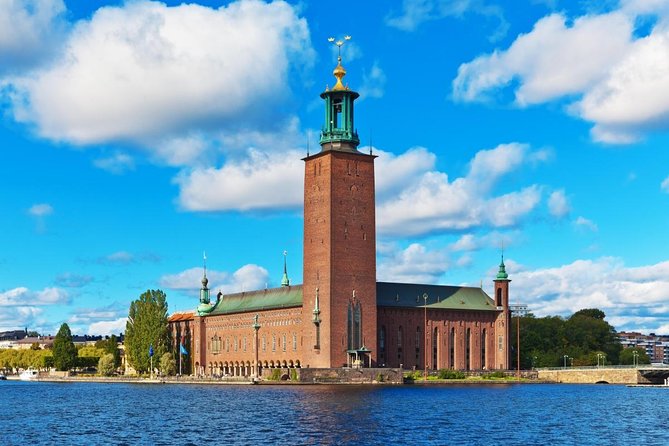
- Stadshuset start, Monteliusvägen finish: easy landmarks at both ends of the walk.
- Private, individual photo coaching: you get guidance tailored to how you shoot.
- Golden Hour focus: you’ll work with warm light when Stockholm looks extra photogenic.
- Angle-and-perspective lessons: small changes can create big wow moments.
- Phone-friendly: you can bring your phone instead of a camera and still learn the process.
- Skyline Stories follow-up: you’ll have a guide link after the walk to keep improving.
Golden hour in Stockholm: why the timing does half the work
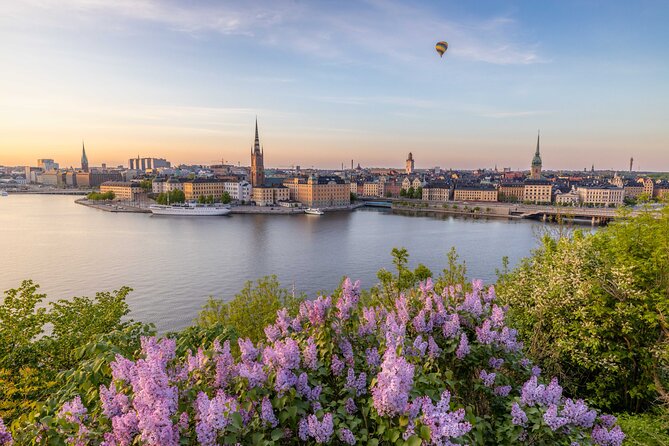
If you’ve ever taken photos in bland daylight, you know the problem: everything looks flat, and you spend the whole time trying to fix it later. Golden hour is different. It’s the time just before sunset, when light gets warmer and softer, and shadows start doing more interesting things for your compositions.
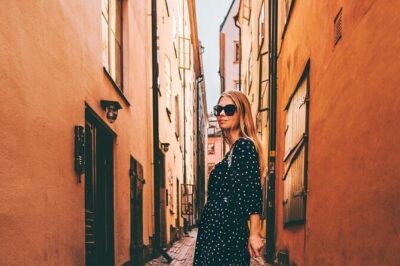
On this walk, that timing is the whole point. The focus is on Stockholm’s classic photo subjects—its spectacular waterfront views, medieval church towers, and narrow cobblestone streets—when they’re glowing in golden light. That means you’re not just visiting pretty spots. You’re learning how to use the light you’re given.
I also like how the tour frames photography as storytelling without words. You’re not collecting random shots; you’re learning how to turn moments into pictures that make sense together. That approach tends to make people walk away with fewer but better images—and a clearer eye for what makes a scene feel “right.”
You can also read our reviews of more walking tours in Stockholm


From Stadshuset courtyard to Södermalm’s Monteliusvägen: how the route works
The walk starts in the inner yard of Stockholm’s City Hall (Stadshuset). That’s a strong opener because Stadshuset is visually dramatic even before sunset lighting kicks in. It’s also a practical meeting point: you can get oriented fast, and you’re in a central area where the city’s look changes quickly as the light drops.
The tour ends back at the meeting point info says it ends at Monteliusvägen on the island of Södermalm. That finish matters. Södermalm viewpoints are the kind of places where you get city-and-water angles, and where “one more photo” becomes impossible to resist as the sky warms up.
Because the itinerary specifics beyond start and finish aren’t listed in detail, think of the route as a guided walk through photogenic Stockholm themes rather than a checklist of named stops. You’ll move through streets and viewpoints where you can practice the same core skills repeatedly: choosing your angle, framing architecture, and watching how the light changes minute by minute.
Practical note: you’re walking for about 3 hours. Bring water and plan for steady movement.
What the private coaching feels like (and why Julien’s style earns repeat thumbs-ups)
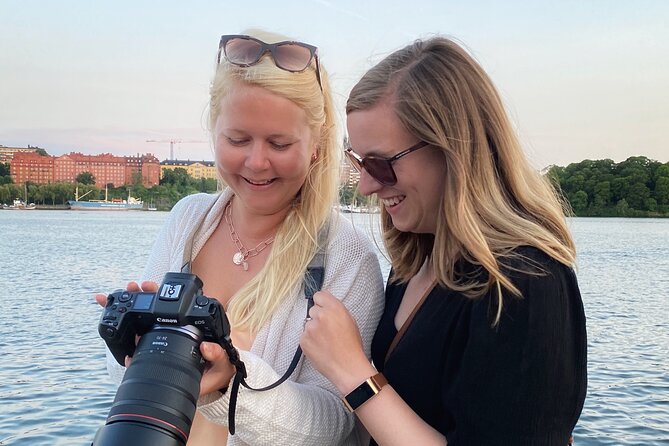
This is a private tour, and the teaching is built around individual attention. You’re not stuck copying someone else’s setup. The photographer guiding you—Julien (JP Photo)—is described as patient and practical, with a habit of sharing tips that you can actually try on the spot.
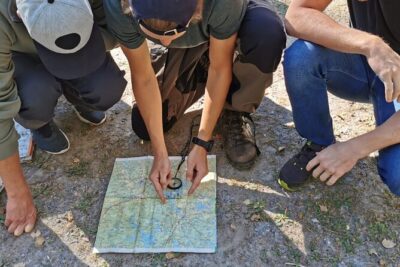
A big difference between photo tours and “photo tours” is whether you get to experiment. Here, you do. The guidance includes explaining techniques, showing examples, and then encouraging you to test the ideas with your own phone or camera.
That matters because photography skill usually doesn’t come from listening. It comes from trying something, checking what changed, then trying again with a slightly better angle. Golden hour is also unforgiving: you can’t redo the sky tomorrow at the exact same shade of gold. So having a coach who helps you adjust quickly is genuinely valuable.
If you like learning by doing—and you want feedback that connects directly to shots you’re taking—this setup fits well. If you want a quiet stroll with zero pressure, you might still enjoy it, but you’ll likely feel the push to test new angles.
Composition lessons that create the WOW effect in city photos
The tour promises stunning city photos with a WOW effect, and the most useful part is that it’s not vague. The lessons center on the idea that you can dramatically improve a photo by doing something simple: changing your angle and taking perspectives no one would expect.
Here’s what that means in real-world terms:
- Your first frame is rarely your best frame. The coach pushes you to adjust position, not just settings.
- Perspective changes the story. A slight shift can turn a flat-looking view into a layered scene with depth.
- Small framing choices matter. Think about how streets lead the eye, how towers sit against the sky, and how waterlines can act like visual guides.
This is also why a private tour is worth paying for. In a group, you often get one quick suggestion for everyone. Here, you can get feedback based on what you’re actually trying to capture at that moment.
And because the focus is on photos that tell stories without words, you’ll be nudged toward sequences and themes rather than one-off hero shots. That approach is great for travel memories. It’s also great if you struggle to remember what you saw later—you’ll have images that explain the experience.
What you’ll shoot: waterfront glow, church towers, and cobblestone texture
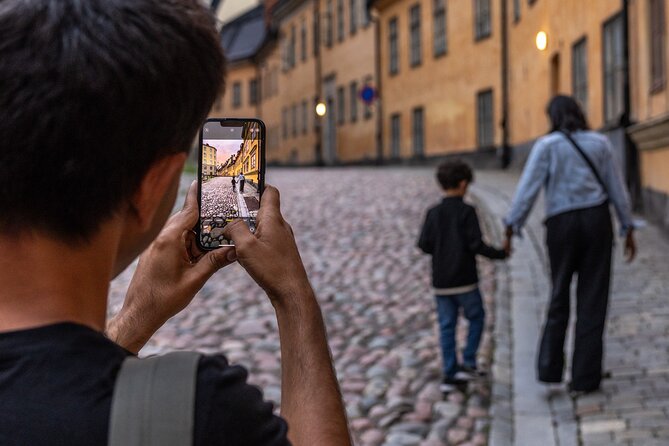
The core visual targets are clear. You’ll focus on:
- Stockholm’s waterfront, photographed during warm evening light.
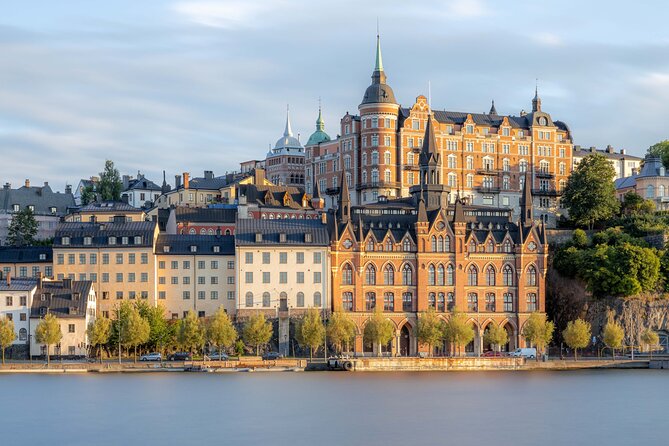
- Medieval church towers, when the sky and lighting make vertical shapes dramatic.
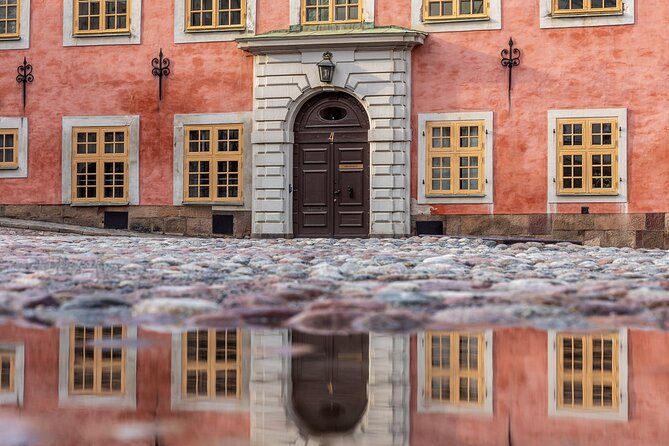
- Narrow cobblestone streets, where texture shows and highlights become more flattering.
Waterfront scenes often look best when you’re not standing directly in the “obvious” spot. Try looking for angles where buildings and reflections form layers, and aim to include a foreground element so the image has depth. Golden hour helps here because highlights are warmer and shadows are softer.
For church towers, the classic mistake is shooting too low or too tight. The tower becomes a wall or an awkward cutout. Instead, use the coach’s guidance to think about negative space: how much sky you include and how the tower’s top lines up with the light.
For cobblestones, you’re working in a different kind of photographic world. Texture shows when light grazes surfaces. That means you’ll get better results by watching where light hits the ground and then placing your camera so the pattern becomes part of the scene, not just background noise.
The upshot: you’re practicing three different “photo languages” in one session. That gives you variety, and it trains your eye for what to look for next time you’re in a new city.
You can also read our reviews of more private tours in Stockholm



Gear rules: you can bring a phone and still learn real technique
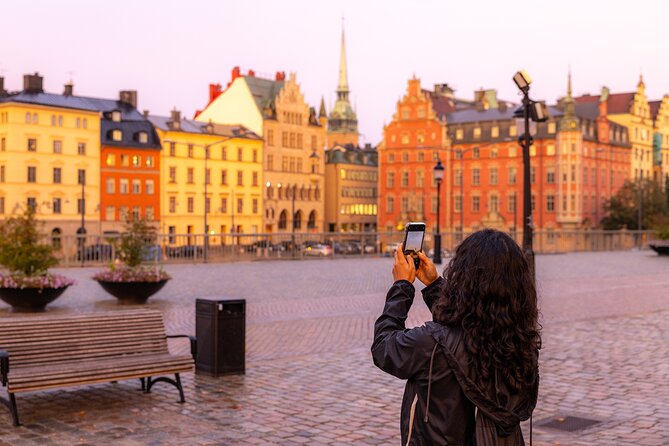
One of the most practical things about this tour: you don’t need a digital camera. If you don’t have one, you can bring your phone.
That’s not a downgrade. Smartphone photography can be excellent for city scenes, especially during golden hour when the lighting does so much for you. The key is still the same: angle, framing, and getting the shot you want. The coach’s guidance helps regardless of device because the lessons are about how to see.
What to bring is simple and geared toward success:
- Comfortable shoes
- Your camera or phone
- Water
- A charged smartphone
I’d add one sensible prep step: make sure your battery is ready for a full 3 hours. Golden hour sessions often lead to extra photos when the sky finally hits that perfect color.
The follow-up: Skyline Stories guide you’ll actually use
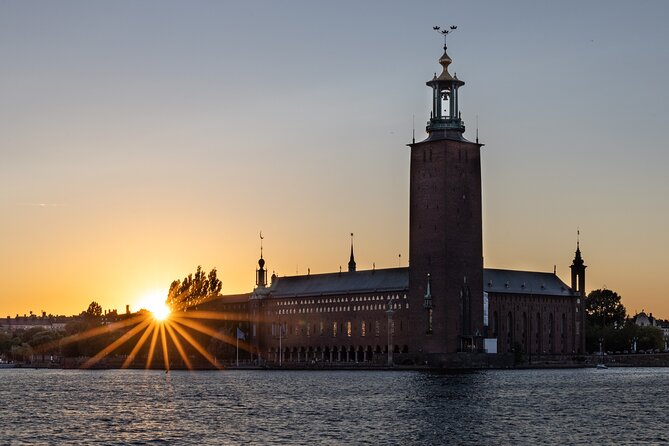
After the walk, you’ll receive a link to Skyline Stories, a guide with valuable tips for composing stunning city photos.
This kind of follow-up is where value shows up. During the walk, your brain is busy absorbing ideas and adjusting your position. Later, having a guide can help you remember what worked and why. It also supports the “learn something new” promise, because you’re not just collecting images—you’re building a set of techniques you can repeat.
If you enjoy improving your travel photos after the trip, this extra resource is a plus. If you only care about getting a nice shot to post the same day, it still helps because the basics tend to stick.
Price and value: is $124 per person fair for a private 3-hour session?
At $124 per person for a 3-hour private photo walk, the real question isn’t whether it’s cheap. It’s whether you get enough coaching time and output value to justify the cost.
Here’s why it can feel like good value:
- It’s private, so you get individual guidance rather than a generic group spiel.
- The focus is practical: composition tips you can try immediately.
- Golden hour is time-sensitive, and having a professional guide helps you work faster and smarter.
- You also get the Skyline Stories eBook link after.
Where the price might not feel worth it is if you already know advanced photography techniques and you’re only looking for landmark pictures. In that case, you might get similar results by following a self-guided golden hour route. But if you want an expert to help you see better angles, avoid common city-photo mistakes, and build a simple shooting process, the cost makes more sense.
For many people, this is a “skill upgrade” tour. You’re paying for learning, not just location access.
Who should book this Golden Hour Photo Walk
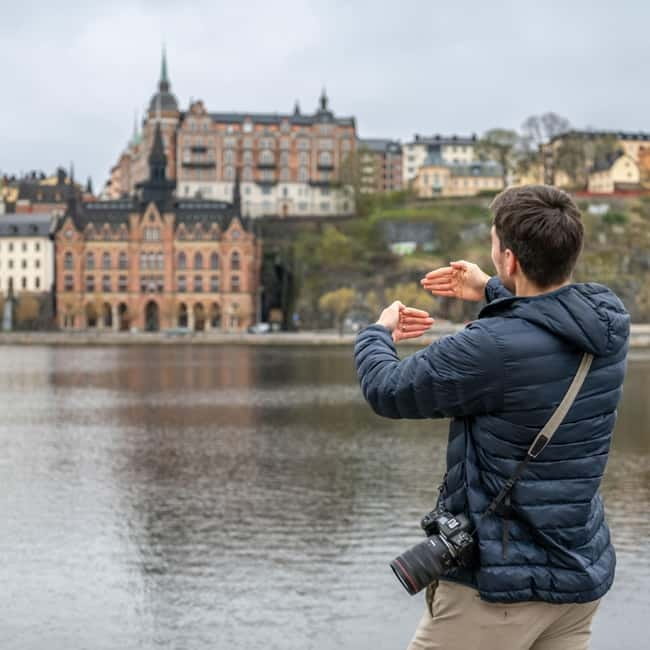
This is a strong fit if you:
- Want to photograph Stockholm at its most flattering light.
- Prefer hands-on guidance over watching other people take pictures.
- Shoot with a phone or want to improve quickly without complicated gear.
- Enjoy architectural and street photography—waterfronts, towers, and cobblestone textures.
It may be less ideal if you hate walking or you need a fully seated, classroom-style experience. The tour is designed around moving and shooting, not sitting still.
FAQ
How long is the Golden Hour Photo Walk?
It lasts 3 hours.
Where does the tour start and end?
You meet in the inner yard of Stockholm City Hall (Stadshuset). The activity ends at Monteliusvägen on the island of Södermalm.
Is this tour private?
Yes. It’s a private group experience with individual guidance.
Do I need a camera?
No. You can bring your phone and use that instead.
What languages are offered?
The live guide offers English and German.
What do I get after the tour?
You receive a link to the Skyline Stories guide with tips for composing city photos.
Should you book it?
Yes, I think you should book this if you want Stockholm photos that look intentional, not accidental. The mix of golden-hour timing, private coaching, and a follow-up guide makes it a practical choice for both phone shooters and camera users. If you’re the kind of person who gets home with 200 photos and no idea which ones are good, this tour’s focus on composition and perspective should help you come back with images that actually tell your Stockholm story.