REVIEW · STOCKHOLM
Walking Tour of Stockholm Old Town
Book on Viator →Operated by Rainbow Tours Stockholm · Bookable on Viator
Stockholm’s Old Town has a way of grabbing you fast. This guided walk strings together politics, churches, and legend in just 2.5 hours, so you get your bearings without turning your day into a marathon. It’s paced for an active route and built around the places first-time visitors most want to see.
What I like is the mix: you’ll hear stories that connect the city’s power (parliament, monarchy, prize culture) to its street level details. I also like that the tour uses real focal points, from Järnpojke the kid-with-the-moon statue to Stortorget’s major historical moments, instead of only stopping for photos.
One drawback to plan for: much of what you’ll see is best enjoyed by walking on cobbles and around islands, and several major sights have admission not included. If you want mostly indoor time, you may feel a bit more “outside looking in” than you’d prefer.
In This Review
- Key things to look for on this Stockholm Old Town walk
- Gamla Stan in 2.5 Hours: What This Old Town Walk Covers
- Where You Start: Gustav Adolfs torg to Stortorget
- Parliament Building (Riksdagshuset): How Swedish Power Looks in Stone
- Stockholm Old Town (Gamla Stan): The Foundation Story in Walking Form
- German Church in Gamla Stan: Neoclassic Faith and a Long Memory
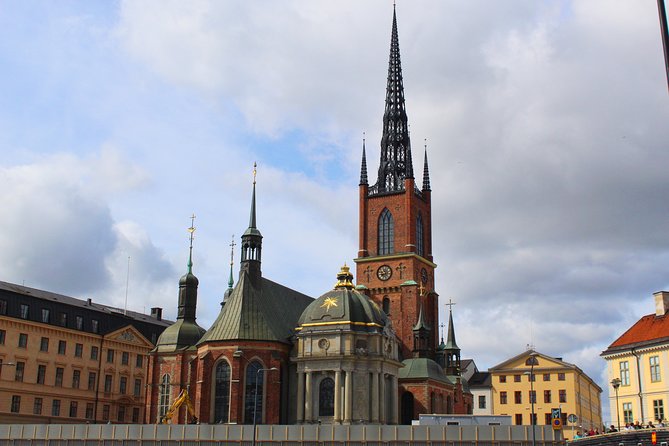
- Riddarholmen Church and Knights Islet: Where Gamla Stan’s Early Story Hangs Out
- Järnpojken: The Smallest Statue That Gets the Biggest Attention
- Storkyrkan (Stockholm Cathedral): Saint George and the Dragon
- Nobel Prize Museum and the Swedish Academy: The Prize Side of Stockholm
- Royal Palace: The Monarchy Footprint and What to Do After
- Stortorget: Stockholm’s Main Square and Its Darker Chapters
- Marten Trotzigs grand: The Narrowest Street Moment
- Royal Swedish Opera: Culture at the Edge of the Old City Core
- St George & the Dragon Statue: Battle History in a Tourist-Friendly Package
- Price and Value: Is $24.07 a Fair Deal?
- Who This Tour Suits Best (and Who Might Want to Think Twice)
- Should You Book This Stockholm Old Town Walking Tour?
Key things to look for on this Stockholm Old Town walk
- A tight 2.5-hour circuit that still covers a lot of Gamla Stan ground
- Select admissions included, including Old Town walking segments, Järnpojken, Stortorget, the narrowest street, and the St George & Dragon statue
- A strong story-to-stone connection: politics, faith, and legend tied to specific spots
- Small group size (max 20), which helps questions and keeps the pace friendly
- Experienced, high-energy guides: names like Gaia, Sophie, Olivia, and Aggie show up in the guiding style people talk about
- Great for first morning orientation when you want a framework for the rest of your trip
Gamla Stan in 2.5 Hours: What This Old Town Walk Covers
This is the kind of tour I recommend when your Stockholm plan is already packed but you still want the city to make sense. You’ll walk through Gamla Stan, Stockholm’s historic core, and your guide builds the story like a timeline you can actually follow on the ground.
The route is designed around the Old Town’s “big identity” moments: governance at the edges, religious power on islands, and the myths and battles that Swedes still point to when they talk about who they are. It’s not a slow stroll either. It’s a guided walk that expects you to keep moving and look up as much as you look ahead.
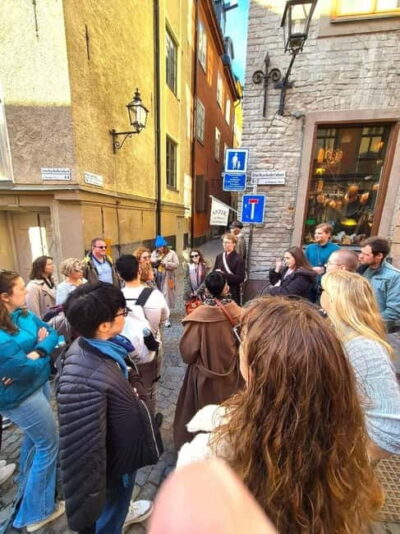
Even with a group moving together, the stops are short—think around 5 to 10 minutes—so you don’t get stuck waiting too long at any one corner. That matters if your legs are fine but your patience is limited (my personal weakness).
You can also read our reviews of more walking tours in Stockholm
Where You Start: Gustav Adolfs torg to Stortorget
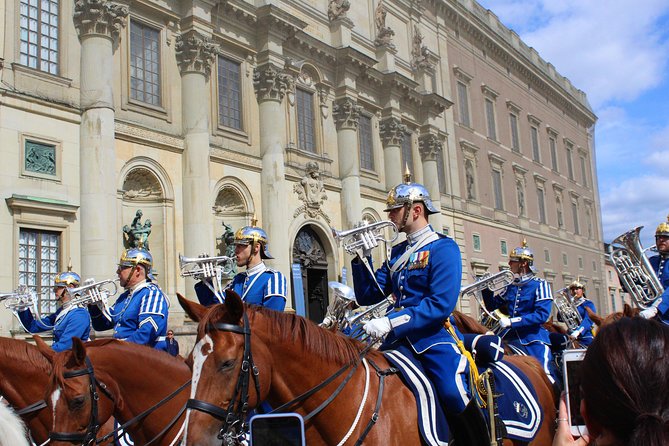
Your meeting point is Gustav Adolfs torg (111 52), and the tour ends at Stortorget (111 29). Starting at 10:00 am is useful because you’ll hit the core sights while the day is still fresh and before crowds fully spread out across the old streets.
This start-to-finish setup is also practical. You’re not forced to backtrack to your original drop-off, and ending at Stortorget puts you right into the main square area where it’s easy to continue on your own. You’ll also be near public transport throughout, which helps if you need to bail out early or adjust your day.
Parliament Building (Riksdagshuset): How Swedish Power Looks in Stone
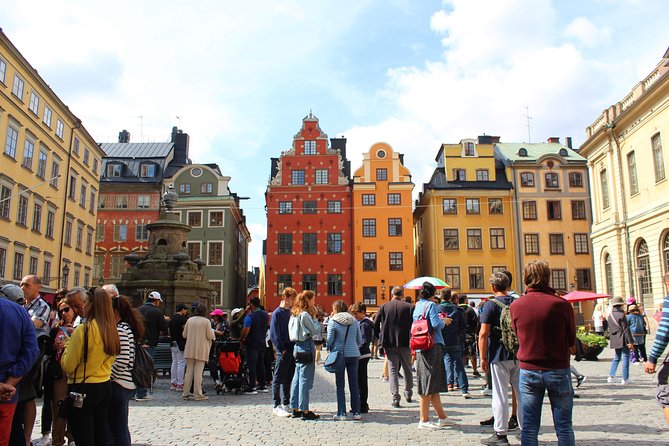
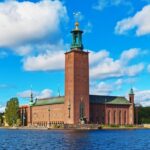
The tour’s first stop is the Parliament Building (Riksdagshuset), built between 1895 and 1904. You’ll see it as a major civic statement—something heavy and official, not a small-town hall. Since admission isn’t included, you’re mainly looking at the exterior and learning what it represents in the Swedish political story.
This early stop works because it anchors your visit. Once you’ve seen the “modern” face of government, the later Old Town power symbols hit harder. You start the walk thinking about authority, then you watch that authority shift from institutions to streets, churches, and squares.
Stockholm Old Town (Gamla Stan): The Foundation Story in Walking Form
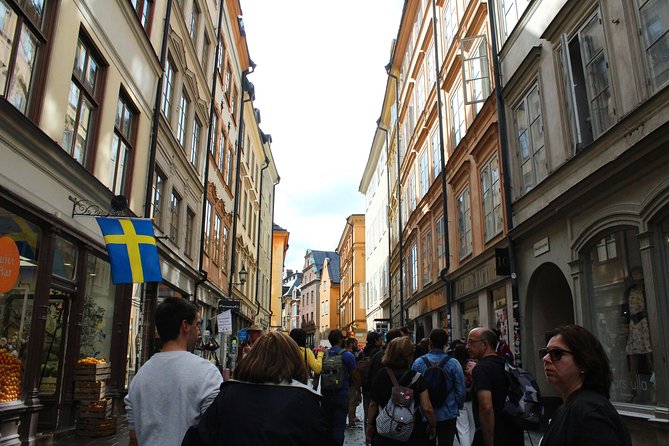
Next you spend time walking in Stockholm Old Town itself, learning how the area was founded and how it grew into what you see today. Here, the value is less about a single monument and more about the overall layout: streets, waterfront geography, and the way different power centers ended up close together.
Admission is listed as included for this segment, which usually means you’re not just being pointed around. You’re getting guided context as you move, and that makes the cobbled lanes feel less random. For first-time visitors, this is the part that turns “pretty buildings” into “I know why this is here.”
If you only do one guided Old Town experience, do it early. You’ll use the stories later when you’re trying to place what you’re seeing: palace here, church there, square history over there.
German Church in Gamla Stan: Neoclassic Faith and a Long Memory
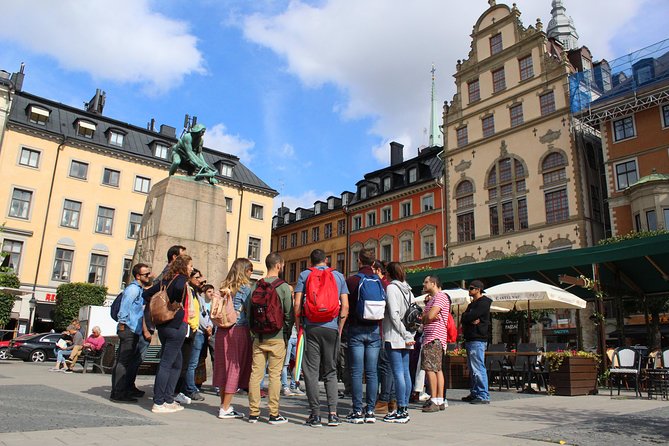
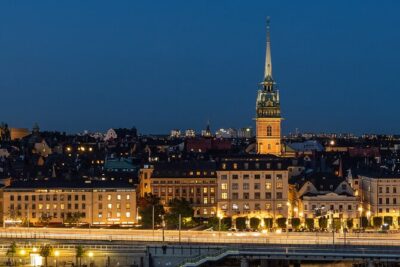
The German Church (Esglesia Alemanya) in Gamla Stan is a short stop, about 5 minutes. It’s described as having a neoclassic style and as the church used by the German community in Stockholm for centuries.
This is one of those stops that quietly changes how you read the Old Town. Stockholm wasn’t only Swedish in its connections, and the presence of a church tied to the German community hints at trade networks and resident communities that lasted. Even without included admission, you’ll get enough context to notice the building as more than a postcard.



Riddarholmen Church and Knights Islet: Where Gamla Stan’s Early Story Hangs Out
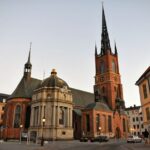
Then you head to Riddarholmen Church on the Knights Islet. The focus here is the history of how Gamla Stan was founded, plus the fact that the site contains its own palace—the first one in Stockholm.
Admission is not included, so again you’re mostly learning from what you can see and from the guide’s framing. But that’s not a dealbreaker. In old European capitals, many of the best “entry fees” are your own curiosity—paired with a guide who points out what matters.
This stop also helps you understand Stockholm as an island city. The churches aren’t just architecture; they’re markers of how communities formed around waterways and connected points.
Järnpojken: The Smallest Statue That Gets the Biggest Attention
One of the most fun stops on the route is Järnpojken, the smallest statue in Stockholm, built in 1950. It’s also known as the kid looking at the moon, and it’s called the most visited statue in Stockholm.
Admission is included here, so this is likely where you’ll get a more specific guided moment, not just a quick glance as you pass. This is the kind of site that keeps the tour from turning into a lecture. You get a concrete, almost playful landmark, and the guide ties it to why it matters.
If you’re the type who loves quirky facts, you’ll probably remember this one long after the bigger buildings blur together.
Storkyrkan (Stockholm Cathedral): Saint George and the Dragon
Next you reach Storkyrkan (Stockholm Cathedral), the main church of Gamla Stan. This stop is short, but it carries big legend energy: it’s described as housing Saint George and the dragon sculpture.
Admission is not included here, so you’re relying on the guide’s direction and your willingness to take in details from the outside. Still, this stop is valuable because St George stories show up in different places, and the tour helps you connect the legend to the local setting.
Even if you’re not a church-and-architecture person, this is worth the pause. It’s a reminder that European city centers often built identity around stories that people repeated for centuries.
Nobel Prize Museum and the Swedish Academy: The Prize Side of Stockholm
The Nobel Prize Museum and the Swedish Academy are a fascinating shift in tone. You’ll learn that this is where the literature prize is decided—a Swedish institution tied to one of the world’s best-known awards.
Admission isn’t included, so expect this to be a guided orientation moment rather than a full museum experience. But the context matters. It changes how you view Stockholm’s seriousness. This isn’t only castles and church bells; it’s also cultural authority.
If you plan to visit a museum afterward, a stop like this can help you choose what to prioritize. The tour plants a flag: literature here, scholarship there, civic influence everywhere.
Royal Palace: The Monarchy Footprint and What to Do After
Then you’re at the Royal Palace of Stockholm, described as having four museums. Admission is not included, so think of this as a “see it, place it, plan it” moment rather than a full palace ticket.
This is a good time for one of the best kinds of guide help: practical next steps. In past tours, guides have also shared tips on things like when to catch the changing of the guard, and where to base yourself afterward for food and easy sightseeing. If you’re aiming to time your day around ceremonies, start here with your questions.
Even without going inside, the palace area gives you that classic Stockholm feeling: power at scale, but still within the walkable old center.
Stortorget: Stockholm’s Main Square and Its Darker Chapters
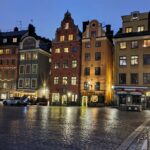
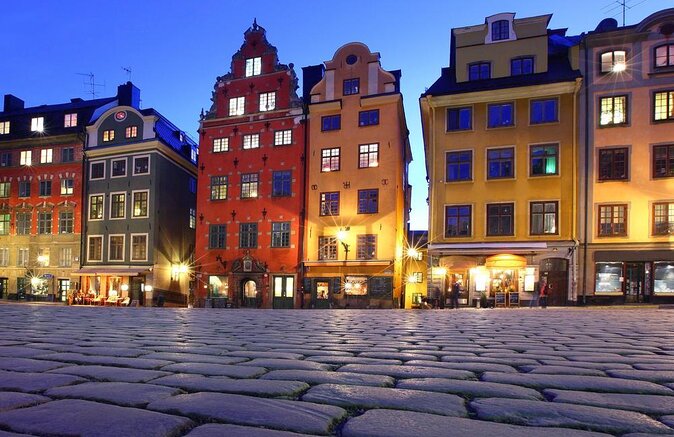
The route brings you to Stortorget, Gamla Stan’s main square. You’ll hear about the kinds of events that happened here—especially the Stockholm bloodbath—which is one of those moments that makes the city’s history feel personal, not abstract.
Admission is included for this stop, which signals your guide will likely slow down and frame the scene. That’s important, because squares are where stories become “real.” It’s easy to treat them like a backdrop, but a good guide shows how people used that space when it mattered.
If you want a quick gut-check moment where the Old Town stops being pretty and starts being serious, Stortorget delivers.
Marten Trotzigs grand: The Narrowest Street Moment
Then comes a fun palate cleanser: Marten Trotzigs grand, described as the narrowest street in the city. It’s named after a major businessman in Stockholm, and admission is listed as included.
This stop is short, but it’s memorable because the physical reality is immediate. You feel the change in scale the second you step into it. This is also the type of stop where your guide’s story makes the street feel less accidental and more designed by people with money, influence, and a reason to use every inch.
If your feet are starting to get tired, this is also a nice change of pace. You’re not just standing still; you’re experiencing the space.
Royal Swedish Opera: Culture at the Edge of the Old City Core
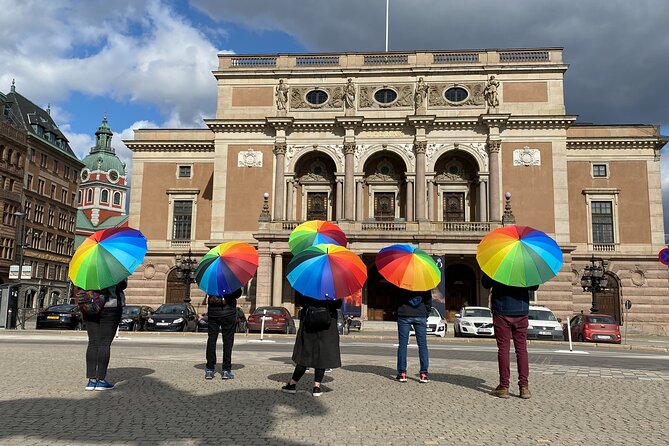
A few blocks later, you see the Royal Swedish Opera. Admission isn’t included, so you’re likely taking in the exterior presence and getting the cultural context.
This is a good stop because it shows Stockholm isn’t only medieval. The old core interacts with later institutions, and the opera is one of the clearest examples of that. You finish this section feeling like the city keeps reinventing its identity without wiping out the past.
St George & the Dragon Statue: Battle History in a Tourist-Friendly Package
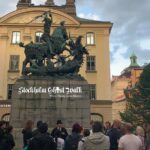
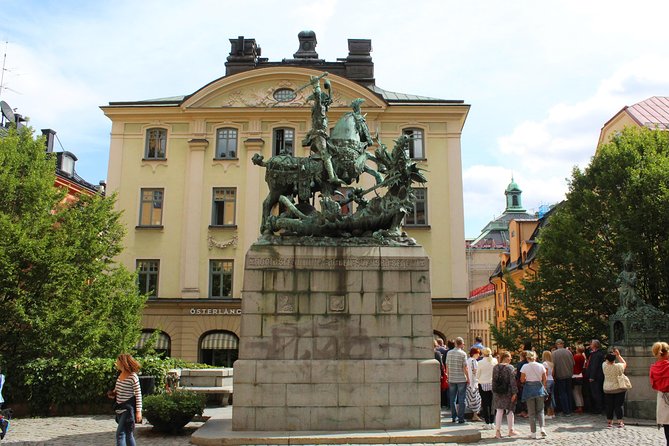
The final stop is St. George & the Dragon Statue, tied to the battle of Brunkeberg in 1471. The story described here says Sten Sture defeated the armies of Christian the I of Denmark, which turns the statue from decoration into a specific historical marker.
Admission is included here, so expect a more focused explanation rather than a quick picture moment. This also gives you a satisfying closing loop: St George appears earlier through the cathedral sculpture, and here you see a battle-based interpretation that makes the legend feel tied to local identity.
If you’re the type who likes to connect symbols to real events, you’ll probably appreciate the ending. It makes the whole walk feel like one story instead of 12 separate stops.
Price and Value: Is $24.07 a Fair Deal?
At $24.07 per person for about 2 hours 30 minutes, I think the value makes sense if you’re visiting Stockholm for the first time and want a guide to do the heavy lifting. The price isn’t just for walking. It’s for interpretation—how the guide turns architecture, civic buildings, and legends into one coherent story.
There’s also a practical value angle: some admissions are included at multiple points (Old Town segment, Järnpojken, Stortorget, Marten Trotzigs grand, and the St George & Dragon statue). Even if you don’t plan to go inside everything later, that inclusion reduces the “what do I pay separately?” uncertainty.
Group size is also a plus. With a maximum of 20 people, you’re less likely to feel swallowed by a crowd and more likely to get answers when you ask. And because it’s English and sold as a guided walking tour, you’re paying for clarity, not just access.
Who This Tour Suits Best (and Who Might Want to Think Twice)
This tour fits best if you:
- Want a first pass at Gamla Stan without booking a pile of separate activities
- Like your history told through specific places and not abstract dates
- Enjoy walking through compact areas where one stop leads naturally to the next
- Prefer guidance when you’re deciding what to do after the tour
You might think twice if you:
- Want mostly indoor time and long museum visits (many big sights here have admission not included)
- Have limited ability for sustained walking on older streets
- Need a very slow pace with lots of free time at each stop
If your plan is “see Old Town, get the story, then move on,” this is a strong match.
Should You Book This Stockholm Old Town Walking Tour?
Yes, I’d book it if you’re trying to turn your first day in Stockholm into a set of meaningful landmarks, not just a camera roll. The structure is tight, the stops are packed with context, and the guide energy is consistently praised by people who value stories with history and politics tied in.
My advice: do it early in your trip, ideally on a morning when you can still focus through a full walk. Then use what you learn to pick your next visits—palace, Nobel-related interests, or more time in the cathedral and squares—without getting lost in names and dates.