REVIEW · STOCKHOLM
Stockholm: Skansen Open-Air Museum Admission Ticket
Book on GetYourGuide →Operated by Skansen Open-air Museum · Bookable on GetYourGuide
Skansen can turn a simple day into a time machine. This is the world’s first open-air museum, built around Swedish life from the 16th century through the early 1900s, with historic houses and farmsteads plus lots of Nordic animals to see up close. I like how it mixes culture and nature without feeling like one long lecture. The main catch is size: Skansen covers a lot of ground, so you’ll want real time and comfortable shoes.
You’ll find it at Djurgårdsslätten 49-51 on Stockholm’s Djurgården island. Your ticket is an admission pass, and the selected time is more of a reference point than a strict arrival window. Also, food isn’t included, but the park’s restaurants are known for views over the city.
Skansen is a smart choice if you’re traveling with kids or anyone who likes animals. It’s also great for adults who want to understand how Swedes worked, celebrated, and got through the seasons long before modern conveniences.
In This Review
- Key points to know before you go
- Skansen admission: what you’re really paying for
- Where Skansen sits on the map (and why that matters)
- How long to budget: at least half a day, often a full day
- Entering the museum: your best strategy for first-time wandering
- Historic Swedish buildings: houses and farmsteads you can actually walk through
- Seasonal Sweden: the historic Christmas market and decorations
- The animal side of Skansen: Nordic wildlife, domestic animals, and family-friendly areas
- Food and the museum shop: eat well without blowing the budget
- Value check: is Skansen worth the ~$27 ticket?
- Best fit: who will enjoy Skansen the most?
- Should you book this Skansen admission ticket?
- FAQ
- What’s included in the Skansen Open-air Museum admission ticket?
- How much time should I plan for Skansen?
- Does the timeslot affect when I can enter?
- Is food included with the ticket?
- Where is the meeting point?
- Is Skansen wheelchair accessible?
- Can I cancel for a refund?
- Can I reserve now and pay later?
Key points to know before you go
- The museum theme is practical Swedish history, from everyday work to seasonal traditions, staged across real buildings.
- You can combine culture and animals in one place, including Nordic wildlife like lynx, elk, and brown bears.
- Plan for walking: even on a quiet day, it’s easy to lose track of time here.
- Seasonal events can change the feel, like the historic Christmas market running on select days in late November to mid-December.
- Not every enclosure is always open, depending on the day and season, so don’t bet the whole trip on one animal.
Skansen admission: what you’re really paying for
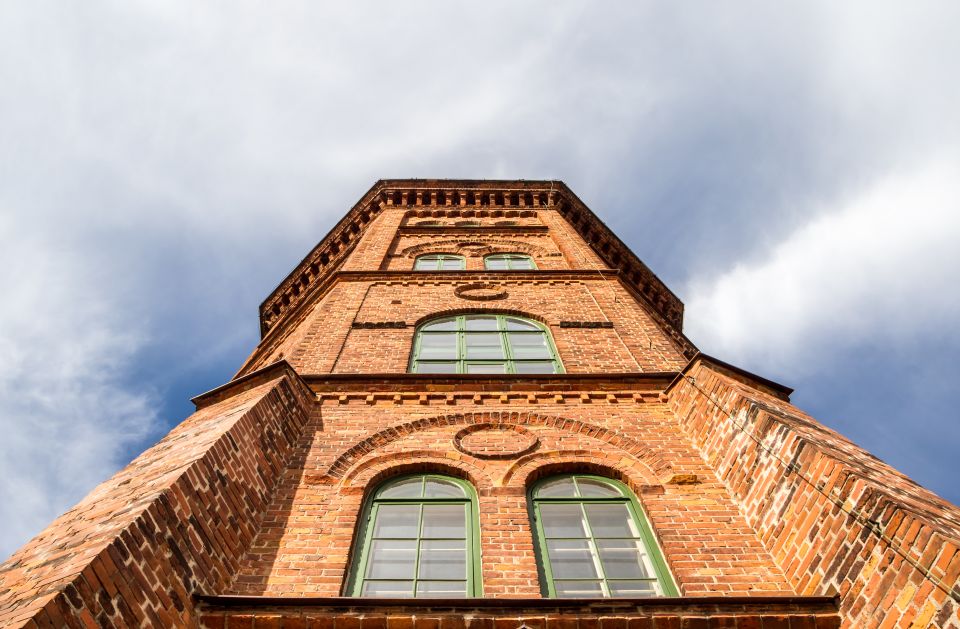
This is not a typical museum with a single “main hall.” With your admission ticket, you’re buying access to an outdoor world of buildings, farmsteads, and paths that connect them. Think of it as a living timeline of pre-industrial Sweden, spread across an entire park.
The value here is the mix. The museum portion gives you homes and farm life from many parts of the country. Then the animal side keeps the day moving, especially if you like seeing animals in settings that feel designed for them rather than a quick stop-and-snap.
At around $27 per person, the pricing makes sense if you’ll actually spend enough time to wander. If you only have a short window, Skansen can feel spread out. If you have most of a day, it becomes one of those places that rewards slow strolling.
You can also read our reviews of more tours and experiences in Stockholm



Where Skansen sits on the map (and why that matters)
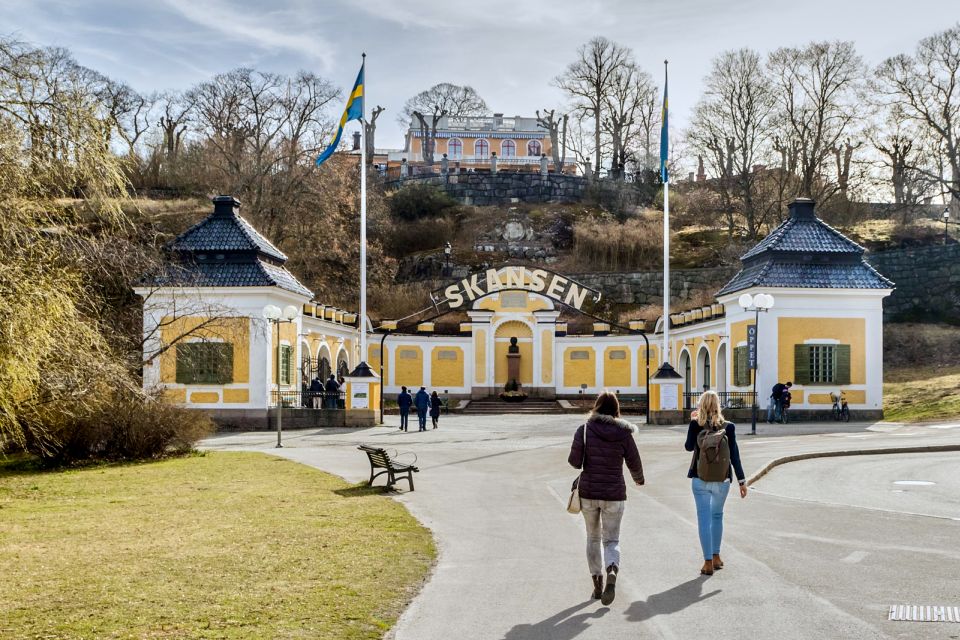
Skansen is on Djurgården, the island area that’s packed with Stockholm attractions. It’s close enough that you can pair it with other stops on the same day, but far enough that it feels like you’ve stepped out of central Stockholm life.
The meeting point is Djurgårdsslätten 49-51. The ticket time you choose is mostly flexible: you can show up any time during opening hours. That small detail matters because it lets you build your day around trains, weather, or how quickly you’re ready to walk.
If you’re staying centrally, you may find it’s about a 25-minute walk along the water edge (depending on your exact route). For most people, though, it’s still easiest to plan on public transport or a short taxi ride to Djurgården and then handle the rest on foot.
How long to budget: at least half a day, often a full day
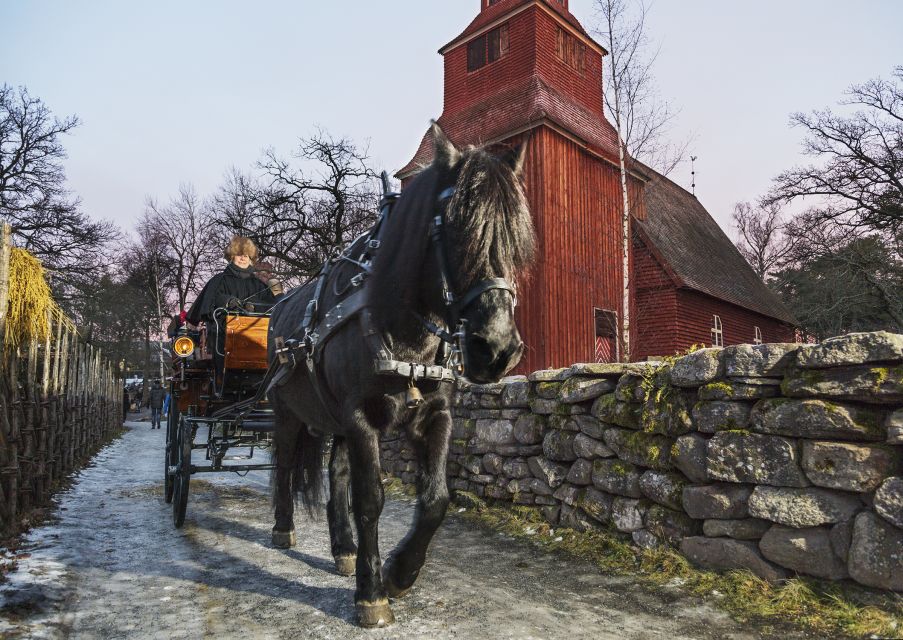
Skansen is big. Even when you start with the best intentions—two hours, max—you’ll likely realize it covers more than you expect. A lot of people end up staying half a day to a full day, because once you start linking buildings and animal areas, the time slips away.
Here’s how to think about your schedule:
- If you’re mostly here for buildings and history, plan 3–4 hours.
- If you’re here for animals as well (and you’ll stop for photos), aim for 4–6 hours.
The “right amount” depends on pace and season. In winter, it can be colder, and some interiors might be closed depending on staff schedules. In summer, there’s often more going on in the park, which can stretch your visit.
Also, Skansen is a little hilly. You don’t need hiking gear, but you do need shoes with grip. This is one of those parks where your feet will be the real limiting factor, not your ticket.
Entering the museum: your best strategy for first-time wandering
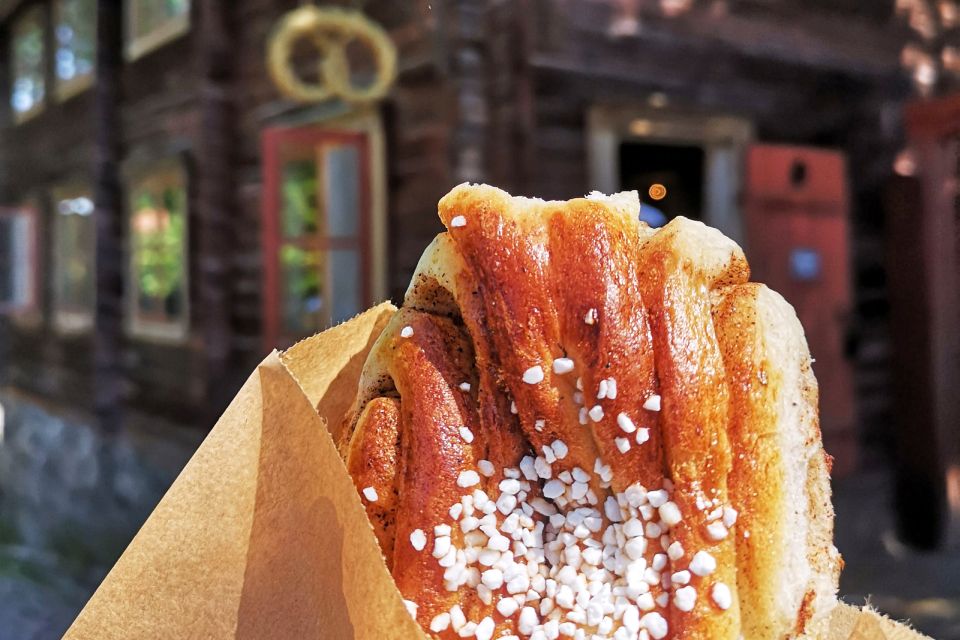
When you arrive, don’t try to “beat the museum.” Start by getting oriented and choosing a direction for your first loop. Skansen’s design helps you drift from farmstead to farmstead and notice how the buildings relate to each other.
Inside the historic areas, you’ll find buildings and information tied to different periods and ways of life. One of the best parts is that you’re not just reading labels—you’re walking past structures that feel like they belong to another century.
I like going in this order:
- Buildings first, to get the feel of living conditions and how the spaces worked.
- Animals next, to give your mind a break while you keep moving.
- Seasonal areas and shops last, so you end with souvenirs and an easy meal plan.
If you hit a day when fewer things are open (common on some weekends and in winter), you’ll still have enough to enjoy. The park itself keeps its value even when some interiors and demonstrations aren’t running.
Historic Swedish buildings: houses and farmsteads you can actually walk through
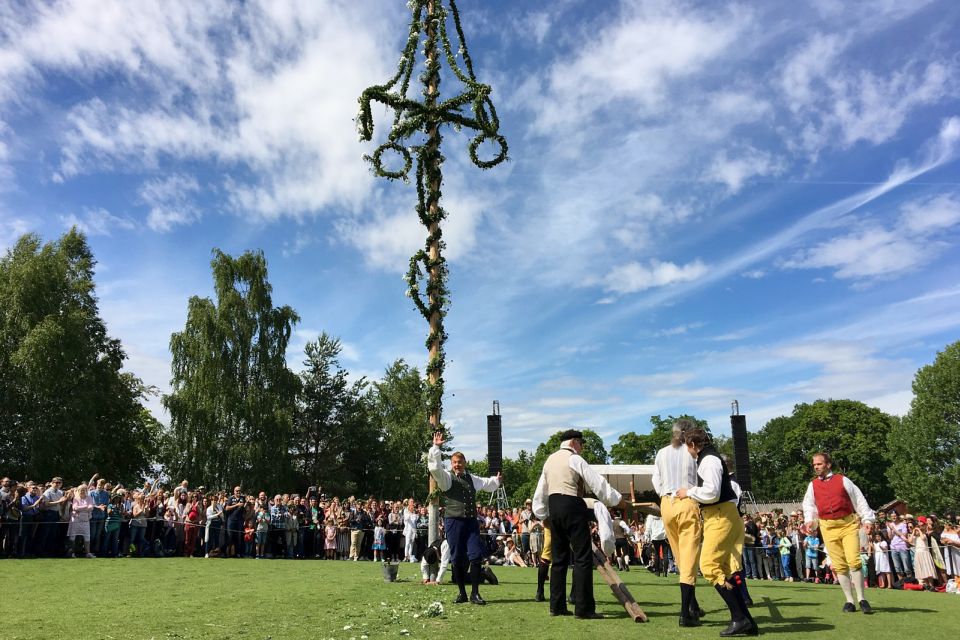
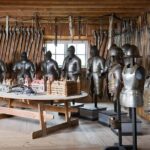
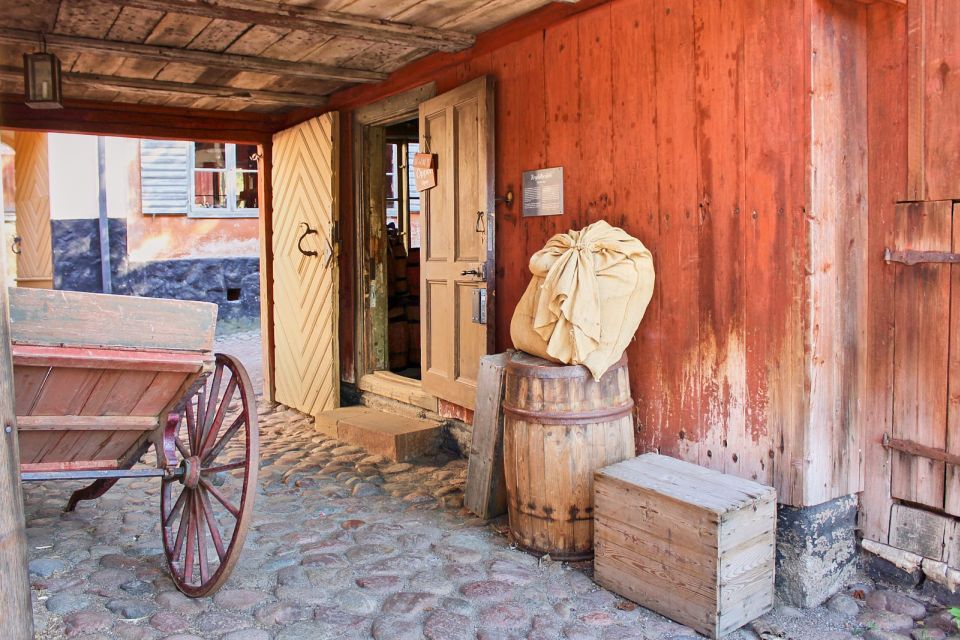
Skansen’s signature is its collection of around 150 historic houses and farmsteads brought together to show how Swedish people lived. The time period spans from the 16th century into the first half of the 20th century, so you see change over time rather than one fixed “old look.”
What makes the buildings useful is that they’re not just pretty exteriors. The park places you in a physical reminder of daily life: where people worked, how rooms were set up, and how rural life shaped everything from food to chores.
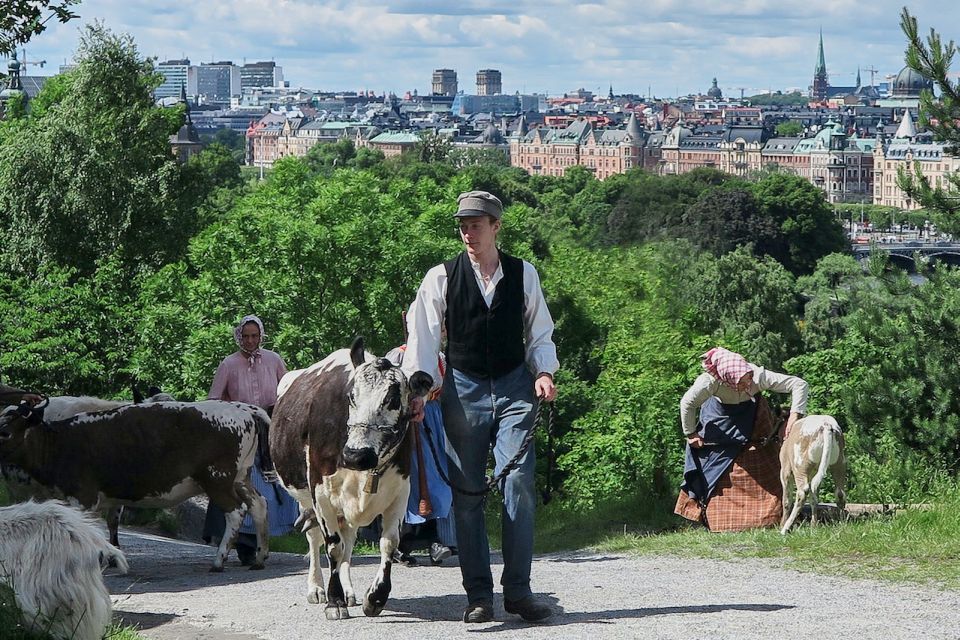
Depending on the day, you might also encounter staff acting in period roles. Some days bring small craft and work demonstrations. For example, people have described experiences like glass blowing and baking, and you may see demonstrations tied to traditional trades.
One practical tip: if you care about interiors, pay attention to timing. Some guided activities inside buildings can start and end earlier than the rest of the park. Even if that happens, don’t panic—Skansen still offers plenty outdoors.
You can also read our reviews of more museum experiences in Stockholm



Seasonal Sweden: the historic Christmas market and decorations
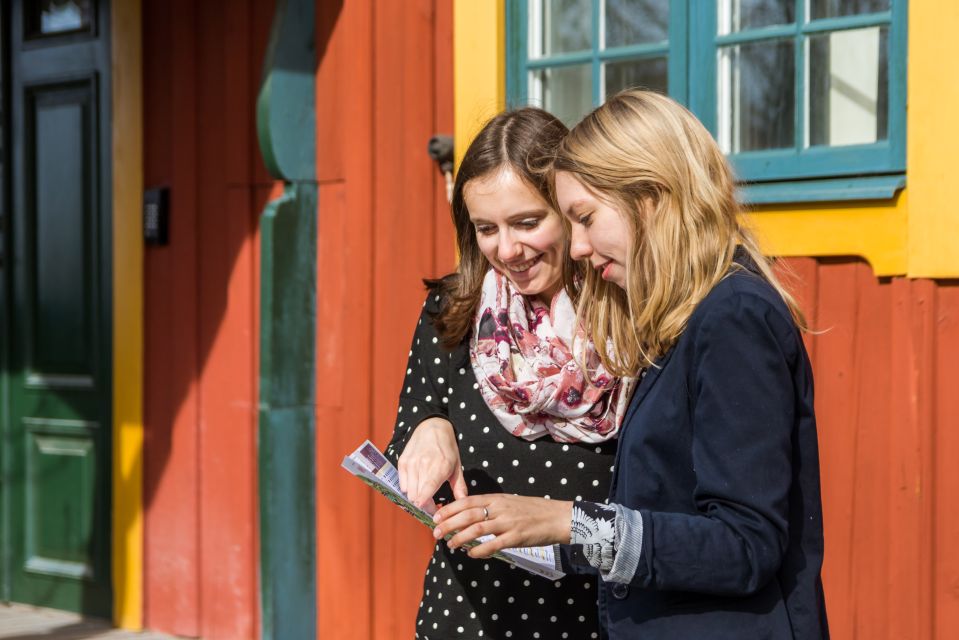
Skansen changes decorations with the seasons. If you’re visiting in the right window, it can shift the mood from “quiet historical walk” to “holiday fair in a living museum.”
A standout seasonal program is a historic Christmas market dating back to 1903. In that period, the market runs Friday to Sunday from 26 November until 19 December. You can find handicrafts and small treats, including items like sweets and handmade candles, plus Christmas gifts.
This matters because it changes how you experience the park. Instead of only learning through buildings and signs, you also get the atmosphere of celebrations—exactly the kind of context that makes old traditions feel real.
If you’re planning around the market, build extra time. The market area can draw people in, and you’ll likely slow down to browse.
The animal side of Skansen: Nordic wildlife, domestic animals, and family-friendly areas
Skansen is part zoo, and that’s not an insult. It’s one of the reasons the day works so well for many ages.
The park is home to about 75 animal species, with wildlife you’ll recognize from Nordic habitats. From the information you’ll see on site and what people frequently point out, you’re likely to encounter animals such as lynx, elk, and brown bears. Other animals people mention include moose and wolverines.
You also get domestic and farm animals, and there’s a family-friendly zone where kids can see animals like cats, rabbits, and guinea pigs. For younger kids, this can be the best “gateway” into the rest of the park.
A key consideration: enclosures can be closed at times. One example you may want to know about is that the reindeer enclosure may not always be available, depending on the day. If reindeer are your top must-see, don’t assume every enclosure will be open.
Also, don’t only chase one animal. The park is enjoyable even when one exhibit is closed because the animals are woven into the wandering route. You’re moving anyway, and the sightings become little rewards along the way.
Food and the museum shop: eat well without blowing the budget
Food isn’t included with your admission ticket. That can sound annoying at first—until you realize you can choose what fits your day.
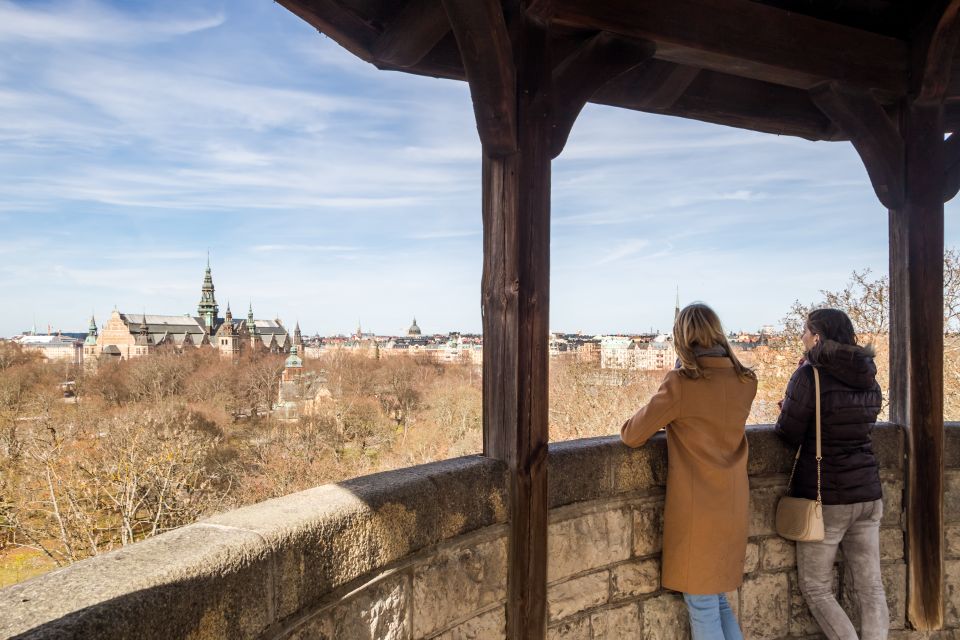
Skansen has restaurants, and they’re known for views over Stockholm. That means you can break up your walk with a proper meal rather than hunting down snacks in a hurry. If you’re traveling in winter or rain, planning a sit-down meal early can keep the day comfortable.
Budget-wise, I’d treat lunch as part of the “choose-your-extras” plan. Your base ticket gets you the core experience; the restaurants let you decide how long you want to linger.
Don’t skip the museum shop. You’ll find traditional handicrafts and Swedish-designed items, which are the kind of souvenirs that feel tied to the park instead of generic postcards. It’s also a good fallback if it’s wet outside and you need a warm indoor pause.
Value check: is Skansen worth the ~$27 ticket?
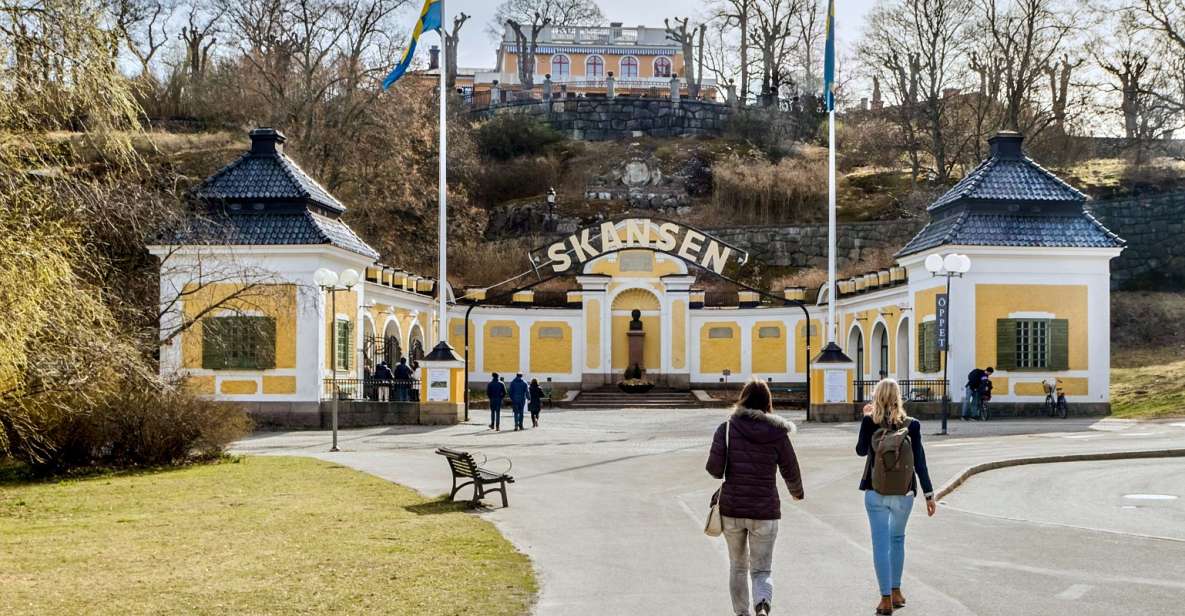
Skansen earns its price when you do what the park is built for: spend real time and actually connect the dots between buildings and animals.
Here’s the honest value math:
- If you use the ticket for a full morning or afternoon, it usually feels like good value because there’s a lot of material and a lot of space to explore.
- If you show up with only a quick “see the big thing” mindset, you might feel you didn’t get your money’s worth.
Where the ticket really pays off is in its pacing. You’re not stuck in one room. You can switch between history, animals, craft demonstrations, and seasonal scenes, which keeps the visit from becoming tiring.
It’s also a strong deal compared to stacking multiple paid attractions in central Stockholm on the same day. Instead of paying for several short experiences, you get one long, varied day.
Best fit: who will enjoy Skansen the most?
Skansen works for a wide range of people, but it hits hardest when you like hands-on, outdoors learning.
It’s especially good for:
- Families with kids who need breaks between buildings and like animal encounters.
- Anyone who wants Swedish history in a visual, physical form (not just in text).
- Travelers who like “walkable days” with frequent stops and surprises.
If you prefer highly structured tours with one fixed route and lots of indoor time, you might find Skansen more self-directed than you expect. But the trade-off is freedom—you can slow down where you care most.
Should you book this Skansen admission ticket?
Book Skansen if you want a one-day Stockholm plan that blends history and nature without needing much planning. Your ticket covers the core open-air museum, and the park’s variety makes it hard to get bored.
Skip it or adjust expectations if you have only a short time, hate walking on hills, or are traveling only for one specific animal. Skansen is at its best when you can wander for hours and let the day unfold.
If your travel dates line up with the seasonal historic Christmas market (26 Nov–19 Dec, Friday to Sunday), it’s a strong reason to plan around it. Otherwise, even outside holiday season, the mix of buildings and animal exhibits gives you a complete, satisfying day on Djurgården.
FAQ
What’s included in the Skansen Open-air Museum admission ticket?
The ticket includes admission to Skansen for your selected day.
How much time should I plan for Skansen?
It’s a large park. Many people find it works best as a half day to a full day, depending on how much you want to see.
Does the timeslot affect when I can enter?
The timeslot you select is just a reference. You can show up any time during opening hours.
Is food included with the ticket?
No. Food and drinks are not included, though there are restaurants in the park.
Where is the meeting point?
The address is Djurgårdsslätten 49-51, 115 21 Stockholm, Sweden.
Is Skansen wheelchair accessible?
Yes, the attraction is listed as wheelchair accessible.
Can I cancel for a refund?
Yes. You can cancel up to 24 hours in advance for a full refund.
Can I reserve now and pay later?
Yes. The option is available to reserve now and pay later to keep your plans flexible.