REVIEW · STOCKHOLM
Private blood, ghosts and folklore Old Town 2h Stockholm tour
Book on Viator →Operated by Sweden History Tours · Bookable on Viator
Ghost stories in Stockholm come with receipts. This private Old Town tour pairs dark local legends with real street-level history so you’re not stuck reading scraps of folklore on your own.
I love how the guide turns Swedish vaesen and protection customs into something you can picture as you pass recognizable landmarks. I also like the format: it’s private, so you can ask questions while you’re standing right where the story takes place.
One thing to consider: this isn’t nonstop horror set pieces. If you’re expecting the loudest, grislest tales only, the emphasis leans more toward beliefs, rituals, and what people thought would keep them safe.
In This Review
- Key highlights at a glance
- A 90-minute ghost tour that’s really about what people believed
- Meeting at the Nobel Prize Museum area and finishing near Kungsträdgården
- Stop 1: Stortorget’s death talk, execution stories, and blood-for-curses folklore
- Stop 2: Prästgatan and the street formerly called Hell
- Stop 3: The Old Town doorways—iron, vaesen, Tomte, trolls, and newborn protection
- Stop 4: Logårdstrappan’s water spirits—Näcken, bäckahästen, Sjörå, and skepps-rå
- Stop 5: Kungsträdgården—huldran, Myrling, and undead children that spread death
- Stop 6: S:t Jacobs Kyrka—church doors, weak points, baptism exorcism, and punishing enemies
- Price and value: when $188.16 makes sense
- The most praised part: a guide who keeps it friendly and workable
- A reality check: why one person felt misled
- Who should book this Stockholm ghosts and folklore tour
- Should you book this private Blood, Ghosts and Folklore Old Town tour?
- FAQ
- How long is the Private Blood, Ghosts and Folklore Old Town Stockholm tour?
- How much does the tour cost per person?
- Is this a private tour?
- Where does the tour start and end?
- What’s the main theme you’ll explore?
- What’s included in the price?
- Do you need to bring a paper ticket?
- Is public transportation nearby?
- Are service animals allowed?
- What is the cancellation policy?
Key highlights at a glance
- Private guide, private pacing so you can ask questions as you walk
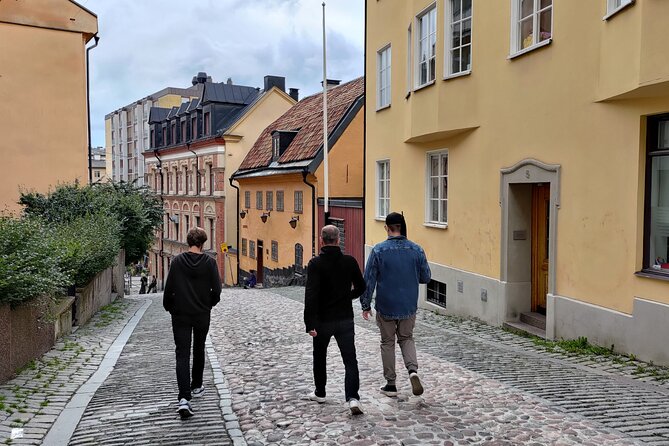
- Old Town landmarks used like a living map for ghost and folklore themes
- Protection-focused storytelling (iron, door magic, baptism fears)
- Water-spirits stop featuring Näcken, bäckahästen, Sjörå, and skepps-rå
- Churchyard folklore at S:t Jacobs Kyrka, centered on doorways and exorcism ideas
- Efficient route with short stops that fit about 1 hour 30 minutes
A 90-minute ghost tour that’s really about what people believed
Stockholm’s Old Town is perfect for ghost stories because the city was built by people who lived with fear in everyday life. This tour uses that mindset on purpose. Instead of treating the supernatural like a spooky add-on, the guide frames it as part of how people explained danger, death, and the unknown.
What I liked most is the tone. The stories don’t feel like they’re trying to win a scare contest. They’re trying to show you the logic behind folklore protections—the idea that certain symbols, actions, or places could guard you from spirits and bad luck.
You’ll also feel the value of a private format. With only your group, the guide can slow down when you want context and speed up when you just want the story. The tour lasts about 1 hour 30 minutes, which means you get a focused dose without turning into a full-day slog.
You can also read our reviews of more private tours in Stockholm


Meeting at the Nobel Prize Museum area and finishing near Kungsträdgården
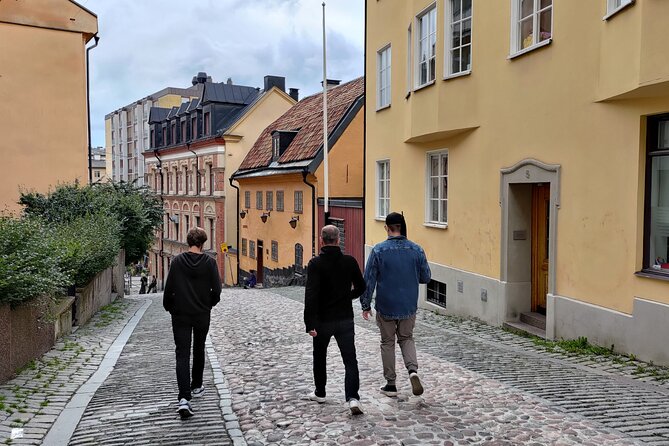
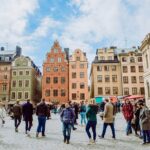
You start at Nobel Prize Museum, Stortorget 2, 103 16 Stockholm. That’s a smart launch point because Stortorget is one of the most central squares in the Old Town area. From there, you move through Old Town with the guide handling navigation, so you’re not wrestling street corners while trying to follow the plot.
The tour ends just outside Old Town on the north side beside Kungsträdgården. The walk back to the start is about 10 minutes, depending on how you move through the streets afterward. That structure is convenient: you get the full guided loop, and then you can keep exploring nearby at your own pace.
Because the tour uses a mobile ticket and is a private group activity, it also tends to feel low-stress logistically. You’re not coordinating with strangers, and you’re not trying to figure out who’s coming from where.
Stop 1: Stortorget’s death talk, execution stories, and blood-for-curses folklore
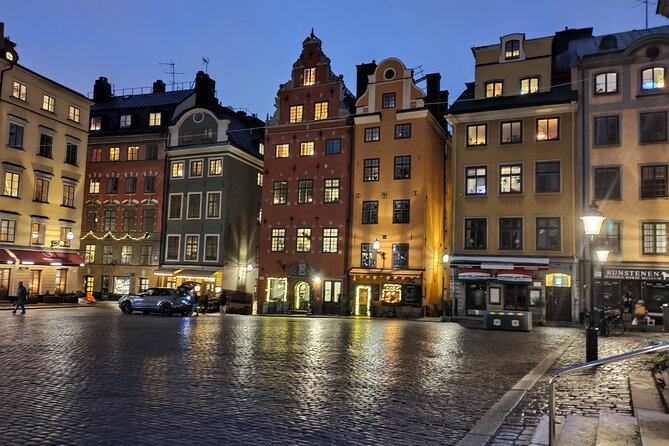
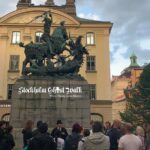
Stortorget sets the tone fast. This is where the guide gets into death in both the historical and folklore sense—along with the dark details people used to explain suffering and supernatural threats. The tour highlights the execution of around 90 souls during the period when Danish King Kristian took Stockholm.
Then the stories shift toward belief systems: the idea that the blood of the dead could be used for curses, and that parts of the gallows might be used in folk practices tied to storytelling and influence. Even if you don’t remember every detail, you’ll feel the theme: for many people, death wasn’t the end of a story. It was fuel for what came next.
Possible drawback here: because the focus is concept-heavy (how people thought, not just what happened), you’ll get the most out of this stop if you’re curious about cultural logic. If you’re only chasing dramatic action, you may want to mentally keep your expectations on the folklore side.
Stop 2: Prästgatan and the street formerly called Hell
Next comes Prästgatan, where the guide walks you through the street’s eerie nickname history—part of it was formerly named Hell. You also learn about who lived there historically, including references to the kind of visitors and residence patterns that developed in that area.
This stop works well because it connects name and feeling. A street name like Hell isn’t random. It signals how locals interpreted a place as dangerous or morally tense. And when you hear it in context, you start to understand why Old Town landmarks matter beyond their architecture.
It’s also a short stop, so it doesn’t drag. You get a quick dose of atmosphere and then move on, which fits the overall rhythm of the tour.
Stop 3: The Old Town doorways—iron, vaesen, Tomte, trolls, and newborn protection
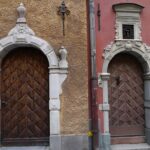
At the door of a house area, the tour leans into the kind of folklore that feels practical until you realize it’s about survival. The guide explains how iron was seen as protection against vaesen, including elves believed to arrive with the mist—spirits or souls that might not rest.
This is where the tour becomes especially fun if you like the texture of everyday superstition. You’re not just hearing a ghost tale. You’re learning the rules people thought could keep danger away. The guide also brings in the Tomte—a Swedish folklore figure you’ll likely hear referenced in other parts of Scandinavian culture.
The stop also covers doorway protection and the idea that a newborn before baptism lacked protection against trolls and the Devil. That detail may sound intense, but it fits the tour’s overall theme: in older belief systems, the vulnerability of moments mattered. Doors weren’t just doors. They were boundaries.
Trade-off: some of the concepts are abstract, so if you want only historical facts and modern ghost sightings, this stop may feel more like mythology than documented history.
You can also read our reviews of more tours and experiences in Stockholm



Stop 4: Logårdstrappan’s water spirits—Näcken, bäckahästen, Sjörå, and skepps-rå
Now you get the kind of folklore that makes you look at water differently. At Logårdstrappan, the guide brings in water-connected vaesen like the Näcken, the bäckahästen (the Swedish version of kelpie), the Sjörå, and the skepps-rå.
The common thread is control and threat. These spirits are portrayed as luring people and trying to drown them, often by drawing attention to water’s danger. That’s a big part of why this stop feels memorable: it uses a very specific “what could go wrong” type of fear, then ties it to figures from Swedish folklore.
If you enjoy folklore that reads like warning stories—tales that teach you what not to do or how to stay safe—this section is a highlight. It’s not just scary. It’s the kind of story that kept people cautious in real life.
Stop 5: Kungsträdgården—huldran, Myrling, and undead children that spread death
At Kungsträdgården, the guide widens the net to other Swedish folklore creatures tied to death and harm. You’ll hear about dangerous beings like Skogsrået / huldran, plus the undead child known as Myrling.
The tour frames these figures as more than spooky characters. They’re described in terms of how they spread death and—per the tour’s theme—how that danger could be understood through supernatural storytelling. This is also the section where the tour feels most like a guided map of Old Town’s emotional geography: where the city felt safe, where it felt watched, and where people thought forces could cross boundaries.
Because you’re in a public landmark area rather than deep in interior spaces, the atmosphere can feel more conversational. You can ask the guide what overlaps between these creatures are, and why certain types of beings show up again and again in Scandinavian folklore.
Stop 6: S:t Jacobs Kyrka—church doors, weak points, baptism exorcism, and punishing enemies
The final stop is outside S:t Jacobs Kyrka at Västra Trädgårdsgatan 2A. The focus stays on protection, but with a church setting that adds another layer. The guide discusses the church door, including ideas about weak points—and how old belief systems tried to explain why even sacred places weren’t automatically safe from every threat.
You’ll also hear about exorcism concepts tied to a kid at baptism. That connects directly to the earlier newborn protection story, reinforcing the same theme: before rituals, people were believed to be exposed.
There’s also a darker angle about punishment—what to do if you had a worst enemy to punish. Even if you don’t agree with the mindset, it shows you how fear, religion, and folklore could mix in practical ways.
This ending matters because it gives you a sense of closure. The tour starts with death and curses, then moves into the mechanics of protection, then lands at a place people believed should be safe—only to show that folklore often questioned safety itself.
Price and value: when $188.16 makes sense
At $188.16 per person for a private tour lasting about 1 hour 30 minutes, you’re paying for three things: a dedicated guide, a focused walking route through Old Town landmarks, and a narrative that links the locations to specific folklore themes.
So does it deliver value? It depends on what you want.
If you like learning while you walk and you want a guide to translate symbolism—iron protections, doorway magic, baptism-linked fears—then paying for a private format makes sense. You’re not just buying stories; you’re buying the ability to stop, ask, and get clarification while you’re standing in context.
If you’re expecting a tour that’s basically nonstop gruesome history, you might find the pacing and emphasis less aligned. The price is high enough that you’ll want the folklore angle to be your thing.
Good sign: the tour includes a guide only, with group discounts available. That means if you come with friends or travel as a small group, the per-person value can feel more reasonable than it first appears.
The most praised part: a guide who keeps it friendly and workable
From the feedback I’m seeing patterns that matter. People rate the experience highly when the guide is friendly, accommodating, and really capable of making the stories land. That fits the tour’s structure: you’re dealing with folklore concepts, so you need someone who can explain without turning it into a lecture.
That’s also why private format helps. If something confuses you—like how iron, doors, and vaesen beliefs connect—you’re not stuck waiting your turn. You can ask right there, and the guide can adjust the route’s storytelling focus on the fly.
A reality check: why one person felt misled
One concern worth considering is expectation mismatch. One rating said the tour name sounded like it would deliver more frequent gruesome episodes, but the experience felt lighter than expected in terms of major shocking moments. That kind of disappointment usually comes from expecting graphic history as the main course.
This tour’s actual promise is wider: blood and ghosts, yes, but also Swedish folklore, including protection rules and supernatural beliefs. If you go in wanting folklore mechanics—what people thought would stop danger—you’ll likely feel more satisfied. If you go in hunting only for the biggest shock stories, you might finish wishing for more.
Who should book this Stockholm ghosts and folklore tour
I’d point you toward this tour if:
- you like folklore that explains behavior and fear, not just monsters
- you enjoy walking through Old Town while learning what the city meant to people back then
- you want a private guide so you can ask questions in real time
- you’re curious about creatures and beliefs tied to water, doors, iron, and baptism fears
I’d hesitate if:
- you need lots of fast, concrete historical events with minimal symbolism
- you’re paying a premium and only want the most intense horror-style set pieces
Should you book this private Blood, Ghosts and Folklore Old Town tour?
If Stockholm’s Old Town is your idea of the perfect setting, and you’re genuinely interested in how people used stories to manage danger, this is a smart booking. You’re getting a short guided walk with focused stops tied to specific beliefs—iron protections, Tomte, water spirits like Näcken, and folklore creatures around church doorways.
That said, if your main goal is nonstop gruesome history with big headline shocks, you may feel underwhelmed. This tour is better described as folklore-heavy and protection-focused, with dark history threads running through it.
If you’re the kind of traveler who enjoys learning the rules behind local superstition, I’d say go for it—especially if you can come with a group to spread the cost.
FAQ
How long is the Private Blood, Ghosts and Folklore Old Town Stockholm tour?
It runs for about 1 hour 30 minutes.
How much does the tour cost per person?
The price listed is $188.16 per person.
Is this a private tour?
Yes. It’s a private tour, so only your group participates.
Where does the tour start and end?
It starts at Nobel Prize Museum, Stortorget 2, 103 16 Stockholm, Sweden. It ends just outside Saint Jacob’s Church at Västra Trädgårdsgatan 2A, 111 53 Stockholm, Sweden.
What’s the main theme you’ll explore?
You’ll explore dark history and Swedish folklore through ghost-themed storytelling around Old Town landmarks, including beliefs about protection from supernatural beings.
What’s included in the price?
A guide is included.
Do you need to bring a paper ticket?
No. You’ll use a mobile ticket.
Is public transportation nearby?
Yes, it’s near public transportation.
Are service animals allowed?
Yes, service animals are allowed.
What is the cancellation policy?
Free cancellation is available up to 24 hours in advance for a full refund. If you cancel less than 24 hours before the start time, you won’t receive a refund.