REVIEW · STOCKHOLM
2-Day Small-Group Basic Skills Survival Course in Södermanland
Book on Viator →Operated by True Nature Sweden · Bookable on Viator
Forest survival basics, taught like real life.
This 2-day small-group course in Södermanland focuses on the skills that matter when things go sideways: fire, shelter, water, food, plant basics, orientation, and wildlife awareness, all taught in the wilderness. You’ll work with William and a max group size of 8, so you get hands-on coaching instead of a lecture.
What I really like is how the course stays grounded in fundamentals—what to prioritize when you’re cold, lost, or stressed—and then turns those priorities into repeatable actions. I also like that the training isn’t just theory: you practice skills like firemaking, shelter building, compass use, map reading, and basic catching/foraging routines with clear, step-by-step guidance from William.
One consideration: this is outdoors survival training, so you should expect real weather, real ground, and doing things at forest pace. Also, it requires a minimum number of participants depending on the season, so your exact date can shift or be refunded if the group doesn’t reach the minimum.
In This Review
- Key highlights worth your time
- Confidence in the woods: fire, shelter, food, and water basics
- Small-group training with William: from Stockholm to Södermanland
- Day 1 priorities: firemaking, shelter building, and water collection
- Foraging and plants: edible, toxic, medicinal, and how to cook safely
- Orientation, tracking wildlife, trapping, and fishing on Day 2
- What you pay for: included meals, gear, and optional rentals
- Should you book this basic skills survival weekend in Södermanland?
- FAQ
- Where does the course start?
- How many people are in the group?
- What’s included in the price?
- Does the course include food and water skills?
- Are plants included in the training?
- Is orientation taught?
- What optional rentals are available?
- What happens if there aren’t enough participants?
- Can I get a refund if I cancel?
Key highlights worth your time
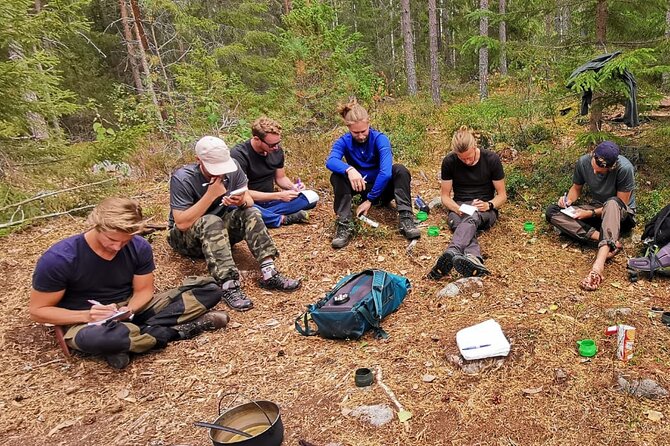
- Small group size (up to 8) means you actually get reps on fire, shelter, and orientation.
- Wilderness-only format keeps skills connected to real conditions, not classroom demos.
- Fire, shelter, water, food prioritization teaches you what to do first when panic starts.
- Plants lesson (edible, toxic, medicinal) gives you a safer starting point for foraging conversations.
- Orientation + wildlife tracking helps you keep direction and spot hazards before they become problems.
- Practical trapping and fishing rounds out the “food options” side of basic survival.
Confidence in the woods: fire, shelter, food, and water basics
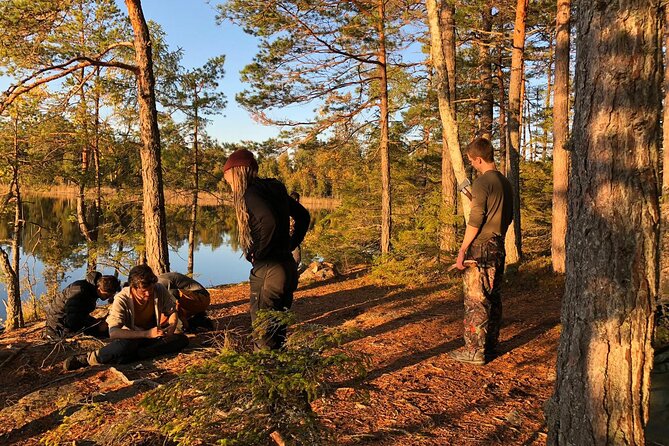
Survival skills sound dramatic until you break them down. This course does that. The focus is on your basic needs—then on the order that keeps you alive when you don’t have much time to think.
You’ll learn how to build a fire and what that enables beyond heat: cooking, drying, and morale. You’ll also learn shelter building basics—how to make a place that reduces exposure, wind chill, and stress. On top of that, the course targets water collection and safe gathering approaches, plus food searching and simple preparation ideas using what’s available around you.
The best part for most people is the mindset change. Instead of trying to memorize everything, you’re coached to react correctly: assess the situation, prioritize the essentials, and keep moving. Several participants describe the weekend as practical and fun, and that fits the way this type of training should feel. You’re not trying to become a superhero; you’re building calm competence.
And yes, it’s in the forest. That matters. Skills like firemaking, reading terrain, and finding workable shelter are easier to retain when you’ve practiced them in the setting where they’ll actually be used.
You can also read our reviews of more tours and experiences in Stockholm
Small-group training with William: from Stockholm to Södermanland
The day begins in Stockholm at True Nature Sweden AB (Tideliusgatan 62, 118 69). You’ll meet at 9:00 am, then go with private transportation. The course ends back at the same meeting point, so you’re not juggling a transfer marathon after a long couple of days.
The small group size (maximum 8) is a genuine value point. When you’re learning high-impact skills—fire, compass/orientation, plant basics—time matters. Smaller groups mean more feedback and less waiting your turn, which is especially important if you’re a beginner or returning to outdoors skills after a long break.
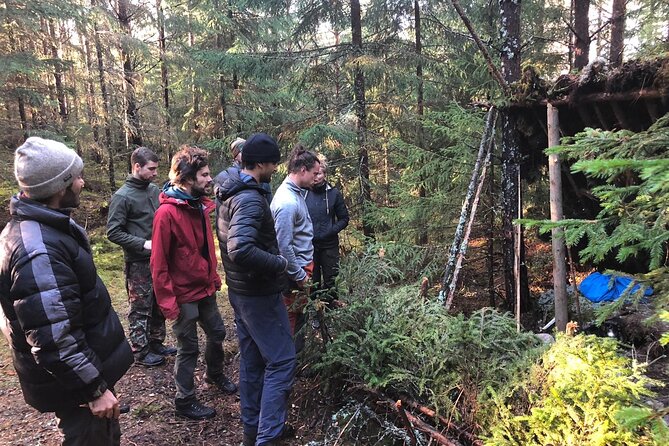
William is the main instructor named in the course feedback, and his teaching style shows up again and again: step-by-step explanations, lots of patience, and a sense of humor that keeps the mood light while you learn serious stuff. One review also mentions learning with family (a mother and son pairing), which hints at the course vibe: welcoming, not macho, and designed for real beginners.
This course is also designed around small-group survival. You’ll cover leadership in a survival situation—how to coordinate without chaos. That’s a big deal if you ever imagine surviving as part of a friend group, family group, or partner situation, not just solo.
Day 1 priorities: firemaking, shelter building, and water collection
Day 1 is where you set your survival baseline: heat, protection, and hydration. The course is structured around three survival fundamentals—fire, shelter, and knowing how to manage food and water needs. You learn these topics in the wilderness, so you’re practicing in the environment you’ll actually face.
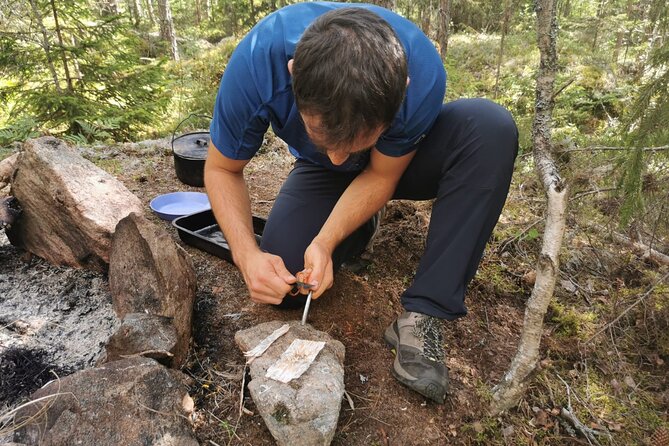
Fire is usually the skill people think about first, but the course treats it like a system. You’ll learn how to build it and what it’s for—warming up, cooking, and staying functional when conditions are rough. Expect hands-on practice rather than a single demo. That practice is exactly what makes the difference between knowing about fire and being able to get one going when your confidence is tested.
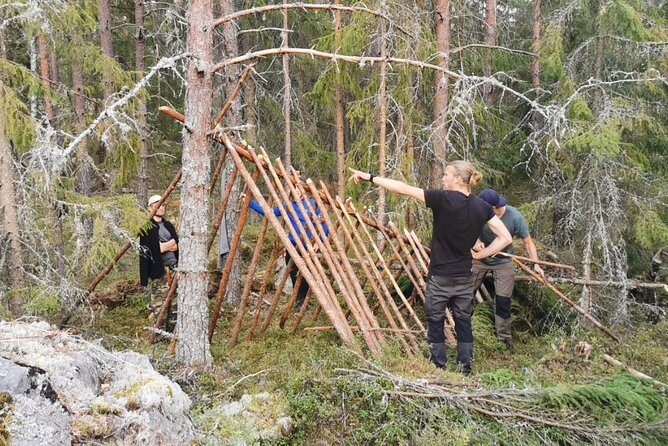
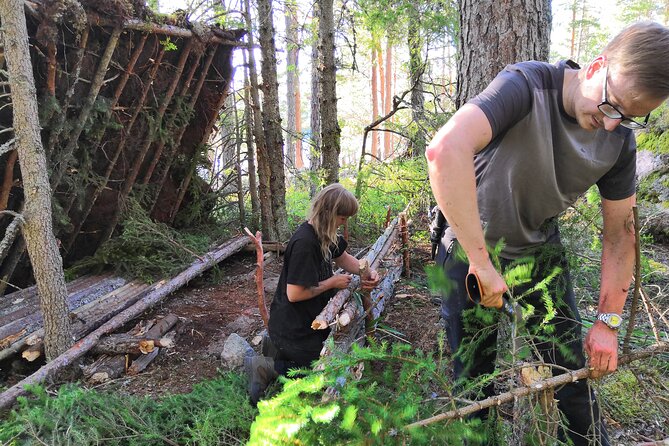
Shelter training is similarly practical. You’ll learn how to build a shelter with available materials (and you’ll spend time thinking about placement, not just construction). In wintery or damp forest conditions, good shelter choices can help you avoid the “I built something, but it’s useless” trap.
Water is the next priority. You’ll cover how to collect it and where to find it. Even if you already know the basics of “find clean water,” the course framing is useful: in survival mode, you’re balancing effort versus payoff. Some water sources cost too much energy, while others are more realistic. You learn to make that trade-off calmly.
Finally, there’s an encampment angle—simple tricks to make life easier once you’re set up. That can mean small improvements that reduce friction: keeping things accessible, organizing your immediate needs, and making your camp more survivable day to night.
Foraging and plants: edible, toxic, medicinal, and how to cook safely
Food is where many survival ideas get messy fast. This course keeps it grounded: learn how to find food, what to eat, and how to prepare it, plus a plants introduction that separates edible from toxic and even medicinal uses.
You’ll get a starting point in plant knowledge—how to treat plants as information, not luck. The training covers edible, toxic, and medicinal plants, which is exactly what you want when you’re learning. In real survival situations, “trying random things” is how people get in trouble. You’re aiming for safer decision-making, and plant basics are part of that.
The other key element is cooking on fire. Several course comments highlight the excitement and value of fire cooking, and it makes sense. Cooking turns raw resources into usable energy. It also helps you stay focused: you’re doing tasks with purpose instead of wandering.
One underrated benefit of the plant and food lessons is how they change your relationship with the outdoors. People talk about feeling like they’re seeing the forest with new eyes—recognizing patterns, noticing what’s available, and understanding nature as something you can interpret rather than fear.
You’ll also do the on-the-ground thinking that matters in survival mode: what’s realistic to gather, how to prepare simply, and how to keep your energy up with food choices that don’t waste your time.
Orientation, tracking wildlife, trapping, and fishing on Day 2
Day 2 builds on the foundation. The course adds navigation, wildlife awareness, and practical ways to find food—using skills like orientation (compass use and map reading), wildlife tracking, and trapping/fishing.
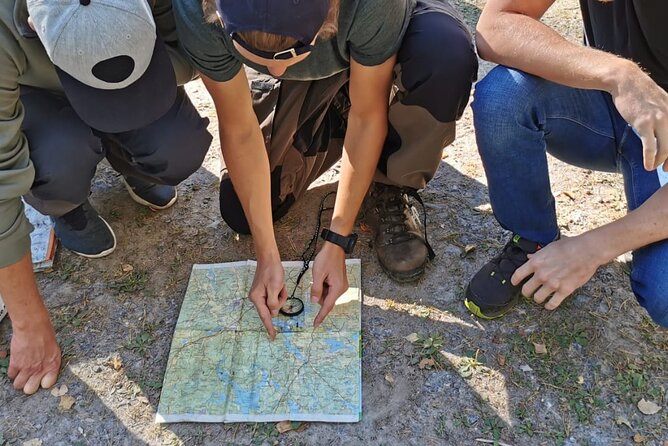
Orientation is one of the most empowering parts of the weekend. You’ll learn how to use a compass and how to read maps, then apply that thinking in the real environment. Even small navigation improvements can prevent the spiral of getting turned around. The goal isn’t just to learn tools—it’s to help you keep your head when you’re lost.
Wildlife training is also important, and it’s not about fear-mongering. You’ll cover tracking wildlife and talk about dangers—how to continue when you’re in a survival situation and animals are around. That “keep going smart” approach is what you want if you ever have to move through unfamiliar terrain under stress.
For food, the course includes trapping and fishing. These aren’t presented as magical hacks. They’re taught as options—techniques that can work depending on conditions and what you can set up realistically. This gives you more than one way to think about dinner when your initial food plan falls apart.
Day 2 is also where group survival comes more into focus. Survival is rarely solo in real life. You’ll work on leadership within a group—how to assign tasks, communicate clearly, and avoid chaos when everyone is tired and cold.
At the end of the two days, the skills should feel more connected than separate. Fire, shelter, water, food, plants, orientation, and wildlife awareness form a single survival mindset: assess, prioritize, act, and adjust.





What you pay for: included meals, gear, and optional rentals
The listed price is $480.71 per person for a 2-day course. For many people, that’s the main question: is it worth it?
Here’s what you’re getting for that money based on the course details:
- Meals included: lunch, breakfast, and dinner during the experience
- Private transportation to and from the meeting point area
- All needed gears included for the training
- A small group (max 8), which keeps coaching hands-on
- Full wilderness instruction over roughly two days starting at 9:00 am
There are also optional add-ons if you need them: camping gear rental is listed at 450 kr per person, and backpack rental is listed at 100 kr per person.
From a value standpoint, the “gear included” part matters more than it sounds. In survival training, it’s easy to show up with the wrong pack or missing basics and then lose time on the logistics. If the essentials are already handled, you can focus on learning and practicing.
One more practical note: it’s mobile-ticket based, and you’ll receive confirmation at booking. If you’ve traveled for courses before, you’ll likely appreciate not having complicated day-of ticket juggling.
Should you book this basic skills survival weekend in Södermanland?

Book it if you want an intro that’s practical, structured, and designed for real conditions. This course is a strong fit if you’re new to survival skills, want to learn fire/shelter/water fundamentals in the forest, and like the idea of learning plant basics plus navigation (compass and map reading). It’s also a good pick if you’re a couple or a small group who want coaching rather than a solo DIY weekend.
Skip it or think twice if you’re looking for a purely comfort-focused nature tour. This is survival training in the wilderness, so you should expect weather, ground time, and hands-on work. Also, because it has minimum participant requirements depending on the season, your exact dates may not be guaranteed when demand is low.
If your goal is confidence—knowing what to do first and how to react fast—this is the kind of course that actually helps you make that leap.
FAQ
Where does the course start?
It starts at True Nature Sweden AB, Tideliusgatan 62, 118 69 Stockholm, Sweden, with a 9:00 am start time.
How many people are in the group?
The experience has a maximum of 8 travelers.
What’s included in the price?
Lunch, breakfast, and dinner are included, along with private transportation and all needed gears.
Does the course include food and water skills?
Yes. The course covers what to eat, where to find food, how to prepare dishes, and how to find and collect water.
Are plants included in the training?
Yes. You’ll get an introduction to plants, including edible, toxic, and medicinal plants.
Is orientation taught?
Yes. The course includes orientation with compass use and map reading.
What optional rentals are available?
Camping gear rental is listed at 450 kr per person and backpack rental at 100 kr per person, both optional.
What happens if there aren’t enough participants?
The activity requires a minimum number of travelers (3 early October to late April, and 5 early May to late September). If it’s canceled for not meeting the minimum, you’ll be offered a different date/experience or a full refund.
Can I get a refund if I cancel?
Free cancellation is available up to 24 hours in advance of the experience start time for a full refund.