REVIEW · STOCKHOLM
Stockholm: Scandinavian Architecture & Design Ostermalm Tour
Book on GetYourGuide →Operated by XperienceSthlm · Bookable on GetYourGuide
A good street walk, done properly, teaches you how to see. This Stockholm architecture and design tour focuses on Östermalm’s buildings and design culture, from classic façades to modern taste makers, in just about three hours. I especially like how the route turns the city into an outdoor design lesson, and how you’re not just looking—you’re learning what to notice.
Two things that really work for me: the stop at Östermalms Saluhallen feels like design in real life (not a museum display), and the mix of major landmarks with design-house names like Nordiska Galleriet and Svenskt Tenn keeps it from getting too academic. One consideration: the themes are broad, so if you’re hoping for lots of time inside every building, you’ll want to add extra museum time on your own.
In This Review
- Key Highlights You’ll Actually Use
- Östermalm Is the Right Setting for Scandinavian Style
- The 3-Hour Format: Enough Time to Learn, Not Enough to Get Lost
- Starting at Svampen: The Mushroom Landmark That Sets the Tone
- Stureplan and Stureplan’s Danish-Fashion-Era Energy
- Östermalms Saluhallen: Food Market as a Design Moment
- Design Household Names: Nordiska Galleriet and Svenskt Tenn
- Strandvägen and Scenic Water-View Walks
- Cultural Power Stops: Royal Dramatic Theatre and Royal Swedish Opera
- Kungsträdgården Park: Short, Sweet Reset Between Big Buildings
- St. Jacob’s Church, IKEA, and Subway Art: Stories You’ll Carry
- Nationalmuseum Area Finale and the Sculpture Garden Finish
- Price and What You’re Really Paying For
- Who This Tour Suits Best (and Who Should Skip It)
- The Guide Factor: Q&A Energy Matters
- Should You Book This Stockholm Architecture & Design Tour?
- FAQ
- How long is the Stockholm Scandinavian Architecture & Design Östermalm tour?
- How much does the tour cost?
- What group size should I expect?
- Is the tour in English?
- Where do I meet the guide?
- What’s included in the tour?
- Does it include skipping the line?
- What should I bring and wear?
- What is not allowed during the tour?
- Is there free cancellation or flexible booking?
Key Highlights You’ll Actually Use
- Östermalm, explained like a story: you’ll learn why these streets look the way they do, from the 1800s onward.
- Saluhallen food-market stop: a practical taste of local life tied to Stockholm’s design identity.
- Design-house visits: Nordiska Galleriet and Svenskt Tenn are real-world stops for Scandinavian style.
- Major cultural landmarks: you’ll see the Royal Dramatic Theatre, Royal Swedish Opera, and Nationalmuseum area.
- Photo-friendly pacing: short guided chunks plus walking and breaks for views on the way.
Östermalm Is the Right Setting for Scandinavian Style
Östermalm is where Stockholm’s style feels both polished and lived-in. You get grand architecture, smart streetscapes, and a sense of Swedish design as something you can walk up to—stores, galleries, theater façades, and public buildings. The tour is built for people who enjoy noticing details, like proportions on a building or design choices that show up again and again across decades.
What makes this experience practical is that it doesn’t treat design as a distant concept. You’ll connect what you’re seeing in the streets with Swedish design and art influences that shaped modern taste. And yes, you’ll have plenty of chances to photograph. Stockholm often earns its nickname the Venice of the North because of the water-and-stone feel, and this route leans into those scenic viewpoints too.
You can also read our reviews of more tours and experiences in Stockholm.



The 3-Hour Format: Enough Time to Learn, Not Enough to Get Lost
This is a small-group tour capped at 10 people, and that matters. With a compact group, you can hear your guide at street level, ask questions, and keep moving without turning into a bottleneck at each stop. The pacing is also realistic: the route is broken into short guided sections, plus photo stops and walking.
Duration is listed as 3 hours, and that time window is a sweet spot for first-time visitors. You’ll leave with a mental map of where design shows up in everyday Stockholm—architecture, fashion/design culture, food hall life, and the arts side-by-side. If you prefer slower tours with long indoor time at each stop, you might want a second day for museums and shopping. But as a single introduction walk, this one is efficient.
Starting at Svampen: The Mushroom Landmark That Sets the Tone
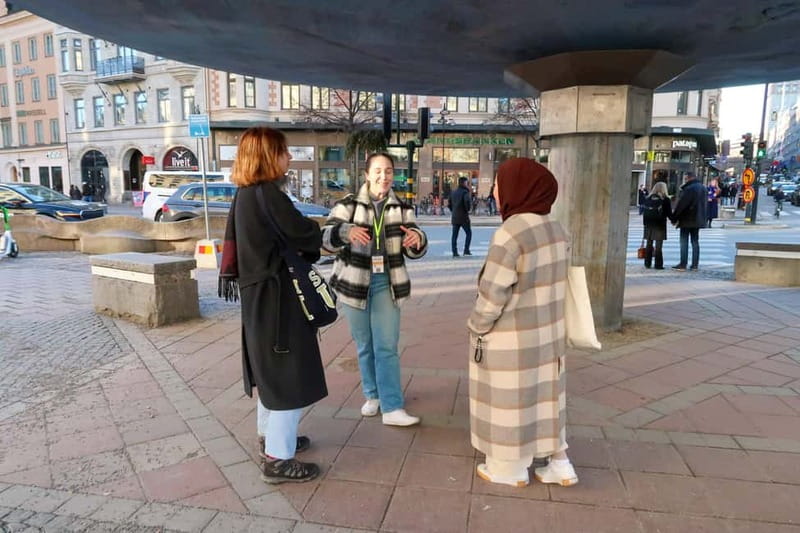
You meet under the raincover at Svampen, the mushroom-shaped landmark. It’s a great meeting point because it’s easy to spot, even if the weather changes quickly (and in Stockholm, it often does). Arrive 5 to 10 minutes early and look for the guide wearing a neon name-tag lanyard.
From the start, the tour signals a specific vibe: this isn’t just a list of sights. It’s a guided explanation of how Stockholm’s design and architecture evolved—so you’ll start learning what to watch for before you’ve even moved far.
Practical tip: bring a charged smartphone and a reusable water bottle. You’ll be outdoors enough that you’ll appreciate not having to hunt for refills between stops.
Stureplan and Stureplan’s Danish-Fashion-Era Energy
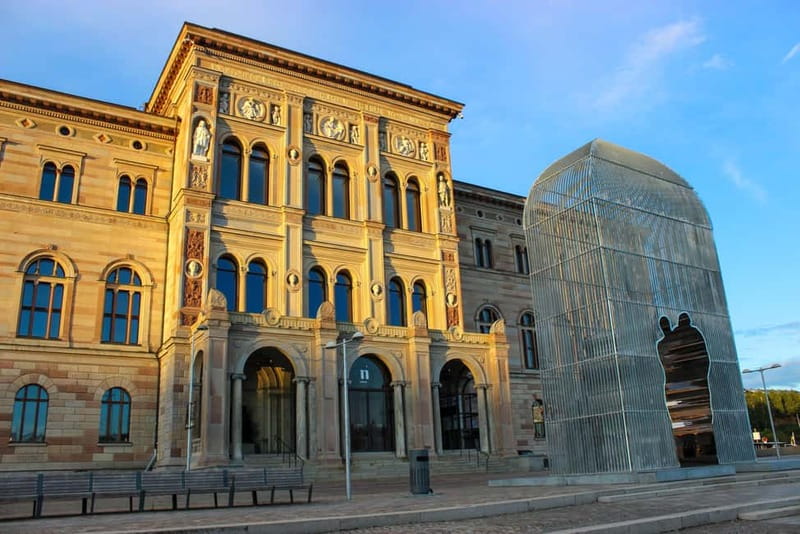
Your first real stop area is Stureplan, including a photo stop and a guided look at the architecture and the story behind the square. This is where Stockholm’s city life feels modern and current—so it works as an early “contrast” point against older building styles.
The tour also calls out Stureplan’s Danileuska Huset (spelling as listed by the tour). Even if you don’t study architecture back home, you’ll notice how buildings like this communicate status and taste through façade design. The guide’s job here is to help you interpret what you’re seeing: materials, details, and why certain styles took hold where they did.
For you, this section is about learning the visual language. If you walk away thinking, I can spot these eras on a façade now, that’s the win.
Östermalms Saluhallen: Food Market as a Design Moment
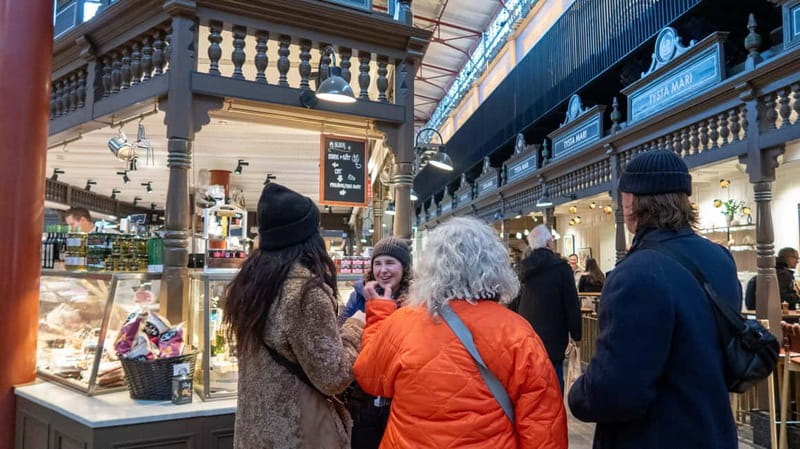
One of the most enjoyable parts is Östermalmshallen (Saluhallen), the food market hall stop. The schedule includes a photo stop, visit, guided tour, and time for shopping and local snacks. That sounds simple, but it’s actually smart. Food halls are where design becomes visible in everyday routines: layout, display style, and the way people move through the space.
You’ll also get a chance to experience regional food (at least as part of the hall visit). Even if you don’t buy anything, watching how this market functions tells you something about Stockholm culture—organized, curated, and still practical.
Possible drawback: if your goal is only architecture photos, this stop may feel like a detour. But that’s exactly why it’s memorable. It turns the design story into human scale.



Design Household Names: Nordiska Galleriet and Svenskt Tenn
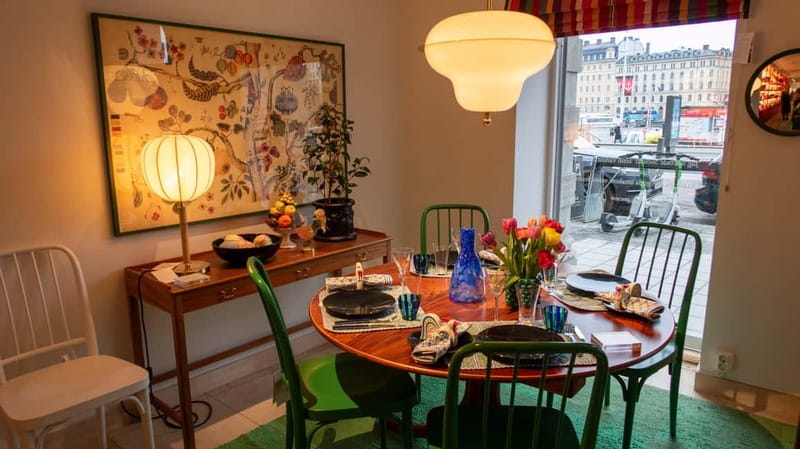
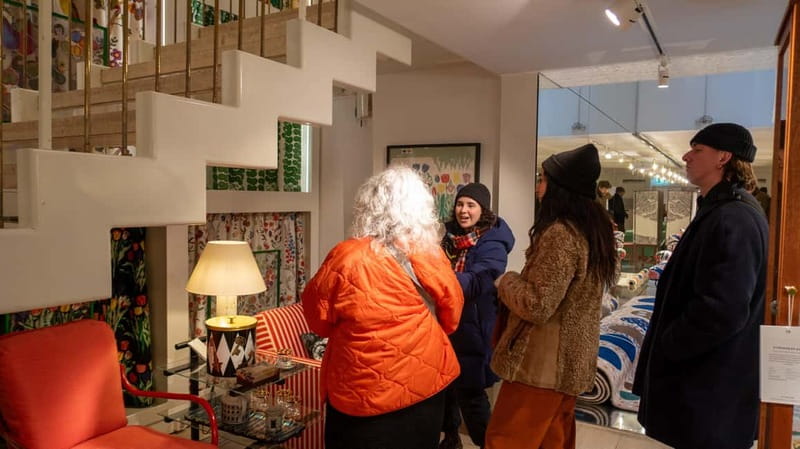
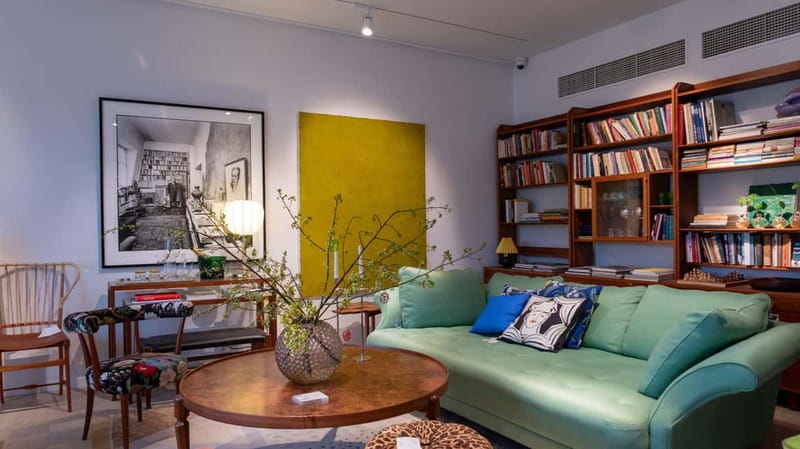
The included visits to two design-house shops are where the tour becomes more than sight-seeing. You’ll go into stores that represent key parts of Swedish design culture, including Nordiska Galleriet and Svenskt Tenn. These aren’t random shops. They’re the kind of places that help you understand why certain patterns, materials, and forms became symbols of Swedish taste.
Here’s how I’d use this stop: don’t try to buy everything. Instead, look for recurring themes. Ask yourself: Do I like the bold graphic look, the warm tones, the craftsmanship focus, the way objects feel functional and decorative at once? Your guide can help you connect what you’re seeing to the broader design legacy that influenced modern Swedish style.
This is also a great moment if you’re traveling with someone who likes shopping. It’s design shopping with context, not just browsing.
Strandvägen and Scenic Water-View Walks
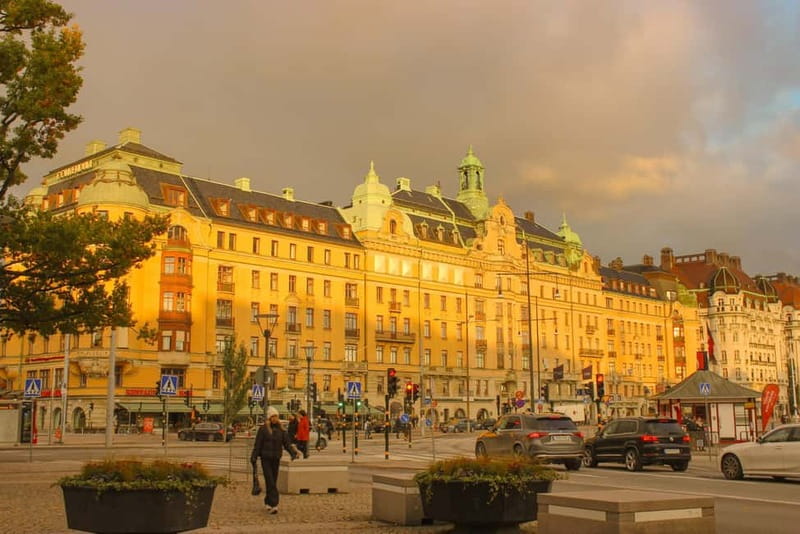
At Strandvägen, you get a shorter break time plus a photo stop and scenic views on the way. This is one of those Stockholm stretches where architecture and water create the postcard effect, and your guide helps you see how the urban plan supports that atmosphere.
You’ll likely enjoy this part if you like compositions: buildings lining the water, sky reflections, and the way street design frames views. It’s also useful for photos because the timing gives you a small window to stop without the group pressure of a long indoor museum queue.
Cultural Power Stops: Royal Dramatic Theatre and Royal Swedish Opera
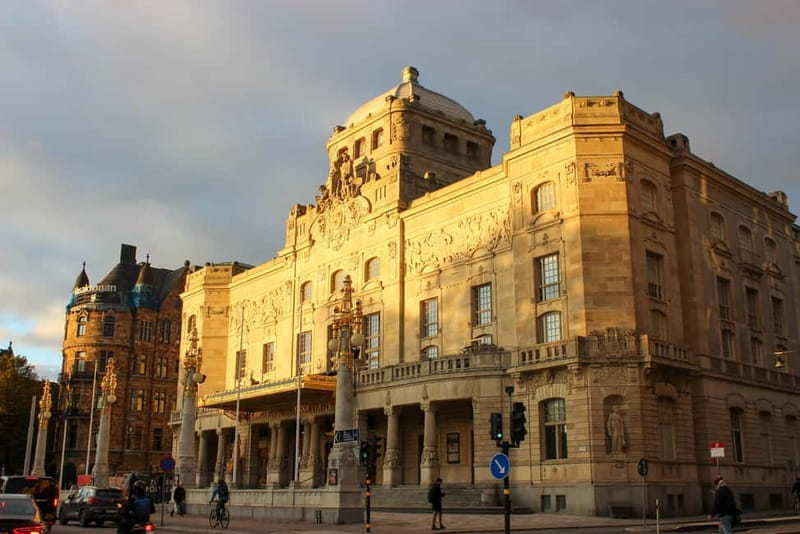
The tour includes photo stops and short guided looks around the Royal Dramatic Theatre and the Royal Swedish Opera. These aren’t random stops for architecture lovers—they show you Stockholm’s artistic identity in built form.
The reason this works is simple: theaters and opera houses tend to communicate big cultural values. They use design and grand entrance space to shape how you feel before you even sit down. Even from the outside, you can learn how architecture supports art culture—style, scale, and the performance of prestige.
If you’re a fan of Ingmar Bergman, the tour specifically points to the connection through the Royal Dramatic Theatre area. And if opera is more your thing, the Opera stop gives you the broader arts setting.
Kungsträdgården Park: Short, Sweet Reset Between Big Buildings
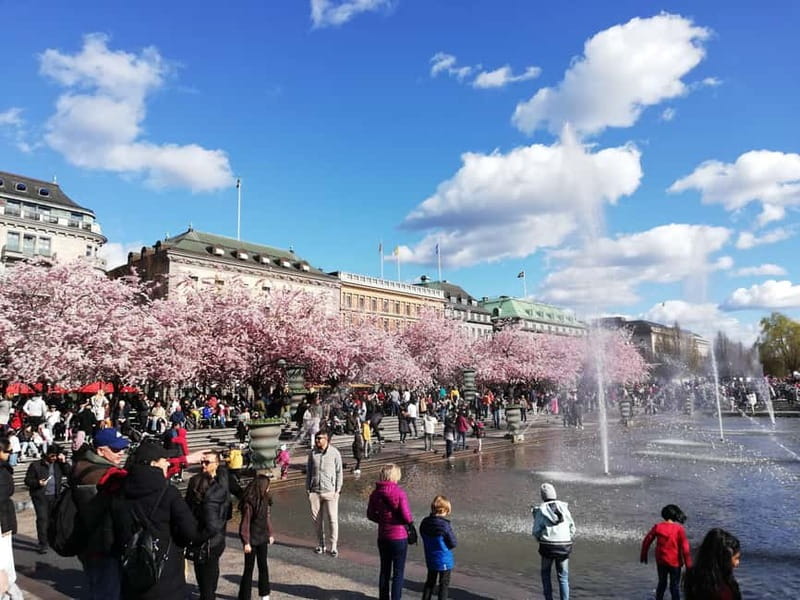
You’ll hit Kungsträdgården Park with a photo stop, visit, guided tour, and a brief walk. This is one of the best kinds of breaks: a green moment that still fits the tour theme. Parks change how you photograph and how you think—suddenly you notice proportions and spacing in a new way.
This stop also helps break up the intensity of building-focused sections. After enough façades and shop displays, you’ll appreciate a calmer few minutes where the city breathes.
If it’s rainy, the park segment can be a little less fun, but it’s brief enough that you won’t lose the whole mood.
St. Jacob’s Church, IKEA, and Subway Art: Stories You’ll Carry
The tour highlights additional design and architecture touchpoints such as St. Jacob’s Church, IKEA, and Subway Art. They may not all be long indoor stops on your schedule, but they matter because they broaden what you think of when you hear Scandinavian design.
This is where I think the tour gives good value: Swedish design isn’t only high-end galleries. It’s also the way public art appears, the way mass-market ideas show up in everyday life, and how even a major brand can become part of the design conversation. Your guide helps you connect the dots so you’re not just seeing names—you’re understanding the cultural role behind them.
Nationalmuseum Area Finale and the Sculpture Garden Finish
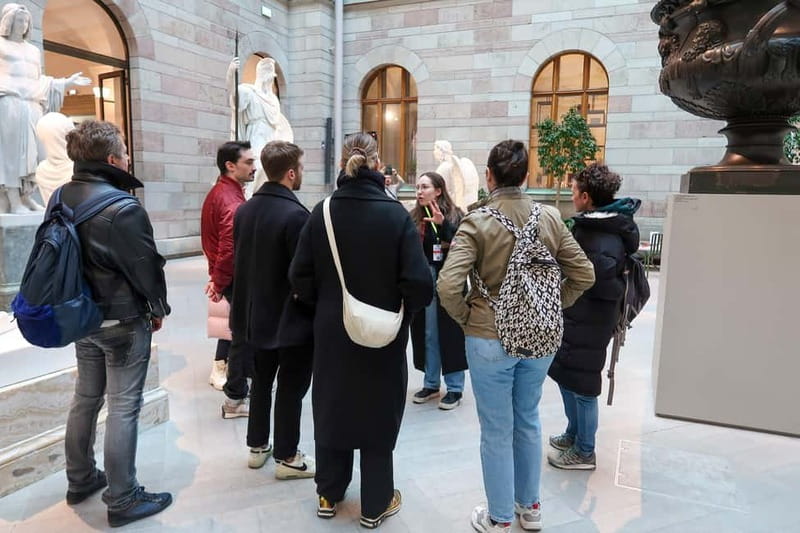
You finish at the National Museum area, with an included visit to the National Museum’s sculpture garden. Your day ends with photo opportunities and a short walk in the surrounding area, including a mention of sunset and scenic views on the way.
The sculpture garden is a smart closing choice. It gives you open-air art and design form in a way that feels calming after busy shopping and landmark stops. It also helps your brain synthesize what you’ve learned: architecture and objects are different mediums, but they share design logic—shape, proportion, and intention.
One note to double-check in your confirmation: the tour’s end details can read a bit differently depending on the info you see. The itinerary says the finish is at National Museum, while the meeting-point note mentions ending back at the meeting point. Either way, the National Museum area is clearly where the tour wraps up, so plan your timing around that.
Price and What You’re Really Paying For
At $66 per person, this tour isn’t cheap in the sense of a quick walking group. But you do get a lot packed into it: a local expert guide focused on art history, architecture, and Swedish design; visits to two major design-house shops; entry-type access via a separate entrance; a stop at a food market hall; and time in the Nationalmuseum sculpture garden area.
In practical value terms, you’re paying for interpretation. Stockholm can look beautiful from the outside, but that’s not the same as understanding why it looks that way. The guide’s job is to give you that context while keeping the route manageable and photo-friendly.
If you love design but feel overwhelmed by too many stops, this price makes sense because you get curated variety without spending your whole day jumping between disconnected places.
Who This Tour Suits Best (and Who Should Skip It)
This tour is ideal if you:
- enjoy architecture details and want a guide to help you read façades
- like Swedish design shopping when it comes with context
- want a first Stockholm intro that’s structured but not stiff
- appreciate short indoor/outdoor segments instead of all-day museum marathons
It may not be your best fit if you:
- want long stays inside multiple museums
- prefer a slow pace with lots of free time to wander without guidance
- are only interested in one narrow category (like only churches, only modern design, or only museums)
The Guide Factor: Q&A Energy Matters
One of the standout themes from past experiences is how well the guide engages with questions. Guides like Olesia and Franky were praised for being friendly, clear, and responsive. That matters because this kind of tour only works when you can ask, Why did they do it that way? or What should I look for on that façade?
There’s also evidence of smooth handling when a planned guide setup changes—such as a language substitution scenario—so the tour keeps its flow instead of stalling. For you, that means a steadier experience, even if the unexpected happens.
Should You Book This Stockholm Architecture & Design Tour?
If you’re visiting Stockholm for the first time and want a smart snapshot of Östermalm’s architecture and design culture, I’d book it. It’s a focused route with stops that actually match the theme: market hall life, design-house storefronts, arts landmarks, and a final art moment at the Nationalmuseum sculpture garden.
I’d say especially yes if you love pictures and explanations. You’ll come home with photos, but more importantly, you’ll know what those photos are showing you.
If you’re already a design super-fan with deep museum plans, consider booking this as your “set the baseline” day—then build in extra time where you personally want more.
FAQ
How long is the Stockholm Scandinavian Architecture & Design Östermalm tour?
The tour lasts 3 hours.
How much does the tour cost?
The price is $66 per person.
What group size should I expect?
It’s a small group limited to 10 participants.
Is the tour in English?
Yes, the live tour guide offers the experience in English.
Where do I meet the guide?
You meet at Svampen under the raincover (the mushroom-looking structure). Arrive 5 to 10 minutes early.
What’s included in the tour?
You get a local expert guide, visits to 2 design household-name shops, a visit to Östermalm’s food market hall, and a visit to the National Museum sculpture garden.
Does it include skipping the line?
Yes, there’s skip-the-line access through a separate entrance.
What should I bring and wear?
Wear comfortable shoes. Bring weather gear like an umbrella and rain protection, plus items like sunglasses and sunscreen. Also bring a charged smartphone and a reusable water bottle.
What is not allowed during the tour?
The tour does not allow flash photography, tripods, video recording, alcohol and drugs, strong fragrances, luggage or large bags, and weapons/sharp objects.
Is there free cancellation or flexible booking?
Yes. There’s free cancellation up to 24 hours in advance for a full refund, and you can reserve now & pay later.
If you want, tell me your travel dates and what kind of design you like (modern furniture, graphic patterns, historic buildings, or museums), and I’ll suggest how to pair this tour with the best extra time in Stockholm.