REVIEW · STOCKHOLM
Scandinavian Art, Architecture and Design Tour in Stockholm
Book on Viator →Operated by XperienceSthlm · Bookable on Viator
Old buildings that explain why things look like this.
This Stockholm design and architecture tour mixes famous streets with places you can actually feel in real life—especially the Östermalm design lanes and the 19th-century food hall at Saluhall. I like how the stories connect design choices to where they came from, not just what’s pretty. One possible drawback: it moves fast enough to keep momentum, so it’s more of a great orientation than a full-on museum day.
The pace works well if you want a strong first impression before you start roaming on your own. The tour runs about 3 hours and keeps the group small, so questions don’t get lost in the crowd. You’ll also get time to step into design shops, which makes this feel practical, not purely scenic.
In This Review
- Key highlights at a glance
- Starting in Svampen at Stureplan: get oriented fast
- Östermalm’s design streets: Stureplan to Strandvägen
- What to look for on this stretch
- The small catch
- Stureplan to the food hall: Östermalms Saluhall, architecture you can taste
- Drawback to consider
- The upholstery-house stop: where Swedish comfort meets branding
- Make it work for you
- Kungliga Dramatiska Teatern: Art Nouveau drama in real stone and steel
- Possible consideration
- Kungsträdgården: parks, Gothics, Baroque, and falu red
- Why this stop adds value
- The Royal Swedish Opera: a local Phantom story
- Keep your expectations realistic
- Skeppsholmen: postcard views and museum choices
- Practical tip
- Price and value: what $61.62 buys you in Stockholm
- Who this is best for
- Who might prefer something else
- The best part: stories that connect design to daily life
- Should you book the Scandinavian Art, Architecture and Design tour in Stockholm?
- FAQ
- How long is the Scandinavian Art, Architecture and Design Tour in Stockholm?
- How much does the tour cost?
- What language is the tour offered in?
- Where does the tour start and end?
- Is this tour in a small group?
- What tickets are included?
Key highlights at a glance
- Östermalm’s design addresses: Stureplan, Linnégatan, Nybrogatan, and Strandvägen in one route
- Östermalms Saluhall: architectural landmark plus classic Swedish bites
- Art Nouveau landmark stop: Kungliga Dramatiska Teatern tied to Swedish screen legends
- Kungsträdgården + falu red origins: how Swedish color identity shows up in built culture
- Opera talk with a Stockholm twist: the Phantom story, local style
- Skeppsholmen museum views: Old Town sightlines and major art institutions
Starting in Svampen at Stureplan: get oriented fast
The tour begins at Svampen by Stureplan in Östermalm, a good choice because it’s right in the middle of the city’s design-and-style energy. From step one, you’re primed to notice details: window proportions, doorframes, ironwork, and the way buildings and streetspeople are used together. Stockholm can feel orderly at a glance, but this kind of walking route trains your eye quickly.
What I love here is the way the guide sets up cause-and-effect. Instead of listing names like a phone book, you get the why behind the look. That matters because Swedish design doesn’t just happen. It’s shaped by taste trends, social class, and practical life—then carried forward (or reinterpreted) over decades.
You’ll be on foot for the whole experience, so wear shoes that don’t hate wet sidewalks. And since the tour depends on decent weather, bring a light rain layer even in months when you’d normally skip it.
You can also read our reviews of more tours and experiences in Stockholm.



Östermalm’s design streets: Stureplan to Strandvägen
Östermalm is where Stockholm shows off its polished side. This section of the walk focuses on streets famous for Swedish design, upholstery, and historic antique houses—exactly the sort of neighborhood where you can read “style” right off the facades.
You’ll pass along Stureplan, Linnégatan, Nybrogatan, and Strandvägen, and that’s a smart route because each street has a slightly different vibe. The guide ties them together with stories about legacy and historical context, so the area stops feeling like a trendy photo spot and starts feeling like a living timeline.
What to look for on this stretch
- Architectural “handwriting” in balconies and window rhythm
- Upholstery culture hinted in shopfronts and building uses
- The subtle class cues in entrances and streetscape layout
The small catch
This is a walking-and-looking part of the tour, so if you’re hoping for long interior stops in this segment, you won’t get it. The payoff is your eye gets trained—and then the next stops reward that attention.
Stureplan to the food hall: Östermalms Saluhall, architecture you can taste
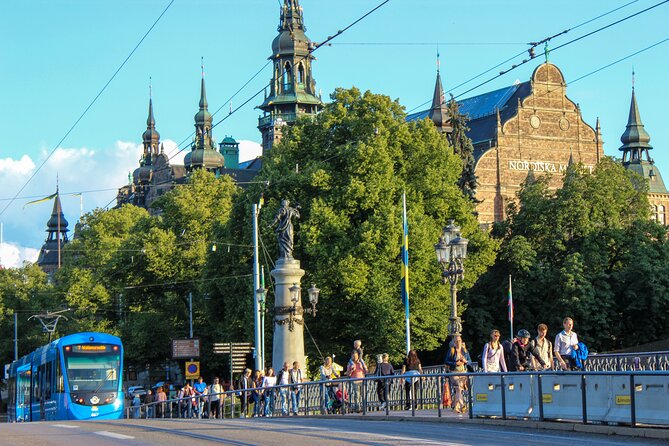
Next comes Östermalms Saluhall, one of the city’s greatest food halls, and it’s also an architectural landmark dating back to the 19th century. The best part is that you don’t just stand outside and admire. You walk through the market so you can experience the food culture in the same space that reflects the building’s design history.
This stop is short—about 30 minutes—but it’s designed to give you sensory context. You’ll connect the architecture to daily life: how people move, how stalls are arranged, and how the building supports a marketplace atmosphere. It’s a strong reminder that design isn’t only for furniture stores; it’s for public spaces too.
Since a ticket is included, you’re not stuck trying to translate menus fast in the middle of your first day. Instead, you can focus on what’s typically Swedish and see what feels worth repeating later when you have more time.



Drawback to consider
Food halls are fast and busy by nature. If you want a slow, seated meal, this won’t be that. Think of it as a design-and-culture sampler that keeps you moving.
The upholstery-house stop: where Swedish comfort meets branding
Between the major landmarks, there’s a stop designed around one of Stockholm’s famous upholstery household names. The goal is to show how design identity connects to VIP life—what people choose for comfort, how style becomes reputation, and how a “house name” shapes what the city thinks looks good.
I like this part because it bridges the gap between architecture watching and actual product culture. You start seeing how the same aesthetics pop up in interiors, textiles, and the furniture choices people make at home. Even if you don’t buy anything, you learn what the Swedish design world wants you to notice.
Make it work for you
If you’re the type who loves to browse, use this time. Step back and look at the overall presentation: color choices, fabric textures, and how styles are grouped. Those are design decisions too, just in retail form.
Kungliga Dramatiska Teatern: Art Nouveau drama in real stone and steel
The tour then points you to Kungliga Dramatiska Teatern, a landmark of the Art Nouveau period. Despite the Art Nouveau connection, it dates back to the 18th century, which is a fun reminder that buildings often carry multiple layers of time rather than matching one “label.”
This is a great stop for visual learners. You can spot the expressive flourishes that make Art Nouveau feel like it’s trying to breathe. The guide also connects the theater to Swedish cultural history, mentioning major stars such as Greta Garbo and Ingrid Bergman (from Casablanca). That detail matters because it turns an exterior building into a story you can carry around Stockholm.
The stop is brief—about 15 minutes—so you won’t get a full lecture, but you’ll leave with a clear mental image of what to look for.
Possible consideration
If you’re theater-obsessed and want interior views or a deeper timeline, you’ll likely want to add your own follow-up later. This stop is about recognition and context, not long immersion.
Kungsträdgården: parks, Gothics, Baroque, and falu red
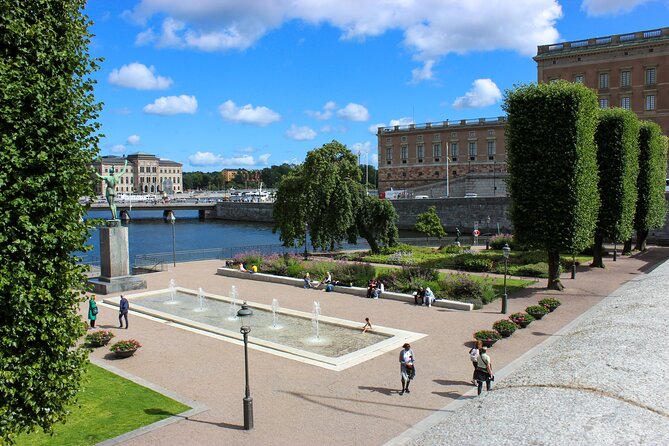
Next is Kungsträdgården, a park stop that keeps Stockholm human-sized. The big theme here is the role of green spaces in the city’s urban landscape, and how Swedish architectural phases show up around them—starting from earlier origins in the 15th century and moving through reinventions.
What I find especially useful is the way the guide talks about architectural “phases” without making it feel like a textbook. You learn to spot how styles shift over time and how the park becomes a kind of stage for that change.
There’s also a very specific detail worth remembering: the origins of Sweden’s iconic falu red paint. Even if you don’t paint anything in your trip, knowing this helps you read the city. You start noticing red tones that don’t look accidental, the way they harmonize with wood, weather, and Scandinavian light.
Why this stop adds value
A design tour can sometimes turn into straight lines and facades. This one restores balance. When you pause in a park, your brain gets a reset, and you’ll be better at noticing patterns on the next segments.
The Royal Swedish Opera: a local Phantom story
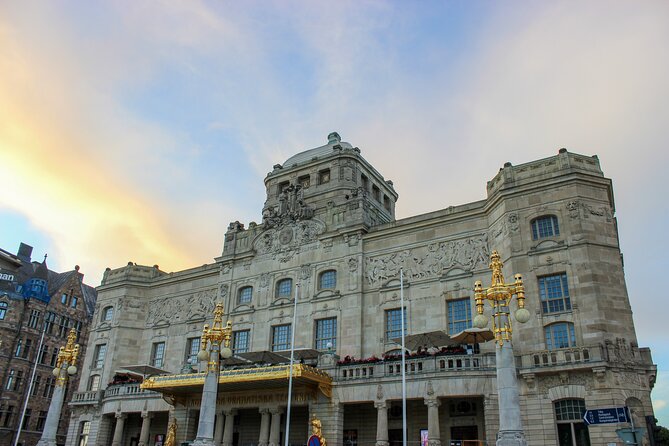
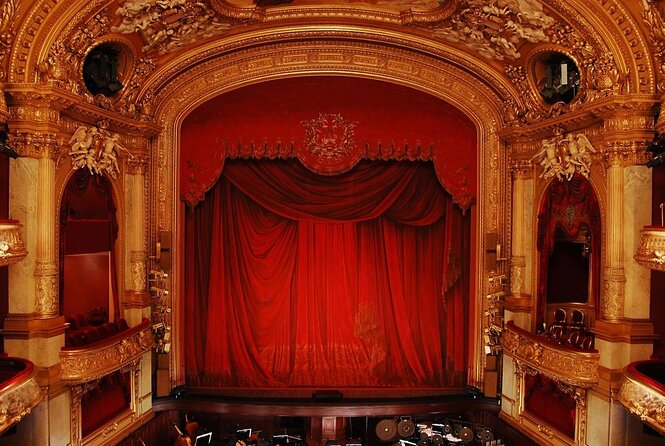
After the garden, you’ll move to the Royal Swedish Opera, tied to the late 19th century. The tour frames this stop with a “true Phantom of the Opera” story—Stockholm style. Even without going full gothic, it’s a clever way to connect architecture to storytelling and public imagination.
This stop works well if you like cultural myths, because the guide treats the building like more than a backdrop. You learn how major performance spaces become symbols, and how people connect emotion to design—through sound, light, and the feeling of grandeur.
Keep your expectations realistic
This is still part of a walking tour. So think of it as setting a mood and adding context, not as a full backstage experience or long interior visit.
Skeppsholmen: postcard views and museum choices
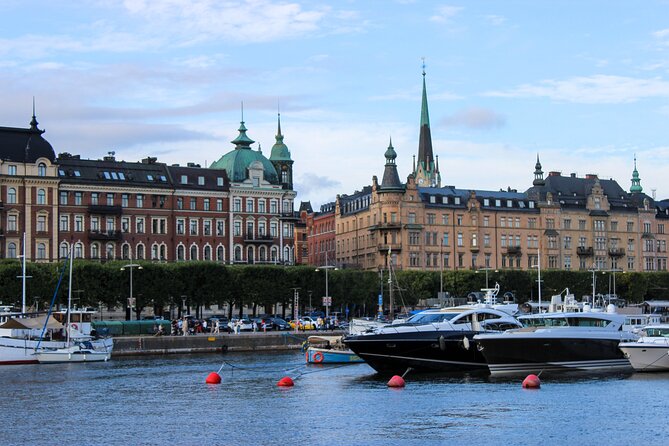
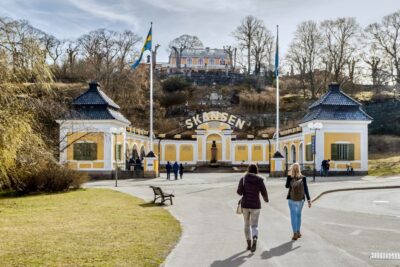
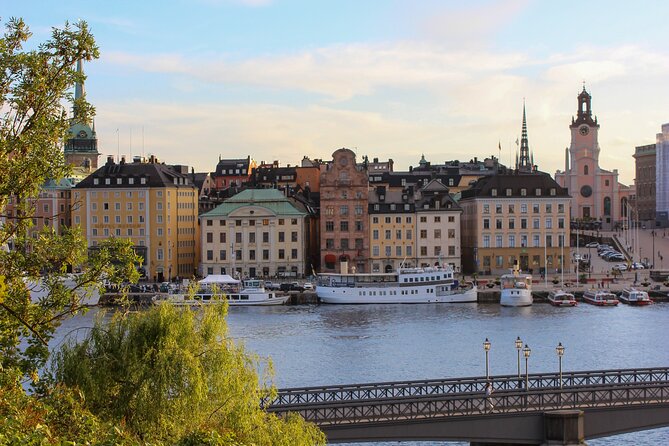
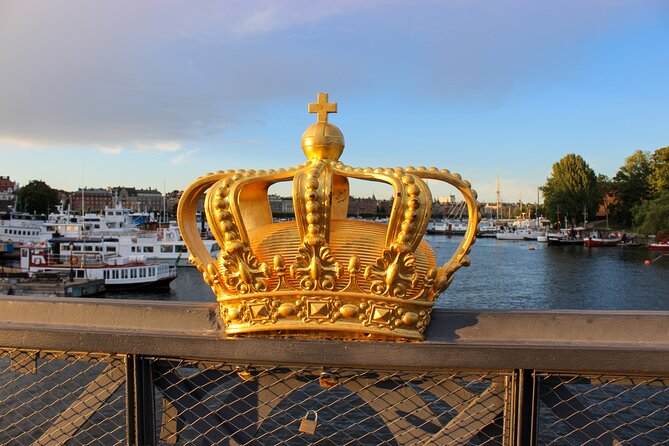
The tour’s final stretch heads to Skeppsholmen, one of the prettiest islands in central Stockholm. Here you get the money view of the city’s Old Town, and the island also connects to major Swedish art museums, including Nationalmuseum, Moderna, and ArkDes.
This stop is where everything clicks. You’ve learned how design connects to history, social life, public spaces, and retail culture. Then you finish with the kind of place that Stockholm reserves for art and institutions—where architecture becomes a container for culture.
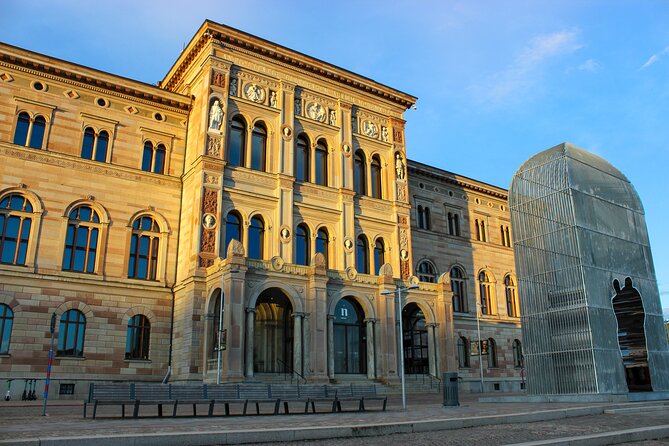
It’s also strategically placed because the tour ends outside Nationalmuseum at Södra Blasieholmshamnen 2. That means you can keep going right away if you want. Even if you don’t go inside, standing there gives you a clean end point to re-map your route.
Practical tip
Skeppsholmen is scenic, which means it can be popular. If you want photos without stress, plan to take them right when you arrive before you head into browsing or onward travel.
Price and value: what $61.62 buys you in Stockholm
The price is $61.62 per person for about 3 hours. For Stockholm, that’s the sweet spot for travelers who want a guided structure without committing to a full day.
Here’s where the value shows up:
- You get a tight route across multiple design zones (not just one neighborhood)
- Several stops are free (so you’re not paying entrance fees at every turn)
- Östermalms Saluhall is included with a ticket, so you’re already set up for a meaningful cultural break
- You get access to design shops, which can be the difference between “I saw it” and “I understood it”
Also, the group size is capped at 10 travelers, which keeps the tone from feeling like a cattle call. That matters when you want questions about why certain styles appeared when they did.
Who this is best for
- First-timers who want fast direction for later self-guided exploring
- Design lovers who also enjoy the social side of architecture
- People who like short, story-driven stops instead of hour-long museum lectures
Who might prefer something else
If you want deep interior access everywhere or a full museum itinerary, this tour won’t replace a museum day. It’s designed as orientation plus memorable highlights.
The best part: stories that connect design to daily life
Across the experience, the strongest impression is how the guide uses personality and detail. The tone tends to feel engaging and intimate, especially because the group stays small. That makes it easier to ask practical questions, not just listen politely.
Another standout is balance: the tour doesn’t hog all the time. You get moments to explore on your own in design shops, which is where you’ll notice what you actually like—fabrics, objects, colors—without feeling rushed by a group schedule.
If you’re the type who likes to start a trip with a “why,” this tour is a strong opener. It gives you a mental map of what to look for as you wander the rest of Stockholm.
Should you book the Scandinavian Art, Architecture and Design tour in Stockholm?
Yes, if you want a smooth first taste of Stockholm’s design world. This is one of those rare combinations where you get famous architecture, practical city orientation, and a real connection to design culture through places like Östermalms Saluhall and design shops.
I’d skip it only if you prefer long museum hours or you want a very slow, highly academic timeline. This is built for motion and recognition. You leave knowing what to hunt for on your own—and where Stockholm’s design style comes from.
FAQ
How long is the Scandinavian Art, Architecture and Design Tour in Stockholm?
It runs for about 3 hours.
How much does the tour cost?
The price is $61.62 per person.
What language is the tour offered in?
The tour is offered in English.
Where does the tour start and end?
It starts at Svampen, Stureplan, Östermalm, Stockholm, and ends in front of the Nationalmuseum at Södra Blasieholmshamnen 2.
Is this tour in a small group?
Yes. The maximum group size is 10 travelers.
What tickets are included?
Östermalms Saluhall is included with admission ticket access, while other stops listed on the route are free.