REVIEW · STOCKHOLM
Magical “Stockholm by Night” Photo Walk
Book on Viator →Operated by JP Photo · Bookable on Viator
Night turns Stockholm into a photo lab. On this Stockholm by Night photo walk, I especially love the low-light coaching and long exposure practice that helps you capture car and train light trails as the city lights wake up. The main trade-off: low light can be tough, and you’ll get sharper results if you bring a tripod.
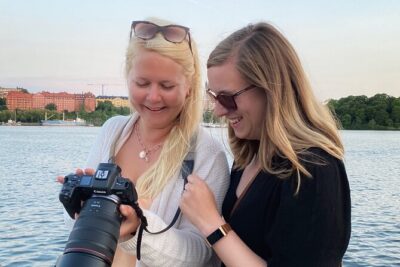
I also like the way the guide keeps things practical for your gear, whether you shoot with a camera or a phone. You get a tailor-made route that’s adapted to your experience level and interests, plus flashlights to keep you moving safely after dark.
If you want a short, focused night session that ends with real next steps, this is a nice deal: snacks of traditional Swedish fika are included, and you’ll receive an eBook about city photography after the walk.
In This Review
- Key highlights at a glance
- Why Stockholm by night is the right classroom
- The 2-hour format: just enough time, not too much wandering
- Stop 1: Old Town photos when the light is still transitioning
- Stop 2: Riddarholmen and what it teaches about exposure control
- Stop 3: Mariaberget for experimenting with composition at night
- Stop 4: Stockholm City Hall and the payoff of patient shooting
- Low-light and long-exposure techniques you’ll practice for real
- Long exposure: turn motion into trails
- Low light: prioritize stability and steadiness
- Composition: use the city lights, not just the streets
- Tripod talk: bring one if you want the cleanest results
- Flashlights, fika, and why breaks matter at night
- Price and value: what you’re really paying for
- English, mobile tickets, and gear flexibility
- Who should book this photo walk (and who might skip)
- Should you book Stockholm by Night Photo Walk?
- FAQ
- How long is the Stockholm by Night photo walk?
- Where does the tour start?
- Does it end at the same place?
- What is the price per person?
- Is the tour private?
- What language is the tour offered in?
- Do I need to bring a tripod?
- Is a phone allowed, or do I need a camera?
- What’s included in the tour?
- What happens if the weather is bad or I cancel?
Key highlights at a glance
- Dusk timing that actually matters: You start just after sunset, when lights begin to take over.
- Long-exposure light trail practice: Cars and trains become glowing streaks.
- Tripod-friendly guidance: The walk is set up for difficult light, with tripod results worth aiming for.
- Route adapted to your level: You’re not stuck with one fixed shot list.
- Fika break built into the experience: Coffee and a cinnamon bun keep the energy up.
Why Stockholm by night is the right classroom
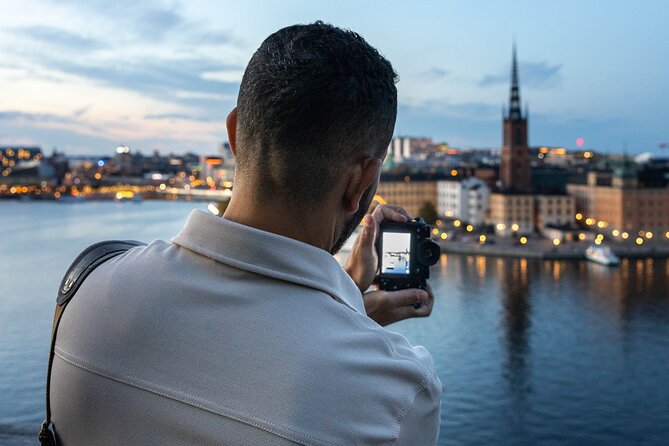
Stockholm after dark is a great place to learn photography because the scene changes fast. Right after sunset, the light isn’t only gone—it’s shifting. You get that sweet window where the sky still has some depth, and then city lights take over.
That timing is exactly what this photo walk is built around. Instead of waiting for total darkness and hoping for miracles, you work in the moment when lights are appearing and reflections and glow start to show up. The guide focuses on how to use that changing light, not just document it.
You’ll also learn one of the most fun night techniques—long exposure. The idea is simple: keep the shutter open long enough that moving light shows up as trails. In a city like Stockholm, cars and trains give you instant, visible motion to work with. That turns a technical lesson into something creative and satisfying.
You can also read our reviews of more walking tours in Stockholm
The 2-hour format: just enough time, not too much wandering
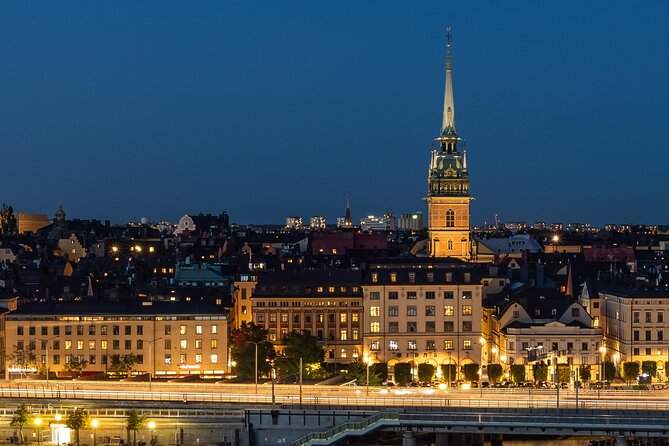
This walk runs about two hours, and it’s designed to feel efficient. Night photography can be slow at first—checking settings, trying framing, then waiting for the shot to register. A shorter schedule keeps you from burning the whole evening on setup.
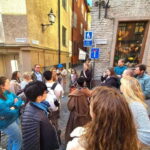
You also start and finish at the same meeting point, back at Stockholm City Museum in Ryssgården (Ryssgården, 116 46 Stockholm). That matters because you can focus on photographing instead of spending half the night figuring out transit logistics.
Because it’s a private experience, only your group participates. Practically, that often means the guide can spend more time on your questions—especially if you’re new to night shooting or if you’re trying to use an iPhone or other mobile phone for low light.
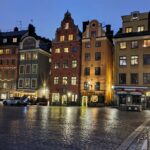
Stop 1: Old Town photos when the light is still transitioning
Old Town is where many cities teach you fundamentals quickly—narrower streets, nearby surfaces, and lots of human-scale detail. On a night walk like this, the real lesson isn’t copying a postcard. It’s learning how to build a frame when the light level drops.
I like that the tour starts at the Stockholm Old Town stop right near the beginning of the evening window. That gives you time to settle in while light is still cooperating. You’ll have a chance to:
- get your exposure thinking started before it gets pitch dark
- practice holding steady for longer exposures
- learn how to compose with the city lights, not just in spite of them
A possible drawback here is that if you show up without any stabilization plan, your early attempts might feel frustrating. Night shots amplify camera shake. Even if you can get something, it might not look sharp.
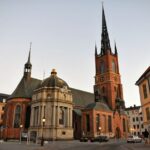
Stop 2: Riddarholmen and what it teaches about exposure control
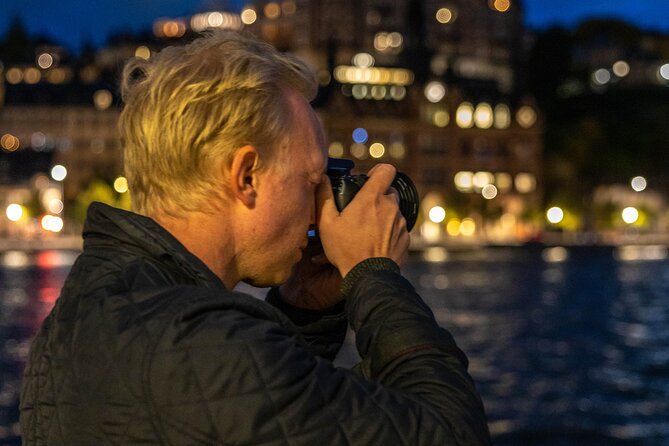
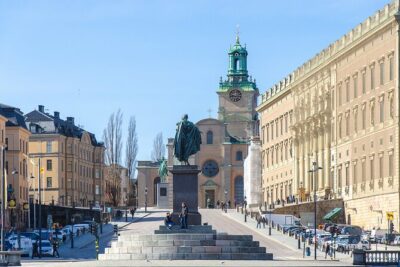
The Riddarholmen stop is a good mid-walk challenge. By then, the city lights are more dominant, and your photos need clearer decisions: what to expose for, and what to let fall a little darker.
This is where you’ll understand that low-light photography isn’t only about brightness. It’s about balance. You’re learning to control:
- how bright sources (lights) look in the frame
- how dark areas hold detail—or become silhouettes
- how long exposure affects motion, especially from street activity
If you’re using a mobile phone, the guide’s instruction helps you think in terms of night mode limits and steadiness. If you’re using a camera, you’ll likely lean into longer shutter times for that signature light trail effect.
Stop 3: Mariaberget for experimenting with composition at night
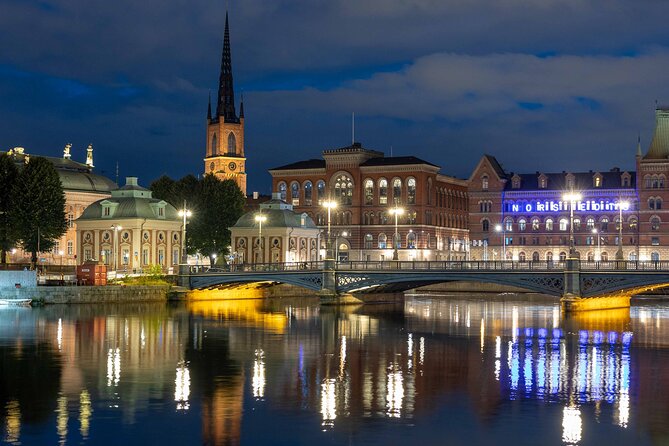
At Mariaberget, you’re set up to try framing in a different way. Night photography is often about perspective: where you place the brightest points relative to darker areas.
I like how the route keeps changing stops instead of looping the same scenery. That forces you to practice the skill, not just memorize one viewpoint. You’ll get more chances to:
- place a main light source in your composition
- use darkness as a backdrop
- test whether your settings are giving you the look you want (glow, trails, or sharper points)
One practical note: since this is happening after sunset, you’ll likely be moving with your eyes on both the camera screen and the world around you. Flashlights are included for a reason, and you’ll want to use them when you need to.
You can also read our reviews of more evening experiences in Stockholm

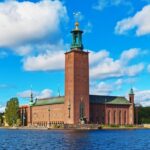
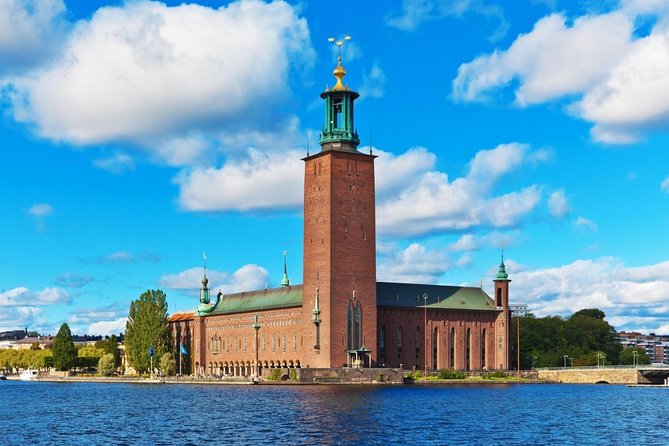
Stop 4: Stockholm City Hall and the payoff of patient shooting
The final stop is Stockholm City Hall. This is a strong close because you have enough time during the walk to apply what you learned earlier—especially long exposure.
By the time you reach the last area, you’re usually more comfortable with the basic rhythm: set up, steady the shot, wait, check, and adjust. That’s when night photography starts to click. The goal isn’t one perfect frame. It’s getting consistent results with your technique.
Also, for long exposure light trails, you need a little patience. Car and train motion only helps if you time the shot and keep the camera stable for the duration. This is the stage where the earlier coaching pays off.
Low-light and long-exposure techniques you’ll practice for real
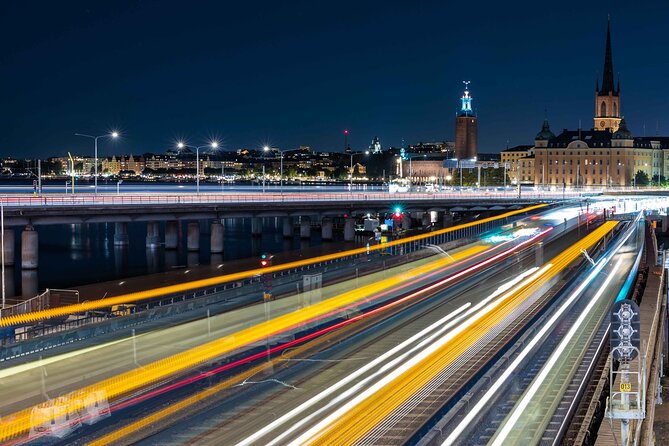
The walk’s core promise is learning how to master low light and create outstanding night photos. Here’s what that means in plain terms on a guided shoot:
Long exposure: turn motion into trails
You’ll practice using long exposure to capture motion. The classic effect is light trails from cars and trains. The “magic” is mostly technique. Longer shutter times record movement as streaks, while the rest of the scene stays calmer.
The guide’s job is to help you understand what long exposure will do before you waste too many tries. That saves time and frustration.
Low light: prioritize stability and steadiness
Night makes everything harder because light is scarce. That means you often need either longer exposures or higher ISO. Both can expose weaknesses like hand shake or blurry focusing.
That’s why the guide recommends a tripod. It’s not about being fancy. It’s about giving your camera the best chance to record crisp details and clean light trails.
Composition: use the city lights, not just the streets
Even if you nail exposure, a photo can still feel flat. At night, lights can become leading lines, borders, and focal points. You’ll learn ways to arrange the brightest elements in your frame so your photo tells a story instead of looking like a dark snapshot with a few bright dots.
Tripod talk: bring one if you want the cleanest results
The tour strongly recommends bringing a tripod due to difficult light conditions. Tripods are also one of the simplest ways to improve your keeper rate. Long exposure magnifies everything—any shake you’d normally miss becomes a blur.
That said, you can join without one. The walk welcomes cameras and even mobile phones. If you’re going tripod-free, you can still get good results, but you’ll need to be extra careful with stabilization—slow movements, steady stance, and thoughtful framing.
If you’re using a phone, steadiness is even more important because you’re relying on a smaller device that can show shake more easily. The included flashlights help you keep control while you position and shoot.
Flashlights, fika, and why breaks matter at night
Night photography isn’t only technical—it’s also physical. Dark streets, constant repositioning, and checking screens can drain you fast.
This is why I like that traditional Swedish fika is included. Coffee and a cinnamon bun aren’t just a treat; they’re a reset. You get a short pause to charge your mind and your phone (if needed), and then you head back out with better focus.
Flashlights included also make the walk feel smoother. You’re not improvising gear while you should be learning technique.
Price and value: what you’re really paying for
The price is $159.07 per person for about two hours. That sounds straightforward, but the value comes from what’s included:
- A professional photographer & guide (that coaching is the whole point)
- Guidance designed for low light and long exposure, not generic sightseeing
- Flashlights for night movement
- A route tailored to your experience level and interests
- Local insight into Stockholm and Swedish culture
- Traditional Swedish fika
- An eBook about city photography after the tour
When you compare that to buying gear lessons separately, or doing a solo photo walk with trial-and-error, the guide time and technique focus can be worth it fast. Also, the private format means you’re not competing with a big group for attention.
One extra factor: the walk is on 30-day average advance booking. That suggests it’s popular, and you’re more likely to get the date you want if you book early.
English, mobile tickets, and gear flexibility
The experience is offered in English, and you get a mobile ticket. The good news for practical planners: you don’t need to own a specific camera model.
A key selling point is that you’re welcome with your camera or even a mobile phone. That’s important because night photography skills translate across devices: composition, steadiness, and knowing how to work with available light.
Most people can participate, and service animals are allowed. The route is also near public transportation, which helps if you’re combining this with other Stockholm plans.
Who should book this photo walk (and who might skip)
This is a great match if:
- you want real night photography instruction, not just a scenic stroll
- you want to learn long exposure for light trails
- you’re using a phone and want practical help in low light
- you like short, focused tours that end with takeaway learning (the eBook)
It might not be the best fit if:
- you only want daytime photography and aren’t interested in experimenting after sunset
- you hate carrying extra gear (a tripod is optional but strongly encouraged)
- you’re hoping for detailed indoor museum time, since the emphasis is outdoor night shooting
Should you book Stockholm by Night Photo Walk?
I’d book it if your goal is to leave Stockholm with usable night photos and a better technique set. The biggest value is the combination of dusk timing, long-exposure practice, and guided feedback. The fika break keeps it human, and the after-tour eBook gives you something to work on the next time you’re shooting at night.
If you’re on the fence, here’s the decision rule I’d use: if you’re willing to try a tripod (or steady yourself carefully without one) and you want guided learning, this is a strong choice. If you just want casual photos with no desire to learn settings or long exposure, you may find it less satisfying.
FAQ
How long is the Stockholm by Night photo walk?
It lasts about 2 hours.
Where does the tour start?
The meeting point is Stockholm City Museum, Ryssgården, 116 46 Stockholm, Sweden.
Does it end at the same place?
Yes, it ends back at the meeting point.
What is the price per person?
The price is $159.07 per person.
Is the tour private?
Yes. It’s a private experience, and only your group participates.
What language is the tour offered in?
The tour is offered in English.
Do I need to bring a tripod?
A tripod is recommended because of difficult light conditions, but it’s optional.
Is a phone allowed, or do I need a camera?
You can join with your camera or even a mobile phone.
What’s included in the tour?
Included are guidance by a professional photographer & guide, flashlights, a traditional Swedish fika snack, local insight into Stockholm and Swedish culture, a tailor-made route adapted to your experience level and interests, and an eBook about city photography after the tour.
What happens if the weather is bad or I cancel?
The experience requires good weather. If it’s canceled due to poor weather, you’ll be offered a different date or a full refund. You can cancel for a full refund up to 24 hours in advance of the experience’s start time.