REVIEW · STOCKHOLM
Stockholm: Sunset Hike in Tyresta National Park with Meal
Book on Viator →Operated by Stockholm Nature AB · Bookable on Viator
Dark woods turn Stockholm into a slow dream.
This sunset hike in Tyresta National Park is timed for dusk and then the quiet after dark, so you get forest sounds you won’t hear during daytime sightseeing. Two big reasons I like it are the small-group feel and the fact that you’re actually walking an area that feels wild, not a groomed theme trail.
I especially like the food setup. You get Swedish fika with coffee or tea and pastries, then a real warm meal halfway through (summer midsummer-style, winter soup). One drawback to factor in: this is an outdoor walk with some uneven ground and short uphill sections, and it ends later when it’s fully dark.
In This Review
- Key Takeaways Before You Go
- Why Tyresta After Dusk Feels Like a Different Sweden
- Getting There: The Easy Bus Ride and the Meeting Point You Should Find First
- The Walk in Tyresta: Forest Trails, Granite Cliffs, and Those Off-Path Detours
- The Lakeside Break: Swedish Fika Plus a Warm Meal in One Calm 30 Minutes
- After Dark: What Night Hiking Adds (and What to Expect When the Sunset Has Passed)
- Guides Make the Difference: From Sofia to Francisco to Leo
- Price and Value: Is It Worth $149.15?
- Packing Tips That Actually Matter in Tyresta
- Who Should Book This Evening Hike (and Who Should Consider Another Option)
- Should You Book This Sunset Hike in Tyresta National Park?
- FAQ
- How long is the Tyresta sunset hike experience?
- Where do I meet for the tour?
- Is the tour guided, and is it in English?
- How far will I hike?
- What food is included during the hike?
- Is drinking water included?
- Are there any age or fitness limits?
- How big is the group?
- What should I wear or bring for night hiking in the forest?
- What happens if weather is bad?
Key Takeaways Before You Go
- Night hiking in a real national park: You’ll trade city lights for deep forest quiet.
- Small group attention: A guide keeps the pace comfortable and helps you stay oriented.
- Fika plus a warm meal: Coffee/tea and pastries, then a seated lakeside break with food.
- Off-trail moments (with supervision): You may leave marked paths briefly for better views and nature details.
- Bring protection and good footwear: High grass can mean bugs and possible ticks, and the ground is uneven.
- You finish at the start point: The tour returns you to central Stockholm, but you’ll handle any onward connection.
Why Tyresta After Dusk Feels Like a Different Sweden
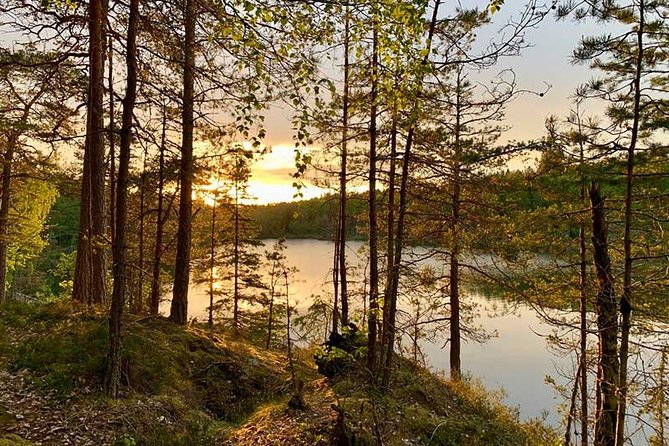
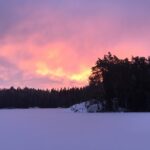
Tyresta has the kind of forest that makes you lower your voice without trying. In the evening, the park feels less like a place you pass through and more like a living space you move through slowly. The timing matters: the walk starts as daylight fades, you pause at a lakeside when the light is soft, and then you keep going after darkness settles.
I like that the experience isn’t just about pretty scenery. It’s about sound and texture too: the crunch underfoot, the hush of the trees, the way the lake wind changes the whole mood. A few guides are noted for bringing the park to life with details you can’t Google on the bus ride over, whether it’s pointing out signs like beaver activity or explaining what you’re walking through.
Your main consideration is that this is outdoors the whole time. If you’re picturing a flat, stroll-and-chat route, you may be surprised by short climbs and uneven footing. One person found the uphill sections harder than expected and had to rest partway; that’s a helpful warning that easy on paper doesn’t always mean easy for everyone.
You can also read our reviews of more evening experiences in Stockholm

Getting There: The Easy Bus Ride and the Meeting Point You Should Find First
The tour starts in central Stockholm near public transport at Gullmarsplan 2, Johanneshov. From there, you take a local bus to Tyresta for about 30 minutes. Coming back is another 30-minute ride, and the tour ends back at the starting meeting point.
That start-point detail matters more than you’d think. When you finish, you’re not dropped at a hotel door or cruise dock. You’re returned to the meeting area, so plan your next step from there—especially if you’re connecting to a ship.
Also, double-check your headcount and timing. The hike is paced as a group, and night hiking means you don’t want to arrive late, then feel rushed at the start. A mobile ticket is used, and you should receive confirmation when booking. If you need the exact direction from your hotel or station, I’d map it the day before so you don’t wrestle with it when your energy is already low.
The Walk in Tyresta: Forest Trails, Granite Cliffs, and Those Off-Path Detours
Once you’re in the park, the main hike is about 1.5 hours, covering roughly 6–8 km total across the whole tour. The route uses winding trails, and it also includes off-the-beaten-path sections. That’s one of the reasons people love it: you’re not stuck walking the exact same line everyone else uses.
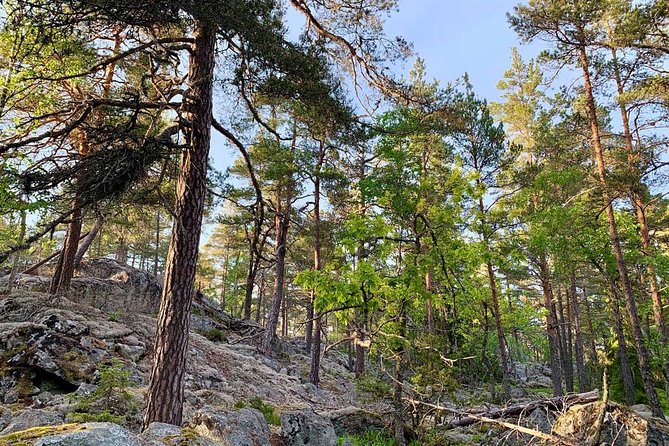
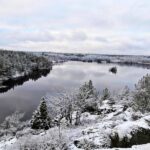
Along the way, you cross areas with high granite cliffs and lake views. In evening light, these viewpoints feel more dramatic. They’re also a good reminder that your footing matters—granite country is rarely soft and predictable.
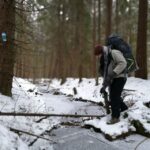
Some reviews mention terrain variety: slightly rocky ups and downs, mossy ground, sections through tall grass, and paths that can include old farmland and stream-adjacent areas. Others mention that the hike can involve off-trail scrambling. One guest wished they had known more about footwear and warned that leaving established paths can mean you should wear proper hiking shoes, not regular street sneakers.
What I like about the way this is set up is that you get guided help when you need it. The tour is designed to reduce the risk of getting lost at dusk, which is a real concern in a big forest. Your best bet is to follow your guide’s lead rather than trying to blaze your own line for shortcuts.
The Lakeside Break: Swedish Fika Plus a Warm Meal in One Calm 30 Minutes
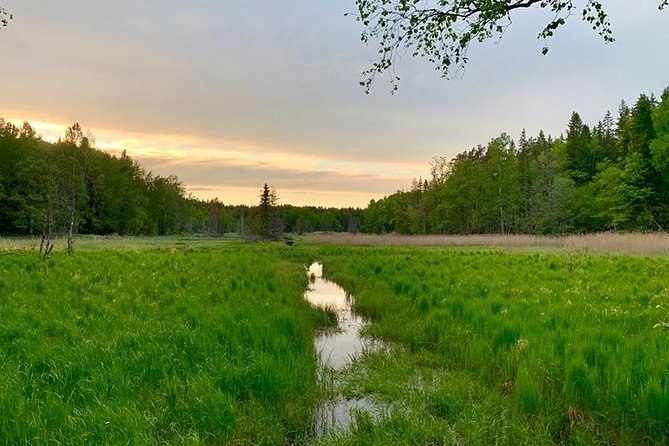
About halfway through, you get a 30-minute break by a serene lakeside. This is where the tour becomes more than walking: you slow down, warm up, and actually eat.
You start with fika—coffee or tea with pastries. Then the meal follows. In summer, the break features a Swedish Midsummer-style meal. In winter, it’s a warm soup instead. In other seasons, the food people mention includes hearty options like meatballs and potatoes, and some groups also get a vegan alternative (like vegan meatballs). You might even be served pea soup, depending on the season and menu.
One small detail that makes the meal feel worth it: it’s served in a scenic spot while you’re already mid-adventure. It breaks the day into two easy halves. It also gives your legs a reset before the forest gets darker.
One practical note: drinking water isn’t included. I’d bring a bottle so you’re not rationing sips while you’re waiting for the walk to finish.
After Dark: What Night Hiking Adds (and What to Expect When the Sunset Has Passed)
The final section is another 1.5 hours, and this is when you feel the main difference between a daytime hike and this one. As darkness falls, the forest shifts from visual to sensory. You can hear things more clearly because there’s less light to distract you.
People describe it as peaceful and quiet. Guides also tend to keep you on pace, and that matters if you’re someone who wants to stay social without feeling you’re dragging the group. Some reviews mention that guides like Max, Sofia, Leo, Jakob, and Bobby helped the group connect quickly and made it feel smooth and friendly, not awkward.
Here’s the catch: you might not get the dramatic, long sunset you’re picturing. One person said there weren’t really big sunset views and that they finished in the dark. That makes sense because the route is built around evening hiking rather than sunset sightseeing only. If you’re a “golden hour” photographer, plan for dusk light at best, then focus on night-forest atmosphere instead.
Also, this part of the day is where you’ll appreciate good clothing. If you get cold easily, bring layers you can add without feeling bulky.
You can also read our reviews of more hiking tours in Stockholm
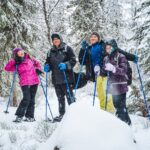
Guides Make the Difference: From Sofia to Francisco to Leo
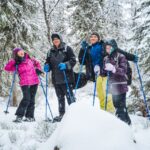
This tour lives or dies by the guide. The good news is that the reviews show a consistent pattern: guides bring humor, warmth, and a sense for the park that helps you connect to what you’re seeing.
Names that come up again and again include:
- Sofia, who’s praised for making the experience great and smooth.
- Francisco, mentioned with happy notes about being on and off trails and timing the walk well into dusk, including a waterfall moment in one winter/fall setting.
- Leo, highlighted for staying alert to the group and making the meal.
- Jakob, described as a great guide for scenery and overall enjoyment.
- Bobby, noted for stepping off the beaten path and encouraging proper dressing for the conditions.
- Max, praised for trying to accommodate someone who struggled with the uphill sections.
The practical value: a good guide doesn’t just point at trees. They keep you moving safely when the trail gets confusing, they pick spots for breaks, and they help you enjoy the off-trail parts without turning them into a struggle.
If you’re the type who likes learning while you walk, you’ll likely enjoy the explanations about the natural environment and what’s happening around you. If you’d rather keep things quiet and focused on your own pace, you can still do that—just pick a guide pace that works for you.
Price and Value: Is It Worth $149.15?
At $149.15 per person for about 4.5 hours, this isn’t a budget stroll. But the price isn’t just for walking in a park. You’re paying for guided night navigation, small-group attention (max 8 travelers), and the food plan: fika plus a warm meal during the break, plus round-trip transport by local bus.
For many visitors, the value is the combination:
- You get access to off-trail and “you wouldn’t find that” viewpoints without feeling lost.
- You eat while you’re out there, instead of rushing back to find dinner.
- You’re not building the logistics yourself for a dark-timed hike.
Is it pricier than a DIY day trip? Yes. But this includes the human layer and the meal, and that’s hard to replicate for the same effort level.
If you’re the kind of traveler who compares everything to self-guided free experiences, it may feel steep. If you want a low-stress evening plan that feels local and thoughtful, the cost starts to make more sense.
Packing Tips That Actually Matter in Tyresta
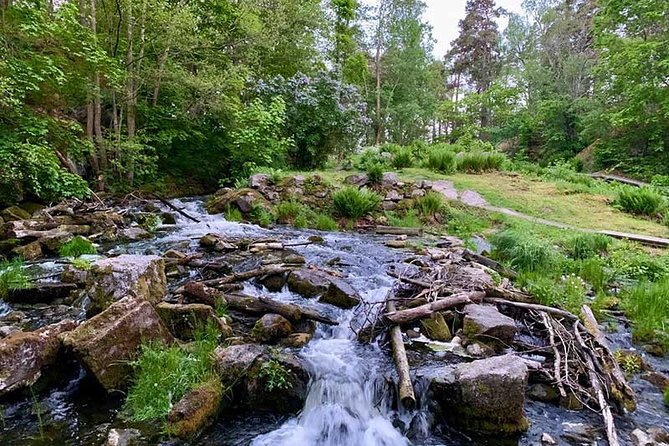
Even when the tour is described as easy, you’re walking in forest conditions. That means footwear and bug control are not optional.
Based on real feedback, I’d pack:
- Hiking shoes with grip. People specifically warn against street shoes, and off-trail scrambling is mentioned.
- Bug spray and protection for high grass areas. One review flagged buggy tall grass and possible tick concerns.
- Long pants you can tuck, especially if you’re worried about ticks. Another review suggested this clearly.
- Light rain gear. Showers happen, and having something easy to put on helps keep morale up.
- A water bottle, since drinking water isn’t included.
And don’t forget the human basics: take a quick bathroom check before you start, because you shouldn’t count on facilities in the park. One review pointed out there are no bathrooms in the park, so plan accordingly.
Who Should Book This Evening Hike (and Who Should Consider Another Option)
Most people can participate, but this tour isn’t built for every fitness level. It includes a small uphill section of about 20 meters, and the walking includes uneven ground and occasional off-trail sections.
I’d treat it as a good fit if:
- You’re comfortable walking 4–5 miles on uneven ground over a few hours.
- You like nature more than museums, and you’re curious about night forest quiet.
- You’re okay finishing after dark and you’re bringing layers for evening temperatures.
I’d consider skipping if:
- You’re not in normal physical condition for outdoor walking.
- You expect a fully flat route.
- You’re over 70. The tour notes it’s not recommended past that age range, and you’d need to check with the provider in advance if you’re close to that threshold.
If you’ve got mobility issues or you’re unsure how you’ll handle short climbs, don’t guess. This is one of those times where being honest about your ability will pay off.
Should You Book This Sunset Hike in Tyresta National Park?
Book it if you want an evening nature plan that feels real, not staged. You’ll get a guided hike designed for dusk and dark, plus fika and a warm meal, and the small-group size helps keep the experience personal. The park itself is part of the draw, but the guided timing is the secret sauce: it lets you see forest life differently than daytime tours do.
Skip it or choose another option if you mainly want a bright-sunset viewpoint, or if short uphill sections and uneven, off-path ground would stress you out. Also, if you hate being out in the dark, this is still a night hike even if the day starts nicely.
If you decide to go, do one smart thing: bring proper shoes and plan for bugs and ticks. That’s the difference between a relaxing night hike and a mildly annoying one. Then sit back and let the guide do what guides do best: keep you safe, keep you moving, and help you notice things you’d miss on your own.
FAQ
How long is the Tyresta sunset hike experience?
It runs for about 4 hours 30 minutes, including the bus rides and the hike.
Where do I meet for the tour?
The start point is Gullmarsplan 2, 121 40 Johanneshov, Sweden. The tour ends back at the same meeting point.
Is the tour guided, and is it in English?
Yes. It includes an experienced outdoor guide, and it is offered in English.
How far will I hike?
The total walking distance is about 6–8 km.
What food is included during the hike?
You’ll get Swedish fika (coffee or tea plus pastries), and a Swedish midsummer meal in summer or hot soup in winter.
Is drinking water included?
No, drinking water is not included.
Are there any age or fitness limits?
Most travelers can participate, but the hike includes a small uphill section. It is not recommended for travelers who are not in normal physical condition. It is also not recommended for travelers over age 70.
How big is the group?
The tour has a maximum of 8 travelers.
What should I wear or bring for night hiking in the forest?
You should wear footwear intended for hiking or athletic walking. Many participants also recommend bringing bug spray and being prepared for uneven, possibly off-trail ground. A rain layer can also help if weather changes.
What happens if weather is bad?
This experience requires good weather. If it’s canceled due to poor weather, you’ll be offered a different date or a full refund. You can also cancel up to 24 hours in advance for a full refund.