REVIEW · STOCKHOLM
Stockholm: Modern City Walking Tour with Local Guide
Book on GetYourGuide →Operated by NORDIC FREEDOM TOURS · Bookable on GetYourGuide
Stockholm moves fast on foot. This 2-hour walk blends modern architecture with historic monuments, guided in English, with photo stops and lots of quick context. I especially liked how the guide I heard, like Carl, spoke clearly and loudly enough that I didn’t have to crane my neck. A second thing I liked: you get a real sense of how Stockholm works today, not just how it looked in the past, from squares to parks. One possible drawback to keep in mind is that group size can get big in rare cases, and if there’s no microphone, it can feel tight.
The route is built around a simple idea: walk the city’s essentials, then stop long enough to actually notice what you’re seeing. You’ll hit standout landmarks like Stockholm City Hall and the Royal Swedish Opera, but you’ll also get the in-between views that connect them, like Queen Street and the calmer garden space near King’s Garden.
My only caution: this is a public tour, so you’ll share space with other people. Even with a smaller-group goal, one experience reported a 20–30 person group, which can make it harder to hear and harder to take photos without bumping shoulders.
In This Review
- Key points worth your time
- Where the tour starts: Central Station and a practical meeting-point
- City Hall to Parliament: the “power-and-progress” corridor
- Passing government offices and strolling Queen Street
- Gustav Adolf’s Square and the Royal Swedish Opera
- St. James Church and New Bridge Square: details you’ll miss alone
- King’s Garden: the calm break that changes your pace
- Berzelii Park, Shore Road, and China Theatre: Stockholm’s cultural block
- The ending near Stureplan: King’s Royal Stable and the Royal Dramatic Theatre
- Price and value: why $14 feels fair for a guided orientation
- Group size reality: when it stays intimate (and when it doesn’t)
- Who this tour suits best
- Should you book Stockholm’s Modern City Walking Tour?
- FAQ
- How long is the Stockholm Modern City Walking Tour?
- What is the price per person?
- Where do I meet the guide?
- Where does the tour end?
- Is the tour private?
- Is the tour in English?
- Are tips required?
- What’s the cancellation policy?
Key points worth your time
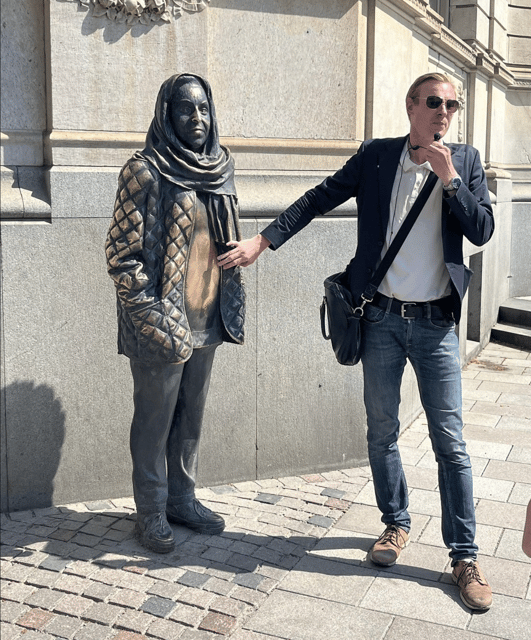
- Clear, loud guide style helps you follow even when the group grows
- Modern-meets-historic route ties architecture to what the city values
- Short photo stops keep momentum and help you see more in 2 hours
- Citywide highlights from Central Station to culture at the Royal Dramatic Theatre
- A smaller-group aim makes it more conversational than typical big-bus tours
- Sustainability focus is part of the operator’s approach to touring by foot
Where the tour starts: Central Station and a practical meeting-point
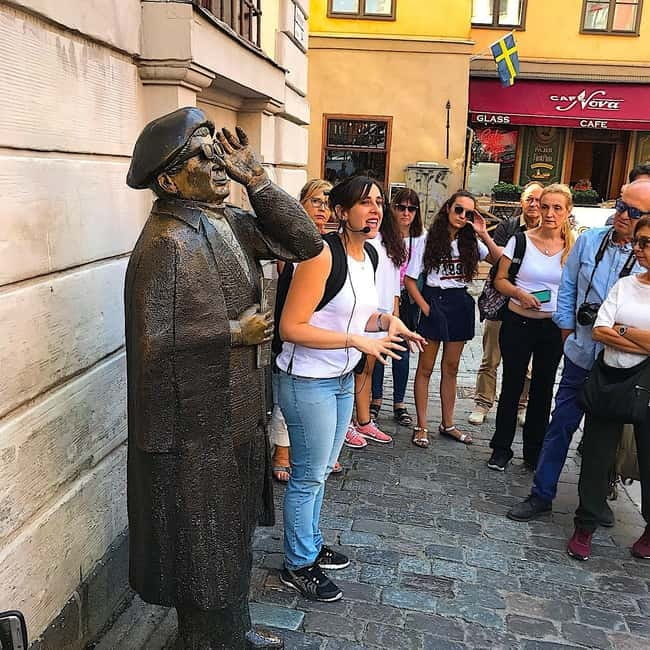
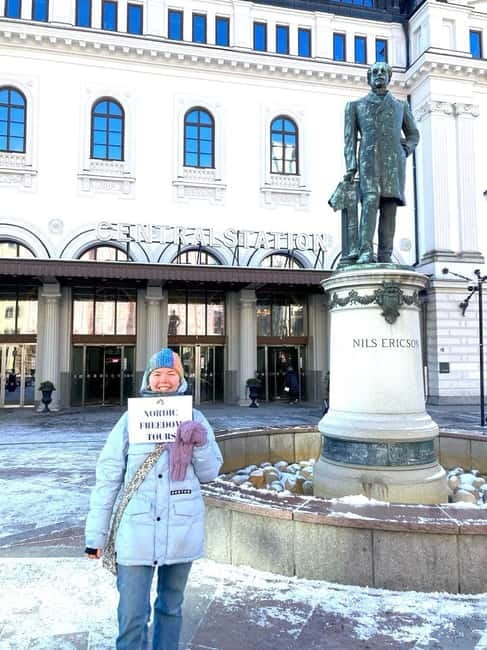
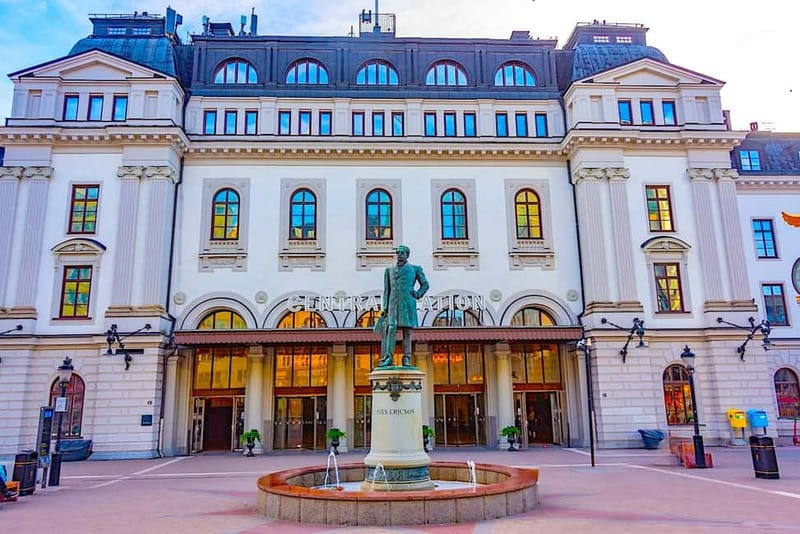
Your walk begins at Stockholms Centralstation on Vasagatan. The meeting point is near the statue of Nils Ericson, directly opposite the entrance to the rear of the station. You’ll spot the guide holding an official sign for NORDIC FREEDOM TOURS.
Why I think this matters: Stockholm is easy to navigate, but your first minutes set the tone. If you arrive a few minutes early, you avoid the common stress of searching around a busy transit hub. Also, because this tour is in English and has scheduled photo breaks, you’ll feel better if you start right on time.
What to do: aim to be at the statue area before the group gathers. If you’re planning to connect from another part of the city, give yourself a little cushion, since you’ll be walking to the first major viewpoint right away.
You can also read our reviews of more walking tours in Stockholm

City Hall to Parliament: the “power-and-progress” corridor
From Central Station, the tour heads toward one of Stockholm’s signature civic landmarks: Stockholm City Hall. This is a short stop (about 10 minutes) that works well for your first photos and for getting oriented. Even in a brief stop, the guide’s job is to help you spot what makes the building part of Stockholm’s identity: it’s not just a pretty façade, it’s a statement about public life.
You’ll then move to parliament-related views (a photo stop around 10 minutes). The tour keeps walking, but the message is consistent: these aren’t random buildings. They show how Stockholm organizes authority, culture, and city planning around walkable space.
One good thing about this approach: it’s not a “look at this, look at that” checklist. You’re being shown a theme—how the city’s institutions are positioned and why that matters when you’re trying to understand a place fast.
Passing government offices and strolling Queen Street
Between the big-picture landmarks, you’ll pass government offices at Rosenbad and stroll along Queen Street. Expect more street-level city life here—shopfronts, pedestrian flow, and the sense that central Stockholm mixes official buildings with everyday movement.
This section is where the tour becomes useful for you if you’re also trying to build a mental map. After a couple of stops, you’ll start seeing connections: where the main corridors run, where the squares open up, and where the city slows down as you move toward gardens and cultural buildings.
Photo note: because the tour is paced around short stops, you don’t want to spend your best camera time on a single angle. If you’re using a phone for photos, keep it ready and shoot quickly, then rejoin the guide so you don’t miss the explanation.
Gustav Adolf’s Square and the Royal Swedish Opera
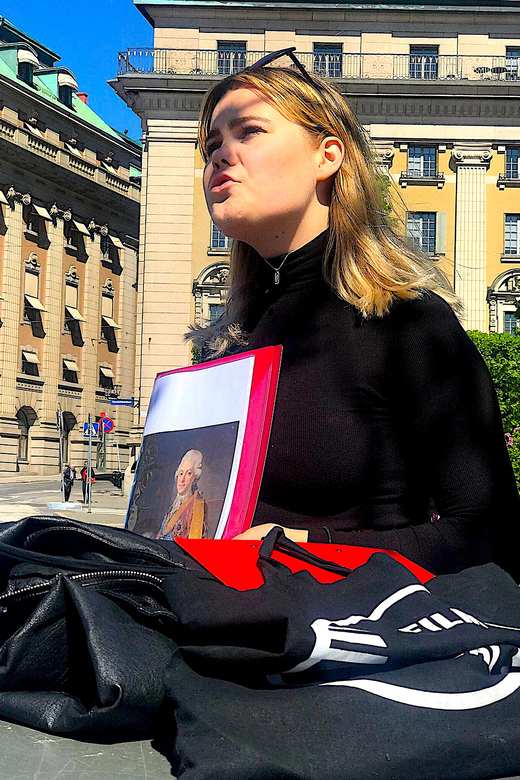
Next up is Gustav Adolfs torg, a photo stop (around 10 minutes). Squares like this are Stockholm’s stage for public life. Even if you’ve only seen photos, you’ll feel how the space is designed for movement and gatherings.
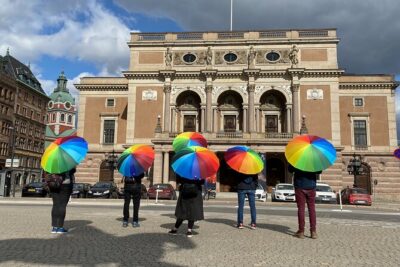
From there you’ll reach the Royal Swedish Opera for another photo stop (about 10 minutes). The value here is in the framing: you’re not just standing outside a theater or listening to trivia. The guide connects how the arts fit into Stockholm’s central identity and how the city’s cultural buildings form a kind of backbone for visitors.
If you’re a first-timer, this is a sweet spot. You’re still close enough to the beginning of the walk to feel fresh, but you’ve already learned the “language” of the route—civic core, then culture, then green space.
St. James Church and New Bridge Square: details you’ll miss alone
You’ll visit St. James’s Church (photo stop time around 10 minutes). Churches can get reduced to exterior photos if you’re traveling solo, but on a guided walk you get the basics of why the place matters and what to notice as you look.
The tour also includes the elegance of New Bridge Square, plus nearby cultural institutions (including the Royal Swedish Academy of Music). The route makes sense because this area ties together religion, education, and performance—three pillars that often feel separate when you’re wandering.
One practical tip: if the weather is cool or rainy, this is a good section to slow down slightly with your eyes. You’ll likely see people pausing at corners, and you’ll understand how Stockholm’s street design encourages short breaks without getting you stuck.
You can also read our reviews of more guided tours in Stockholm





King’s Garden: the calm break that changes your pace
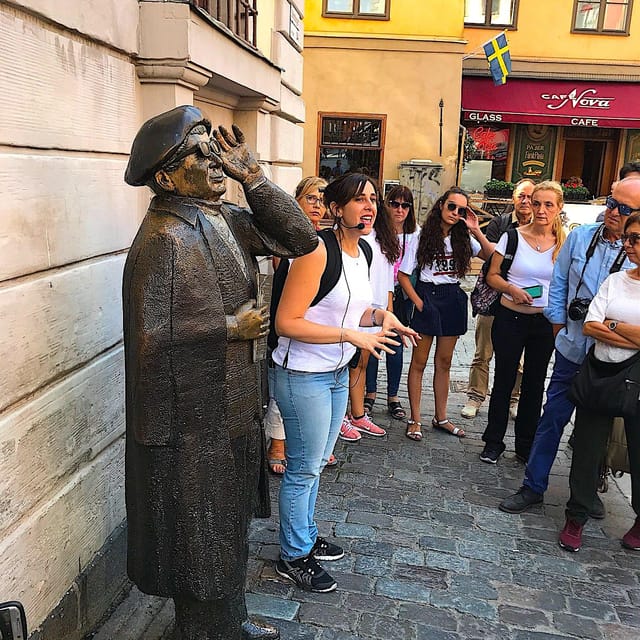
At King’s Garden, you’ll get that welcome shift from stone and institutions into something softer. The tour describes this as a beloved city oasis, and even if your stop is brief, it works as a mental reset.
I like this kind of break because it helps you avoid the “walking fatigue blur.” By the time you reach the cultural and museum-like stops later, you’ll remember the earlier rhythm: city structures, then open breathing space, then back into viewpoints and architecture.
Keep your expectations realistic: you’re still on a 2-hour schedule with photo breaks, so this is not a long park hangout. But it’s enough to feel the contrast.
Berzelii Park, Shore Road, and China Theatre: Stockholm’s cultural block
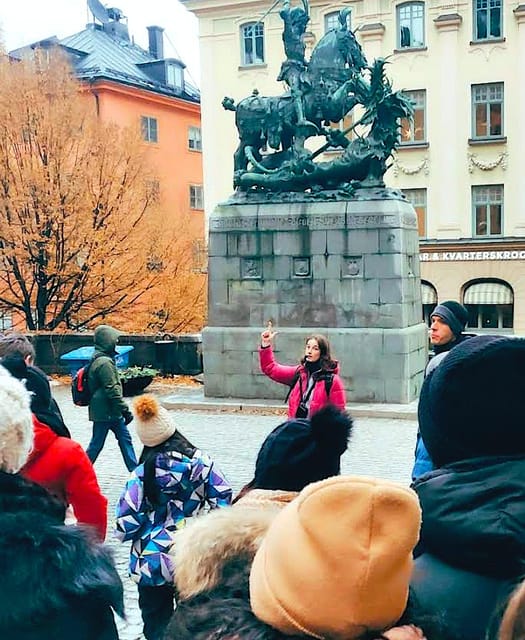
The route brings you through Raoul Wallenberg Square (history meets reflection), then onward to the Shore Road area and Berzelii Park. You’ll also reach the China Theatre.
Why this part is especially good for you: it’s where Stockholm starts to show its layered identities in a compact area. You’re moving between memorial space, waterfront-feeling streets, and buildings tied to performance. In other words, it’s not only about beauty. It’s about what the city chooses to remember and what it chooses to stage.
Time-wise, you’ll have short photo stops (including a shorter one around 5 minutes somewhere mid-route, plus others around 10 minutes). That pacing is a plus if you want highlights without committing to a long walking day.
The ending near Stureplan: King’s Royal Stable and the Royal Dramatic Theatre
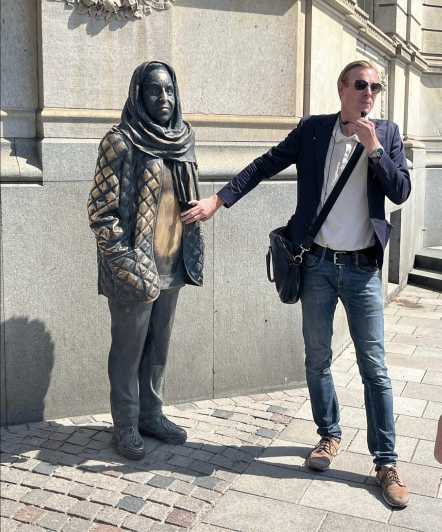
The walk culminates near Stureplan at the Royal Dramatic Theatre. The tour also includes the area around King’s Royal Stable on the way in.
This ending point is smart. After 2 hours of civic buildings, squares, churches, and parks, you finish at a major cultural landmark. It gives your day a clear “wrap-up” feeling, and it also helps you continue your sightseeing afterward if you want to linger nearby.
One detail to plan around: the activity notes that it ends back at the meeting point, but the route describes finishing at the Royal Dramatic Theatre area. I’d treat the theatre as your clear final major stop, then confirm exactly where you’ll be released when the guide finishes (the guide will make it clear in the moment).
Price and value: why $14 feels fair for a guided orientation
At $14 per person for a 2-hour walking tour, this is positioned as a budget-friendly way to get context. What makes the value work is the structure: you’re paying for a local English-speaking guide, short photo stops at recognizable landmarks, and a route that connects the dots between modern Stockholm and the historic core.
Two more value signals:
- The guide is included, and the operator states the price you pay is final, with no extra personal payments or tipping pressure.
- You’re not getting a slow, hour-by-hour lecture. You’re getting a brisk city orientation with just enough time at each stop to make your photos and understand what you’re looking at.
Is it cheap? Yes. Is it bare-bones? Not really. The highlights list—modern architecture integrated with historical landmarks, plus a local expert at the helm—suggests you’re paying for interpretation more than just movement.
Group size reality: when it stays intimate (and when it doesn’t)
The tour’s goal is a limited group size for a more intimate, engaging experience. That’s exactly what you want on a walking tour, because it makes it easier to hear and easier for your guide to answer questions.
But one experience mentioned a much larger group (20–30). In that case, the comment was that it can be too big for one guide without a microphone. That doesn’t mean this will happen every time. Still, it tells me you should show up ready to listen and accept that group dynamics can shift.
How to make it work for you:
- Stand closer at the front or where the guide naturally speaks.
- If you’re sensitive to noise or crowding, pick a time slot when you expect fewer people (weekday mornings often help, though the exact schedule isn’t listed here).
- Bring comfortable shoes and don’t plan on long photo posing. This is a moving tour.
Who this tour suits best
This is a solid fit if:
- You’re in Stockholm for a short time and want a fast, organized orientation.
- You like modern design as much as old-world landmarks, and you want both in one loop.
- You prefer walking tours with an English guide rather than trying to piece together every building on your own.
It’s also a good choice if you enjoy cultural anchors. Finishing by the Royal Dramatic Theatre helps you carry the story forward into the rest of your day.
You might skip it if you strongly prefer quiet, private tours, or if you expect to have long, uninterrupted time inside sites. This is built around photo stops and walking between them.
Should you book Stockholm’s Modern City Walking Tour?
Yes, I’d book it if you want a quick, well-structured Stockholm sampler that connects modern architecture and iconic historical spaces. The meeting point at Central Station is straightforward, the guide-led pacing is designed to cover a lot, and the $14 price makes it easy to add even if your schedule is tight.
Before you go, have the right expectations: it’s public, it’s a walking tour with short photo moments, and hearing depends on group size. If you’re the type who enjoys street-level context and likes getting your bearings fast, this one is a smart use of two hours in Stockholm.
FAQ
How long is the Stockholm Modern City Walking Tour?
The tour lasts 2 hours.
What is the price per person?
It costs $14 per person.
Where do I meet the guide?
Meet near the statue of Nils Ericson, directly opposite the entrance to the rear of Stockholm Central Station. Look for the guide holding the NORDIC FREEDOM TOURS sign.
Where does the tour end?
The tour ends at the Royal Dramatic Theatre area. The activity description also notes it ends back at the meeting point.
Is the tour private?
No. This is a public walking tour with other participants present.
Is the tour in English?
Yes, the guide provides the tour in English.
Are tips required?
No. The price you pay is final and fully covers your participation, and the operator states no additional tips or gratuities are required of you personally.
What’s the cancellation policy?
Free cancellation is available up to 24 hours in advance for a full refund.