REVIEW · STOCKHOLM
Jewish Gamla Stan and Jewish Museum Stockholm Private Tour
Book on GetYourGuide →Operated by Rosotravel Sweden · Bookable on GetYourGuide
Stockholm’s Old Town has a hidden Jewish map. This private tour traces that story street by street, with stops tied to the earliest Jewish presence in Sweden, the Great Synagogue area, and the Jewish Museum inside Stockholm’s oldest surviving synagogue. I especially liked the mix of on-the-ground walking in Gamla Stan and the way the guide connects it to WWII through Raoul Wallenberg’s work—so it’s not just dates on a page.
Two things really stood out for me: first, seeing the main sights connected to Jewish community life in Stockholm’s historic core, including the Jewish Museum in the synagogue building (3 & 4 H options), and second, the guide’s clear storytelling about Raoul Wallenberg and what happened during the Holocaust. The only real drawback to plan around is that the exact mix depends on which option you choose, and the 2-hour tour does not include Jewish Museum admission or private car transfers.
Rain can make walking less fun, but the guides I saw in this experience kept things unhurried and adjusted pace. Cedric, for example, earned strong praise for taking his time even in bad weather and answering questions. If you’re booking a day with potential closures, keep one more consideration in mind: the Jewish Museum is closed on Mondays, which can affect what you get to see.
In This Review
- Key highlights to expect
- Gamla Stan’s Jewish story: more than one synagogue
- Your starting point at Järntorgsbrunnen and how the walk works
- Gamla Stan landmarks: synagogues, churches, and early arrivals
- The Jewish Museum in 3 & 4 H: why this stop matters
- Raoul Wallenberg at Berzelii Park: remembrance you can stand near
- Nobel Prize laureates and the Royal Palace route: a clever context bridge
- Choosing your option: 2, 3, or 4 hours and what you give up
- 2-hour option (good for a quick Old Town hit)
- 3-hour option (best balance for most people)
- 4-hour option (most convenient, especially if mobility is tricky)
- One more practical note on the route design
- Guides: pacing, questions, and why it changes the whole tour
- Value for $205: when the math feels fair
- Practical tips to make your tour day smoother
- Who this tour is best for
- Should you book this private Jewish Gamla Stan and Jewish Museum tour?
- FAQ
- How long is the tour?
- Where do we meet the guide?
- Is the Jewish Museum included?
- Does the 2-hour tour include private car transfers?
- Do I need admission tickets to the synagogue?
- Which languages are available for the guide?
- Is the tour wheelchair accessible?
- What is the walking like?
- Is the Jewish Museum open every day?
- What’s the group size for a private tour?
Key highlights to expect
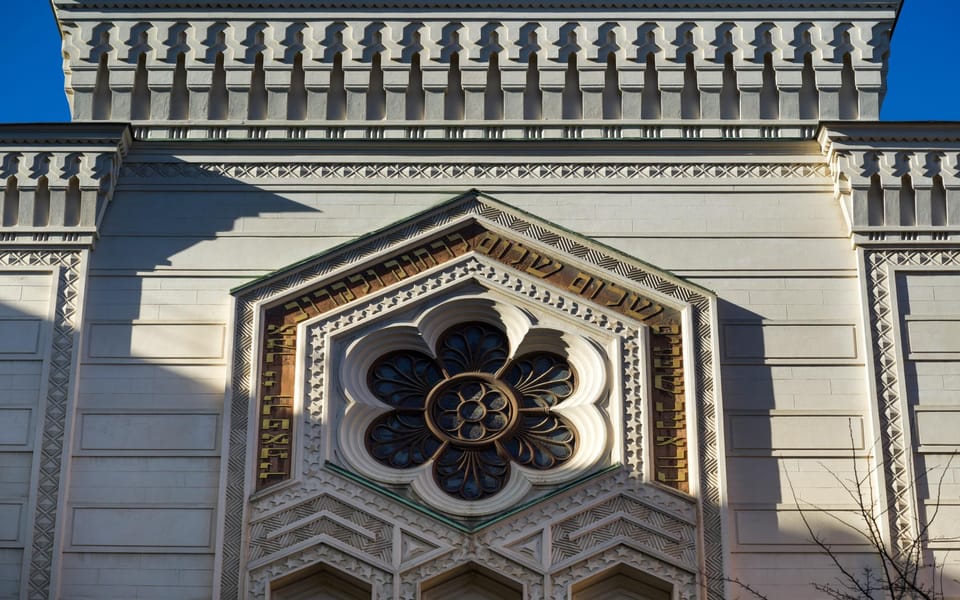
- Gamla Stan’s Jewish trail through historic churches, cathedral areas, and Old Town streets that mark the community’s early presence
- Jewish Museum inside 3 & 4 H, housed in Stockholm’s oldest extant synagogue building (for 3 & 4 H options)
- Raoul Wallenberg at Berzelii Park, including the Holocaust monument and the Rememberence Path context
- Royal Palace and Nobel Prize connections, with Nobel laureates tied to Jewish history along the route
- A private, question-friendly guide, praised by name (Cedric and Tal) for clear explanations and pacing
Gamla Stan’s Jewish story: more than one synagogue
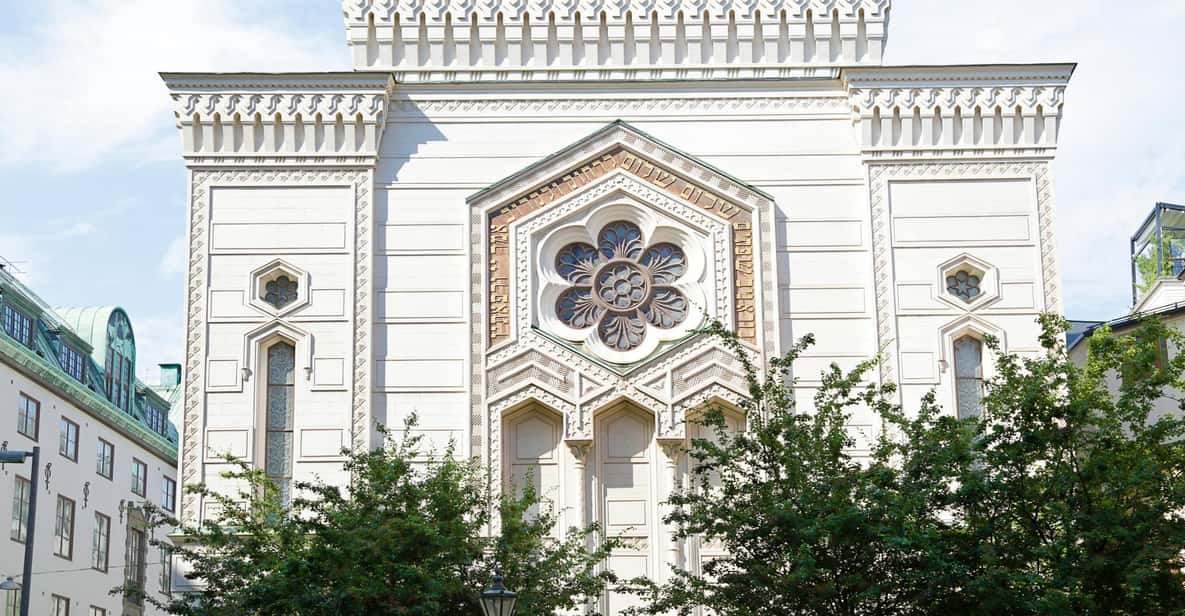
When you walk Gamla Stan, you’re walking Stockholm’s oldest stage. The buildings look like they’ve been there forever—because in many cases, they have. What this tour adds is a second layer: Jewish history isn’t treated as an add-on. It’s built into how you read the streets.
In the heart of Old Town, you’ll start in the area around Järntorgsbrunnen (Västerlånggatan 83). From there, the route takes you through the places where Jewish presence shows up in the physical city—synagogue history, community landmarks, and even the wider story of how Jewish newcomers were received in earlier centuries.
The tone is practical. You’re not just touring. You’re learning how Stockholm’s Jewish community moved through time: from the early period of settlement, into the pressures of WWII, and then into the modern role of museums and remembrance.
And yes, you’ll also get the part people don’t always expect: the emotional weight of Raoul Wallenberg’s story, placed in a real public setting at Berzelii Park. That combination—architecture, community, and rescue history—makes the tour feel like it has momentum.
You can also read our reviews of more private tours in Stockholm



Your starting point at Järntorgsbrunnen and how the walk works

You meet your guide in front of Järntorgsbrunnen, Västerlånggatan 83. It’s a convenient spot in the Old Town area, and it helps you get moving quickly once the tour starts.
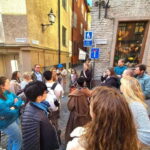
This is a walking tour, so comfortable shoes matter. You’ll be on streets and along old-city paths, and you’ll want to feel steady. The activity is also wheelchair accessible, and the guides are used to adjusting where possible. In one case, a guide extended the tour and pointed out alternate paths for a guest with difficulty walking—so the experience is designed to be flexible, not rigid.
One more detail that affects your day: duration. The tour is offered in options that shift what’s included and what you can realistically see. Shorter options are good if you want the “main sights” feel. Longer options add the Jewish Museum stop, which is the heart of this experience.
If you’re trying to match this to your schedule, think of it like this:
- 2-hour option = walking + key exterior stops, but museum admission is not included
- 3-hour option = walking + Jewish Museum admission (museum time included)
- 4-hour option = 3-hour style content + private car transfers with pickup/drop-off at your accommodation
Gamla Stan landmarks: synagogues, churches, and early arrivals
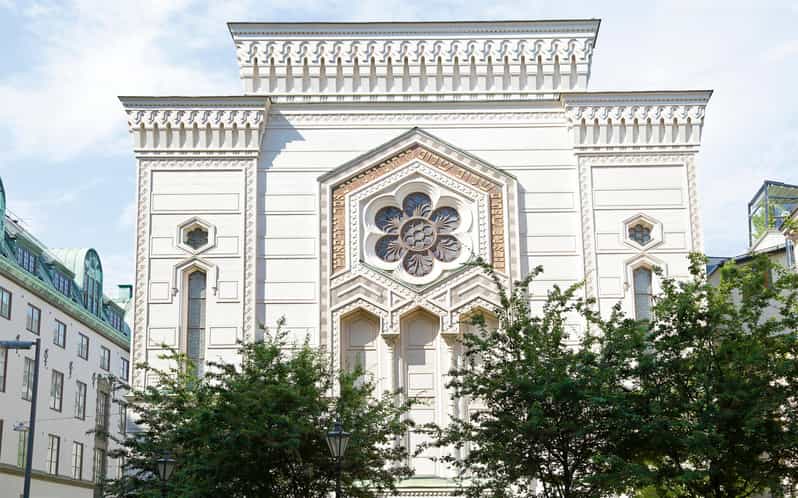
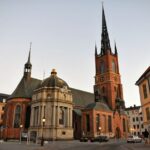
A big part of the tour is the way it connects Jewish history to specific named places. In Gamla Stan, that means you’ll see the Great Synagogue area and other Jewish heritage references as the route unfolds.
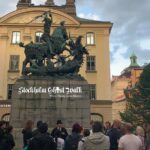
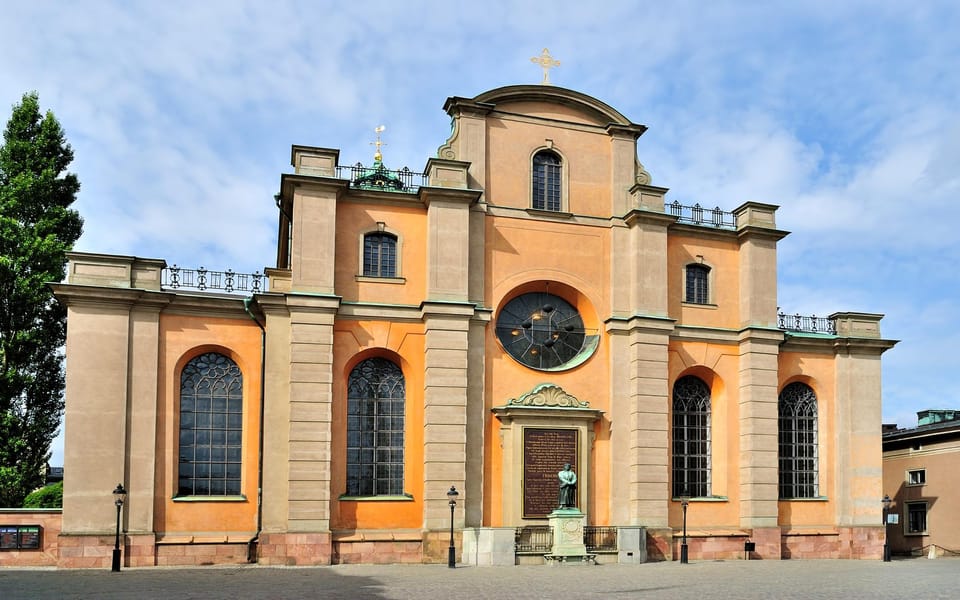
The tour also points out a fascinating historical detail tied to religious life: you’ll pass Storkyrkan (the cathedral) and the German Church area, with context about the first Jewish families being baptized there after arriving in Sweden in the 17th century. Even if you’re familiar with broad European history, this kind of local, named detail is the point. It shows how Jewish newcomers were part of Stockholm’s religious landscape—intersecting with established institutions.
What I like about this approach is that it avoids treating history as abstract. When you stand near a landmark and hear why it mattered, the stories start to feel anchored.
The Jewish Museum in 3 & 4 H: why this stop matters
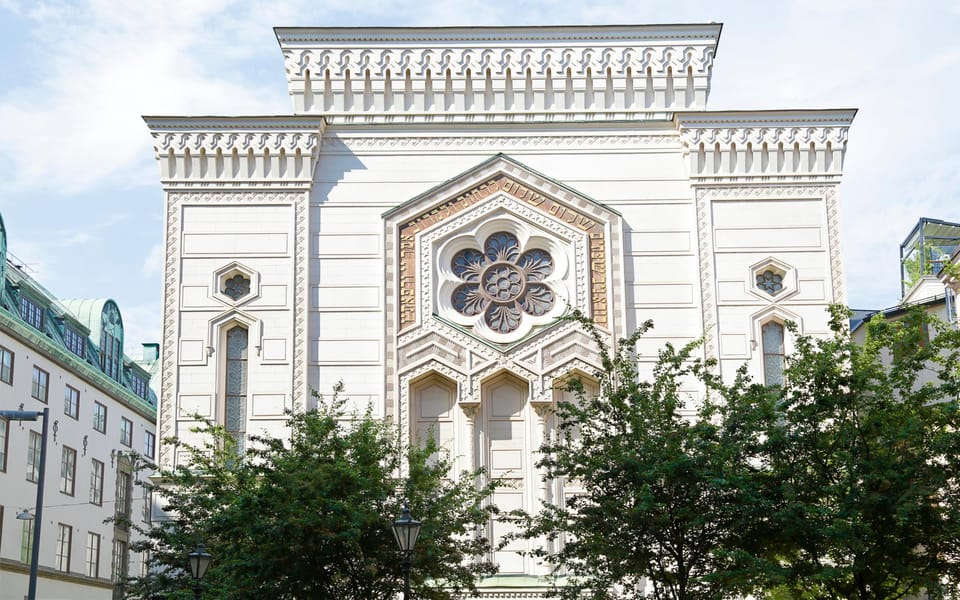
If you choose the 3- or 4-hour option, you’ll visit the Jewish Museum housed in Stockholm’s oldest surviving synagogue building, identified as 3 & 4 H. This is where the tour shifts from street-level clues to deeper context.
The museum is described as being hosted in the buildings of the first synagogue in Stockholm. That detail matters. You’re not just learning about the community—you’re learning inside a physical structure connected to early Jewish life in the capital.
Inside, you can expect themes that include:
- the first Jews who came to Sweden
- what it took for the community to build a first Jewish place of worship in the city
- Jewish culture and traditions
The guide’s role here is important. You’re likely to get more value than just “walking through rooms.” A good guide helps you connect what you’re seeing to the earlier street stops—so the museum doesn’t feel like a separate activity. It feels like the continuation of the same story.
There’s one practical warning to take seriously: the Jewish Museum is closed on Mondays. If you’re eyeing a Monday tour, plan an alternate day, or choose a format that doesn’t hinge on museum access.
Raoul Wallenberg at Berzelii Park: remembrance you can stand near
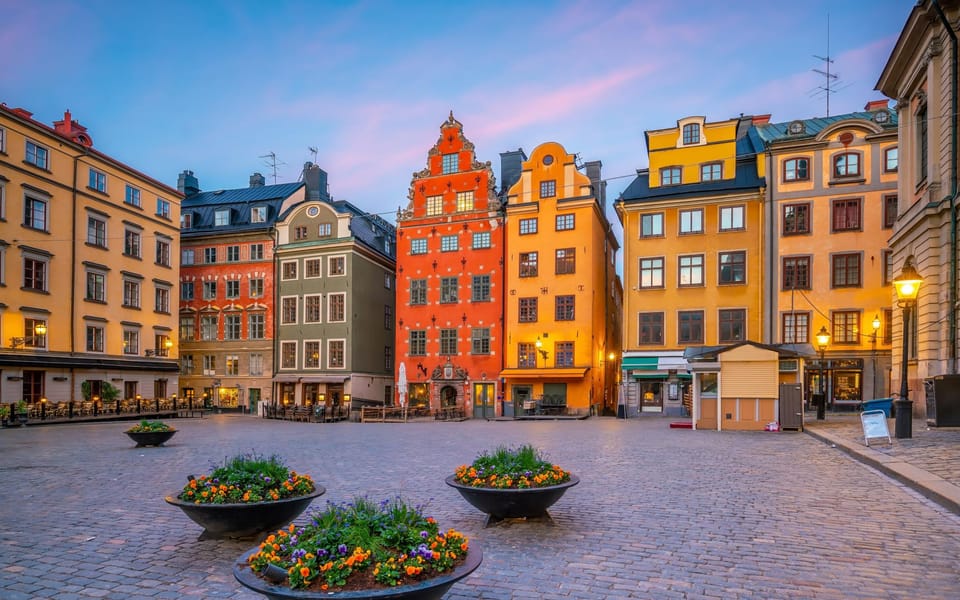
One of the most powerful parts of this tour is the stop at Berzelii Park. You’ll pass the Nobel Prize Museum area on the way and then head toward Berzelii Park, where you’ll find the Rememberence Path and a Holocaust monument dedicated to Raoul Wallenberg.
The tour frames Wallenberg as a heroic figure who saved tens of thousands of Jewish people during WWII. Even if you’ve heard the name before, hearing it placed in a memorial space inside Stockholm helps the story land differently. It becomes less like a page you skimmed and more like a responsibility you’re witnessing in real life.
This portion also works well because it changes the pace. In Old Town you’re moving through centuries of settlement and community life. At Berzelii Park, you’re dealing with the sharp urgency of WWII. The emotional contrast helps you understand how history changes from gradual to crisis—and how courage showed up in the middle of it.
You can also read our reviews of more museum experiences in Stockholm






Nobel Prize laureates and the Royal Palace route: a clever context bridge
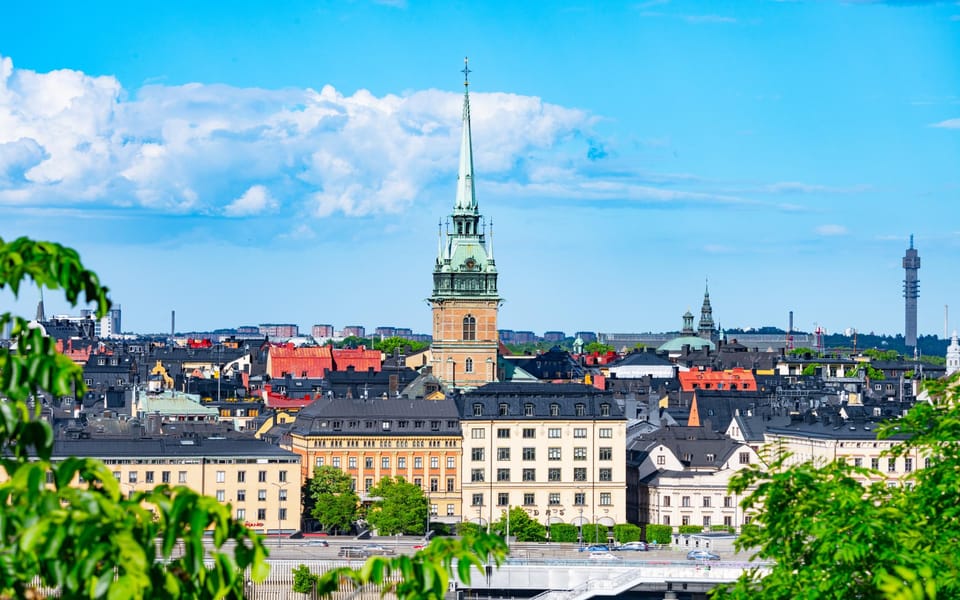
On this tour, you don’t just jump between far-apart themes. You also get small context bridges.
You’ll pass the Royal Palace area as the walk transitions, and near the Nobel Prize Museum, your private guide explains Jewish laureates who received the Nobel Prize over the years. This isn’t a random detour. It’s a reminder that Jewish history isn’t only about persecution or survival—it’s also about contributions to science, literature, and public life.
I find this kind of routing useful for two reasons:
1) it keeps the tour from feeling like a single-issue timeline, and
2) it gives you a reason to look up and notice the city’s bigger institutions while you’re still learning.
Choosing your option: 2, 3, or 4 hours and what you give up
The price is $205 per person, and what you get depends heavily on the length you book.
2-hour option (good for a quick Old Town hit)
This option is a walking tour centered on Jewish traces in Gamla Stan, but it does not include Jewish Museum entrance tickets. It also does not include private car transfers.
Pick this if:
- you have limited time
- you want a street-level orientation to Jewish landmarks and WW2 context
- you’re okay doing the museum on your own at another time
3-hour option (best balance for most people)
The 3-hour format includes the Jewish Museum ticket, so you get the key interior stop in addition to the street walk. It’s a strong “complete story” length: you can see the exterior landmarks and then understand what they meant inside the museum setting.
4-hour option (most convenient, especially if mobility is tricky)
The 4-hour option adds round-trip private car transfers with pickup and drop-off at your accommodation. That can make the day easier if you’re traveling with luggage, tired feet, or need less time navigating transit.
Private car transfers are included only with the 4-hour option. If that convenience is important to you, it can turn the price into good value because it protects your time and energy.
One more practical note on the route design
Private group size is limited to 1–25 guests per guide, and you can ask for different guide language options. If you’re booking a larger party, the pricing may require more than one guide to maintain the limit—so check the number of people on your end early.
Guides: pacing, questions, and why it changes the whole tour
This tour’s quality doesn’t just come from the sights. It comes from the person leading you.
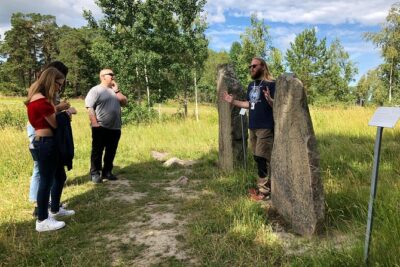
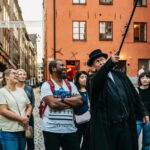
Cedric earned a 5/5 style review for being full of knowledge and for not rushing, even in rain. That’s a big deal. Old Town walks go faster than you think, and if you’re trying to absorb history, a rushed pace can flatten the experience.
Tal also received praise for being a great guide on a walk around the city learning history. And in at least one case, the guide adjusted the tour timing and pointed out alternate paths for a guest with walking difficulty. That’s the kind of detail that makes the experience feel designed for real people, not a fixed script.
This is the kind of private tour where you’ll get the most value if you ask questions. The guide can connect the why to what you’re seeing, and that connection is what turns landmarks into understanding.
Value for $205: when the math feels fair

Let’s talk money honestly. $205 per person can sound steep until you match it to what’s included and how private this is.
You’re paying for:
- a 5-star licensed history expert-guide (language matching available)
- a curated walk through major and lesser-known Jewish-related landmarks in Gamla Stan
- Jewish Museum access in the 3- and 4-hour options
- and in the 4-hour option, private car transfers to and from your accommodation
So the value really depends on your option. If you choose the 2-hour tour, you’re paying primarily for guide time and street-level learning, because museum tickets and transfers aren’t included. If you choose the 3-hour tour, you get museum entry, which is typically where the deeper learning happens. If you choose the 4-hour tour, you also protect your logistics with pickup/drop-off, which is often worth a lot when you’re planning a full day.
In other words: this is best viewed as a guided education package, not just a sightseeing walk.
Practical tips to make your tour day smoother
A few small things can help you get the most from it:
- Wear comfortable shoes. This is a walking tour through historic streets.
- Plan for weather. One guide handled rain well by going slowly and not rushing.
- Check email the day before the tour for important updates.
- Bring questions. You’ll get more out of the story when you guide the conversation.
- If your schedule is tight around museum days, remember the Jewish Museum is closed on Mondays.
Who this tour is best for
This tour fits you if you:
- want Jewish history in Stockholm tied to real places you can point to later
- appreciate WWII remembrance connected to the city’s public spaces
- like private guides who can answer questions and adjust pacing
- want a guided route that saves you from piecing everything together on your own
It’s also a strong fit for travelers who like “meaningful sightseeing,” not just photo stops. The balance of community origins and WWII rescue history makes it feel complete.
Should you book this private Jewish Gamla Stan and Jewish Museum tour?
Book it if you want a guided, place-based way to understand Stockholm’s Jewish story—from early arrivals and synagogue life to Holocaust-era remembrance with Raoul Wallenberg at Berzelii Park. The tour’s best value shows up in the 3-hour and 4-hour formats because you get the Jewish Museum stop in addition to the landmark walk.
Skip or rethink it if you only have a short window and you’re booking the 2-hour option, because museum admission and private transfers aren’t included. If your travel dates land on a Monday, you should also adjust your plan since the museum is closed that day.
If you like your history with context, and you want it delivered at a human pace by guides like Cedric or Tal, this is one of the more satisfying private tours you can choose in Stockholm.
FAQ
How long is the tour?
The Jewish Gamla Stan and Jewish Museum private tour runs for 2–3 hours, depending on the option you select.
Where do we meet the guide?
You meet your guide in front of Järntorgsbrunnen, Västerlånggatan 83, 111 29 Stockholm, Sweden.
Is the Jewish Museum included?
It depends on the option. Entrance tickets are included for the 3- and 4-hour options, and not included for the 2-hour option.
Does the 2-hour tour include private car transfers?
No. Private car transfers with pickup and drop-off are included only in the 4-hour option.
Do I need admission tickets to the synagogue?
Admission to the Synagogue is not included.
Which languages are available for the guide?
The tour offers live guides in French, German, Italian, Russian, Spanish, English, and Swedish.
Is the tour wheelchair accessible?
Yes. The tour is listed as wheelchair accessible.
What is the walking like?
It is a walking tour, so you should be in good condition and wear comfortable shoes.
Is the Jewish Museum open every day?
The Jewish Museum can be closed on some days; in particular, it is closed on Mondays.
What’s the group size for a private tour?
It’s a private group, with guide limits of 1–25 guests per guide. If you require more than one guide, the price may increase.