REVIEW · STOCKHOLM
Stockholm Private Golf Cart Tours
Book on GetYourGuide →Operated by Cartinavia AB · Bookable on GetYourGuide
Stockholm feels bigger than it looks. A golf cart tour turns the city into an easy, low-stress loop of sights, with stories from guides like Oscar and Monica. I like the quiet, eco-friendly ride paired with a private setup (no bus crowd), plus live English commentary and audio in 8 languages, so you can actually follow what you’re seeing. One drawback to plan around: most major places are pass-by/photo-stop only, since entrance fees to museums and attractions aren’t included.
You’ll still get that classic Stockholm hit—palaces, churches, viewpoints, and the big museum district—but with far less effort. It’s also wheelchair accessible, and small, well-behaved pets are welcome, which makes it unusually practical for mixed groups. In cooler months, the cart can feel breezy, so pack warm layers since you’ll be moving through open air.
In This Review
- Key Points Before You Go
- Why a Golf Cart Beats the Usual Stockholm Overload
- Pricing That Makes Sense When You Compare Time, Not Just Tickets
- Getting On Board at Skeppsbron and How the Ride Feels
- The Palace and Government Core: Where Stockholm Looks Most Like It Does on Postcards
- Royal Palace area and the Changing of the Guard zone
- Nationalmuseum and the “arts boulevard” feel
- Parlement House (Riksdag) and the neoclassical look
- Museums by the Water: AF Chapman, Moderna Museet, and the Islet Detours
- AF Chapman and the waterfront atmosphere
- Moderna Museet Sculpture Park and modern art angles
- Kastellholmen and Torpedverkstan
- Eric Ericsonhallen and the Far Eastern Antiquities photo stop
- Djurgården on the Longer Option: Vasa, ABBA, Skansen, and the Museum Island Mix
- Vasa Museum: the “why Stockholm matters” stop
- ABBA The Museum: pop culture as a city highlight
- Skansen: open-air history and Nordic wildlife context
- Djurgårdsstaden, Nya Djurgårdsvarvet, and bay views
- Old Town Orientation: Norrmalmstorg, Kungsträdgården, Opera, and the Churches
- Norrmalmstorg and the Stockholm Syndrome origin fact
- Kungsträdgården Park and the theater-soaked core
- Lejonbacken, House of Nobility, Birger Jarls Torg
- Riddarholmen Church and Birger Jarl’s Tower
- Stockholm Cathedral and the royal coronation link
- Panoramas and Hills: Monteliusvägen, Katarinahissen, and the Photo Stop Logic
- Per Anders Fogelströms Terrass and Monteliusvägen
- Mariahissen, Katarinahissen, and the scenic-drive moments
- Teater Rival, churches, and neighborhood texture
- The Soundtrack: Live English + Audio in 8 Languages
- Comfort in Real Weather: Blankets, Plastic Curtains, and Dressing Like a Local
- Who This Tour Fits Best (And Who Might Want Something Else)
- Small Planning Tips That Make a Big Difference
- Should You Book This Stockholm Private Golf Cart Tour?
- FAQ
- How long is the Stockholm Private Golf Cart Tour?
- How much does the tour cost?
- Is this a private tour or shared group?
- What languages are available during the tour?
- Which languages are included in the audio guide?
- Is the tour wheelchair accessible?
- Are pets allowed?
- Are meals and drinks included?
- Do I need to buy museum tickets separately?
- Where does the tour usually start and end?
Key Points Before You Go
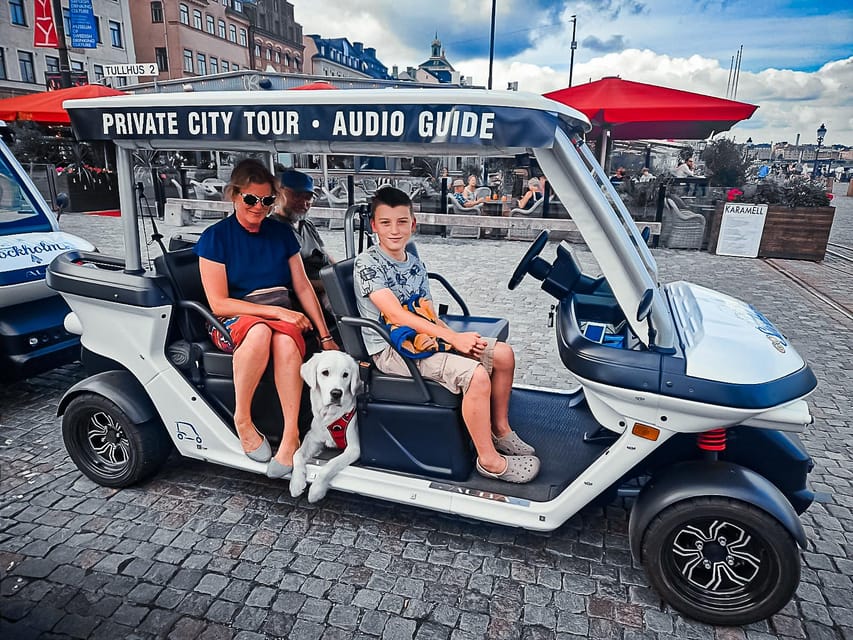
- Private cart time: you ride with your group and move at your pace.
- Live guide + 8-language audio: you get real-time explanations plus optional multilingual listening.
- Quiet, eco-friendly vehicles: easier conversation and less city noise than many motorized tours.
- Accessibility-friendly planning: wheelchair access and support for mobility needs show up in how the tour is run.
- Scenic photo stops: you’re not just stuck at one viewpoint; you get multiple chances to stop.
- Most stops are exterior views: great for orientation, not a substitute for museum tickets.
Why a Golf Cart Beats the Usual Stockholm Overload
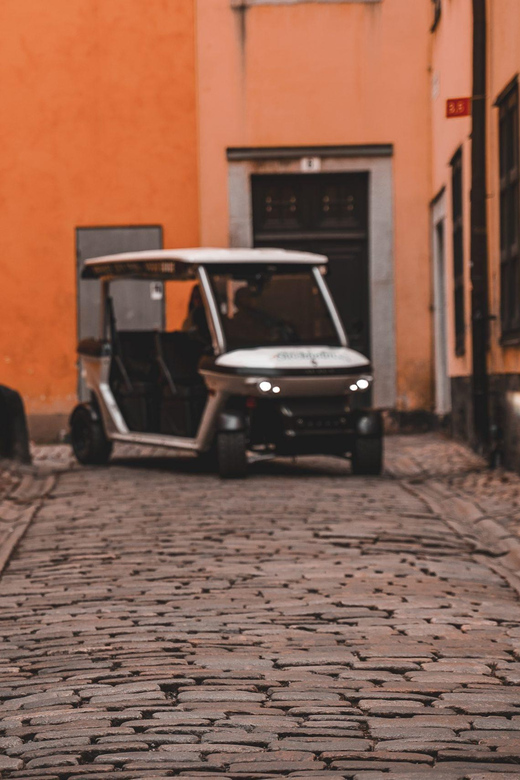
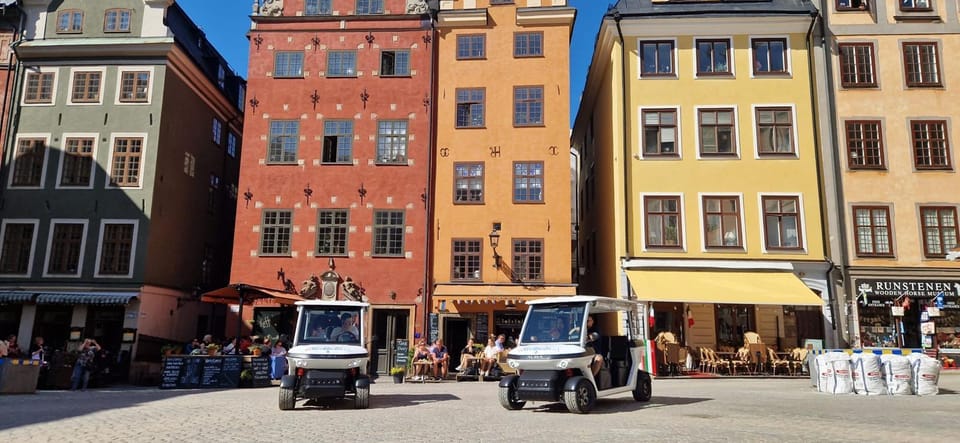
Stockholm can be confusing fast. You have waterfront paths, steep hills, cobblestones, and neighborhoods that don’t feel connected until you ride through them. This private golf cart tour solves that by keeping you seated while you cover ground across the city’s main “systems”: the palace-and-government core, then out toward the museum islands area on the longer option.
What makes it work is the mix of comfort and guidance. The vehicle is described as eco-friendly and quiet, and multiple guides in real customer feedback mention safety, smooth pacing, and time for photos. Add the audio system with language options, and you can keep up even if someone in your group wants to switch languages mid-ride.
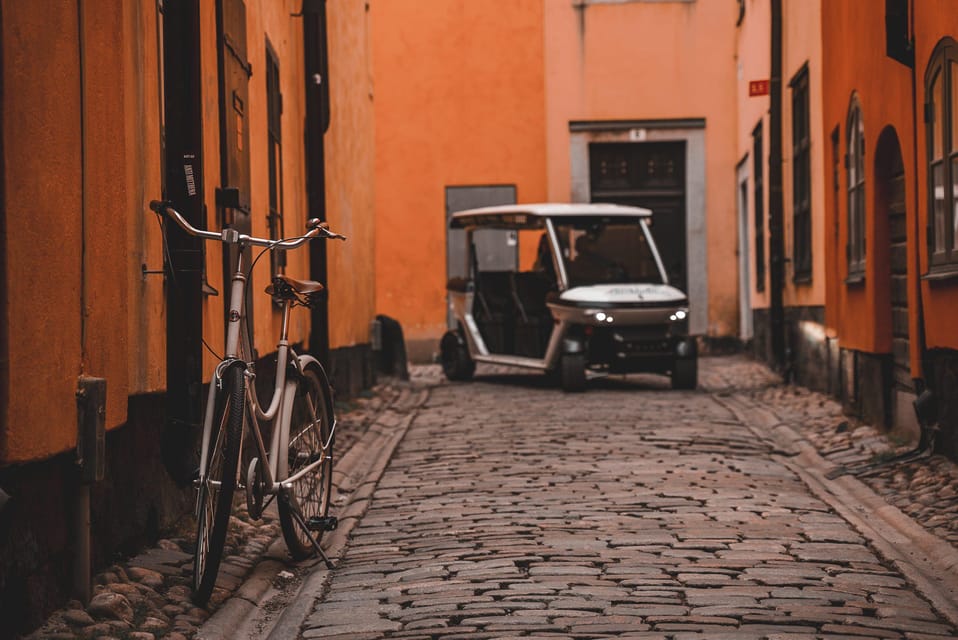
The other big reason I’d recommend it: you spend your “energy budget” on seeing, not walking. One recurring theme is how people used the cart to reach streets and small corners that would be slow or tough on foot, including narrow cobblestones and steep grades.
You can also read our reviews of more private tours in Stockholm

Pricing That Makes Sense When You Compare Time, Not Just Tickets
At $65 per person with a 1 to 2 hour slot, the price is easiest to judge against alternatives like walking long distances or hopping on a standard bus and hoping it stops where you want. A big part of what you’re buying here is time-efficient orientation plus guiding.
Here’s the practical math: in one hour, you can get a solid overview of major sights and photo angles. In two hours, you can reach more areas and still keep it relaxed. If you’re the type who likes to plan the rest of the day after you understand where things sit, this usually pays off.
Also, private means the guide can respond to your group’s pace and preferences. In feedback tied to this tour, guides were repeatedly praised for stopping for photos, adjusting for bathroom breaks, and even making small routing decisions to reduce stress. That matters in Stockholm, where “just walk there” can turn into a long, cold trudge.
Getting On Board at Skeppsbron and How the Ride Feels
Most departures start at Skeppsbron 25. The exact meeting point can vary depending on the option you choose, but this is the key address to anchor your schedule.
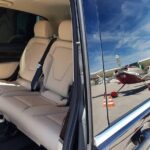
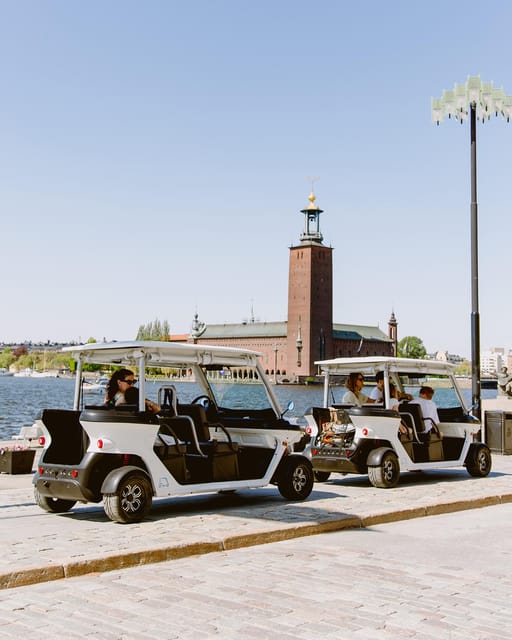
The cart setup is designed to be easy to get into and out of, and it runs as a smooth, guided “drive + stop” format rather than a rigid bus route. One review mentioned the cart having coverings for cold weather (plastic curtains) and the crew bringing blankets, which is a good hint for autumn and winter days.
If you’re traveling with mobility needs, pay attention to how the tour responds. Reviews mention arrangements for a folded electric wheelchair and a folding rollator, and that the team made room for these devices. That doesn’t mean every situation is identical, but it strongly suggests you should contact the operator with specifics if you have any special requirements.
The Palace and Government Core: Where Stockholm Looks Most Like It Does on Postcards
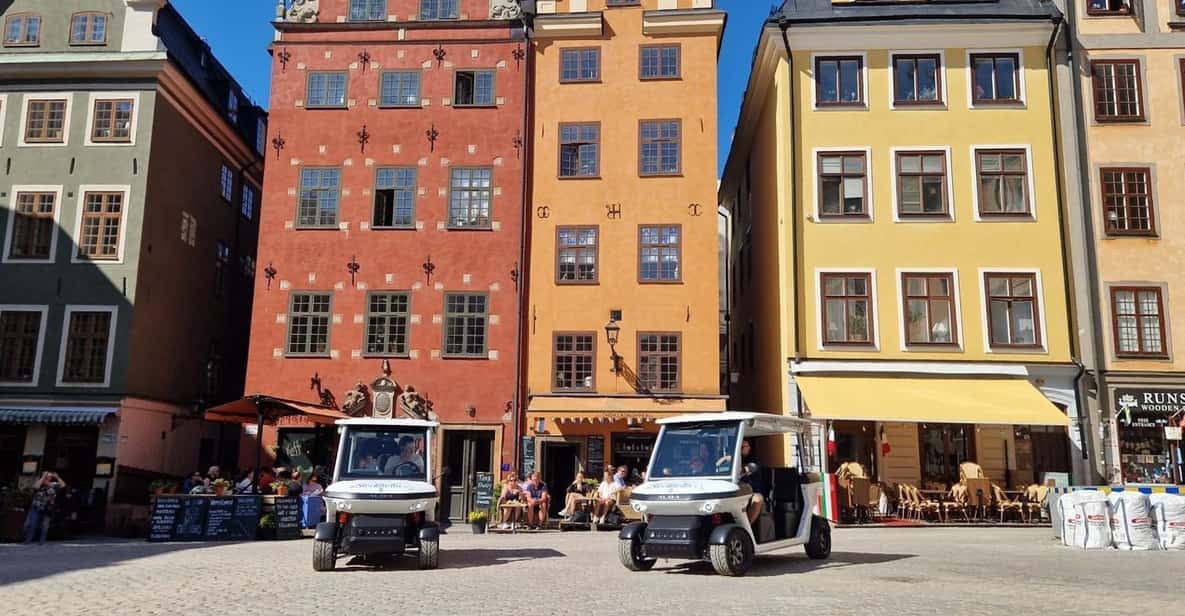
This part of town is the “big landmarks, quick orientation” zone. If you only had a short visit, this is where you’d want your first ride.
Royal Palace area and the Changing of the Guard zone
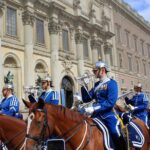
You pass by the Royal Palace, one of Europe’s largest royal residences. The tour highlights the daily Changing of the Guard experience, which is one of the most reliable “plan your photos here” moments in central Stockholm. Even if you don’t go inside, the exterior views and the way you’re positioned for the guard area help you understand the layout around the palace.
A practical tip: if you care about watching the guard, build in time for waiting and photo setup. Private tours make this easier than bus timing.



Nationalmuseum and the “arts boulevard” feel
From the palace zone, you slide toward the Nationalmuseum area. This is less about a timed museum visit and more about seeing how the city organizes cultural buildings along major corridors.
Parlement House (Riksdag) and the neoclassical look
You’ll also go by the Parliament House, described as Sweden’s political heart with a stunning neoclassical building. This is the point where the guide’s storytelling can really help. You’re not just looking at architecture; you’re learning what each institution represents and how the city grew around them.
Museums by the Water: AF Chapman, Moderna Museet, and the Islet Detours

Stockholm’s “islands with museums” vibe is hard to grasp from photos. From the cart, it clicks because you ride across edges and viewpoints instead of walking up and down hills repeatedly.
AF Chapman and the waterfront atmosphere
You pass by AF Chapman and can use that moment as a calm “waterfront reset.” It’s a good example of the cart’s strength: you glide to a place where you can look out, then keep rolling without losing momentum.
Moderna Museet Sculpture Park and modern art angles
You’ll pass by Moderna Museet Sculpture Park and other modern art spaces like the Museum of Modern Art area. Even if you don’t enter, the exterior stops help you see how modern museum architecture sits within the city’s older street lines.
Kastellholmen and Torpedverkstan
You pass by Kastellholmen and Torpedverkstan. These stops work well as “context markers.” They show you how Stockholm connects military/industrial history with today’s visitor culture. If your guide explains the neighborhood meaning while you ride, you’ll get more out of these pass-by points than you would by staring at a building and guessing.
Eric Ericsonhallen and the Far Eastern Antiquities photo stop
You also pass by Eric Ericsonhallen and stop near the Museum of Far Eastern Antiquities for photos. The Far Eastern stop is labeled as a photo opportunity, which tells you how the operator thinks: they know you’re there to capture views and angles, not to squeeze in every ticketed attraction.
Djurgården on the Longer Option: Vasa, ABBA, Skansen, and the Museum Island Mix

The cart is especially good for the Djurgården museum area, because it’s a stretch that can drain your legs. On the longer ride, you can reach the cluster of major attractions.
Vasa Museum: the “why Stockholm matters” stop
You’ll get to Vasa Museum for sightseeing. The tour info points out the ship as the world’s best-preserved 17th-century warship. Even without tickets, this stop anchors your trip. It helps you understand Stockholm’s maritime identity in a way that a viewpoint alone can’t.
ABBA The Museum: pop culture as a city highlight
You can also reach ABBA The Museum, described as an interactive tribute to Sweden’s legendary pop group. It’s a reminder that Stockholm isn’t only palaces and churches. It’s also modern creativity that locals and visitors both treat as part of the city’s story.
Skansen: open-air history and Nordic wildlife context
Another key stop is Skansen, described as the world’s oldest open-air museum, featuring Nordic wildlife and historic buildings. If you’re the type who likes to compare “then vs now,” this stop is a strong waypoint for the day.
Djurgårdsstaden, Nya Djurgårdsvarvet, and bay views
You’ll pass through or sightseeing-drive by Djurgårdsstaden and Nya Djurgårdsvarvet. These are where bay views and the shoreline feel come through. The value here is less about specific tickets and more about the sense of place—the city’s waterways shape how neighborhoods connect.
Old Town Orientation: Norrmalmstorg, Kungsträdgården, Opera, and the Churches
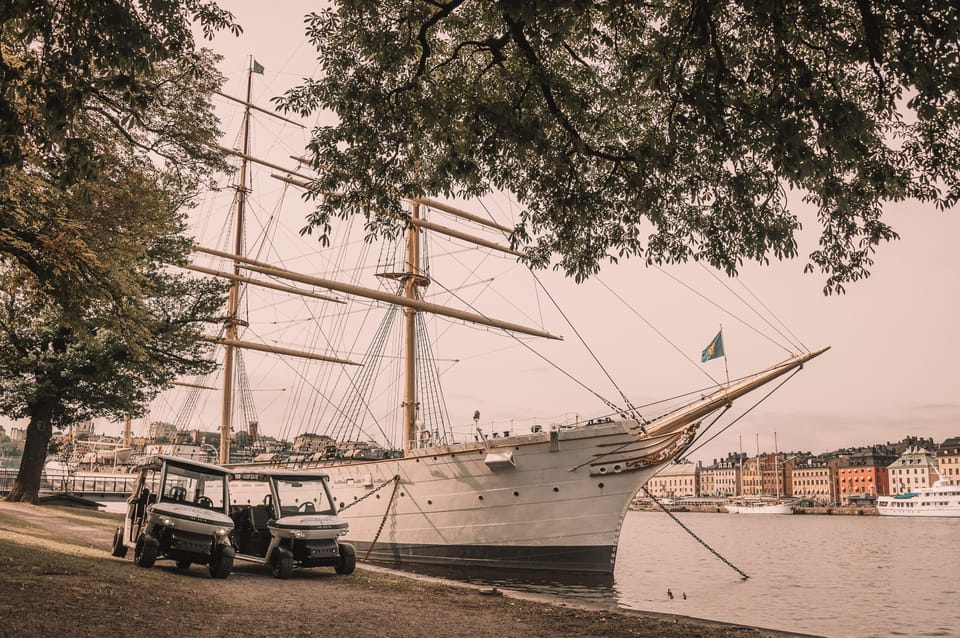
Stockholm’s old center is where you get the “walkable cobblestone look,” but riding helps you avoid fatigue.
Norrmalmstorg and the Stockholm Syndrome origin fact
You’ll go through Norrmalmstorg, noted as the birthplace of the term Stockholm Syndrome. This is a classic example of why audio and live commentary matter. Without context, you might just see a public square. With it, it becomes a story spot you can place on your mental map.
Kungsträdgården Park and the theater-soaked core
You pass by Kungsträdgården Park, then continue toward the Royal Swedish Opera. These stops help you understand where cultural venues sit relative to the political and waterfront zones.
Lejonbacken, House of Nobility, Birger Jarls Torg
You’ll also pass by Lejonbacken, the House of Nobility, and Birger Jarls Torg. These are exterior views, but they do a job: they teach you the city’s geography. You’ll start noticing how the neighborhoods step up and how routes thread between parks, institutions, and older blocks.
Riddarholmen Church and Birger Jarl’s Tower
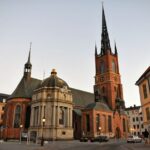
You’ll pass by Riddarholmen Church and Birger Jarl’s Tower. If you’re visiting for a first look, this combo is helpful. It gives you a skyline reference point and a sense of which church towers are meant to be seen from across water and streets.
Stockholm Cathedral and the royal coronation link
You’ll end up at Stockholm Cathedral, described as the city’s oldest church and the site of royal coronations. This is a “stand back and look” stop where the guide’s explanations turn the exterior into a meaningful reference point.
Panoramas and Hills: Monteliusvägen, Katarinahissen, and the Photo Stop Logic
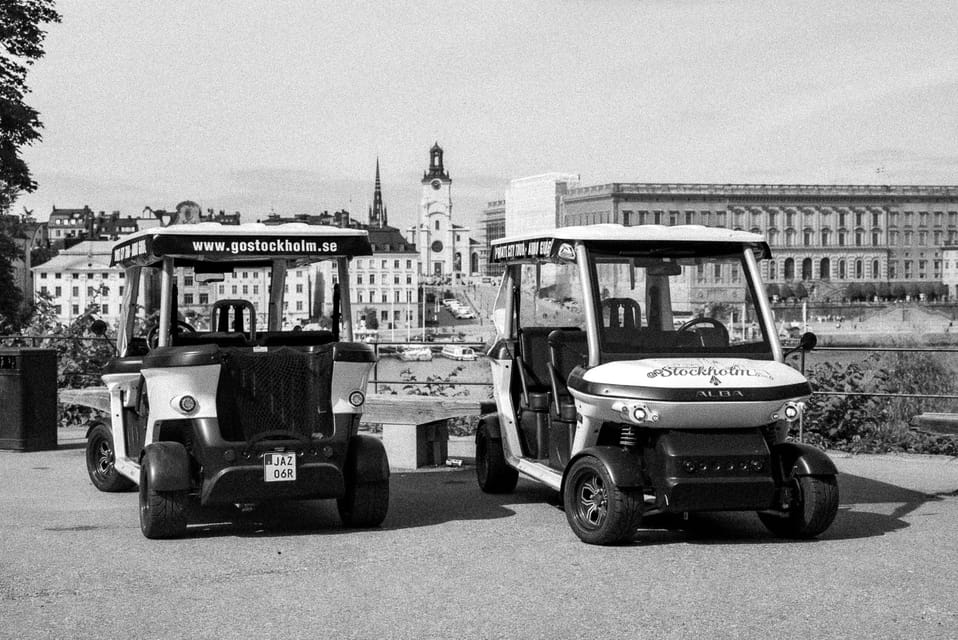
One of the best parts of this tour model is that it includes photo stops that are clearly chosen for viewpoints, not just landmark names. That matters because Stockholm’s biggest visual payoffs often sit on slopes and terraces.
Per Anders Fogelströms Terrass and Monteliusvägen
You’ll have photo stops at Per Anders Fogelströms Terrass and Monteliusvägen, both called out as panoramic locations. These are the kinds of places where, from the cart, you can stop quickly, frame a view, then keep moving without losing your whole hour.
Mariahissen, Katarinahissen, and the scenic-drive moments
The route also includes Mariahissen and a panoramic view from Katarinahissen. When a tour includes these moments, you get more than sightseeing; you get an instant understanding of how Stockholm climbs. You’ll probably find it easier to plan the rest of your walk routes after seeing the city from these angles.
Teater Rival, churches, and neighborhood texture
You’ll pass by Teater Rival and St. Mary Magdalene Church, plus other church-and-building exteriors like Finska kyrkan and Tessin Palace. You might not spend long at each spot, but together they create neighborhood texture. That’s a real value because Stockholm’s charm is in how everything layers: old streets, civic buildings, and waterfront lines all in one ride.
The Soundtrack: Live English + Audio in 8 Languages
The tour uses audio systems and includes multilingual listening. The audio languages listed are English, German, Spanish, Polish, Swedish, Dutch, Italian, and French. The live guide is in English, and live commentary languages are also listed as English, Swedish, and Polish.
For you, this means two things:
- If you have a mixed-language group, nobody gets left behind.
- If you want to focus, you can listen while you ride, then save questions for stops.
In feedback tied to this experience, the audio approach shows up as short explainers at tourist spots, which helps you understand what you’re seeing before you move on. It’s also why the cart works for short visits: you don’t need a long written guide to catch the essentials.
Comfort in Real Weather: Blankets, Plastic Curtains, and Dressing Like a Local
Autumn in Scandinavia can change fast. The tour info directly flags that it can get colder when riding since the cart is airy, so bring warm clothes like a jacket, scarf, hat, and even gloves.
From real usage notes, the team may provide plastic curtains to block wind and keep you warmer in chilly conditions. That’s not just comfort—it’s also practical because if you’re not freezing, you’re more likely to actually enjoy the commentary instead of just surviving the ride.
If rain is in the forecast, this setup is a big reason to choose the cart over walking. You still get the full route rhythm without the constant “find shelter, lose time” loop.
Who This Tour Fits Best (And Who Might Want Something Else)
I’d put this tour high on the list if any of these sound like you:
- You have limited time and want a first orientation sweep.
- You want a private format without crowds.
- You have mobility limits, uneven-ground concerns, or you’d rather not tackle cobblestones and hills on foot.
- You want a guided storytelling layer while still getting to take photos.
It might be less ideal if you’re chasing a “ticket-and-fully-explore” day. Since entrance fees aren’t included, many stops are exterior views and photo moments. If your main goal is museum time inside, you’ll still need to plan separate ticket visits.
One more note: it’s not a slow drive with no momentum. Some feedback mentions the ride feeling quick, which can be fun if you like seeing a lot in a short window. If you want a slow, lounging pace, you may want to pick the longer duration and ask for extra photo time.
Small Planning Tips That Make a Big Difference
A few practical things I’d do before booking:
- Plan your main museum day separately if you care about inside exhibits. The cart is a fast orientation and photo platform.
- Bring a warm layer even in mild weather, since the cart rides can feel cooler and airier.
- If you’re arriving by cruise at Nynäshamn Cruise Port, one practical approach mentioned in feedback was taking a pre-booked Uber to reach Skeppsbron 25 smoothly.
- If you need bathroom breaks, build it into your expectations and let the guide know early. Multiple guide reports highlight adapting to breaks and comfort needs.
Also, the tour includes scenic photo stops at spots such as Per Anders Fogelströms Terrass and Monteliusvägen. If photography matters, pack what you need and plan to move your body a little when you stop, so you can take advantage of the view windows.
Should You Book This Stockholm Private Golf Cart Tour?
If you’re trying to see Stockholm without exhausting yourself, I think this is a smart move. At $65 per person, the value comes from private pacing, quiet comfort, and the guide-and-audio storytelling layer that helps you connect landmarks into a single mental map.
I’d book it if you want:
- a first-day orientation,
- easier access to steep and cobblestone areas,
- and a relaxed way to choose what you’ll explore on foot later.
I’d think twice if you want lots of time inside museums or you prefer a fully ticketed itinerary. This tour shines as the ride that helps you plan the rest.
FAQ
How long is the Stockholm Private Golf Cart Tour?
You can choose a 60-minute option or a 120-minute option. The activity is listed as 1–2 hours, depending on what you book.
How much does the tour cost?
The price is listed as $65 per person.
Is this a private tour or shared group?
It’s a private group experience, so you won’t be doing it with strangers.
What languages are available during the tour?
You’ll have a live guide (English is included, with guide languages listed as English, Swedish, and Polish) and a multilingual audio guide in multiple languages.
Which languages are included in the audio guide?
The audio guide is included in 8 languages: English, German, Spanish, Dutch, Italian, French, Polish, and Swedish.
Is the tour wheelchair accessible?
Yes. The tour is listed as wheelchair accessible, and it’s designed to be ride-friendly for people with disabilities.
Are pets allowed?
Yes. The tour is pet-friendly, with small, well-behaved pets welcome.
Are meals and drinks included?
No. Food and drinks are not included, but you’re welcome to bring your own.
Do I need to buy museum tickets separately?
Yes. Entrance fees to attractions are not included, so museum visits require separate admission if you want to go inside.
Where does the tour usually start and end?
The standard meeting point is Skeppsbron 25, and the drop-off is listed as Skeppsbron 25 as well. Meeting point can vary depending on the option booked.