REVIEW · STOCKHOLM
Swedish Design Tour
Book on Viator →Operated by Tours of Stockholm · Bookable on Viator
Good design hides in everyday choices. This Swedish Design Tour puts that idea front and center, using real Stockholm examples to show how Swedish style keeps evolving without losing its practical, sustainable core. You’ll also get a clear explanation of Swedish design traits like eco-friendly production, plus the country’s push for transparency in how products are made and sold.
Two things I really like: first, the tour connects design to lifestyle, not just aesthetics. Second, you get enough context to shop smarter afterward, because you’ll understand the “why” behind materials, production choices, and simple forms. One consideration: with a short 2-hour format, the experience depends a lot on the day’s open/closed venues, so you’ll want a flexible mindset if an intended stop isn’t accessible.
If you care about Scandinavian interiors, clean lines, and products that don’t feel disposable, this is a solid use of time in Stockholm. The small group size (up to 10) also means you can ask questions without feeling rushed. And yes, the meeting point is easy to find if you start at Hotel Diplomat on Strandvägen.
In This Review
- Key things to know before you go
- Swedish design feels like a lifestyle, not a look
- The 2-hour format: what you gain, what you might miss
- Starting at Hotel Diplomat and ending where you began
- How the walk teaches Swedish design: sustainability you can see
- The smartest part: learning how to shop for real style
- Your guide is the difference: Dimitri and the design-industry lens
- Weather and closures: how to keep the day on track
- What to look for during your Swedish design stop
- Buying Swedish design: how to get value at around $56.83
- Who should book this tour?
- Should you book the Swedish Design Tour?
- FAQ
- How long is the Swedish Design Tour in Stockholm?
- What’s the group size?
- Where does the tour start?
- Is the tour offered in English?
- Is there an admission fee included?
- What is the cancellation policy?
Key things to know before you go
- Small group size (max 10) keeps the pace friendly and question-friendly.
- Practical sustainability is the theme, not just pretty furniture.
- Tour focus on transparency explains how production and product stories connect.
- Time to shop for stylish pieces with a better sense of what you’re buying.
- English guide with design-industry insight, including stories from Dimitri.
Swedish design feels like a lifestyle, not a look

Swedish design has a way of sneaking into daily life. The point here is simple: in Sweden, design often means how you live—how a room functions, how objects last, and how everyday items are produced with care. On this tour, you’ll hear that Swedish design is tied to lifestyle choices, not just style trends.
You’ll also get a strong sense of what makes Swedish design feel distinct. The tour frames it around two big ideas. One is environmentally friendly production, supported by Sweden’s long tradition of making with responsibility. The other is transparency—both about products and about production methods—so you can see what you’re buying and why it exists.
That framing matters because it changes how you look at what you see in shops and showrooms. Instead of thinking, This is nice, you start thinking, This makes sense. That mindset is the real value of a design tour like this: it helps you notice function, quality, and craft signals that your eye might otherwise skip.
You can also read our reviews of more tours and experiences in Stockholm.



The 2-hour format: what you gain, what you might miss
This experience runs about 2 hours. That’s short enough to fit into a normal sightseeing day, but long enough to build real understanding—especially with a guide who can connect the dots between objects, design philosophy, and how Stockholm sells design.
For most people, 2 hours hits a sweet spot:
- You get enough time to see multiple examples of Swedish design and hear the ideas behind them.
- You still have energy afterward to browse stores at your own pace.
- You can pair it with other nearby stops in central Stockholm without the schedule feeling fragile.
The main limitation is obvious: you can’t cover everything about design culture in a single walk. If you’re hoping for a deep technical course or a full-day museum program, you may feel the time constraint. But if you want a focused introduction plus a practical shopping advantage, the length works well.
Starting at Hotel Diplomat and ending where you began
The meeting point is Hotel Diplomat, Strandvägen 7C, 114 56 Stockholm. The tour ends back at the meeting point. That matters more than people think. In a city with great public transit and lots of walking routes, a loop like this keeps things simple. You don’t need to navigate a complicated finish location after a short, information-packed experience.
It’s also an area that’s easy to reach using public transportation, which helps if your Stockholm plans shift. And because the tour is designed for broad participation—service animals are allowed and most people can join—this feels like a low-friction activity for a wide range of visitors.
How the walk teaches Swedish design: sustainability you can see
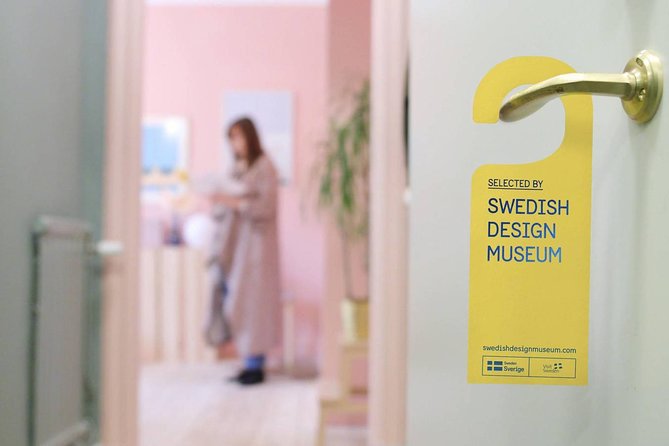
The tour’s core theme is that Swedish design is practical and sustainable. That’s not a slogan here. You’ll get an explanation of what sustainable production looks like in the Swedish design world and why it’s part of the culture’s identity. In other words, you’re not just being told to admire objects. You’re being taught how the objects reflect values.
This is where the “transparency” emphasis comes in. Sweden places importance on openness about how world-class products are made. So instead of treating design as something mysterious, the tour encourages you to look for the product story. You might notice how materials are discussed, how manufacturing choices are explained, or how brands frame their process in plain language.
Why that matters for you:
- It makes shopping less risky. You can ask better questions because you know what to listen for.
- It helps you separate real quality signals from marketing fluff.
- It gives you ideas for home updates that match Swedish design principles, not just a single trendy item.
The result is a tour that feels useful even if you don’t buy anything. You’ll leave with a mental checklist for spotting design decisions that support longevity, usability, and responsible production.
The smartest part: learning how to shop for real style
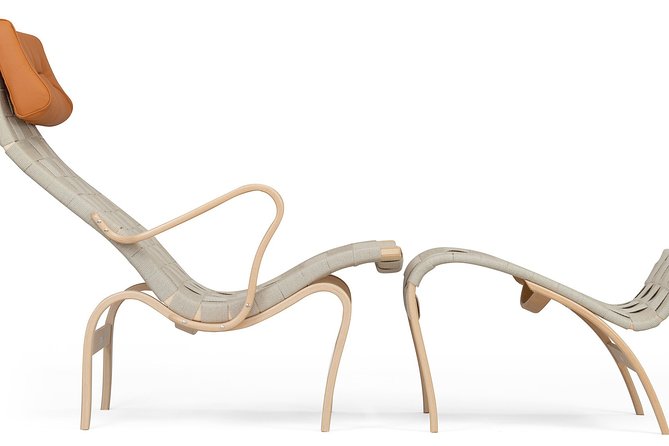
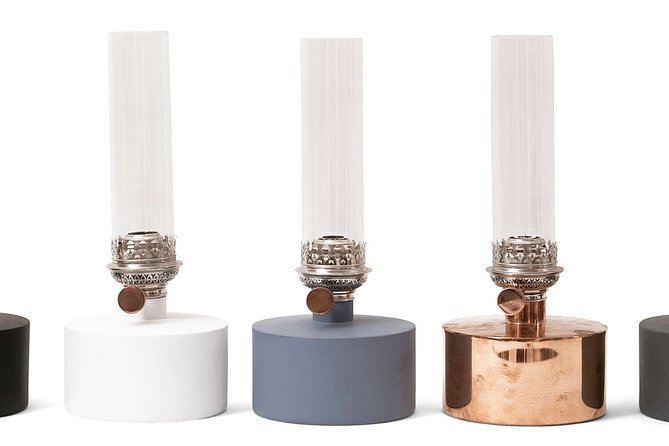
One of the tour highlights is the opportunity to purchase unique and stylish design pieces. That’s not just a sales pitch. The value is that you’ll have context while you’re in the decision zone.
Here’s what you can use the tour for, even if your wallet stays closed:
- Understanding why Swedish design often favors simplicity and clarity in form.
- Paying attention to material choices and how they affect durability and feel.
- Noticing how function drives decisions, especially in home items and everyday objects.
- Getting a clearer sense of what “Swedish design” means beyond famous names.
This is especially helpful if you like the look of Scandinavian interiors but you’re unsure what’s worth paying for. Swedish design can look effortless, but it often reflects careful decisions behind the scenes. Once you know what those decisions are, your shopping becomes more intentional.
And because the group is small (up to 10), your guide can adapt to what you care about. One of the strongest themes from the experience feedback is that people felt the guide was genuinely invested in the design conversation and helped them connect what they saw to what they might do at home.



Your guide is the difference: Dimitri and the design-industry lens

A big part of why this tour earns high marks is the guide. In the feedback, Dimitri comes up often. People describe him as a treasure and highlight his in-depth knowledge of Swedish design and the design industry.
That matters because Swedish design doesn’t explain itself. You can walk through a shop and admire products, but without someone translating the ideas, it turns into just browsing. A strong guide changes the whole experience. You start linking:
- the design philosophy to the product choices you’re seeing
- the sustainability story to the materials and production approach
- and the transparency idea to the way brands communicate
The other side of that coin is also worth saying. In one experience, the intended stops were closed and the guide didn’t seem fully prepared, which led to a more generic, less polished experience. I’m not expecting that to be your day. But it is a good reminder that with short tours, preparation affects quality. If you’re booking and you care a lot about specific venues, keep a flexible mindset and be ready to shift from site-specific details to broader design education if needed.
Weather and closures: how to keep the day on track
This tour requires good weather. Since it’s a walking-style experience in Stockholm, rain and cold can make the route uncomfortable and can affect what’s practical for stops.
Also, some design-related venues may not always be open. One piece of feedback referenced an attempt to head toward the Modern museum and the Architecture Center, but those were closed at the time. That led to a faster pivot back toward the start area.
So here’s my practical advice:
- Dress for walking in real Stockholm conditions, not the forecast you wish you had.
- Bring a mindset that the tour’s main goal is Swedish design understanding, not a single guaranteed building visit.
- If you have very specific questions about products or brands, write them down before you start so you don’t lose them if the route changes.
When the day is running smoothly, you’ll get a satisfying mix of explanation and real examples. When something is closed, the tour should still give you value through the design-industry context and the shop time.
What to look for during your Swedish design stop

You’ll likely spend time near notable design shops and examples of Swedish design where you can see the philosophy at work. Here’s what I’d focus on as you walk, so you get more than surface-level inspiration.
Look for:
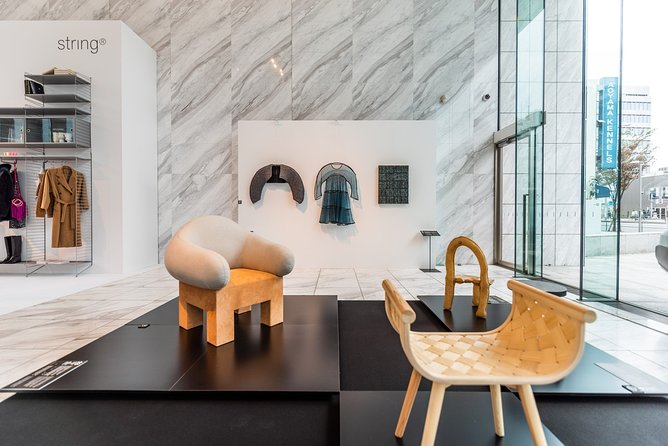
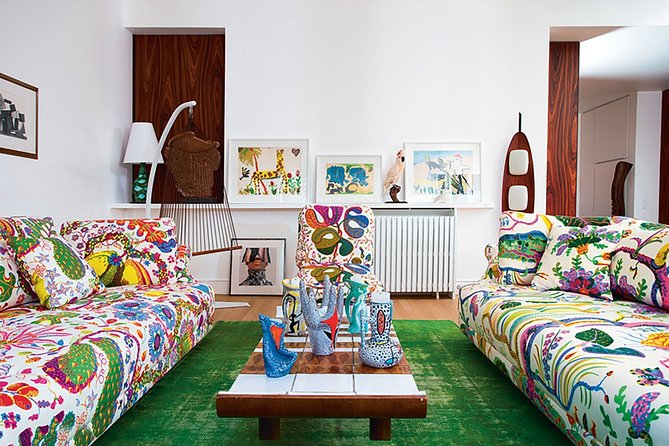
- Simple forms with strong function: Swedish design often uses clean lines that still feel grounded in everyday use.
- Material honesty: pay attention to how items are finished and what materials are emphasized.
- Production and process talk: transparency shows up when brands explain how and where items are made.
- Durability cues: even if you don’t check every detail, see whether the products are made to last.
Then ask questions that match the tour theme:
- What makes this piece typically Swedish in approach?
- How does the brand talk about eco-friendly production?
- What should I know about how it’s made, not just how it looks?
If you’re thinking about buying something, this is where your learning pays off. You’ll be less likely to grab a decorative item that doesn’t fit your space or your needs.
Buying Swedish design: how to get value at around $56.83
The price is $56.83 per person for about 2 hours. That’s not cheap, but it can be good value if you use the time well. The real “purchase” you’re making is guidance that helps you understand what you’re seeing and gives you a shopping advantage afterward.
Also, the tour notes group discounts and an admission ticket is free. That suggests you’re not paying extra for basic entry as part of the experience, which helps keep your overall day budget tidy.
To get good value from this price, do two things:
- Treat it like an education session, not just a walk. Ask questions. Pay attention to the why.
- If you plan to buy, decide ahead of time what category you want: lighting, textiles, small objects, or a statement piece. A clear category prevents impulse buys when you’re feeling inspired.
Swedish design pieces can range widely in cost. If you’re on a budget, small items that show materials and craft decisions can still feel special. And even if you don’t purchase, the tour should leave you with better taste and clearer direction for future shopping in Stockholm.
Who should book this tour?
This is a great match if you:
- love Scandinavian interiors and want the cultural logic behind the look
- plan to shop for home items and want to make smarter choices
- enjoy short, guided walks with a clear theme and a small group
- care about sustainability and transparency as more than buzzwords
It may not be the best fit if you:
- want a full-day museum itinerary or heavy architectural sightseeing
- need a strict checklist of specific buildings that are guaranteed to be open every time
- dislike walking or prefer a totally indoor, seated experience
Should you book the Swedish Design Tour?
I’d book it if you want a focused, practical introduction to Swedish design in Stockholm, with time to look at real products and a guide who can explain the industry perspective. The best sign is how often Dimitri is praised for design knowledge and for making the information feel enjoyable and usable. The small group size also helps you get answers instead of just hearing a script.
If you’re booking at a time when weather could be rough, plan accordingly and keep your expectations flexible. And if a specific venue ends up closed, don’t panic. The tour’s real strength is the design-thinking behind the objects you’ll encounter, and that should still land—especially if you show up ready to ask questions and browse with purpose.
FAQ
How long is the Swedish Design Tour in Stockholm?
It’s about 2 hours.
What’s the group size?
The tour has a maximum of 10 travelers.
Where does the tour start?
It starts at Hotel Diplomat, Strandvägen 7C, 114 56 Stockholm, Sweden.
Is the tour offered in English?
Yes, it’s offered in English.
Is there an admission fee included?
The tour notes an admission ticket free.
What is the cancellation policy?
You can cancel for a full refund up to 24 hours in advance. The experience requires good weather; if it’s canceled due to poor weather, you’ll be offered a different date or a full refund.