REVIEW · STOCKHOLM
World War II Stockholm Old Town Walking Tour and Army Museum
Book on GetYourGuide →Operated by Rosotravel Sweden · Bookable on GetYourGuide
Sweden’s WWII story is anything but simple. This private, expert-led walk through Gamla Stan turns the usual neutrality lecture into something you can see on the streets, from the Royal Palace area to war monuments and Parliament House, while keeping the human story of Raoul Wallenberg right in the mix.
I especially like how the guide ties politics to everyday reality: you’re not just collecting dates, you’re tracking how Sweden’s position shifted during the war, including the question of whether Jewish refugees were welcome. I also like that you get a 5-star licensed guide and a tight “question-and-answer” feel, where you can ask why Sweden stayed neutral and what that meant for people trying to survive nearby.
One thing to consider: if you choose the 2-hour option, the Army Museum isn’t included, so you’ll miss the in-depth museum time and its Raoul Wallenberg–focused exhibition.
In This Review
- Key highlights worth planning for
- Entering WWII Stockholm: Why this walk works
- Meeting at Lars Johan Hierta Monument: Press freedom meets war politics
- Royal Palace, Storkyrkan, Parliament House: War-era power in plain sight
- War monuments and the question of how neutrality helped Germany
- Berzelii Park and the Remembrance Path: Raoul Wallenberg’s rescue story
- How the war shaped Nobel Prizes and cultural life
- The optional Army Museum (only on the 3-hour tour)
- Price and value: Is $205 per person fair for 2–3 hours?
- Who this WWII Stockholm Old Town tour is best for
- Should you book this tour?
- FAQ
- How long is the WWII Stockholm Old Town Walking Tour?
- Where does the tour meet?
- Is this a private tour?
- What language options are available?
- Is the Army Museum included on the 2-hour tour?
- What’s included on the tour?
- What can I expect to learn about Swedish WWII neutrality?
- Does the tour include Raoul Wallenberg’s story?
- Is the tour wheelchair accessible?
- What are the cancellation terms?
Key highlights worth planning for
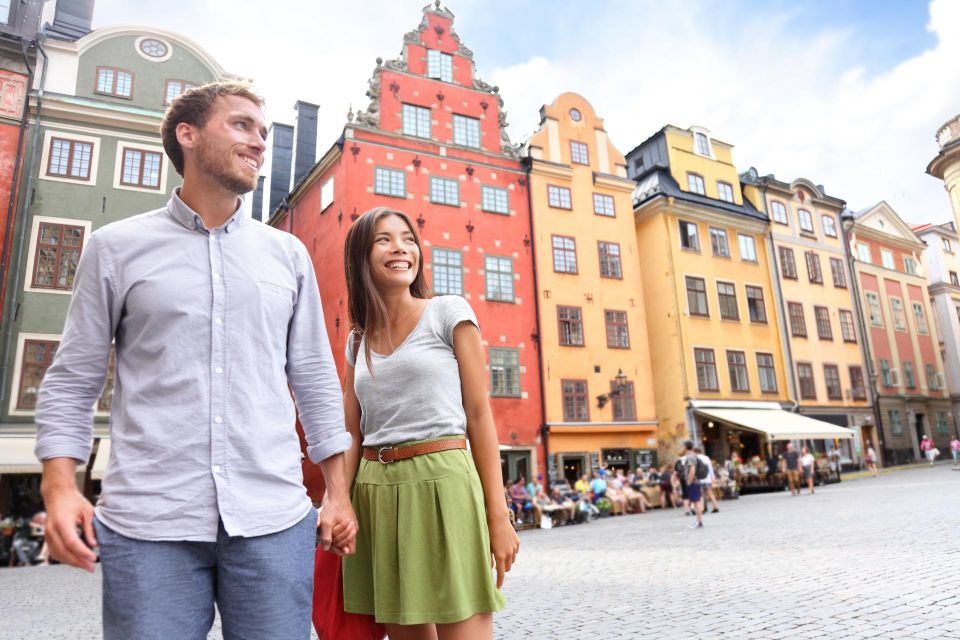
- Start at Lars Johan Hierta Monument and get the political backdrop before you even hit the main streets
- Gamla Stan monuments and landmarks that connect war decisions to real locations
- Sweden’s neutrality, explained as it changes over time, including how it affected Germany
- Raoul Wallenberg’s rescue story and how it fits into Jewish escape routes from occupied Denmark and Norway
- Remembrance Path in Berzelii Park for a more reflective stop, not just sightseeing
- Optional Army Museum visit (3-hour tour) with documents, uniforms, weapons, trophies, and more
Entering WWII Stockholm: Why this walk works
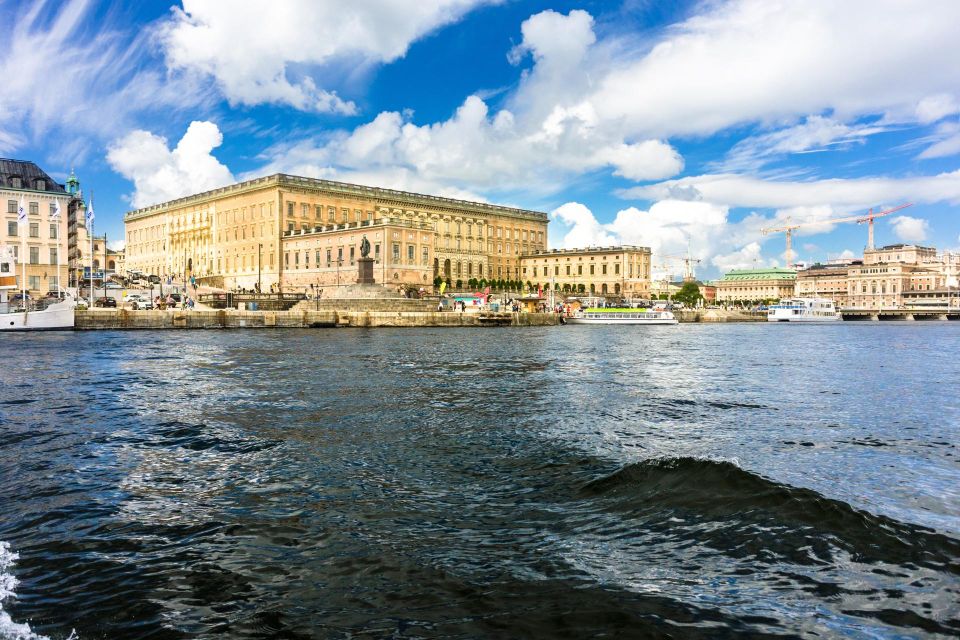
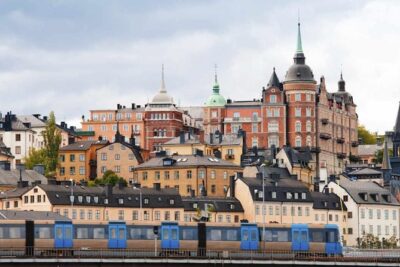
Stockholm’s Old Town is dramatic enough on its own. Narrow streets, stone façades, and big civic buildings make it easy to “feel history.” What’s smart about this tour is that it uses that setting to explain a hard topic without making it abstract.
Instead of treating neutrality like a one-time decision, you follow how Sweden’s stance developed as the war progressed. You’ll also hear direct coverage of the uncomfortable parts of the story—like how neutrality could help Germany in practice, and how that sat alongside Sweden’s official posture and moral debates.
And you get more than head-spinning politics. The tour is built around people and choices. You’ll connect the humanitarian efforts to save Jewish people during the Holocaust with the broader wartime context around Scandinavia—especially the flight routes tied to the German occupation of Denmark and Norway.
If you like history that has consequences—economic, political, and personal—this format fits.
You can also read our reviews of more walking tours in Stockholm
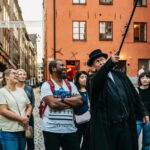
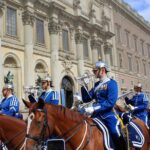
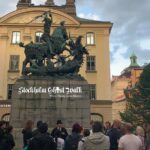
Meeting at Lars Johan Hierta Monument: Press freedom meets war politics
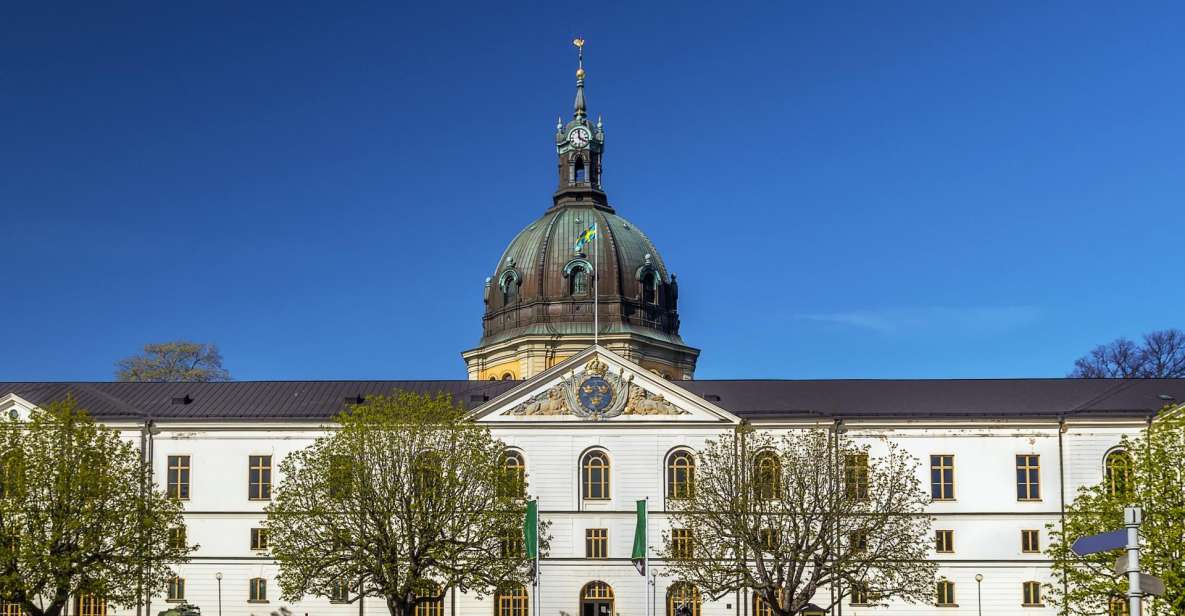
Your guide meets you at the Lars Johan Hierta Monument, Riddarhustorget 9, 111 28 Stockholm. It’s a great choice, because it sets up a theme you’ll hear again and again: how information, institutions, and public life work under pressure.
From here, the tour starts with the beginning of WWII and Sweden’s neutrality. You’ll get the historical context for why neutrality mattered to Sweden’s security and how that neutrality changed as the conflict intensified. This is where the guide’s job really shows: they keep the story organized so you don’t get lost in a blur of alliances and dates.
You’ll also learn how Sweden’s royal family, government, and church responded as the war moved forward. That matters because neutrality wasn’t only foreign policy. It also shaped domestic climate—what people could say, what institutions had to do, and how the public understood the war across the water.
Royal Palace, Storkyrkan, Parliament House: War-era power in plain sight

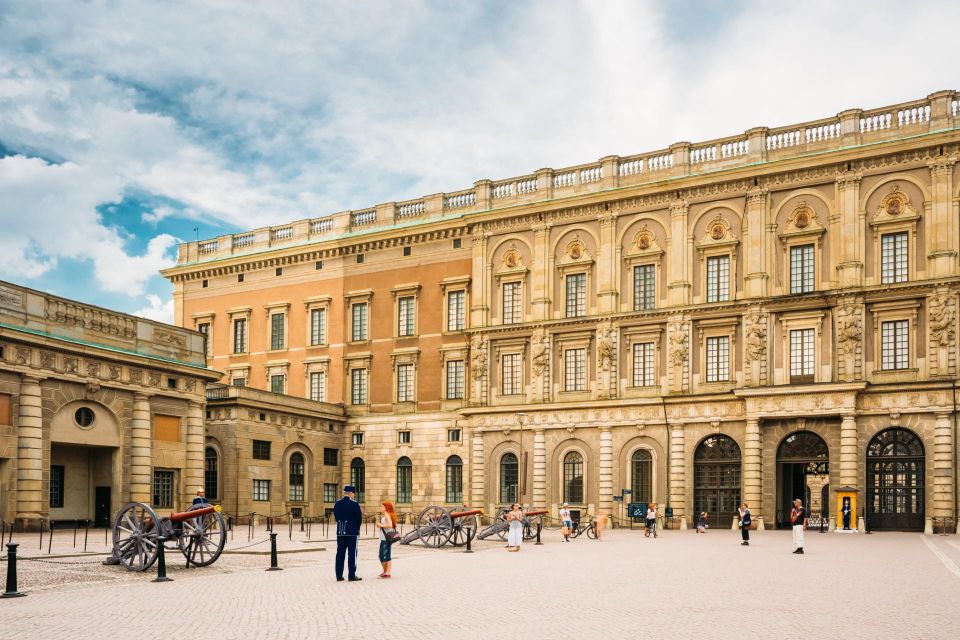
Once you’re moving through Gamla Stan, the tour starts pointing out the big “you can see it” locations that stand for state power. You’ll admire the Royal Palace area and hear how Sweden’s political system operated while the world around it was collapsing.
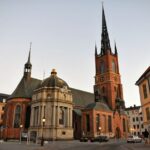
A key stop is Storkyrkan (the Cathedral). It helps the story land because it’s not just a sightseeing pause. You’ll connect the religious and social institutions to the war-era climate—again, not as a separate topic, but as part of how Sweden framed its responsibilities and limits.
Then you head toward Parliament House. This is where you’ll hear how the war influenced domestic politics and foreign trade. Even if you know the broad outline of WWII, it’s often surprising to learn how trade pressure and fear of retaliation can shape policy decisions as much as military threats do.
One more practical detail: the walk is structured as a “route story.” Stops are arranged so you’re not sprinting between random landmarks. You get the context as you arrive, which makes each place feel like evidence instead of a photo-op.
War monuments and the question of how neutrality helped Germany
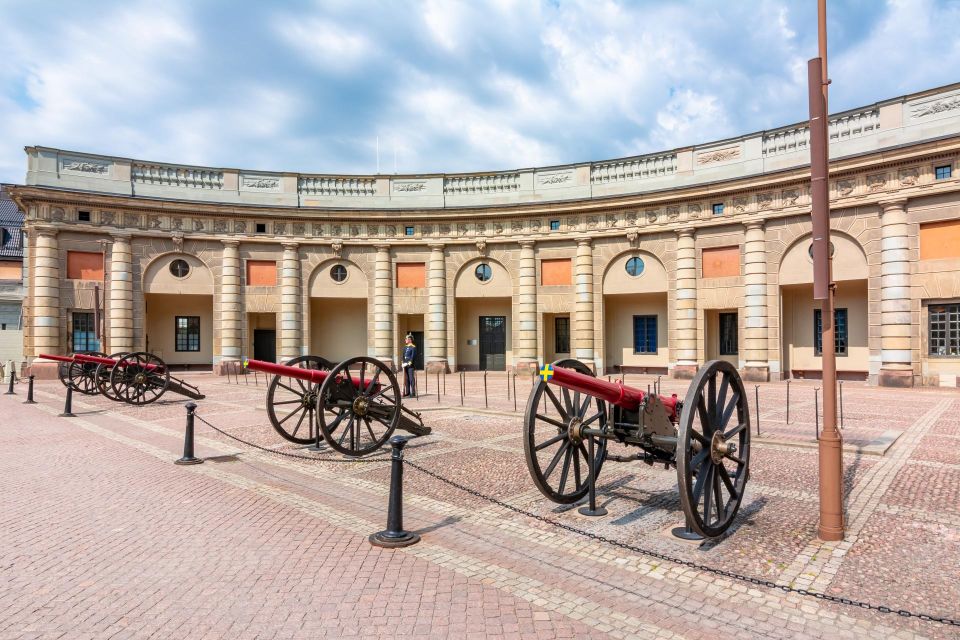
The tour doesn’t dodge the tricky question you came for: Sweden’s role in WWII, including how neutrality helped the Germans. That’s the part that can feel uncomfortable because neutrality is often sold as purely defensive.
Here, you’ll hear the argument and the context behind it—why neutrality could function as a lifeline for Germany’s plans, and why that created moral and political stress inside Sweden. The guide also connects the dots to domestic politics and foreign trade, so neutrality doesn’t stay trapped in foreign-policy theory.
You’ll also cover the Soviet bombings of Sweden. This matters because it shows Sweden wasn’t insulated by neutrality in the way people sometimes assume. When violence hits nearby, policy becomes less “stance” and more “survival strategy.”
If you’re the type who wants black-and-white answers, this tour may not satisfy that. But if you want the real thing—how hard choices get made under pressure—it’s exactly the right tone.
Berzelii Park and the Remembrance Path: Raoul Wallenberg’s rescue story
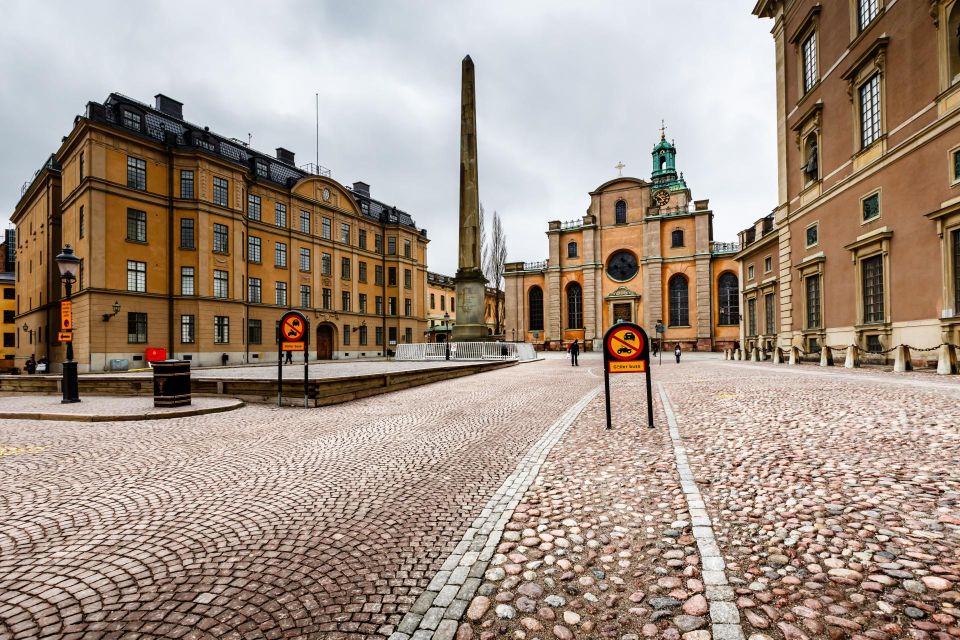
One of the most compelling parts is the stop at Berzelii Park and the Remembrance Path. The point here isn’t just remembrance as a mood. It’s remembrance as a story, tied to a real figure and real wartime urgency.
You’ll hear the true story of Raoul Wallenberg’s efforts to save Jewish people. The tour highlights that he helped rescue tens of thousands of Jewish people from the Holocaust. And it places that effort inside the larger humanitarian picture: Jewish refugees escaping the German occupation of Denmark and Norway.
That’s a key connection. Instead of portraying Wallenberg’s work as a standalone miracle, you see it as part of a regional crisis—where borders, bureaucracy, and fast-moving threats determined who could escape and who couldn’t.
This stop also gives you a tonal reset from civic buildings and policy logic. It’s a more reflective moment, which helps the earlier political discussion make emotional sense.
You can also read our reviews of more museum experiences in Stockholm





How the war shaped Nobel Prizes and cultural life
War doesn’t only change borders. It changes institutions—and that includes culture.
On this tour, you’ll learn about how WWII influenced the Nobel Prize awards. It’s one of those details that can sound small until you realize what it represents: international recognition during a time when the world was splitting into winners, victims, and propaganda machines.
This is useful even if you’re not a “Nobel person.” It shows how Sweden’s neutral stance (and the broader Scandinavian climate) affected global perception and Swedish institutions at home.
If you enjoy seeing history through unexpected doors—courts, parliaments, religious buildings, and award systems—this is a nice bridge from hard politics to everyday outcomes.
The optional Army Museum (only on the 3-hour tour)
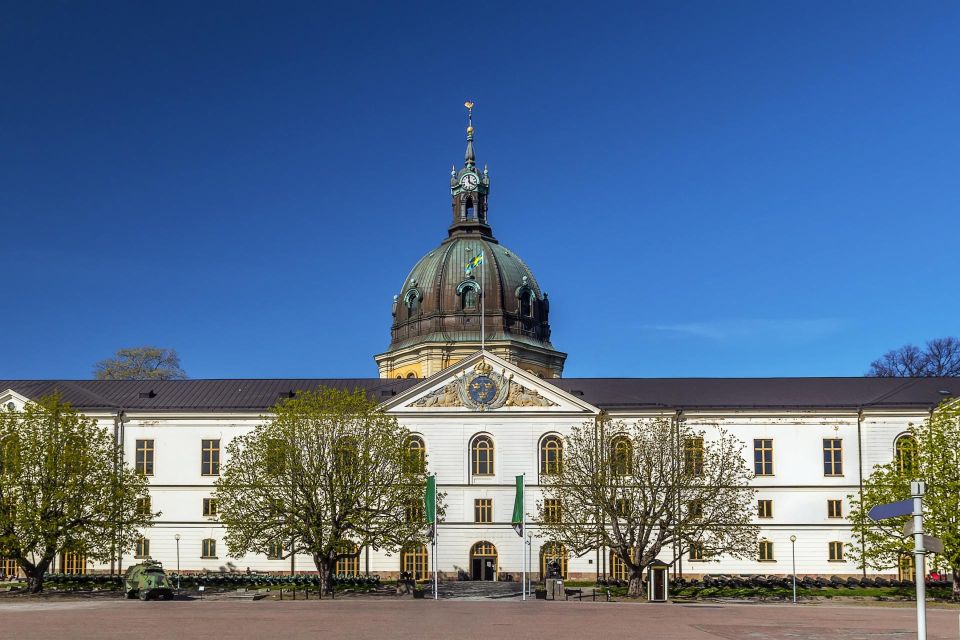
If you book the extended 3-hour option, you add the Army Museum visit. This is where the tour shifts from politics and moral choices into the lived reality of wartime.
The museum explores more than 500 years of wartime and peacetime in Sweden, so even if your core interest is WWII, you’ll get wider context for how Swedish military life and society have interacted over centuries.
You’ll also learn about living conditions for soldiers, their families, and the general population. That’s important. It’s easy to talk about neutrality as policy. It’s harder to imagine what it means for a household.
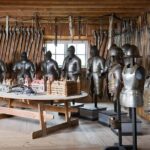
One exhibition is dedicated to Raoul Wallenberg, which creates an excellent link back to the earlier walking stops. And you’ll see historical documents, military uniforms, weapons, and trophies. That makes the museum work for different types of history lovers: people who like documents and people who prefer object-based history.
Two practical notes. First, this is only included with the 3-hour tour, so plan your choice based on how much museum time you want. Second, museum stops can add some indoor walking, so wear shoes you can handle comfortably.
Price and value: Is $205 per person fair for 2–3 hours?
The price is $205 per person, with a duration of 2 to 3 hours depending on your option. For a private tour, that’s not an impulse-buy price, so you’ll want to judge value the right way.
Here’s what you’re paying for, based on what’s included:
- A 5-star licensed guide fluent in your chosen language (German, Italian, French, Spanish, Russian, English, or Swedish)
- A private group experience, with group-size limits that keep the tour manageable
- A route packed with landmarks tied to WWII, plus monuments connected to war and the Holocaust
- Visits to the Holocaust-related memorial focus areas (including the Remembrance Path)
- Army Museum entry only on the 3-hour version
If you choose the 2-hour tour, the value is mainly in the guide-led walking route and the structured storytelling across Old Town. If you choose the 3-hour tour, the value increases because you add a museum visit with tickets and a full exhibition experience tied to Wallenberg and Swedish wartime life.
So my practical take: go for the 3-hour option if you want the museum artifacts and the broader “soldiers and families” context. Go for the 2-hour option if your time is tight and you mainly want the political and moral story mapped onto the streets.
Who this WWII Stockholm Old Town tour is best for
This is a smart fit for you if:
- You want WWII history that explains Sweden’s neutrality as a moving target, not a slogan
- You care about the humanitarian dimension, especially Raoul Wallenberg and Jewish escape efforts
- You like walking tours that connect major civic buildings to the war-era decisions happening behind them
It might be less satisfying if:
- You only want battles and military tactics, because the emphasis here is political climate, institutional response, and human impact
- You expect a museum-level deep dive if you book the 2-hour option (that part belongs to the 3-hour tour)
Should you book this tour?
I think you should book it if you’re excited by history that has ethical weight and real-world consequences. The combination of Gamla Stan landmarks, the Remembrance Path, and the Wallenberg story gives you more than sightseeing. It gives you a clear route through a complicated period.
Choose the 3-hour version if you want the museum artifacts and the wider view of Swedish wartime and peacetime life. Choose the 2-hour version if you want the street-level political story efficiently, without adding museum time.
Either way, you’ll leave with a much sharper sense of how small decisions, institutions, and neutrality shaped lives during WWII—inside Sweden and beyond.
FAQ
How long is the WWII Stockholm Old Town Walking Tour?
The duration is 2 to 3 hours, depending on the option you select.
Where does the tour meet?
Meet your guide in front of the Lars Johan Hierta Monument, Riddarhustorget 9, 111 28 Stockholm.
Is this a private tour?
Yes. It’s a private group tour.
What language options are available?
The guide is available in German, Italian, French, Spanish, Russian, English, and Swedish.
Is the Army Museum included on the 2-hour tour?
No. The Army Museum is not included in the 2-hour option. It’s included with the 3-hour tour.
What’s included on the tour?
You get a WWII-themed walking tour through Stockholm’s Gamla Stan and the Army Museum (based on the selected option), a licensed guide in your chosen language, Holocaust and WWII-related monuments, and tickets to the Army Museum for the 3-hour tour.
What can I expect to learn about Swedish WWII neutrality?
The tour covers Sweden’s role in WWII, how neutrality helped the Germans, responses of the royal family, government, and church, and whether Jewish refugees were welcome, along with related wartime events in Scandinavia.
Does the tour include Raoul Wallenberg’s story?
Yes. The tour includes the true story of Raoul Wallenberg’s efforts to rescue Jewish people.
Is the tour wheelchair accessible?
Yes, the tour is listed as wheelchair accessible.
What are the cancellation terms?
You can cancel up to 24 hours in advance for a full refund. There is also a reserve now & pay later option.