REVIEW · STOCKHOLM
Stockholm: Nobel Prize Museum and Exhibition Entry Ticket
Book on GetYourGuide →Operated by Nobel Prize Museum · Bookable on GetYourGuide
Peace history has a Swedish address. The Nobel Prize Museum in Stockholm’s Old Town turns Nobel laureates—scientists, authors, and freedom fighters—into real stories you can follow with videos, artifacts, and museum tours. It’s not just awards trivia; it’s a guided look at how prize-winning ideas connect to peace and change.
I love the museum’s audio + video approach. The exhibits explain the work in plain, human ways, and you can choose to speed-read or slow down and watch. I also like that it leans on real artefacts—over 200 pieces in the permanent display—to show the kind of discoveries, inventions, peace efforts, and literature that earned the prizes.
One possible drawback: the museum is small. You can do it quickly, which is great for a focused stop, but if you’re expecting hours of deep, hands-on science, you may finish sooner than you hoped.
In This Review
- Key things I’d circle before you go
- Nobel Prize Museum at Stortorget: a simple Old Town stop with big ideas
- Price and what you truly get for about $18
- How long you’ll need: compact museum, flexible pace
- Your museum tour: getting the most out of a small space
- Permanent exhibition: These Things Changed the World and 200+ Nobel artefacts
- Multimedia storytelling: video and audio that make Nobel feel human
- Temporary and special exhibitions: included, so take the extra room seriously
- The museum shop and the chocolate Nobel medal souvenir
- Bistro Nobel may be closed: plan your meal strategy
- Wheelchair access and who this experience suits best
- Should you book the Nobel Prize Museum ticket?
- FAQ
- Where is the Nobel Prize Museum located?
- How much is the ticket?
- How long is the experience?
- What does the ticket include?
- Are food and drinks included?
- Are guided tours included, and what languages are offered?
- Is the museum wheelchair accessible?
- Is there a museum shop?
- How long should I plan to spend inside?
- Is there cancellation and flexible booking?
Key things I’d circle before you go
- Stortorget location (Gamla Stan): easy to reach on foot and simple to pair with other Old Town wandering
- Guided tour included: daily tours in English and Swedish help you get the most out of a compact layout
- Permanent exhibition with 200+ artefacts: the display focuses on what Nobel work changed in the world
- Multi-format storytelling: video, audio, and physical items work together instead of relying on labels
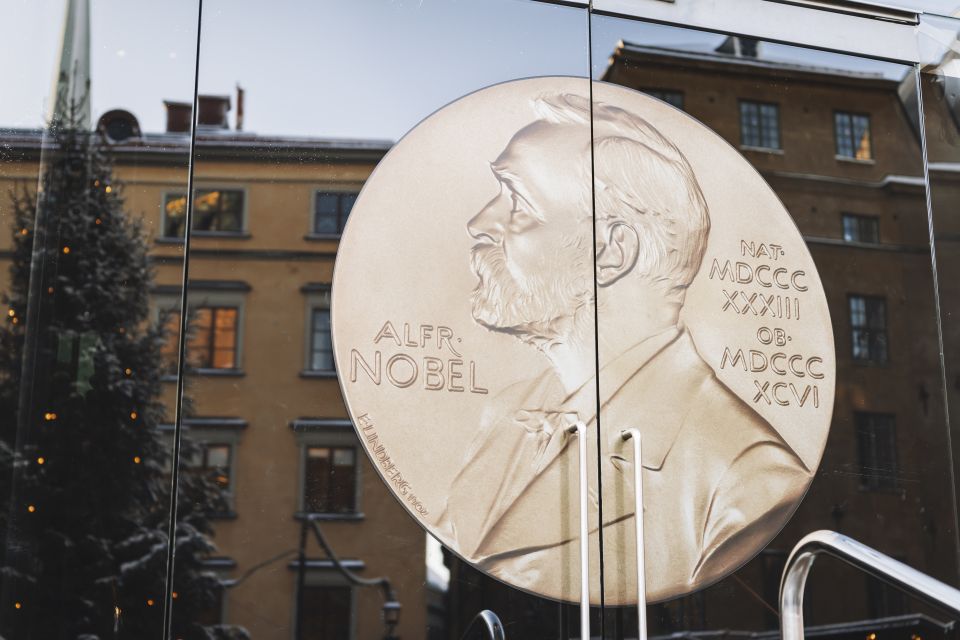
- Shop stop for the chocolate Nobel medal: a fun, iconic souvenir that’s easy to grab at the end
- Bistro Nobel can be closed: dining may not be available when you visit, so plan for snacks elsewhere
Nobel Prize Museum at Stortorget: a simple Old Town stop with big ideas
You’ll find the Nobel Prize Museum at Stortorget in Stockholm’s Old Town (Gamla Stan). That matters more than you’d think. You’re not stuck on a far-out museum route; you’re in the historic center where you can pair this with walks, photo stops, and coffee nearby.
The museum’s theme is also very focused. Instead of trying to cover everything about Nobel prizes in the abstract, the experience is built around stories of laureates and the impact of their work. You’ll meet ideas from multiple Nobel categories through videos, unique objects, and guided tour commentary.
For a lot of visitors, the payoff is the emotional thread: Nobel prizes aren’t only about winners and dates. They’re about what those winners tried to do—help humanity, reduce suffering, protect rights, and push knowledge forward. Even if you skip some content, you’ll still get the shape of the story.
You can also read our reviews of more tours and experiences in Stockholm


Price and what you truly get for about $18
At $18 per person, the ticket price feels fair because it covers more than just entry. Your ticket includes:
- Entry ticket
- Access to the special exhibition
- A museum tour
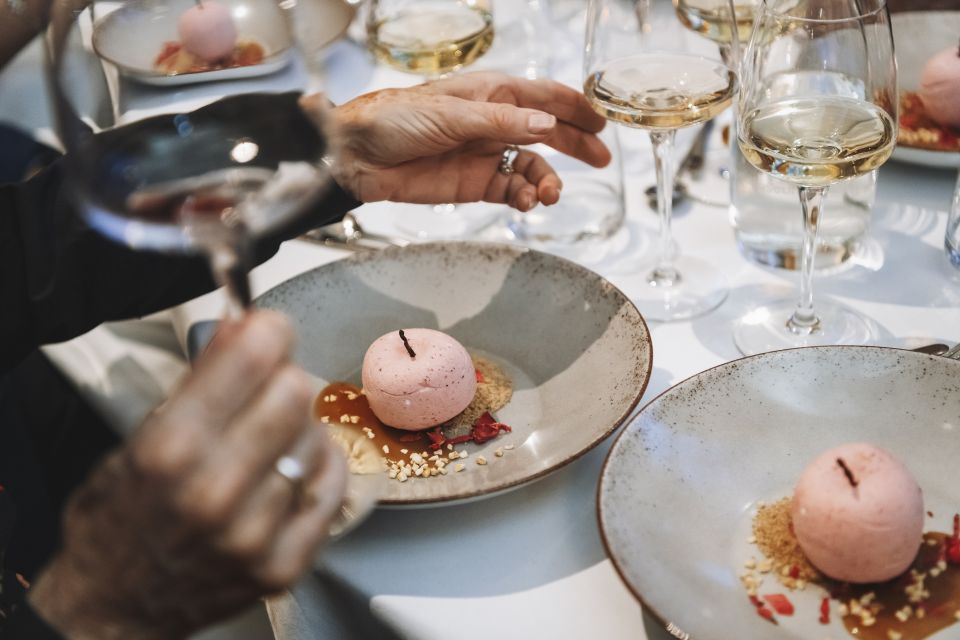
Food is not included, so you’ll want to budget separately if you plan to eat at the museum.
Is it good value? I think it is, especially because the museum uses multiple ways to explain the material. When a museum is small, you need smart “time use.” Here, the multimedia and the guided tour help you get meaning faster. One visit can cover a lot of Nobel context without forcing you into an all-day commitment.
Also, the museum is very easy to fit into a tight day. Multiple visitors describe it as straightforward to visit on its own, with a pace you can control based on how many videos you watch and how much you read.
How long you’ll need: compact museum, flexible pace

Plan around a 1-day visit. The museum doesn’t feel like a half-day maze, and that’s a plus if you’re touring with kids, managing jet lag, or just want a focused stop.
From visitor experience, you can typically:
- Go through everything in about 1–2 hours
- Plan closer to 3 hours if you watch videos and read more of the descriptions
That flexibility is the key. If you’re short on time, you can focus on the big sections and let the audio/video do the heavy lifting. If you’re curious and have extra time, you can slow down and treat the museum like a guided mini-documentary about peace, science, and literature.
Your museum tour: getting the most out of a small space
Your ticket includes a museum tour with daily guided options in English and Swedish. The museum notes that you can check with entrance staff for information, which is useful because schedules can shift.
A practical tip: if you want the tour to anchor your visit, plan to find and join the tour soon after you enter. Visitors describe the tour setup as helpful for organizing what to see, and taking it early improves how the rest of the museum “clicks” into place.
The guided element is also where you’ll get the best context about:
- Why Alfred Nobel created the prize
- How the Nobel categories connect to different kinds of peace and progress
- What makes specific laureate contributions meaningful
And even if you choose to self-navigate parts of the museum, the guided tour helps you understand how the exhibits are grouped and what to pay attention to.
Permanent exhibition: These Things Changed the World and 200+ Nobel artefacts
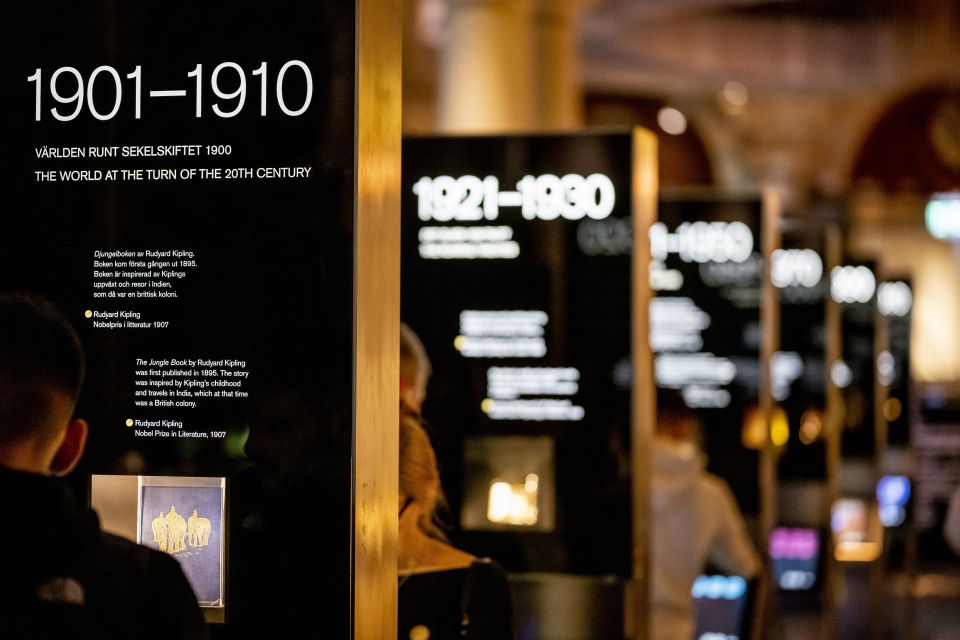
The permanent exhibition is called These Things Changed the World, and it’s built around a large selection of items from the museum’s collection. The display includes more than 200 artefacts, which is a lot for a museum that feels compact.
This is the section that turns Nobel into something tangible. You’ll see objects connected to:
- Revolutionary inventions
- Groundbreaking ideas
- Courageous peace efforts
- Innovative literature
- Scientific and humanitarian breakthroughs
What I like about this approach: it reduces the “name-dropping” problem. Instead of only remembering who won, you’re nudged to understand what each object represents. That makes it more than a wall of photos.
One consideration: because the museum is smaller and the exhibits are focused, you might find the coverage is more about overview and context than deep technical details for every single field. If your main goal is a hands-on science lab, you may want to pair the museum with something else in Stockholm that’s more experimental.
You can also read our reviews of more museum experiences in Stockholm



Multimedia storytelling: video and audio that make Nobel feel human
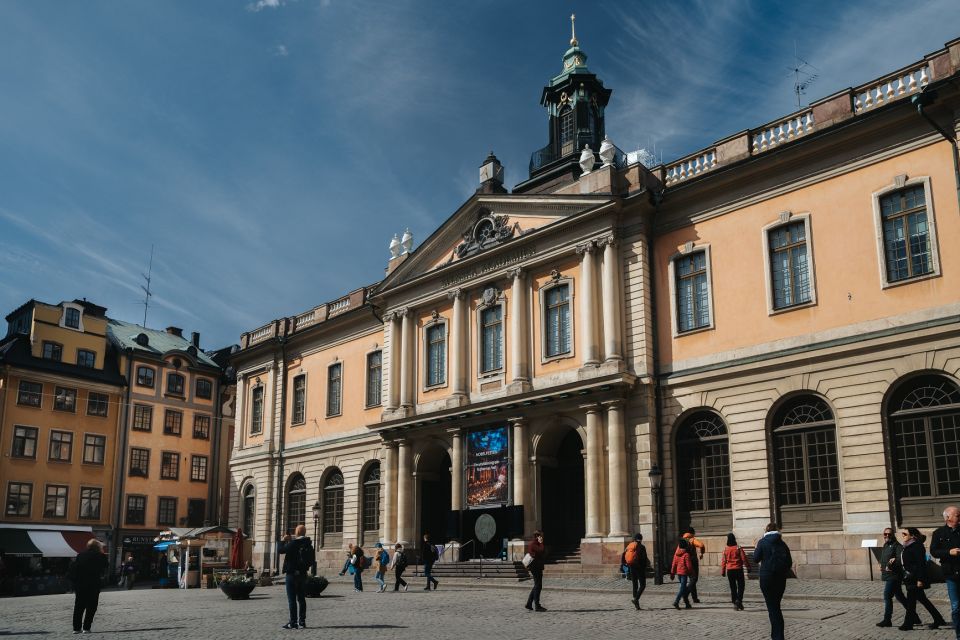
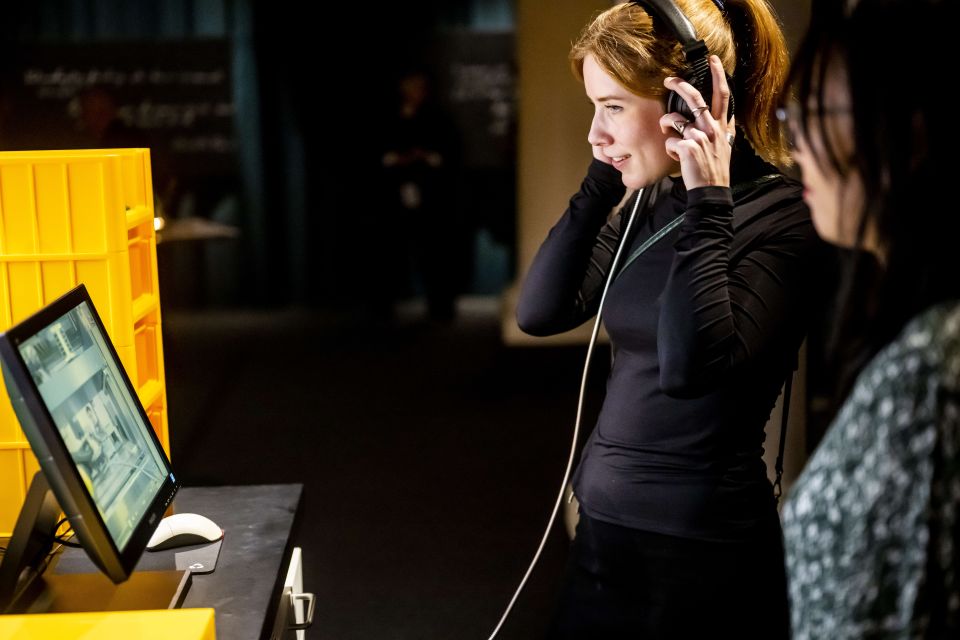
The museum leans hard on multimedia, and the audio/video components are a big reason people rate it highly.
You can expect:
- Videos that bring stories to life
- Audio that accompanies exhibits and explains themes
- Artifacts presented with descriptive context
Visitors specifically call out the value of the audio stories. That’s important because audio helps when you’re moving through a space where you’re tempted to skim labels. It slows you down in a good way, and it gives you a clearer sense of what you’re looking at.
The best way to use this section is to choose one or two Nobel stories that genuinely interest you—maybe peace and human rights, or a category you already follow—and then let the surrounding multimedia connect the dots. You don’t need to absorb everything. You just need to get a feel for how Nobel prize work connects to the world beyond the museum.
Temporary and special exhibitions: included, so take the extra room seriously
Your ticket also includes access to a special exhibition, plus temporary exhibitions and displays are part of the museum experience.
This matters because it gives your visit a reason to feel current. Even if you’ve read about Nobel winners before, the special exhibition can shift your focus to particular laureates, themes, or current interpretations of Nobel impact.
In practice, don’t rush this part. In a smaller museum, temporary displays can be the most “new” experience you’ll get on that day. If your time is tight, do the permanent exhibition first, then spend your remaining energy on the special exhibition so you’re not leaving without the main added value.
The museum shop and the chocolate Nobel medal souvenir
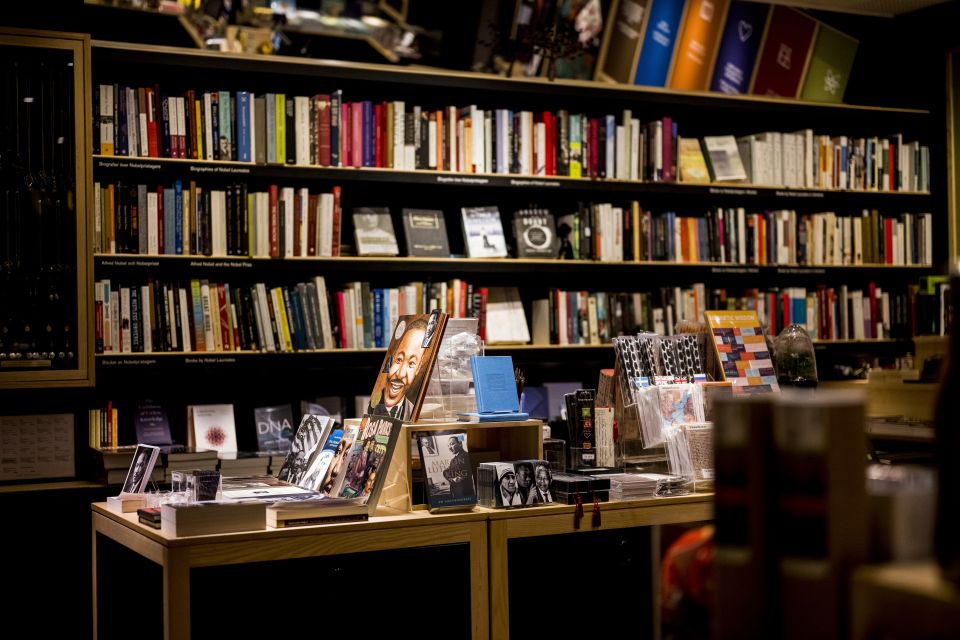
The museum shop is more than a generic gift counter. It’s a place where the Nobel brand becomes a physical keepsake.
The highlight here is the chocolate Nobel Prize medal—a famous, easy-to-find souvenir that feels fun rather than forced. If you like bite-size souvenirs tied to the place you visited, this one fits the bill.
The shop also carries literature and other gifts, so it’s a good place to browse if you want something educational to take home. It’s also an easy “finish line” after you wrap up the exhibits.
Bistro Nobel may be closed: plan your meal strategy
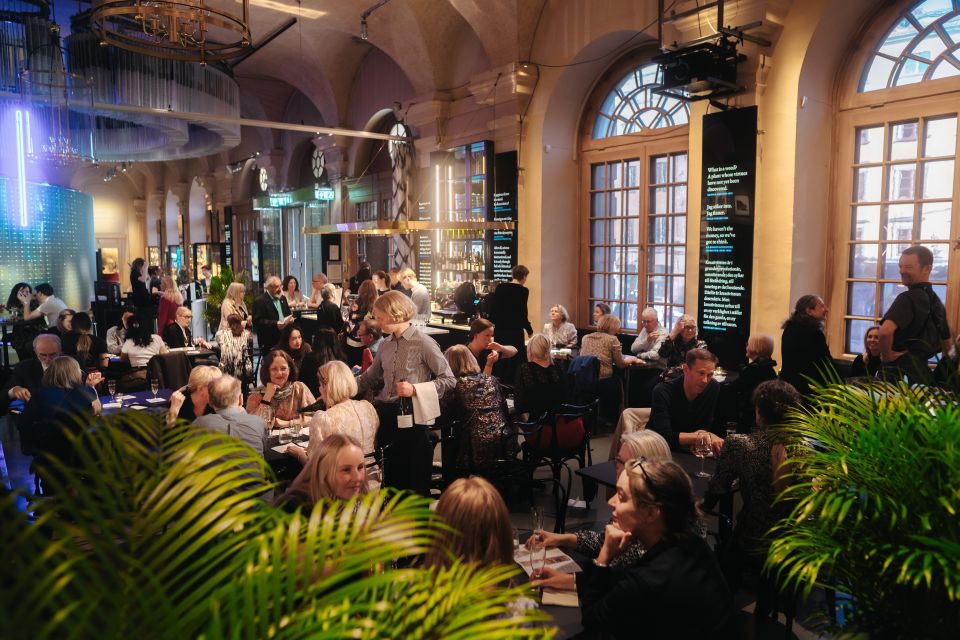
Dining is where you need a bit of realism. The museum notes that Bistro Nobel can be closed during spring for restoration work after prior water damage. There’s also indication it has been closed for a longer stretch in recent time, so you shouldn’t count on a museum meal.
Food and drinks are not included in your ticket anyway. So here’s my practical approach: treat the museum as a culture stop, then plan to eat outside the museum. That keeps you from spending your best time waiting around if the bistro isn’t operating.
If you want a simple workflow, I’d pair the museum with a nearby café in Gamla Stan after your visit. It keeps your day moving and lets you enjoy Stockholm’s Old Town pace without schedule pressure.
Wheelchair access and who this experience suits best
The museum is wheelchair accessible, which is good for families and visitors with mobility needs. Since the museum is compact, it also helps that the space is manageable for navigating at an easier pace.
Who should book?
- Families who want a museum that’s educational without feeling overwhelming
- Travelers who like clear context, guided storytelling, and multimedia exhibits
- Anyone interested in peace, human rights, science, or literature through the Nobel lens
- Short-on-time visitors who want a high-value stop in Gamla Stan
Who might want to pair it with something else?
- People looking for a huge museum with many hours of exhibitions and lots of hands-on science
- Visitors who want deep technical detail for every Nobel category
Should you book the Nobel Prize Museum ticket?
Yes, if you want a focused, high-context museum visit in the heart of Stockholm. The ticket price works best when you take advantage of what’s included: the guided tour, the special exhibition access, and the permanent display centered on 200+ artefacts. It’s also an easy add-on day plan because the museum sits at Stortorget in Gamla Stan.
If you’re the type who reads everything and watches most videos, plan for closer to 3 hours. If you prefer a quicker stop, 1–2 hours can still deliver a solid overview.
If you’re unsure, think about this: you’re not buying a science lab. You’re buying a story machine—videos, audio, and Nobel objects—built to explain how peace and progress connect. That’s exactly what this museum does well.
FAQ
Where is the Nobel Prize Museum located?
The museum is at Stortorget in Stockholm Old Town (Gamla Stan).
How much is the ticket?
The price listed is $18 per person.
How long is the experience?
It’s listed as 1 day.
What does the ticket include?
Your ticket includes entry, access to the special exhibition, and a museum tour.
Are food and drinks included?
No. Food and drinks are not included.
Are guided tours included, and what languages are offered?
Yes, your ticket includes a museum tour, and guided tours are available daily in English and Swedish.
Is the museum wheelchair accessible?
Yes. The activity is listed as wheelchair accessible.
Is there a museum shop?
Yes. There’s a shop, and you can purchase the chocolate Nobel Prize medal.
How long should I plan to spend inside?
You can typically go through the museum in 1–2 hours, or around 3 hours if you watch the videos and read more of the exhibit descriptions.
Is there cancellation and flexible booking?
Cancellation is listed as free up to 24 hours in advance for a full refund, and there’s also a reserve now & pay later option.