REVIEW · STOCKHOLM
Bloody Stockholm 2h – ghosts, horror and Dark Folklore Tour
Book on Viator →Operated by Sweden History Tours · Bookable on Viator
Old Town Stockholm has teeth. On this 1.5-hour dark folklore walk, you move through Gamla Stan and connect grisly street history with everyday beliefs about protection, curses, and restless spirits.
I love how the guide mixes specific local details with practical ideas people used to feel safe: iron at doors, protections around newborns, and warding off vaesen in the mist. I also like the pace. The tour runs as a chain of short stops, with time to ask questions, and the group is kept small (up to 30). One possible drawback: it’s not pure jump-scare horror. Expect an informative stroll where the scary material is grounded in history and belief, not in a theatrical performance.
In This Review
- Key highlights you’ll actually notice
- A dark folklore walk through Old Town, not a jump-scare show
- Stortorget: executions, blood curses, and body-part folklore
- Prästgatan: the street that used to be called Hell
- Iron, doors, and the Tomte: protection against vaesen in Old Town
- Logårdstrappan’s water vaesen: Näcken, bäckahästen, Sjörå, and skepps-rå
- Kungsträdgården: Skogsrået/huldran and the Myrling
- Outside S:t Jacobs Kyrka: church doors, baptism exorcism, and enemy punishment
- Meeting point to finish: easy start, short walk back
- Group size, tickets, and what to bring for a dark evening walk
- Is this tour worth it for your Stockholm trip?
- FAQ
- FAQ
- How long is the Bloody Stockholm 2h tour?
- Where does the tour start?
- Where does the tour end?
- Is the tour offered in English?
- Do I need to pay admission at the stops?
- How large is the group?
- Are service animals allowed?
- Can I cancel for a full refund?
- Should you book this dark folklore walk?
Key highlights you’ll actually notice
- Execution square to folklore square: Stortorget’s death stories link to how people used fear and remains in folk magic.
- Street-name clues in Prästgatan: A former name connected to Hell turns a normal walk into a guided memory.
- Iron, doors, and newborn protection: House rules for danger—plus what people believed after a baptism begins.
- Water spirits with specific names: Näcken, bäckahästen, Sjörå, and skepps-rå each come with their own threat pattern.
- Forest and mist creatures: Skogsrået/huldran and the Myrling expand the horror beyond ghosts.
- Church exterior “weak points”: S:t Jacobs Kyrka isn’t about inside grandeur—it’s about thresholds, exorcism, and enemies.
A dark folklore walk through Old Town, not a jump-scare show
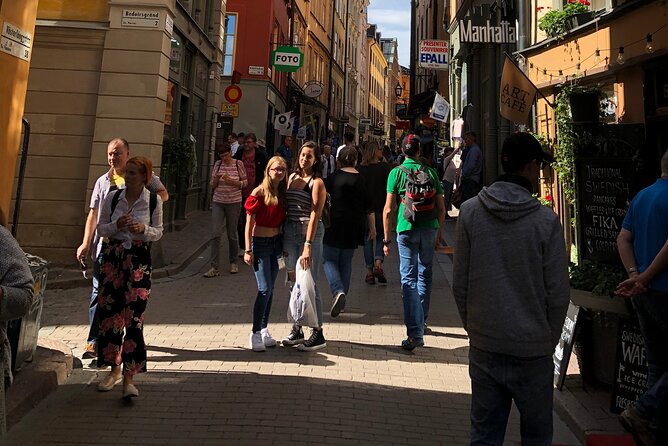
This tour is built as a walk-first experience. You’re not stuck in a museum room, and you’re not bouncing between far-flung sites. Instead, you trace belief systems and brutal historical events right across Stockholm’s oldest streets.
What makes it compelling is the tone. The stories may sound like modern horror, but the guide treats them like part of local thinking—why people feared certain places, certain times, and certain kinds of spirits. I like that approach, because it helps the material feel less like random creepiness and more like something that shaped everyday choices.
You should also know what it likely won’t be. If you want constant monsters-on-demand, you might find the pace more thoughtful than theatrical. One guide example you could run into is Jonathan, and another guide named Åsa is also mentioned in the material provided—both signal a storytelling style that stays factual and talk-friendly.
You can also read our reviews of more tours and experiences in Stockholm


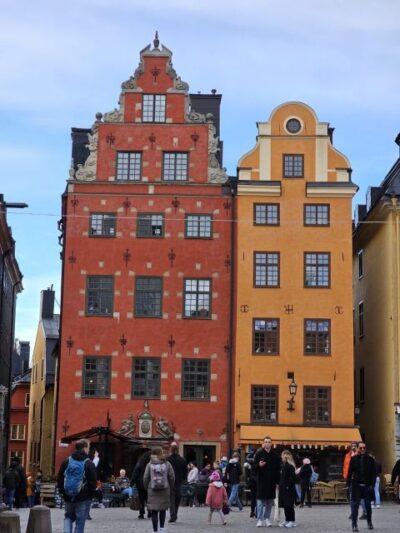
Stortorget: executions, blood curses, and body-part folklore
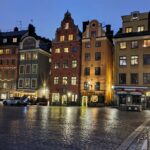
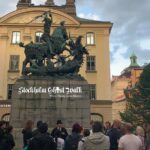
You start in the heart of Stockholm at Stortorget, right near the Nobel Prize Museum area. This stop sets the dark tone quickly and ties it to real political violence tied to Danish King Kristian’s takeover of the city.
Here, the focus isn’t just on death as a grim concept. The tour talks about how folklore treated remains as tools—specifically magical uses of body parts in stories and beliefs. The guide also highlights the execution of around 90 souls during the period described, and then follows the thread into darker folk ideas, like blood of the dead used for curses.
A key reason this stop is valuable is that it explains how fear becomes language. When violence is public and repeated, people build meaning around it. That meaning can turn into folk magic: gallows parts tied into story-making, and other pieces of the dead treated as power sources in tales.
Practical consideration: Stortorget is open space. On rainy or windy evenings, you’ll feel it. Dress for the weather, not for the imagination.
Prästgatan: the street that used to be called Hell
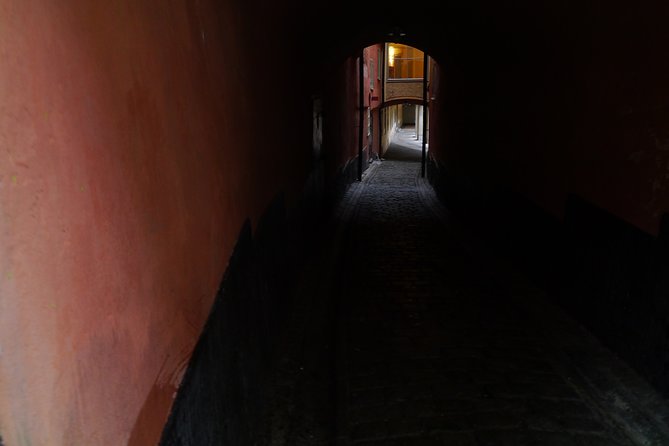
From Stortorget, the walk shifts to Prästgatan, a short transit that feels like it should be ordinary—until the tour reframes it. The guide brings attention to the street’s former name connected to Hell and to the people who lived there.
This is one of those moments where the tour does something smart. It shows you that folklore doesn’t always live in forests and rivers. It can sit inside city geography, right in the naming of a place. Even if you don’t know Swedish, you can feel the impact: you’re walking the same corridor that older residents once tried to label with fear.
The length of this stop is brief, so it works best as a punchy connector between the political violence of Stortorget and the more household protections you’ll hear next. If you like “micro-stops” that reset the mood, you’ll probably enjoy this one.
Iron, doors, and the Tomte: protection against vaesen in Old Town
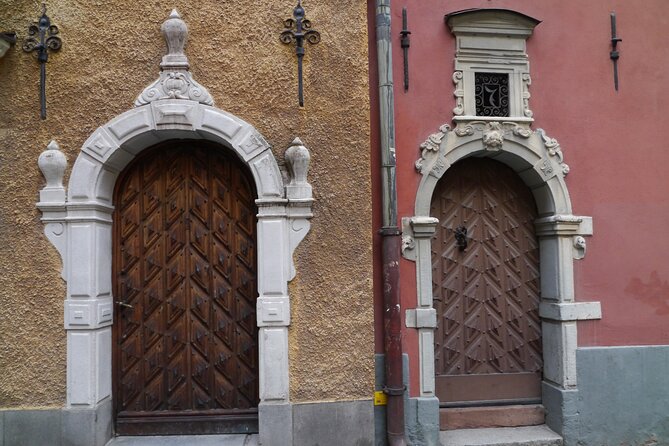
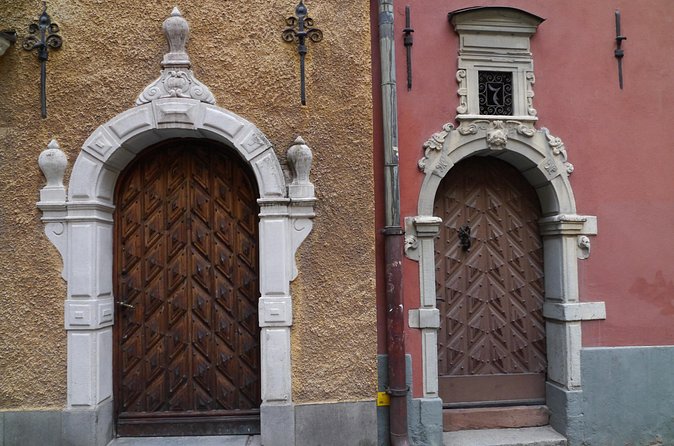
Now you move into the more personal layer of folklore. At a house door area in Stockholm Old Town, the tour turns toward protection practices—what people did, where they did it, and what they believed it would stop.
You’ll hear about the use of iron as protection against vaesen. The idea is straightforward in storytelling terms: certain dangers can be blocked at thresholds, and doors are thresholds. The guide also describes fear of elves who come with mist, framed as souls that don’t get rest.
Then the tour brings in the Swedish Tomte, adding an important nuance. Not every spirit is just a monster to fight. Some belong in the household world, and they show how folk belief can mix fear with daily life and routines.
One of the most striking parts here is the protection for newborns before baptism. The tour outlines the belief that newborns lacked protection against trolls and the Devil until the baptism process begins. It’s intense—and it explains why people took protective habits seriously.
Why this stop matters: it turns the scary content into something human-scale. You’re no longer only listening to tales of far-off evil. You’re learning how people tried to manage risk at home.
Logårdstrappan’s water vaesen: Näcken, bäckahästen, Sjörå, and skepps-rå
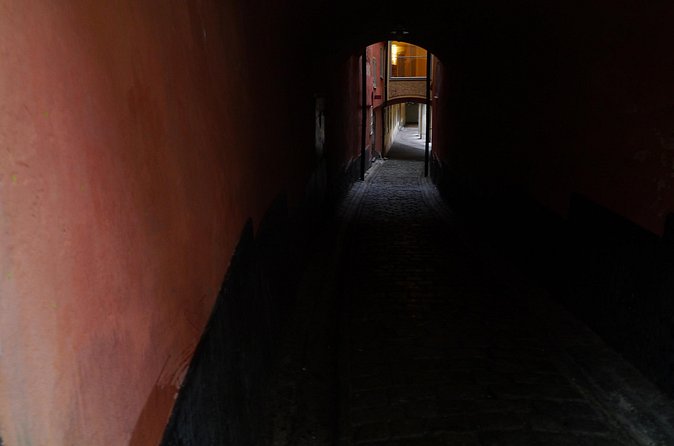
Next you head to Logårdstrappan, where the theme shifts from doors to water. This is where the tour feels most myth-laden, with a lineup of water-connected creatures and threats.
The guide covers the Näcken, the bäckahästen (the Swedish version associated with a kelpie-type idea), and sea-related spirits like the Sjörå (sea-rå) and the skepps-rå (skiprå). Each name isn’t just a label—it comes with a pattern: luring people and trying to drown them, pulling them into deep danger.
This stop is valuable because it makes folklore feel geographical. In many cultures, water is both livelihood and hazard. If the city has rivers, inlets, and cold edges, the stories will naturally put power into the water itself—and create rules for how to behave near it.
A consideration: if you’re expecting light and spooky, this section can feel genuinely dark. That doesn’t make it worse. It just matches the theme of the tour: fear as a way to explain the unknown, especially where people can’t fully control nature.



Kungsträdgården: Skogsrået/huldran and the Myrling
In Kungsträdgården, the tour expands beyond water. Here you’ll hear about forest and field threats—danger connected to the Skogsrået, also known as huldran, plus the undead living child called Myrling.
The huldran material is interesting because it points to a kind of horror that isn’t always about death in the modern sense. It’s about predation, temptation, and the unsettling feeling that the natural world can reach into human spaces.
The Myrling brings the tour back to the afterlife theme. Even though it’s described as a child, the tour frames it as undead and linked to lingering harm. You end up with a broader map of what the tour calls vaesen: beings that cross boundaries—between living and not living, land and mist, safety and danger.
Why I think this stop works: it gives variety. You’re not hearing the same “ghost” story over and over. You’re watching the folklore system stretch across categories: household, church thresholds, forests, water, and the mist in between.
Outside S:t Jacobs Kyrka: church doors, baptism exorcism, and enemy punishment
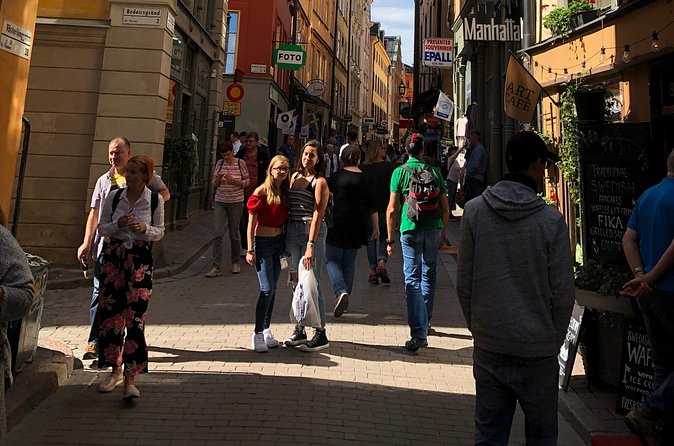
The final stop is outside S:t Jacobs Kyrka, where the tone becomes more ritual-focused. The guide talks about the church door and the weak points of the church—how even sacred spaces could be vulnerable in folk belief.
This stop also includes exorcism connected to baptism and the idea of what to do if you had a worst enemy to punish. That last part is especially memorable because it shows how folklore can turn into practical advice within a story framework: if evil exists, people want a way to counter it.
You’re not going inside the church based on the provided info. So don’t plan on long indoor time. Instead, think of this as learning how people imagined protection working at the edge of sacred places.
Ending note: the tour finishes just outside Old Town on the north side near Kungsträdgården, with about a 10-minute walk back toward where you started.
Meeting point to finish: easy start, short walk back
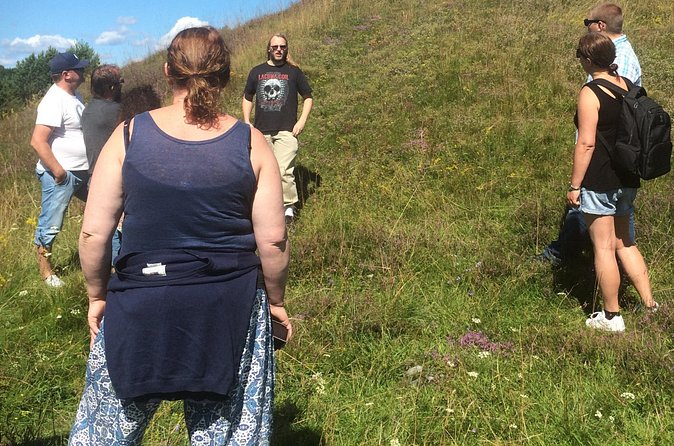
The meeting point is at Nobel Prize Museum, Stortorget 2, 103 16 Stockholm. The tour ends just outside Saint Jacob’s Church at Västra Trädgårdsgatan 2A, 111 53 Stockholm.
This setup is convenient. You’re not ending in the middle of nowhere. You’re walking back through the same general area, and you can easily pair the ending with dinner near Old Town or a quick pre-bed stroll.
Timing-wise, expect about 1 hour 30 minutes. One guide-led experience noted in the provided material suggests the storytelling can stretch to around 2.5 hours, so if you’re on a tight schedule, I’d give yourself some buffer.
Group size, tickets, and what to bring for a dark evening walk
This is offered in English, and the ticket is mobile. That makes it easy: you don’t need to hunt for paper tickets right before you start.
Group size is capped at 30, and smaller groups generally make it easier to ask questions and get personal answers. The material you provided also includes examples of small-group enjoyment, including a case where there were three people on the tour—so you may get a more conversational vibe if the group is small.
What to bring is simple. Wear shoes for cobblestones. Bring layers. The tour moves outdoors between historic squares, narrow streets, and church-area edges, so weather can change the feel fast. If you’re sensitive to dark themes, this tour is still factual and grounded, but it doesn’t tone down death, executions, and fear-based beliefs.
Is this tour worth it for your Stockholm trip?
For value, I like two things. First, you get a guide telling specific folklore names and tying them to real Stockholm locations—so you’re paying for interpretation, not just for walking. Second, the stops listed all show admission ticket free, which means you’re not adding entry fees to the cost of the experience.
It’s also a strong choice if you already like Old Town and want it to mean more than pretty streets. If you love learning why people feared doors, mist, rivers, and church thresholds, this tour gives you a mental map you’ll carry even after you leave.
I’d skip it only if you strongly prefer either purely historical tours (no spirits) or purely theatrical ghost tours (no context). This is a blend. It’s dark, but it explains itself.
FAQ
FAQ
How long is the Bloody Stockholm 2h tour?
It’s listed at about 1 hour 30 minutes. One experience note indicates the guide time can run longer, so give yourself a little buffer.
Where does the tour start?
The meeting point is at Nobel Prize Museum, Stortorget 2, 103 16 Stockholm, Sweden.
Where does the tour end?
The tour ends outside Saint Jacob’s Church at Västra Trädgårdsgatan 2A, 111 53 Stockholm. The end point is about a 10-minute walk back toward the start area.
Is the tour offered in English?
Yes. The tour is offered in English.
Do I need to pay admission at the stops?
No extra admissions are listed for the stops. Each listed stop shows admission ticket free.
How large is the group?
The tour has a maximum of 30 people.
Are service animals allowed?
Yes. Service animals are allowed.
Can I cancel for a full refund?
Yes. You can cancel for a full refund up to 24 hours in advance of the start time.
Should you book this dark folklore walk?
Book it if you want Old Town Stockholm to feel strange in a meaningful way—where executions, street names, household protections, water spirits, and church thresholds all connect into one story logic. It’s a great match for people who like their horror grounded in local belief systems and short enough to fit an evening plan.
Skip it if you want nonstop scare theatrics or if you only want modern-style ghost stories. This one gives you dark folklore plus real place-based context, and that’s the point.