REVIEW · STOCKHOLM
From Stockholm: Uppsala and Sigtuna Viking Sites Tour
Book on GetYourGuide →Operated by Urban Turism · Bookable on GetYourGuide
Vikings show up fast in this day trip. This Stockholm County tour strings together Viking-era sites, medieval churches, and Uppsala’s big cathedral moment in one long, story-filled day. You follow a route locals associate with the runriket Viking trail and watch Swedish history shift from pagan rituals to Christianity.
I especially like the small-group setup (max 17), which keeps the pace human and leaves room for questions. I also love how the guide keeps it interactive, using discussions to connect the sites you see with the people and power struggles that shaped the region.
One possible drawback: it’s a long day with lots of time outside, so weather and dark can affect what you can comfortably see and photograph, especially in winter.
In This Review
- Key highlights worth planning around
- From Stockholm to Uppsala: what makes this route feel special
- Pickup, group size, and the Whispers headset trick
- Early history stop: Jarlabanke Bridge and Arkils Tingstad
- Vallentuna Church: the medieval thread through Viking-era change
- Granby farm area fika at HÖKERIET: fuel and a reset
- Sigtuna: late Viking-era town life and Saint Olaf’s ruins
- Gamla Uppsala burial mounds: where belief and power took form
- Uppsala Cathedral and the university-area walk: closing the timeline
- Price and value: is $235 a fair deal?
- Guides and what to expect from the storytelling
- Who this day trip fits best (and who might want something else)
- Should you book the Stockholm, Uppsala and Sigtuna Viking Sites tour?
- FAQ
- How long is the tour?
- What’s included in the price?
- Do I get audio/headsets during the tour?
- Where is the meeting point in Stockholm?
- Is the tour in English?
- Can I cancel if my plans change?
Key highlights worth planning around
- Runriket-style Viking route with multiple guided stops, not just one quick photo stop
- Jarlabanke Bridge and Arkils Tingstad early on, setting context before you head out to the countryside
- Vallentuna church and other medieval sights that add depth beyond the Viking label
- Fika stop for homemade pastries and coffee at the Granby farm area (plus a guided break)
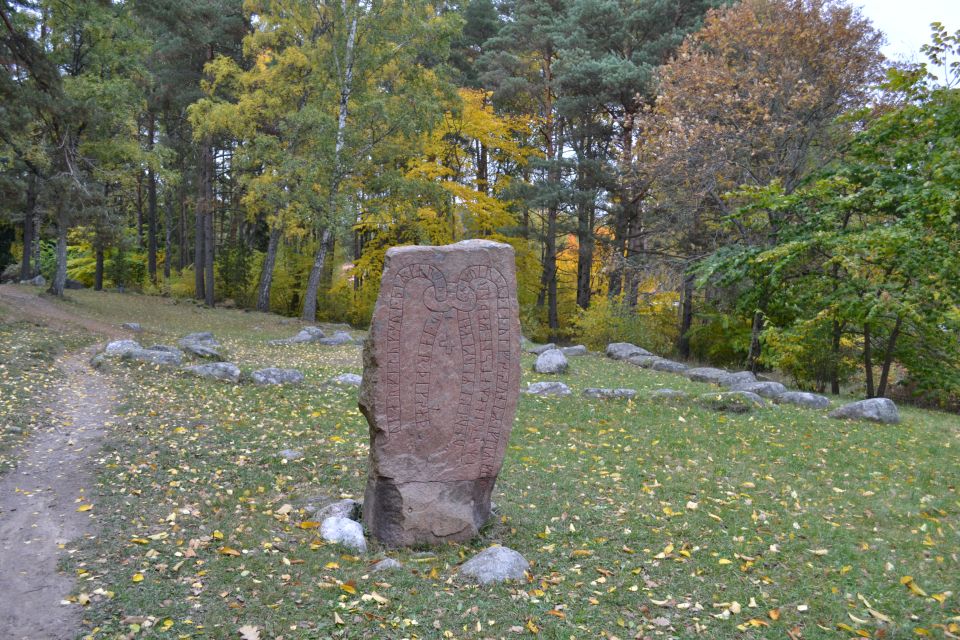
- Sigtuna’s late Viking-era streets with ruins tied to Saint Olaf
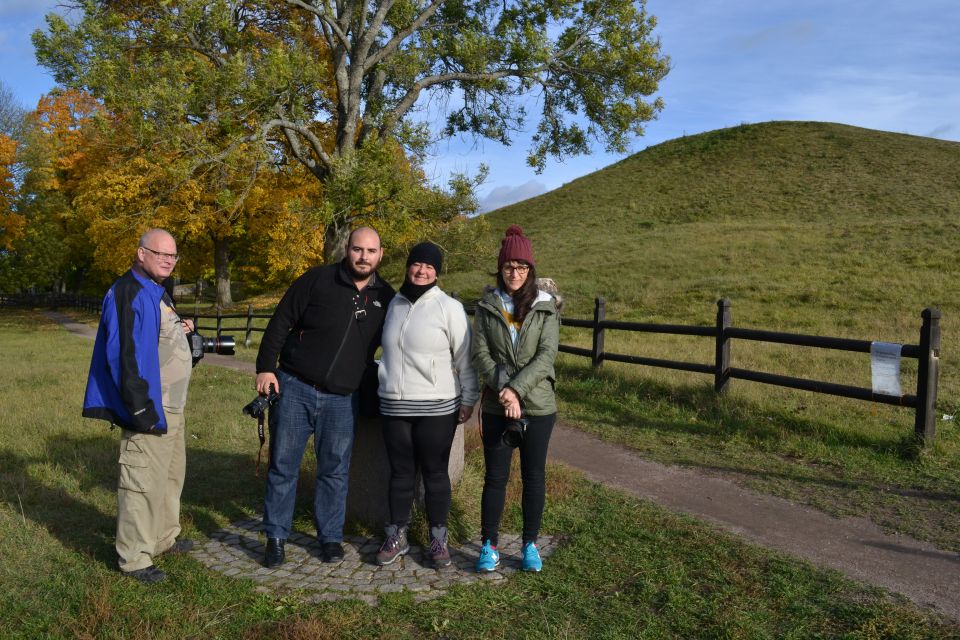
- Gamla Uppsala burial mounds and Midwinter blot legends, then Uppsala Cathedral to close the timeline
From Stockholm to Uppsala: what makes this route feel special
This tour is built like a timeline you can walk through. You start in Stockholm County, then gradually move north and east toward the Viking spiritual center around Old Uppsala, finishing at Uppsala Cathedral.
What makes it work is the pacing. You’re not stuck in one museum. Instead, you’re guided through a chain of places—bridges, church interiors, farm stops, town streets, and burial ground landscapes—so the history lands in layers.
You’ll also get a lot of talk-time from the guide. That matters because Viking history in Sweden is not just raids and ships. It’s also politics, beliefs, trade networks, and how Christianity took hold without simply wiping out everything first.
You can also read our reviews of more tours and experiences in Stockholm.


Pickup, group size, and the Whispers headset trick
If you’re staying in central Stockholm, hotel pickup is one of the big perks here. The tour lists many pickup hotels, and if you’re farther out, pickup is set at Radisson Blu Waterfront Hotel near the Central Railway station.
Once you’re on the coach, you’ll have an audio system called Whispers, which you can use both inside and outside the vehicle. That sounds small, but on a day with multiple short explanations, it helps you catch names, dates, and the “why this place matters” details without craning your neck.
The small group limit (max 17) keeps the experience from feeling like a conveyor belt. In practice, that means more time for the guide to answer questions and adjust to what people are curious about.
Early history stop: Jarlabanke Bridge and Arkils Tingstad
Before you reach the countryside, you get grounding in the Stockholm County side of the story. Two early guided stops—Jarlabanke Bridge and Arkils Tingstad—help set the stage for what you’ll see later.
These are the kind of stops that make a Viking tour feel less like a checklist. A good guide uses them to connect the geography to the people moving through the region and the settlements that grew around key routes.
If you love context, this part is a strong start. If you’re mainly there for “big dramatic ruins,” you might wish for more time at the later sites—but the early explanations help the later ones make more sense.
Vallentuna Church: the medieval thread through Viking-era change
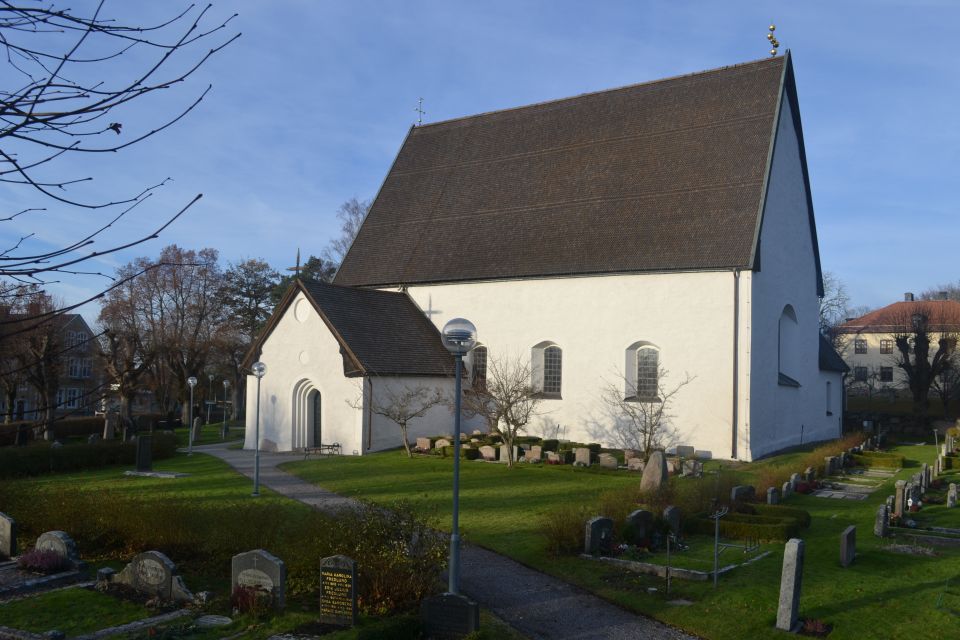
After the morning travel, the tour brings you to Vallentuna church for a guided visit. This is where the “timeline” idea becomes real. Churches like this sit on top of centuries of cultural change, and the guide uses that layering to explain the shift from earlier beliefs to the Christian world.
This stop can be especially rewarding if you like seeing how old faiths and new power structures interact. Instead of treating Christianity as a clean break, the tour frames it as a transition—one that affected identity, authority, and public life.
Drawback to consider: it’s a guided church visit, so you won’t have total freedom to wander on your own. You’ll get the most out of it if you’re willing to listen and ask questions.
Granby farm area fika at HÖKERIET: fuel and a reset
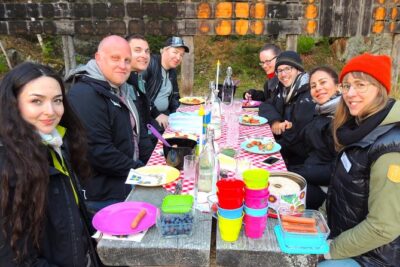
Midway through, you get a traditional Swedish fika stop—normally at Granby farm—followed by coffee and homemade pastries. The tour also includes a guided stop at HÖKERIET for coffee and additional context.
This is more than a snack break. On a nine-hour day trip, you need a pause to reset your attention span and warm up, especially outdoors. It also gives you a chance to slow down and ask the guide about what you’re about to see next.
Practical tip: plan to eat something light but real. This is not a quick cookie-and-go. It’s part of the flow, and then you head into Sigtuna and Old Uppsala where you’ll want steady energy.


Sigtuna: late Viking-era town life and Saint Olaf’s ruins
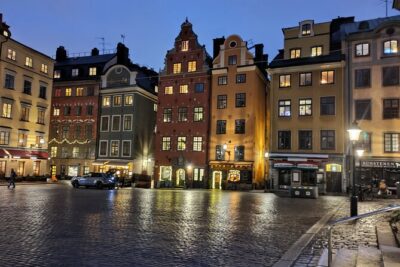
Then comes Sigtuna, a town founded in the late Viking era. You’ll get guided exploration plus about an hour of free time to eat lunch, shop, wander, or just breathe between history stops.
The tour focuses on the ruins of Saint Olaf church—the Norwegian Viking warrior who later became associated with Christianity and was ultimately revered as a saint. Even if you’ve heard the story in fragments, this stop is a good chance to see why that figure mattered across the region.
Here’s the catch: Sigtuna’s free time is useful, but it’s not long. If you want museums, longer meals, or serious browsing, you’ll likely feel a little rushed. On the bright side, the guided portion gives you a map of what to look for while you’re on your own.
Gamla Uppsala burial mounds: where belief and power took form
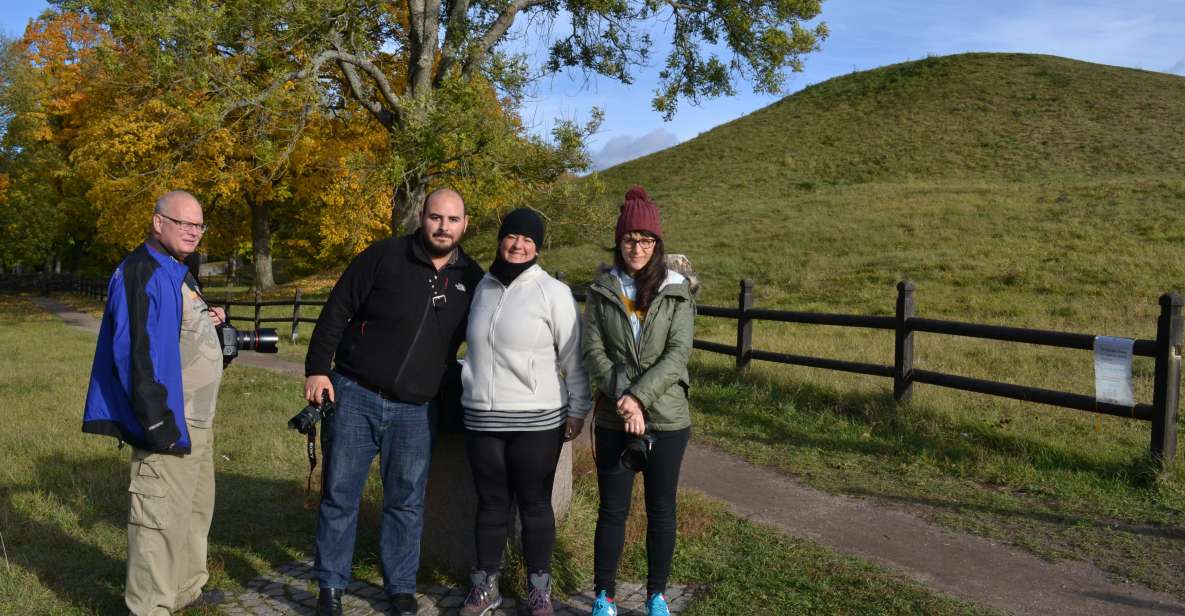
Next is Gamla Uppsala, often associated with the Viking spiritual center of Scandinavia. The big draw is the burial mound landscape, tied to dates stretching from the first centuries AD through the end of the Viking era.
This is also where the tour’s pagan-to-Christian transition becomes especially tangible. From local legend, a pagan temple was burned down in 1087, and a church was built on top—becoming the main cathedral and seat of the first archbishop in the country. Even if you treat legends as stories, the point for you is clear: this was a high-stakes place where belief and authority collided.
The guided portion (45 minutes) is key here. Without interpretation, burial mounds can look like scenic grass and earth shapes. With the guide, they become a map of ritual, leadership, and regional influence.
Practical drawback: this is outdoors terrain. Dress for real weather, not just what you see in Stockholm before you leave.
Uppsala Cathedral and the university-area walk: closing the timeline
At the end, you visit Uppsala Cathedral, with a guided visit that runs about 40 minutes. This stop is a strong finish because it turns the story from “legend and transition” into a physical place tied to Swedish church power.
After that, the tour includes a brief guided look around the university area as you leave. Even a short walk here helps the day feel connected: you’re not just seeing the Viking past, you’re seeing how the region’s identity carried forward into education and national life.
Then it’s back to Stockholm by coach for about an hour, with time afterward to ask questions or relax during the ride.
Price and value: is $235 a fair deal?
At $235 per person for a nine-hour day trip, this isn’t a budget outing. So here’s how I’d judge value based on what you actually get.
You’re paying for three big things:
- Hotel pickup/drop-off across many central hotels (a real time-saver)
- Multiple guided, time-stamped stops across Stockholm County, not just one attraction
- Included fika plus an audio system (Whispers) so you don’t miss the guide’s explanations
The small group limit (max 17) also matters. If you’re the type who likes asking questions, that extra attention has value. One review reaction you’ll hear in the wild is that it can feel overpriced for some people, so you’ll want to be sure you’re buying the experience of guided interpretation—not just the locations.
Bottom line: it’s best value if you genuinely want the “why” behind the sites, and you’ll use the Q&A.
Guides and what to expect from the storytelling
The guide style is a standout. Many recent groups credit the tour guide (often Urban, plus praised guides such as Olof, Carl, and Calle in different runs) with presenting Viking history and medieval themes in a way that feels animated and organized.
What you should expect is a talk-and-walk format. The coach moves you between places, but the guide keeps you connected to the meaning of each site—especially in how they relate the regional story to bigger European patterns.
If English is your working language, you’ll be fine. The tour is in English and it’s described as an historical tour on an academic level, so it rewards listeners who don’t mind names, dates, and cause-and-effect.
Who this day trip fits best (and who might want something else)
This tour is a great fit if:
- You want a Viking sites route with real interpretation, not only sightseeing
- You like discussion and want your questions answered during the day
- You’re staying in Stockholm and want a focused day trip to Sigtuna, Gamla Uppsala, and Uppsala Cathedral
You might prefer a different option if:
- You need lots of free time in one place (Sigtuna and Old Uppsala areas won’t feel like all-day browsing)
- You dislike outdoor time in cold or wet weather, since the itinerary includes outside activity and some standing/walking
Should you book the Stockholm, Uppsala and Sigtuna Viking Sites tour?
If you’re the kind of traveler who likes history with names, timelines, and a guide who answers questions mid-ride, I’d say book it. The biggest win is the structure: a smooth progression from early Viking-region context to Sigtuna’s late Viking-era town feel, then Gamla Uppsala’s burial landscapes, and finally Uppsala Cathedral to close the story.
If you’re hoping to spend most of your day wandering independently, this may feel tight. But if you want a guided day that turns geography into understanding, this one is built for you.
FAQ
How long is the tour?
The tour lasts about 9 hours.
What’s included in the price?
Hotel pickup and drop-off are included, along with Swedish fika (typically homemade pastries and coffee) and an audio system called Whispers.
Do I get audio/headsets during the tour?
Yes. The Whispers audio system is included and can be used inside and outside the vehicle.
Where is the meeting point in Stockholm?
The meeting point is Radisson Blu Waterfront Hotel, at the upper street on Klarabergsgatan by the hotel entrance.
Is the tour in English?
Yes. The live guide and the audio system are in English.
Can I cancel if my plans change?
Yes. You can cancel up to 24 hours in advance for a full refund. Free cancellation details and other flexibility options are offered when you reserve.