REVIEW · STOCKHOLM
Stockholm: Winter Snowshoe Full-Day Hike
Book on GetYourGuide →Operated by The Green Trails · Bookable on GetYourGuide
Winter gets good when you leave the sidewalks.
A short ride out of Stockholm turns into a full winter day: snowshoes over frozen ground, deer tracks in fresh snow, and that moment when you realize a nearby lake is solid enough to walk on. I love the mix of outdoors skills plus Swedish nature facts, and I especially like that the tour builds in a campfire lunch stop so you don’t just hike—you properly warm up. The main consideration: if snow levels are low, you may hike using ice grips instead of snowshoes, so the experience can shift a bit.
The tour also has a small-group feel (limited to 8), which matters on icy terrain. Your guide—often with friendly, question-friendly energy like Tigo, Eric, or George—keeps the pace manageable and the group included, even when the weather is wet or the conditions aren’t perfect.
In This Review
- Key things that make this snowshoe hike work
- From central Stockholm to snowy forests in one day
- Meeting point basics: find it fast, start on time
- Getting ready: winter clothes you actually need
- Safety briefing and how you learn to move on ice
- The hike itself: snow-covered forest, deer tracks, and winter wildlife talk
- Frozen-lake sections: the moment that makes it feel special
- The campfire lunch stop: food, warmth, and that winter pause
- When snow is thin: snowshoes or ice grips
- How long is this really? Timing and pacing
- Price and value: what $176 buys in the real world
- Who should book this snowshoe hike (and who should consider alternatives)
- Should you book the Stockholm Winter Snowshoe Full-Day Hike?
- FAQ
- FAQ
- What is the price for the Stockholm winter snowshoe hike?
- How long is the tour?
- What do I get with the tour price?
- What should I bring for the hike?
- Are snowshoes always used?
- Does the tour include walking on frozen lakes?
- How big is the group?
- Where is the meeting point, and where do we end?
Key things that make this snowshoe hike work
- Small-group size (up to 8 people): more attention on your footing and fewer people clogging narrow winter trails.
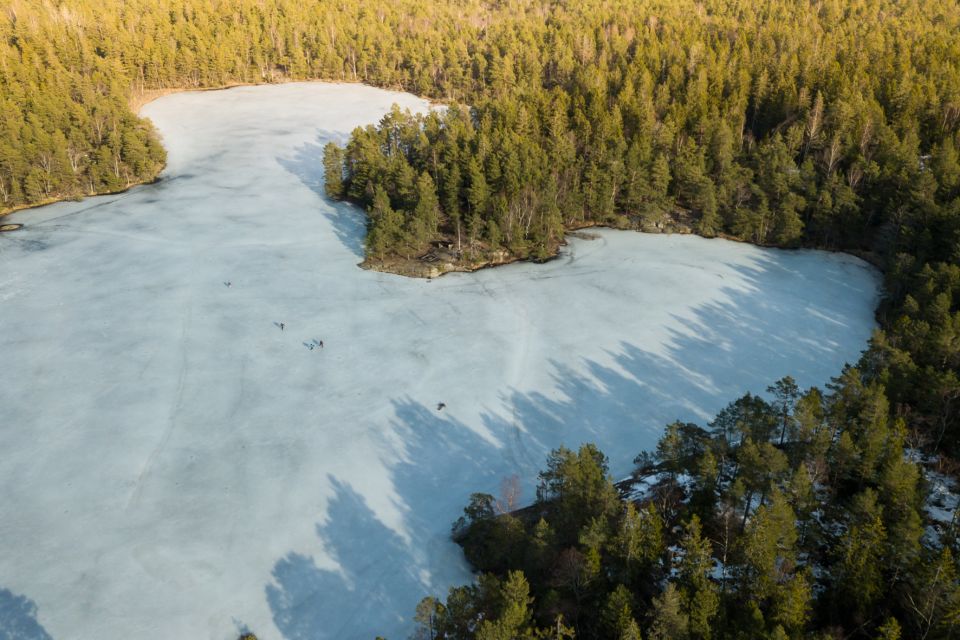
- Frozen-lake walking: you get guided, practical help for moving safely on ice, not just scenic photos.
- Swedish ecosystem lessons on the move: your guide uses the scenery to teach what you’re actually seeing.
- Campfire lunch by the fire: warm food plus a classic winter pause that makes the day feel complete.
- Winter safety gear and dry bags: you’re set up with high quality safety equipment and a way to keep personal items dry.
- Flexible snow conditions: when snow isn’t sufficient, the plan adapts with ice grips.
From central Stockholm to snowy forests in one day
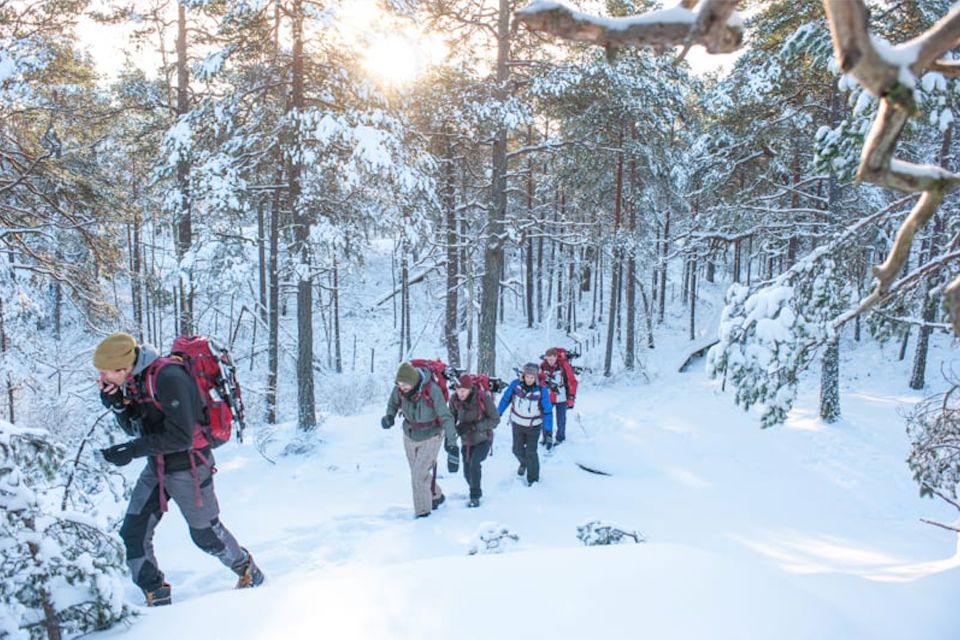
The day starts with pickup in central Stockholm, then a minivan transfer to the snow-covered hiking area for the time of year. In other words, you don’t need to figure out winter transit or hunt down a trailhead that’s actually snowy. You just show up, get oriented, and head out.
Why this is a big deal: Stockholm is easy to navigate in daylight, but winter conditions can make “just take the bus” feel like a chore. This tour removes that friction and buys you time to focus on the hike itself. If you’re close to the meeting area, the logistics feel painless. If you’re coming from farther out, you may want to plan extra buffer time for pickup.
You can also read our reviews of more hiking tours in Stockholm
Meeting point basics: find it fast, start on time
You meet at a point that’s a short walk from public transit: about 10 minutes from Skanstull metro station (green line) and Mariatorget metro station (red line), and around 8 minutes from Stockholm Södra station on the Pendeltåg suburb train.
That transit proximity is useful for two reasons. First, it makes it easier to avoid car/taxi hassles in winter. Second, it helps you arrive calm instead of stressed. This is especially helpful when you’re dressed for cold weather and already thinking about whether your gloves are tight enough.
The tour ends back at the meeting point, so you’re not stuck doing a complicated reverse trip.
Getting ready: winter clothes you actually need
The operator provides high quality safety equipment plus dry bags for your personal items, which is great. But you still bring your own cold-weather clothing and footwear.
Based on what you’re told to bring, I’d plan for:
- a warm sweater
- a shell layer or waterproof jacket
- hat, gloves, and scarf
- ski pants or thermal leggings/trousers
- an extra pair of socks (cold hands can be fixed; wet socks are harder to ignore)
- hiking boots (these are not included)
A plain reality check: snowshoe days are long and your body temp changes as you climb and stop. If you underdress, you’ll feel it. If you overheat, you’ll sweat, then cool down fast when you stop for lunch. The shell layer is the key—wind and wet snow are what turn a good hike into a miserable one.
Safety briefing and how you learn to move on ice
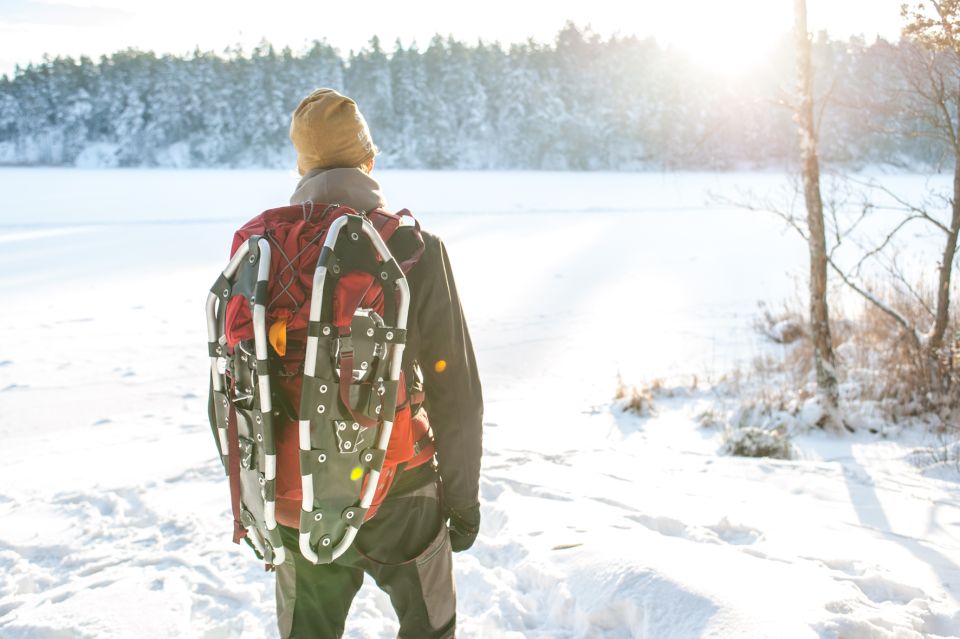
At the start point, your guide gives safety instructions on how to walk on snow and ice. This is not the kind of hike where you freestyle across slippery patches and hope for the best. The focus is practical movement—how to place your weight, how to step, and how to stay stable when the ground changes.
That matters because the tour includes frozen lakes, not just forest paths. Even when the ice looks uniform, the surface can vary. A good guide will slow you down just enough to keep everyone confident.
From the way guides like Tigo, Eric, and George are described, the instruction style tends to be friendly and question-friendly. You can ask stuff like what you’re seeing on the trees, where deer tracks come from, or how animals survive winter. The group format helps here; you’re not getting rushed through a lecture.
The hike itself: snow-covered forest, deer tracks, and winter wildlife talk
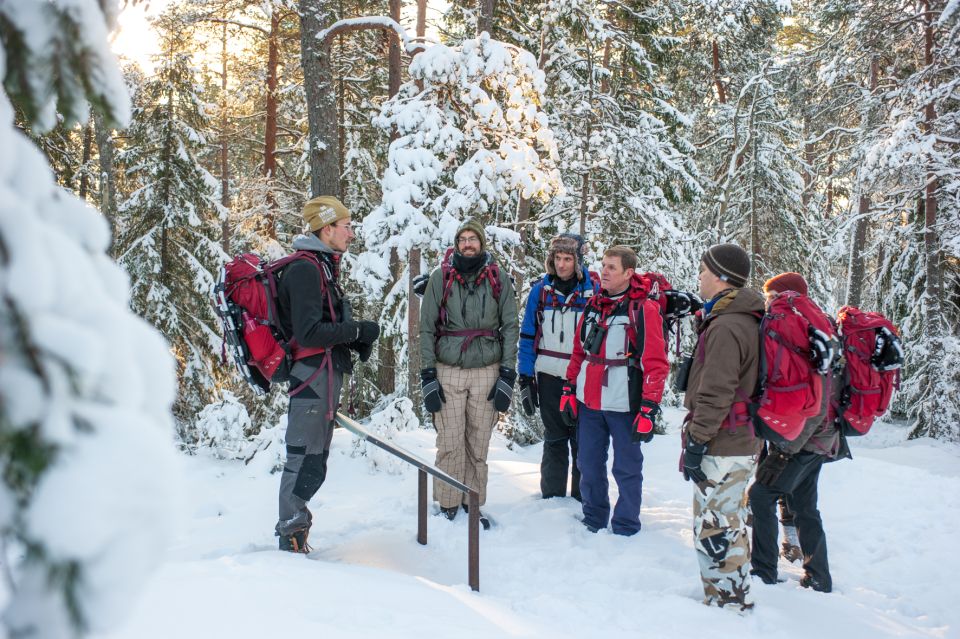
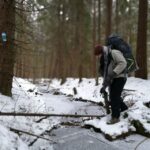
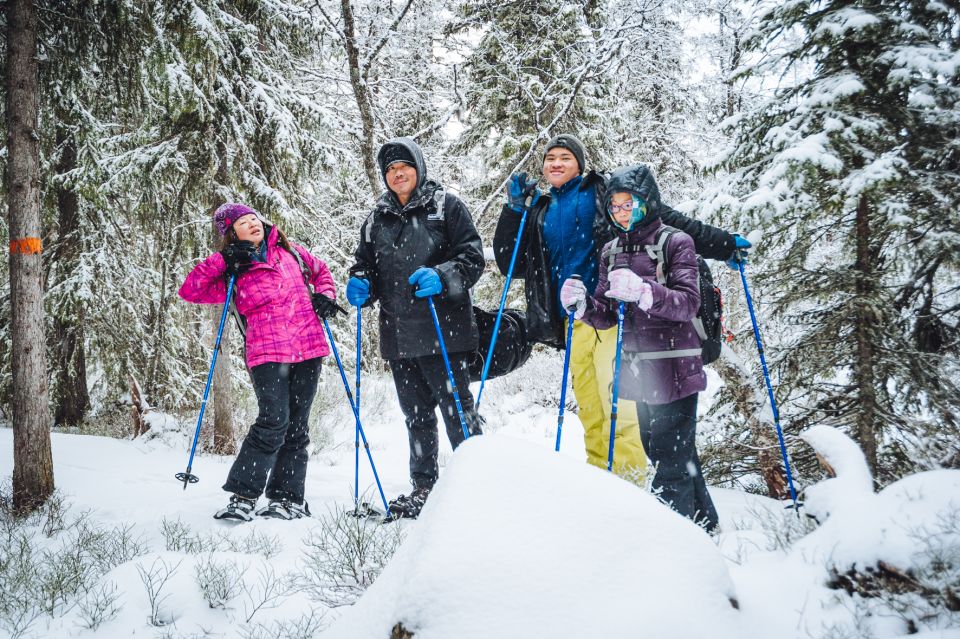
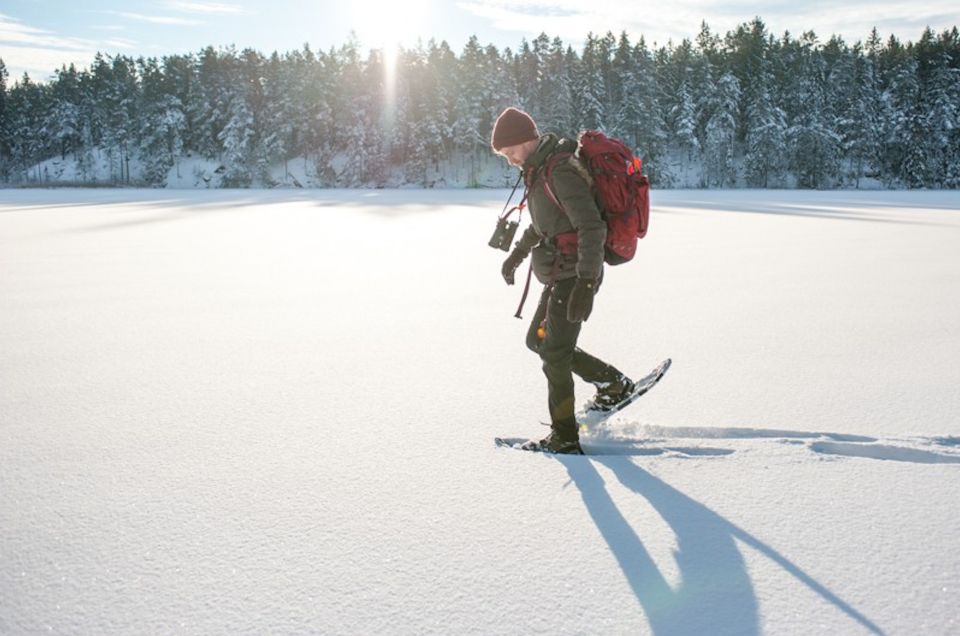
Once you start, you’re moving through winter scenery—snow-filled forest and sections that may include frozen lake crossings. You’re also learning about the Swedish ecosystem as you go, which turns the hike from simple scenery into a real experience of place.
Here’s what you can realistically expect to notice:
- snow-covered trees that look different depending on light and temperature
- tracks in the snow (including deer tracks), which make the winter world feel alive
- occasional views over frozen water where you can see how nearby lakes become part of winter travel
The ecosystem talk usually lands best when it’s tied to what you can point at. That’s why this kind of guided winter hike can feel more meaningful than a standard walk. You’re not just collecting images—you’re building understanding of the ecology around you.
And yes, if the weather is dull, the day can still be good. Winter in Sweden isn’t always Instagram-clean. Guides often keep the group energy steady anyway, and that helps.
You can also read our reviews of more tours and experiences in Stockholm

Frozen-lake sections: the moment that makes it feel special
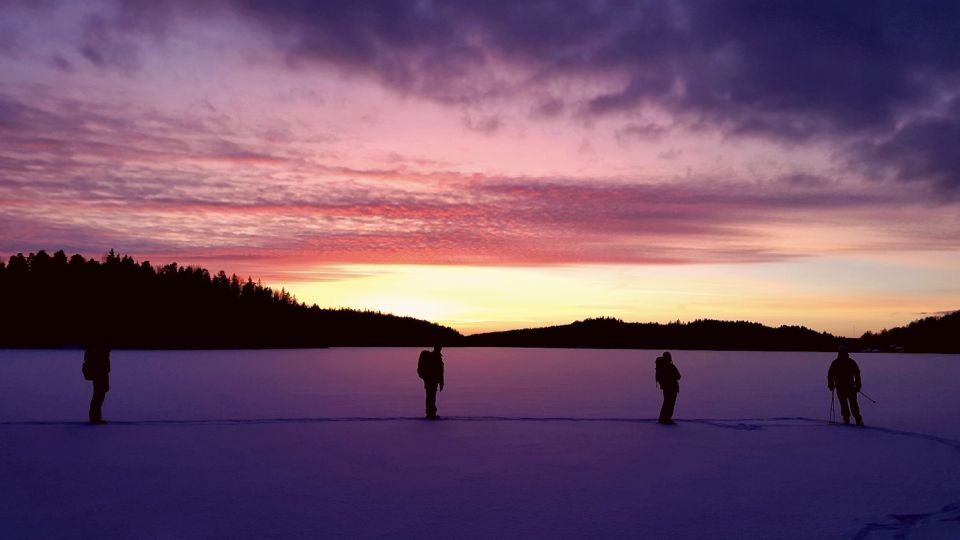
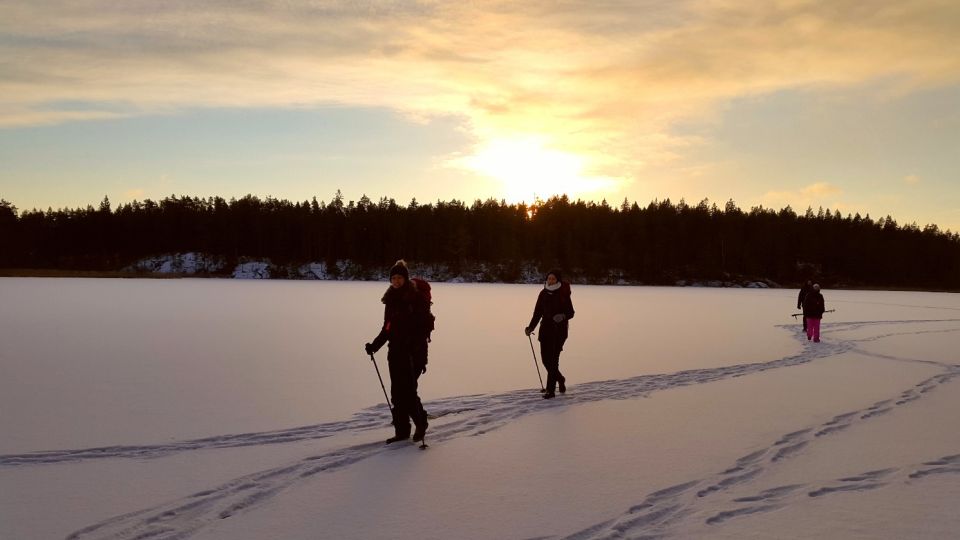
One of the most memorable parts is walking on a frozen lake. It’s amazing because it feels slightly unreal: you’re on what looks like a still-white sheet, then you hear footsteps and realize you’re actually crossing a lake.
But the payoff only works if you feel safe. That’s why the guide’s instructions matter so much. This isn’t a “hop on and go” situation; you’re taught how to walk on ice and snow as a group.
If you’re new to winter hiking, this is the best training ground you could ask for—controlled, guided, and close enough to get warm again after.
The campfire lunch stop: food, warmth, and that winter pause
When hunger hits, you stop for a lunch cooked by a campfire. The food is described as organically produced restaurant food, which you can treat as a signal that the lunch isn’t just a token snack. It’s a proper warm break.
This part does two jobs:
- It keeps the day from turning into a long cold slog.
- It gives you a mental reset—snowshoe hikes are repetitive by nature, so the stop brings variety.
On top of the meal, some guides also help people with the fire itself. That can be more fun than it sounds. Watching the process (and learning the basics) turns lunch into a mini workshop and makes the camp setting part of the story of the day.
If you’re the type who hates eating while standing in a cold breeze, you’ll appreciate this design.
When snow is thin: snowshoes or ice grips
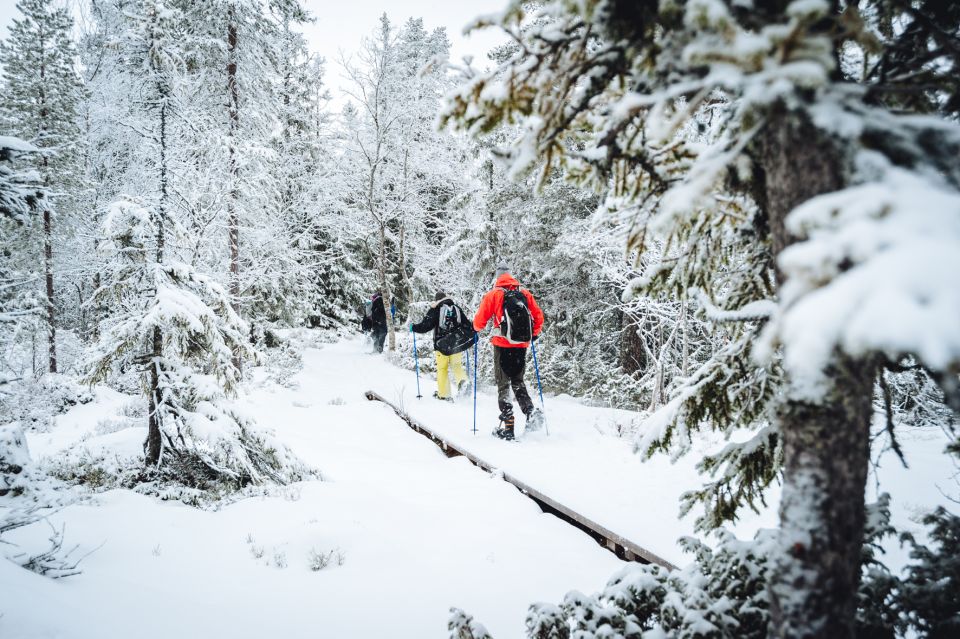
Sweden’s winter can be inconsistent. This tour builds in a plan for that: if snow level isn’t sufficient, you use ice grips under your shoes instead of snowshoes.
That detail is important for your expectations. If you book specifically for the look of deep snow, you might be disappointed on a low-snow day. But the upside is that you still get the winter outing—forests, frozen water, and learning how to walk safely in conditions that actually exist.
Even in a “less-snow” scenario, the hike can still feel like an escape. The scenery and guided lessons remain the point; the equipment changes. It’s a smart way to keep the experience from shutting down.
How long is this really? Timing and pacing
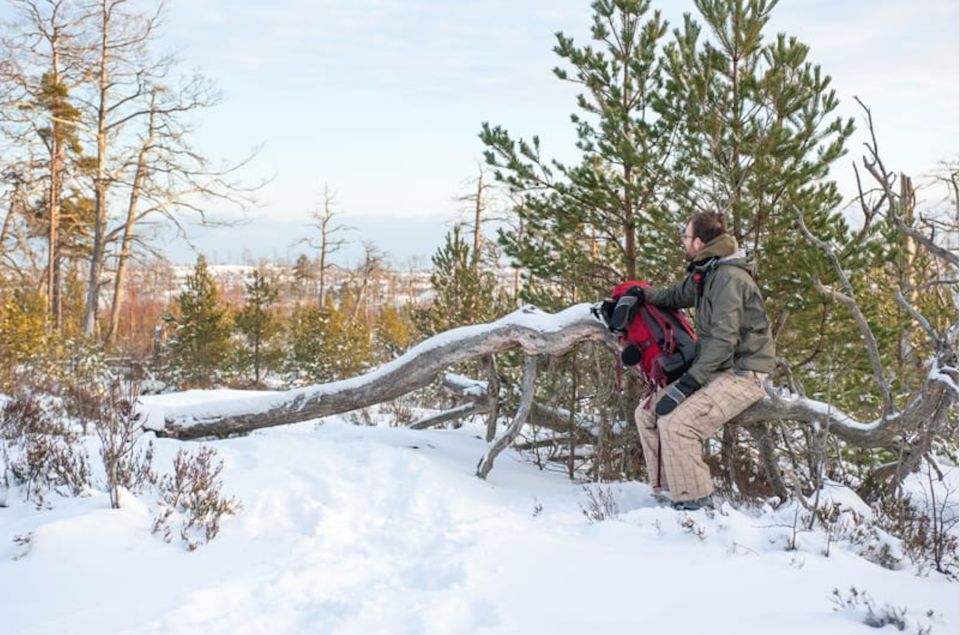
The duration is listed as 7 hours (with starting times depending on availability), and the adventure is described as an 8-hour hike. Either way, plan for a full day that’s mostly outdoors.
Pacing tends to be group-friendly, which matters when your footing changes and temperatures drop during pauses. In small groups, your guide can adjust the flow if someone needs extra time or if the ice conditions feel different from one stretch to the next.
A good strategy: eat the lunch slowly. Don’t rush your warmth and reset; that’s when you’ll feel the best for the rest of the hike.
Price and value: what $176 buys in the real world
At about $176 per person, this tour isn’t a budget add-on. You’re paying for:
- pickup and drop-off from central Stockholm
- a guide-led winter outing (including safety instruction)
- quality safety equipment and dry bags
- the guided hike in winter conditions that are tricky to do on your own
- a campfire lunch with organically produced restaurant food
So where’s the value? You’re buying confidence and convenience. In winter, the “hard part” is often not the walking—it’s handling ice safely, dressing right, and getting to the right type of snow-covered area without wasting time.
If you’re already an experienced winter hiker with your gear dialed in, it may feel pricier. If you want a guided day that handles the details so you can relax and learn, it looks more reasonable fast—especially with a small group of up to 8.
Who should book this snowshoe hike (and who should consider alternatives)
This tour is a strong match if you:
- want a guided winter experience close to Stockholm
- like learning as you walk (Swedish ecosystems and winter wildlife talk)
- enjoy hands-on nature moments, especially ice and campfire time
- travel with kids or a mixed group, since the guide support can help keep everyone included
It may be less ideal if you:
- want deep-snow snowshoe scenery no matter what (because the plan can switch to ice grips)
- dislike being outdoors in wet or grey winter weather
- hate carrying your own cold-weather gear (since clothing and boots are not included)
If your priority is simply to see snow, you might be better off with a shorter, more flexible option. If your priority is to learn how to move safely and feel comfortable in Swedish winter outdoors, this one makes sense.
Should you book the Stockholm Winter Snowshoe Full-Day Hike?
I’d book it if you want a real winter day with structure: pickup, a small group, real safety instruction, frozen-lake walking, and a campfire lunch that brings you back to the warmth.
Book it with eyes open about conditions. Low snow can mean ice grips instead of snowshoes. But that doesn’t cancel the spirit of the hike—it shifts the gear and, often, the feel of the walk. Either way, you’re guided through winter terrain and taught along the way, which is the part most people remember.
If you’re excited to learn winter walking skills and you’re willing to dress properly, this is a solid choice for Stockholm in winter.
FAQ
FAQ
What is the price for the Stockholm winter snowshoe hike?
The price is listed as $176 per person.
How long is the tour?
The duration is listed as 7 hours, and the experience is described as an 8-hour adventure. Starting times depend on availability.
What do I get with the tour price?
It includes pickup and drop-off, a guided hiking tour, high quality safety equipment, dry bags for personal items, and organically produced restaurant food for lunch.
What should I bring for the hike?
Bring appropriate winter clothing: a warm sweater, a shell layer or waterproof jacket, hat, gloves, scarf, ski pants or thermal leggings and trousers, and an extra pair of socks. Hiking boots are also required, since they’re not included.
Are snowshoes always used?
Not necessarily. If the snow level isn’t sufficient, the tour uses ice grips under your shoes instead of snowshoes.
Does the tour include walking on frozen lakes?
Yes. The hike can include walking over frozen lakes as part of the route.
How big is the group?
The group is small, limited to 8 participants.
Where is the meeting point, and where do we end?
The start meeting point is about a 10-minute walk from Skanstull metro station and Mariatorget metro station, and about an 8-minute walk from Stockholm Södra station on the Pendeltåg. The tour ends back at the same meeting point.