REVIEW · STOCKHOLM
Gamla Stan: Essential Tour of Stockholm
Book on GetYourGuide →Operated by Rainbow Tours Stockholm · Bookable on GetYourGuide
Gamla Stan walks you through time. This Old Town route is built in chronological order, starting in the Viking era and moving toward the big 1500s turning points that shaped modern Sweden. You meet in the heart of the island and get an easy way to connect dates, places, and why Swedes still talk about them today.
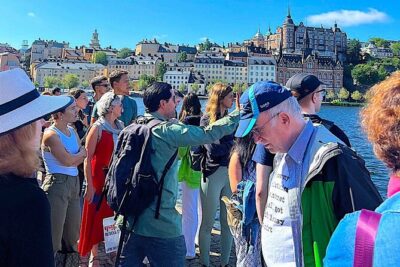
I especially like how the tour pairs big historical moments with small street details. You’ll squeeze into Mårten Trotzigs gränd, the famously narrow street, and still end up at major landmarks like Stortorget. Plus, guides such as Sophie and Oscar are repeatedly praised for keeping energy high, using clever wordplay, and making answers feel human when you ask questions.
One consideration: the Old Town streets are tight, and the tour includes steady walking. If your day is already packed, plan this early so you’re not trying to absorb medieval Stockholm while tired and hungry.
In This Review
- Key takeaways before you go
- Entering Gamla Stan with a timeline in your head
- Gustav Adolfs torg to Stortorget: where the walk actually flows
- Parliament House stop: connecting politics to street-level life
- Riddarholmen: the view that makes Stockholm feel like an island city
- Mårten Trotzigs gränd: why the narrowest street is more than a gimmick
- German Church: spotting foreign influence in plain sight
- Royal Palace area: learning power, not just posing for photos
- Stockholm Cathedral: where the story gets heavier
- Stortorget finish: make your own sense of what you learned
- Guides, group pace, and why it feels personal
- Price and value: $21 for a guided Old Town timeline
- Practical tips so the walk feels easy
- Should you book the Gamla Stan Essential Tour?
- FAQ
- How long is the Gamla Stan essential tour?
- Where do I meet the guide?
- What is the tour price?
- Is the tour in English?
- Which main sights are included on the route?
- Is the tour wheelchair accessible?
- Can I get a refund if plans change?
Key takeaways before you go
- Viking to Gustav Vasa storyline: The route is timed like a timeline, not a random sight list.
- You get the narrow-street magic: Mårten Trotzigs gränd is part of the walk, not just a photo stop.
- Big places with context: You’ll hit the Royal Palace area, Stockholm Cathedral, and Stortorget with clear explanations.
- Guides bring humor and conversation: Wordplay, high energy, and Q-and-A are part of the experience.
- A small-group feel: One recent group noted a size around 15, which helps you hear and move calmly.
Entering Gamla Stan with a timeline in your head
Stockholm’s Old Town can feel like a postcard. But a postcard doesn’t tell you why the city looks the way it does. This tour does, by walking you through history in order—so you don’t just memorize names, you understand cause and effect.
You start in the Viking-era world, then move into periods shaped by outside power. Expect the German influence and the Danish conflict that led to one of Sweden’s most talked-about events: the Stockholm bloodbath in 1520. After that, the narrative shifts to the succession of Gustav Vasa.
That chronological approach matters. When you see a palace, a church, or a fortress-like viewpoint, your brain automatically links it to the era that built it. It’s the difference between seeing Stockholm and getting the plot.
You can also read our reviews of more tours and experiences in Stockholm.


Gustav Adolfs torg to Stortorget: where the walk actually flows
The meeting point is Gustav Adolfs torg, with the guide waiting in the middle of the square under a rainbow-colored umbrella. It’s a helpful way to spot your start in a busy area, especially if you’re arriving by foot from another sightseeing stop.
The finish is at Stortorget, the island’s main square. That’s a smart wrap-up. After 2.5 hours of dates and locations, you end in a wide open place where your new map of the Old Town clicks into place.
The tour runs about 2.5 hours in English, with a live guide. That length is long enough to cover the island’s key layers without turning into a marathon, and it’s short enough to still let you wander afterward on your own.
Parliament House stop: connecting politics to street-level life
Early on, you’ll pause by the Parliament House for a guided segment. Even if you’ve only seen Sweden briefly through photos, this is a quick reality check: the Old Town isn’t just medieval ruins. It’s a living core where government and daily life coexist.
This kind of stop works because it anchors the past. When you later hear about medieval power struggles, you’ll better understand why modern symbols sit where they do. It’s not history in a museum case—it’s history that still shapes the city’s layout.
Riddarholmen: the view that makes Stockholm feel like an island city
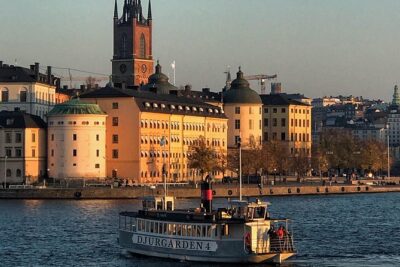
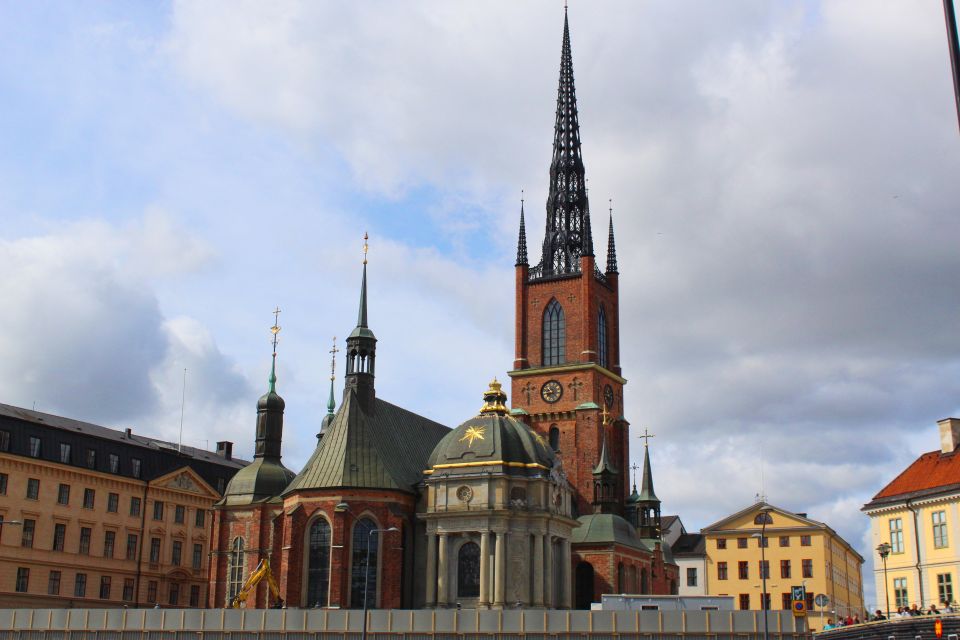
Next comes Riddarholmen with another short guided moment. This area helps you appreciate Stockholm’s geography. The city isn’t one big flat grid; it’s an archipelago vibe, built on water and islands.
When you’re learning medieval Stockholm, geography is not trivia. Access by water, control of crossings, and who could defend or trade mattered. A quick stop here keeps the history tied to how people actually moved and survived.
Mårten Trotzigs gränd: why the narrowest street is more than a gimmick
Then you hit Mårten Trotzigs gränd, described as the narrowest street in Stockholm. Yes, it’s a fun fact. But it’s also a window into medieval city planning.
Narrow lanes like this usually mean older development patterns—streets squeezed by earlier buildings, land constraints, and the messy growth of a trading city. In other words, it’s a clue that the city didn’t start as a clean design. It grew the way real cities grow: bit by bit, crowded by necessity.
It’s also one of the most memorable moments of the tour because it’s visual and physical. You feel how the street tightens around you, which makes the historical explanations stick.


German Church: spotting foreign influence in plain sight
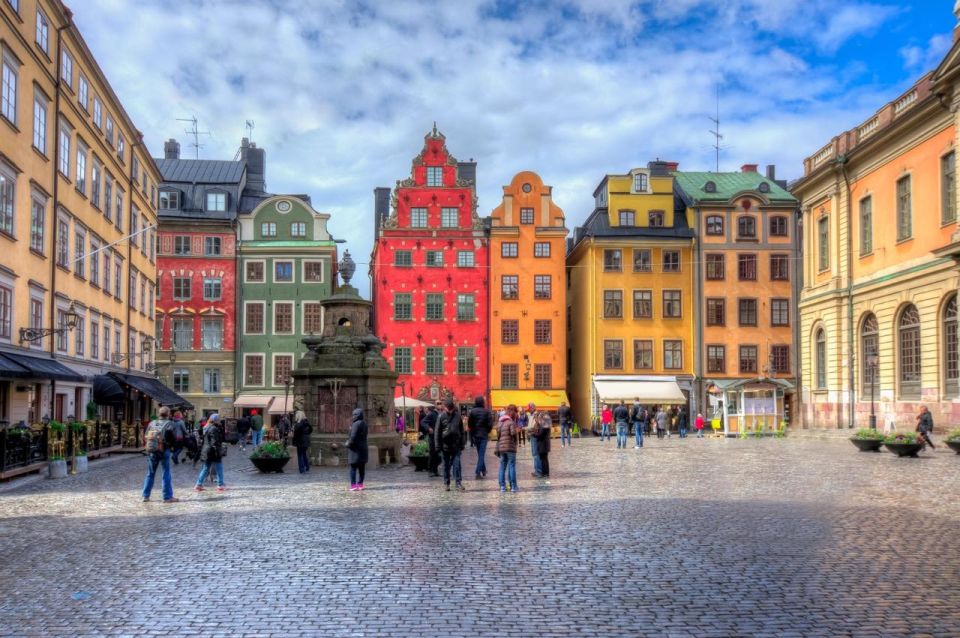
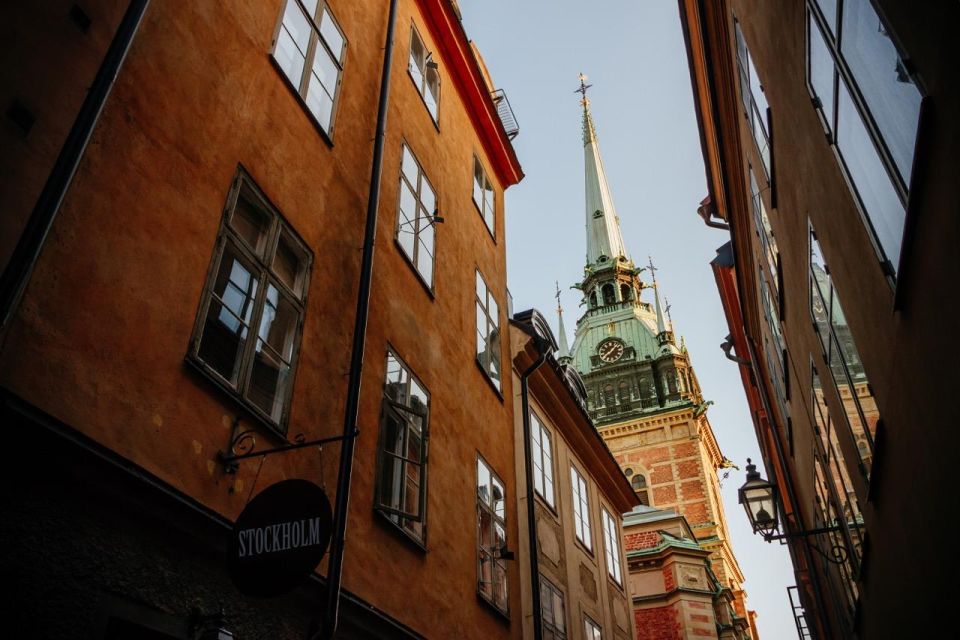
Another stop is the German Church (Tyska kyrkan). This is where the “German influence” part of the story becomes visible instead of abstract.
For centuries, trade and alliances brought foreign communities into Northern European port cities. That usually leaves behind churches, customs, and architecture that don’t match the local style perfectly. Even if you don’t go inside, the guided context helps you read the area with more accuracy.
Royal Palace area: learning power, not just posing for photos
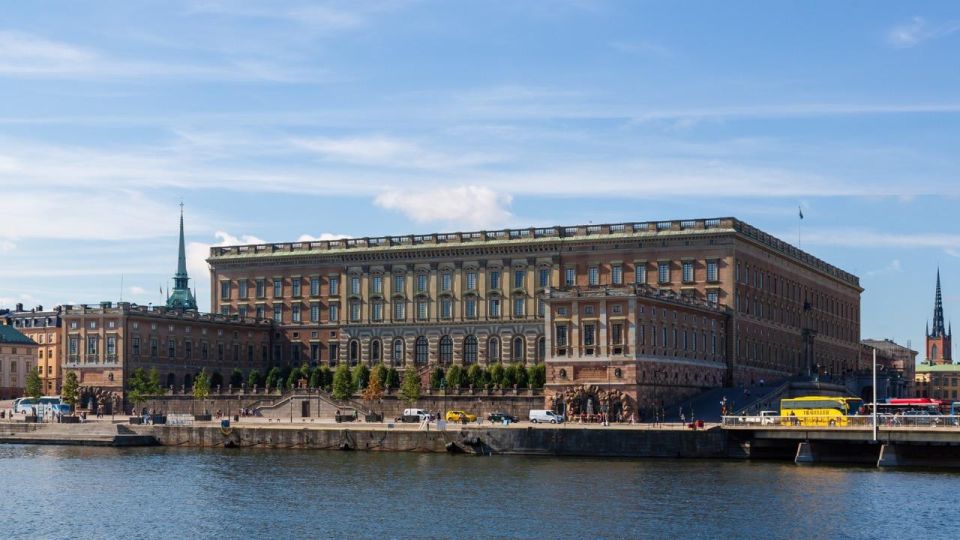
Next you’ll walk toward the Royal Palace with a guided segment. People come here to take photos. You’ll do that too, but the value is in what your guide connects to the palace story—how power shifted through the periods you just heard about.
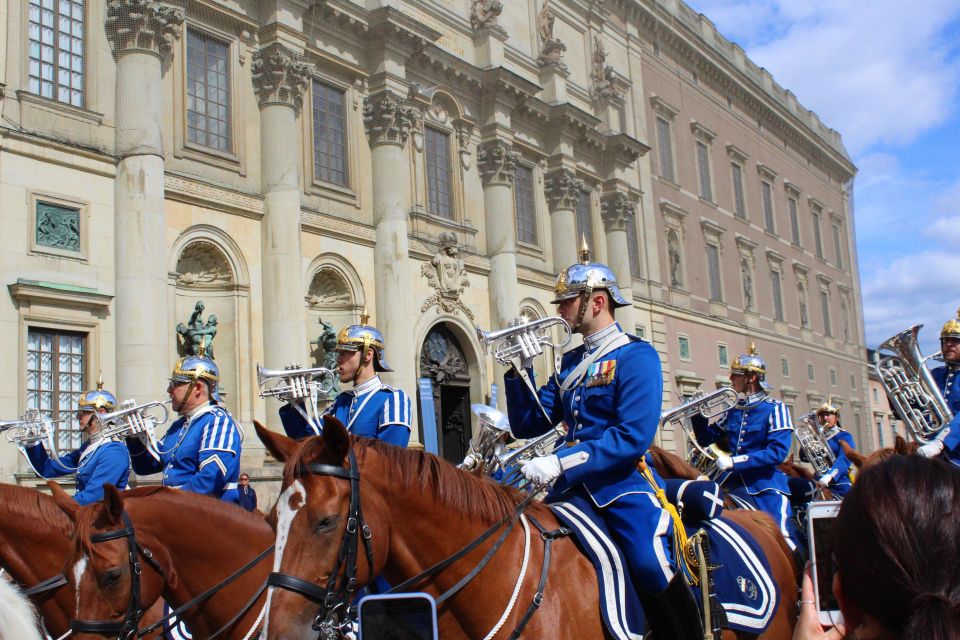
One review mentioned a bonus moment: when timing aligned, the group caught the changing of the guard with a marching band. It’s not guaranteed by the basic itinerary info you’re given, but it’s worth knowing that the setting can sometimes create a memorable add-on if schedules match up.
Either way, this stop helps you understand the palace area as more than a backdrop. It’s a symbol tied to the era you’ve been tracing.
Stockholm Cathedral: where the story gets heavier
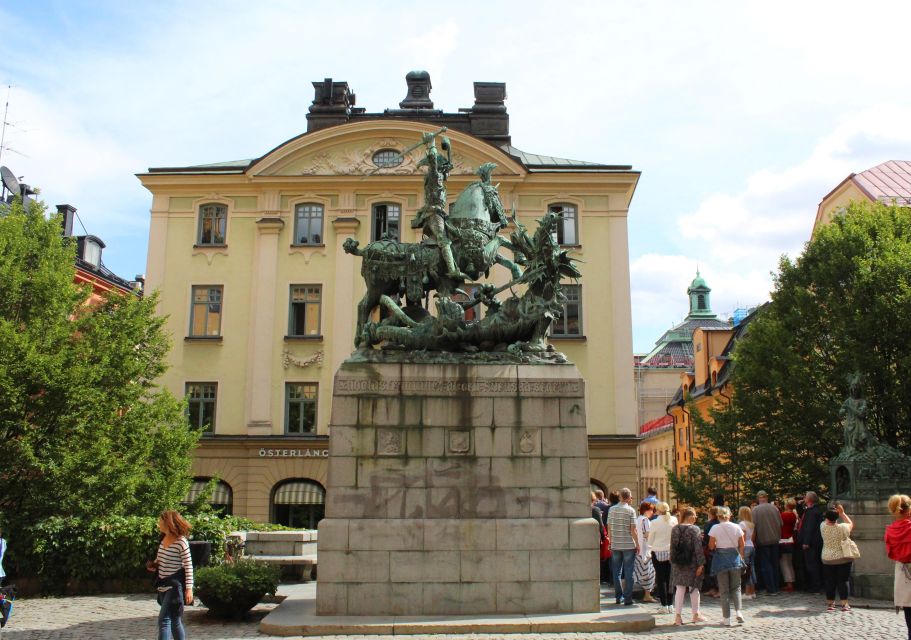
You’ll then visit Stockholm Cathedral for another guided explanation. Cathedrals aren’t just pretty stone. They’re where social order, major ceremonies, and political legitimacy often showed up.
This stop closes a loop. Earlier you learned about conflict and power moves, including the brutal 1520 event. A cathedral stop gives you a different angle on that era: not only battles and rule changes, but also the role of religion, institutions, and public life.
If you want to understand why medieval Scandinavia wasn’t just Vikings and sagas, this is the part that turns the lights on.
Stortorget finish: make your own sense of what you learned
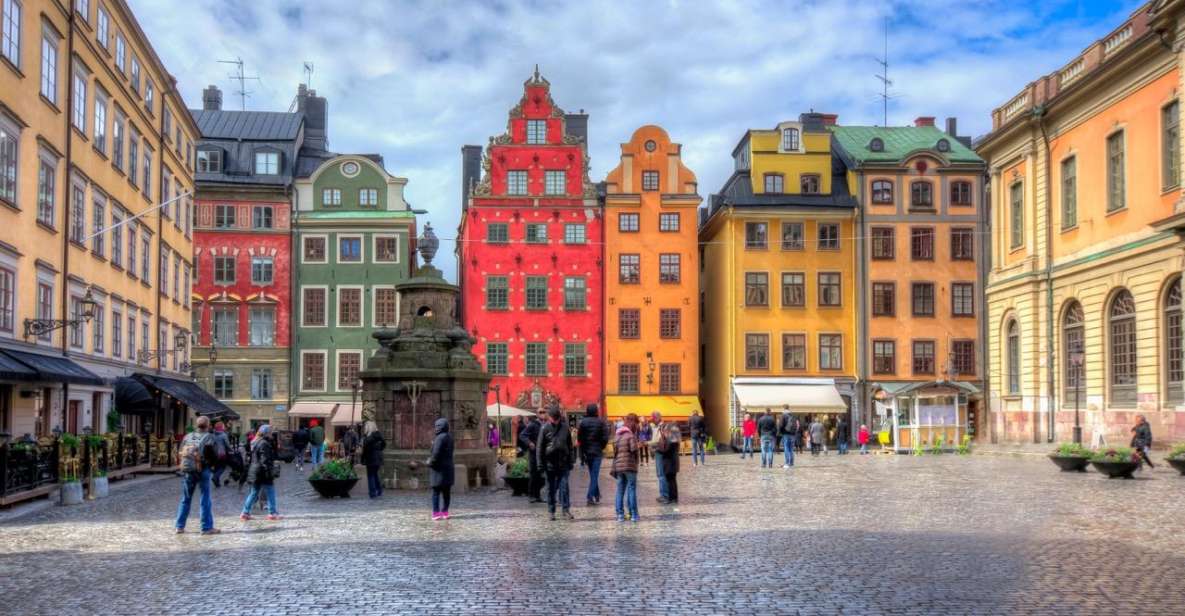
You’ll end at Stortorget, the main square. This ending point is practical: it’s a central spot where you can look around and start connecting landmarks you just walked past.
A good tour doesn’t make you dependent on the guide. It gives you enough context to explore confidently afterward—whether you want to duck into a museum, grab a snack, or simply take more photos with better understanding.
Stortorget is also a natural place to ask one last question. By the time you reach the square, you’ve got the timeline in your head, so your follow-ups will make sense.
Guides, group pace, and why it feels personal
This tour is led by a live English guide, and the tone seems to matter as much as the facts. Several guides are described as cheerful and energetic, with a style that mixes humor, wordplay, and real answers.
You’ll likely notice a few patterns:
- Guides ask questions that help the group think like locals, not like museum visitors.
- There’s room to ask anything that catches your attention, which can turn the tour into a more tailored experience.
- The pace is built around short guided segments at each stop, keeping you moving without rushing.
Group size can influence how easy it is to hear. One recent group noted about 15 people. If you prefer a calm walk where you can actually ask questions without shouting, this format generally fits the bill.
Price and value: $21 for a guided Old Town timeline
At $21 per person for 2.5 hours with a live guide, this is a strong value for a first-time Stockholm visit—especially if you want context rather than a checklist. You’re paying for interpretation: someone walking you from era to era, pointing out what to notice, and helping you connect why certain places matter.
Could you do Gamla Stan on your own? Sure. But self-guided strolling tends to turn into lots of photo stops and limited clarity on dates and causes. This tour is built to keep you oriented, and the timeline structure makes the cost feel justified quickly.
Also, the tour includes travel recommendations. That’s small, but it can be useful if you want to keep your day efficient after the walk ends.
Practical tips so the walk feels easy
Gamla Stan is an active neighborhood, and your day will be weather-dependent. Check the forecast and dress for walking. If you’re going to be late, the operator asks you to let them know so the guide can help you reach the group.
Because the streets are narrow and the walking is steady, I’d plan this tour when your legs are fresh. It’s ideal on your first or second day, when you still want to build a mental map and orient yourself.
One more small tip: bring questions. If something in the story sounds surprising—like how a medieval event still echoes—you’ll get more out of the stops.
Should you book the Gamla Stan Essential Tour?
Book it if you want a first-timer friendly way to understand Stockholm’s Old Town. This is a great choice when you like history that has a timeline and when you’d rather ask questions than just wander.
Skip it or consider a lighter option if you hate walking or if your schedule is tight and you’ll be tired. The Old Town rewards pace you can sustain, and this route is designed to keep moving from one important stop to the next.
If you’re aiming to spend your limited time in Stockholm with maximum clarity, this tour is a smart bet—especially with guides who bring both facts and energy to the street.
FAQ
How long is the Gamla Stan essential tour?
The tour lasts about 2.5 hours.
Where do I meet the guide?
Meet at Gustav Adolfs torg. The guide will be in the middle of the square with a rainbow colored umbrella.
What is the tour price?
The price is listed as $21 per person.
Is the tour in English?
Yes, the live tour guide provides the tour in English.
Which main sights are included on the route?
The tour includes guided stops at Parliament House, Riddarholmen, Mårten Trotzigs gränd, German Church, the Royal Palace, Stockholm Cathedral, and it ends at Stortorget.
Is the tour wheelchair accessible?
Yes, the activity is listed as wheelchair accessible.
Can I get a refund if plans change?
The tour offers free cancellation up to 24 hours in advance for a full refund.