REVIEW · STOCKHOLM
Stockholm: Nature Hike with Campfire Lunch
Book on GetYourGuide →Operated by True Nature Sweden · Bookable on GetYourGuide
Campfire lunch beats museum time. Just outside Stockholm, this 7-hour small-group hike swaps city sights for snowy forest and real-life Swedish nature lessons.
You’ll get two standout perks: a campfire-cooked lunch with hot coffee or tea, and a guide (often Lukas) who keeps the nature talk practical and easy to follow.
One caution: the meeting point is outside the city center, so plan for timing. If you show up late, there’s a good chance you’ll lose the start.
In This Review
- Key things to know before you go
- Why a Swedish forest hike near Stockholm feels like a reset
- Getting to the nature reserve: the short drive that changes everything
- Forest walking with a guide: plants, animals, and what to pay attention to
- The noon campfire lunch: warm food, real coffee, and a small moment of calm
- Torch lamps, slippery snow, and how timing affects your hike
- Pacing, group size, and what it feels like with only 8 people
- What to bring: the difference between a fun winter hike and a miserable one
- English guide experience: how the info stays useful
- Price and value: is $149 per person worth it?
- Who should book this nature hike (and who might not)
- Quick planning notes for a smooth day
- Should you book it?
- FAQ
- How long is the Stockholm nature hike with campfire lunch?
- How much does it cost?
- Is lunch included?
- What’s included in the tour besides lunch?
- What group size is it?
- Do I need to bring hiking shoes and warm clothing?
- What language is the guide?
- Is there a way to handle allergies or special diets?
- What if I need to cancel?
Key things to know before you go
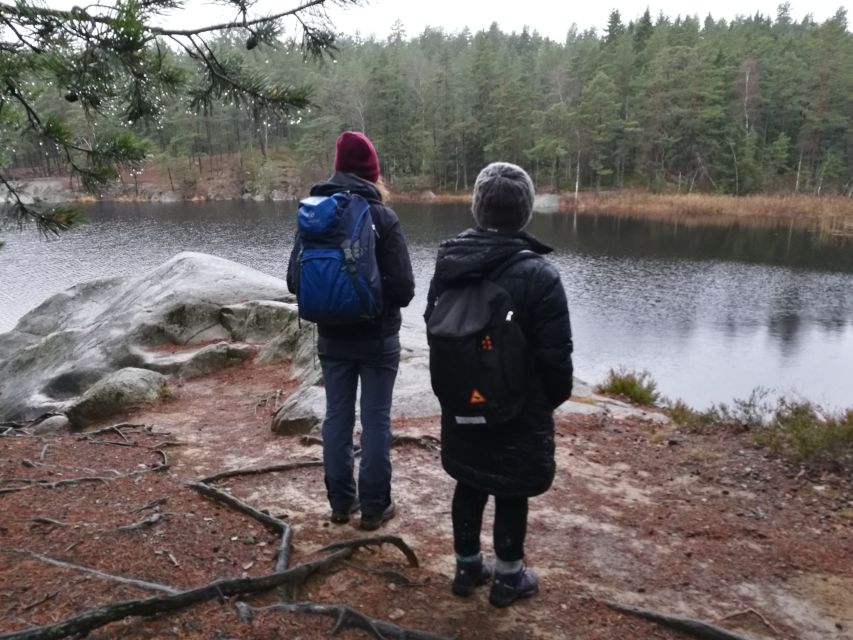
- Small group (max 8) means more time for questions when you spot animals or interesting plants
- 15-minute ride gets you from Stockholm-area streets into a proper nature reserve fast
- Off-path walking is part of the fun, helping you feel the depth of the forest rather than just following tracks
- Noon campfire break warms you up while lunch cooks in open flames
- Winter timing matters: you’ll likely hike later with torch lamps when the sun goes down early
Why a Swedish forest hike near Stockholm feels like a reset
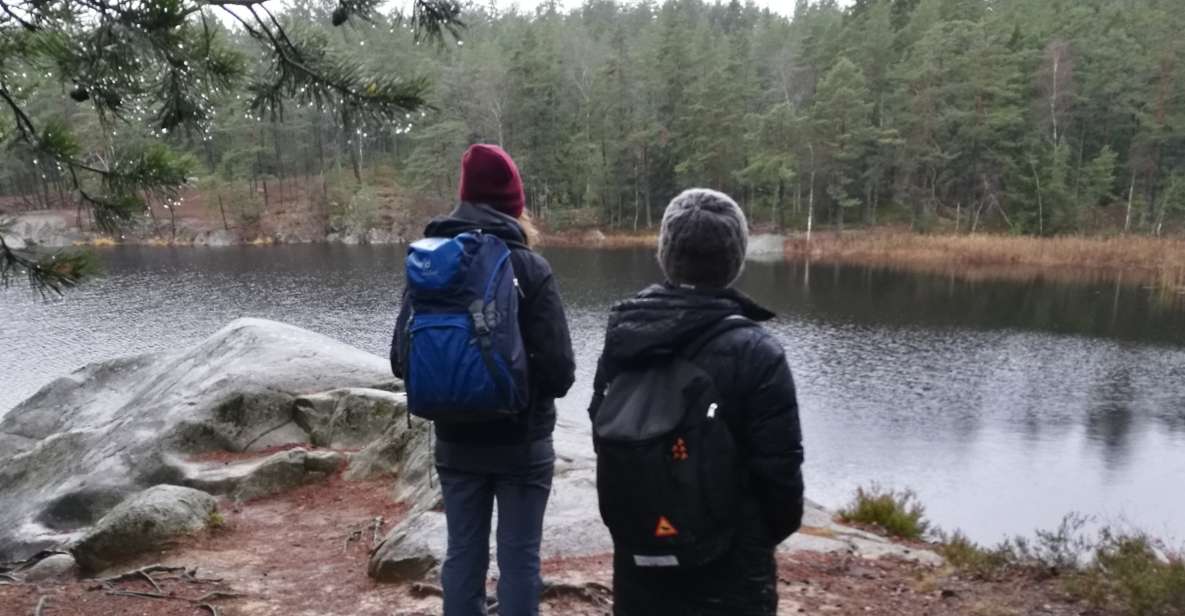
Stockholm is gorgeous, but sometimes you want fewer photos and more fresh air. This experience is built for that. You trade traffic and pavement for cold, quiet woods, and you move at a pace that lets you actually look around.
The big idea here is simple: you don’t just hike through nature—you learn what you’re seeing. Expect talk about Swedish plants and Scandinavian wildlife, plus a bit of culture and history tied to the way people live with the seasons. It’s the kind of outing that makes you feel more connected to the place instead of just passing through it.
You can also read our reviews of more tours and experiences in Stockholm

Getting to the nature reserve: the short drive that changes everything
Your day starts at a set meeting point, then you take a 15-minute drive to a nature reserve outside Stockholm County. That short transfer matters. It cuts down the “travel time tax” so you spend more of your 7 hours in actual winter wilderness.
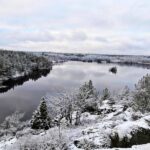
Once you arrive, the tour starts with warm-up habits: you’ll put on a wool hat and begin your hike into snowy conditions. Even if you’ve never walked in winter forests before, the setup helps you get oriented fast. You’re also encouraged to avoid sticking to the main paths as much as possible. That’s what turns a walk into a small adventure—more texture underfoot, more hidden corners, and a stronger sense of where the forest “really” is.
Forest walking with a guide: plants, animals, and what to pay attention to
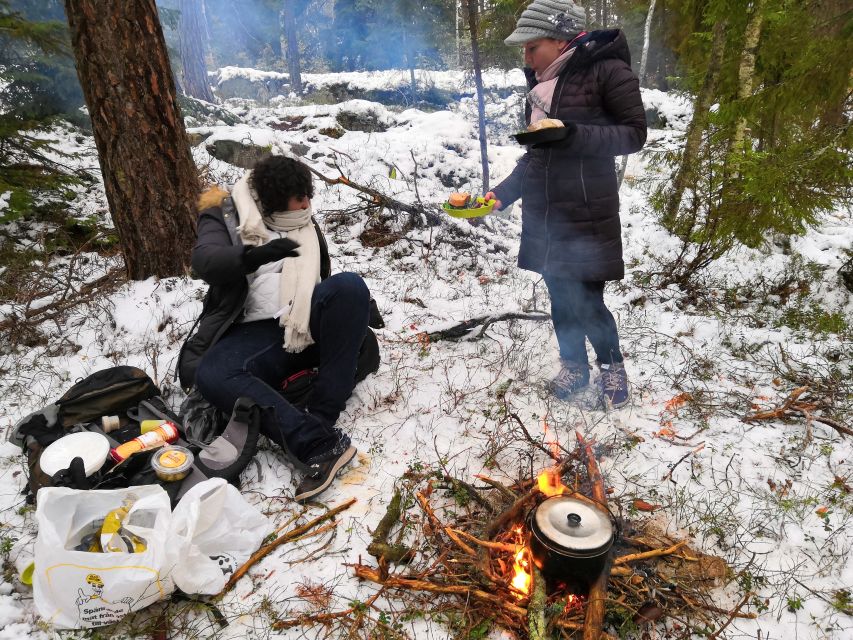
This is where the tour earns its value. Your English guide doesn’t treat nature like a slideshow. You’ll get pointers on what to notice in the woods—plants, animal signs, and the way the landscape changes with season and temperature.
A practical detail: the guide’s explanations are meant to be usable in the moment. You’re not just listening while everyone stares forward. You’ll slow down when it makes sense, look for cues in the snow, and learn how to connect those cues to what Swedish animals might be doing.
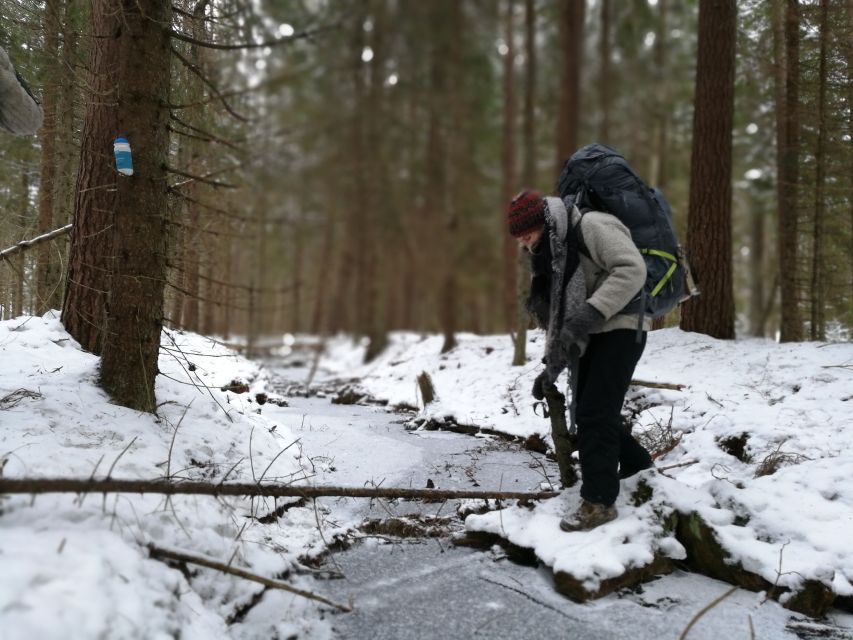
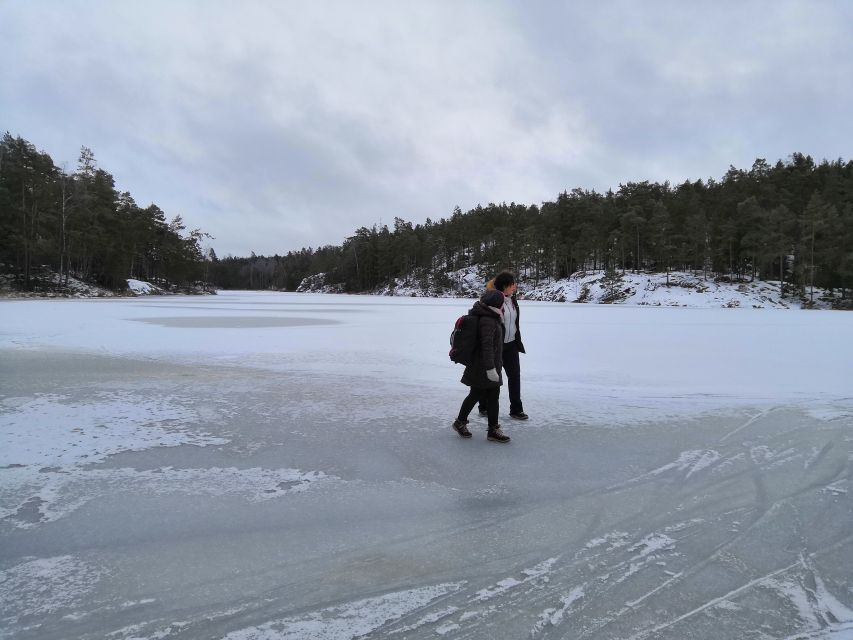
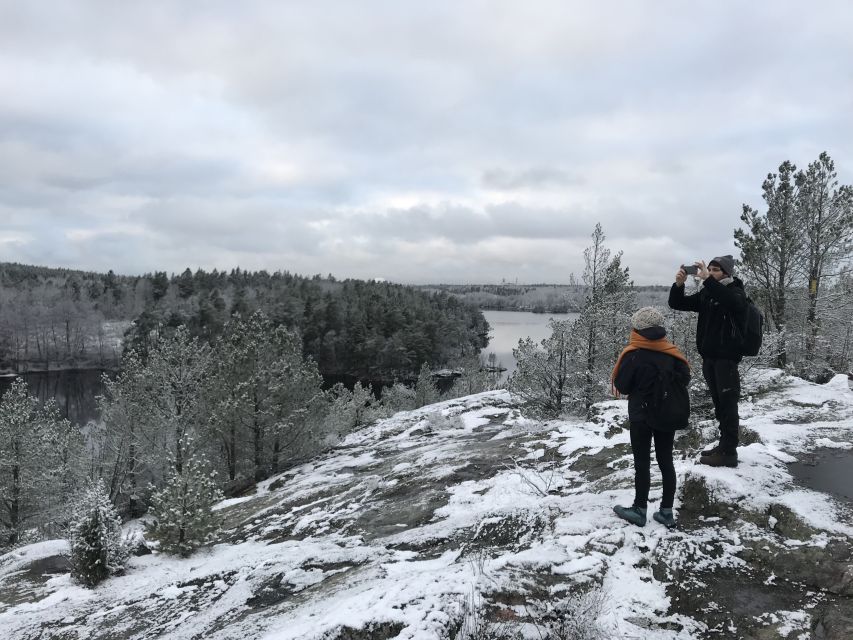
In the afternoon, animal spotting tends to improve. The tour is timed with that in mind, so you’re not stuck in the woods at the hours when it’s hardest to see anything. If the weather cooperates, you may also get a bonus: walking on a frozen lake on the way out. You’ll want to take that portion seriously—staying where your guide directs you is key—because winter conditions can change quickly.
The noon campfire lunch: warm food, real coffee, and a small moment of calm
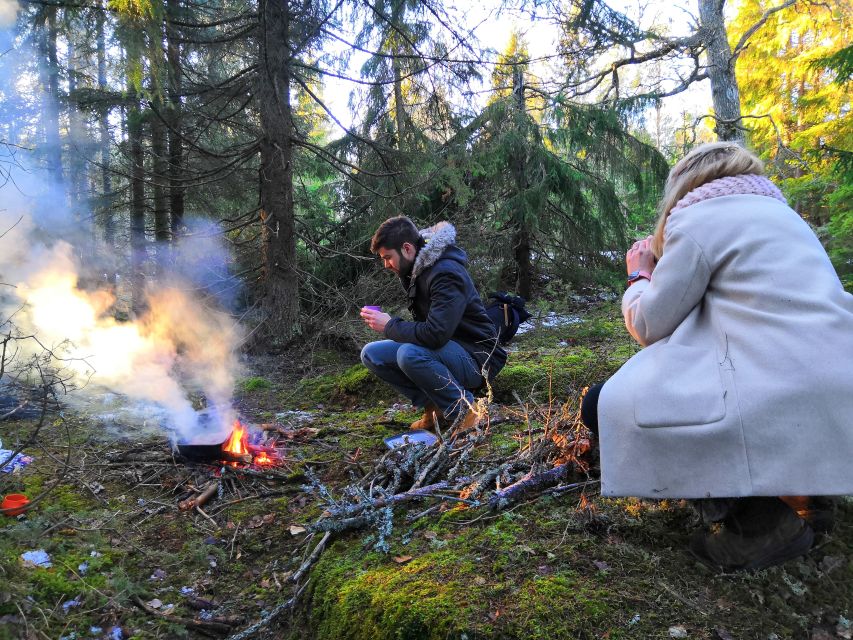
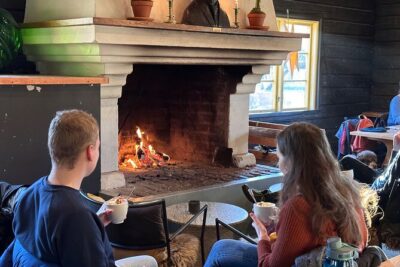
Around noon, you take a scheduled break and build a fire to warm up. This is the “reset button” in the middle of the hike. Lunch is cooked on the campfire, which means you’re not stuck with cold food or vending-machine snacks. It’s also the moment where the group finally exhales, warms hands, and chats.
Along with lunch, you get Swedish fika—hot coffee or tea plus snacks. Fika is more than a beverage break here. In this setting, it’s a cultural taste of Sweden’s winter rhythm: slow down, warm up, eat something comforting, and then keep going.
One more detail I like: the tour doesn’t just throw you into the cold and hope you figure it out. The fire break is part of the pacing, so you’re less likely to feel miserable halfway through.
Torch lamps, slippery snow, and how timing affects your hike
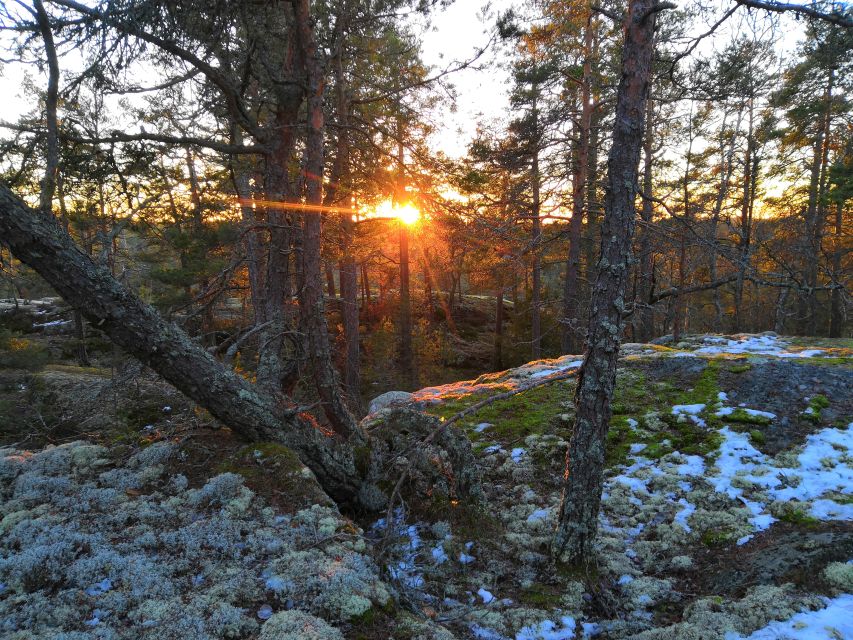
Winter days in Sweden can be short. When the temperature and daylight line up, you may be hiking later in the afternoon with torch lamps for the last stretch. That’s not a gimmick. When light fades fast, you want proper visibility so you can walk safely and keep the experience enjoyable.
Winter hiking also means you should expect slippery areas. Even with good shoes, snow and ice can make footing tricky. The good news: the hike structure includes breaks, and your guide is there to keep the group moving sensibly.
If you’re the type who likes a little challenge, this part delivers. If you’re more cautious, treat it as a “wear-the-right-gear” day, not a casual stroll.
You can also read our reviews of more hiking tours in Stockholm
Pacing, group size, and what it feels like with only 8 people
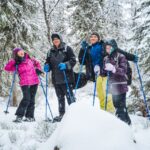
This is a small group capped at 8. That’s a big deal in the woods. With fewer people, you get less crowding on narrow spots, fewer delays when someone needs to pause, and more room for your guide to tailor explanations.
The group size also affects the tone. It tends to feel like you’re out with a friend who knows the forest, not herded through a checklist. It’s easier to ask questions when you’re not competing with a long line of people.
You’ll also feel the pacing. The hike is brisk enough to be active, but it’s structured around stops (especially lunch and the warmth break). That mix is ideal if you want a winter experience that’s physical but not exhausting.
What to bring: the difference between a fun winter hike and a miserable one
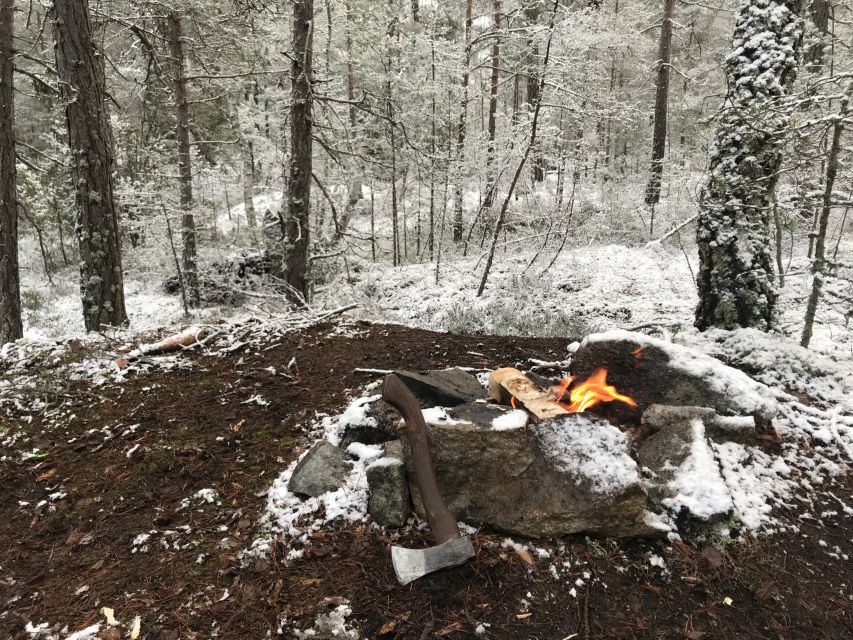
If you want this day to feel good, pack like it’s actually winter. The tour’s guidance is clear, and your comfort depends on it.
Plan on bringing:
- Warm clothing and layers you can adjust
- Waterproof shoes/boots and hiking shoes you trust on slippery ground
- Wooly socks and rain gear (weather can swing even when it feels cold and stable)
- A daypack for essentials
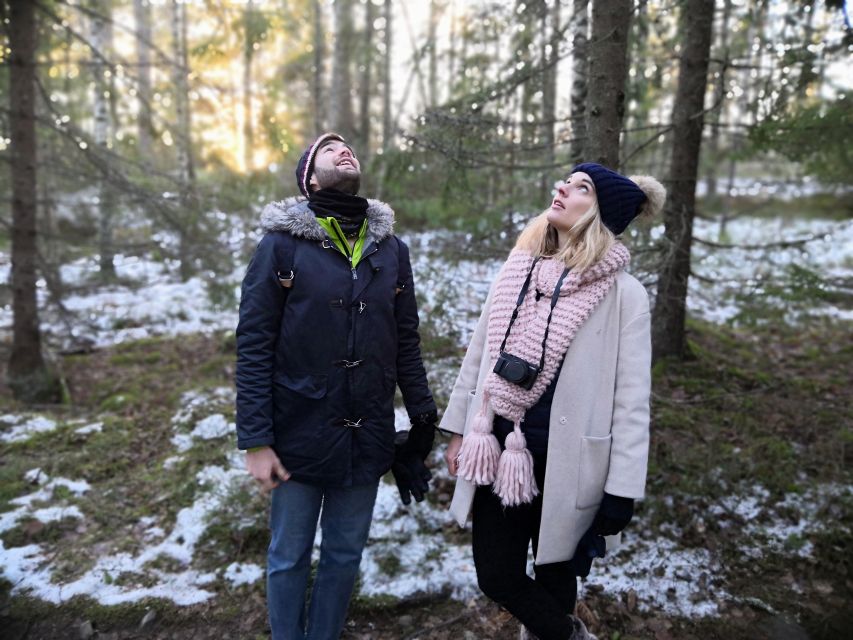
- A camera if you like snowy forest scenes
- A jacket that handles wind (forests can feel colder than the city)
My practical tip: choose footwear based on traction, not just warmth. In snow country, grip is what keeps the hike fun instead of stressful.
English guide experience: how the info stays useful
The tour runs with a live English guide. The goal is not to turn the hike into a lecture. It’s more like: you walk, you pause, you learn what’s around you, and you keep moving.
One review detail I’d treat as a promise: Lukas has a style that balances information without overwhelming people. If you’re the kind of traveler who enjoys learning but hates data dumps, this format should suit you.
Diet questions also come up. If you have allergies or a special diet, you’re asked about it ahead of time. There’s even an indication that vegan diets can be catered for when you communicate your needs.
Price and value: is $149 per person worth it?
At $149 per person for a 7-hour outing, the price isn’t “cheap.” But it can be fair value if you look at what you’re paying for.
You’re paying for:
- A guided winter experience in a nature reserve (not self-guided)
- Transportation to and from Stockholm via a drive to the reserve
- Lunch cooked on a campfire
- Swedish fika with hot drinks and snacks
- A small group size that keeps the experience personal
If you were to try to copy this on your own, you’d quickly lose time sourcing a winter guide, figuring out safe snow timing, and replacing the meal and fika setup. You also wouldn’t get the same learning focus. So the math works best if you want the experience package, not just a walk.
Who should book this nature hike (and who might not)
This tour fits best if you:
- Want an authentic winter forest day near Stockholm
- Enjoy guided learning about plants, animals, and seasonal life
- Like outdoor food moments (campfire lunch is a major draw)
- Prefer small groups and clearer pacing over big group tours
You might think twice if you:
- Have trouble with slippery footing or winter conditions
- Need lots of flexibility about late arrivals (the start is time-dependent, and the meeting point is outside the city center)
- Expect a gentle, slow walk with minimal snow/ice challenge
Quick planning notes for a smooth day
A few things that help you get the most out of the hike:
- Send ahead any medical or allergy info, and any special diet requests
- Bring your own hiking shoes/boots and warm layers—these are personal gear days
- If winter daylight is short, accept that torch-lit hiking is part of the adventure
- Bring a camera, but also keep some time for looking without the lens
Also, the tour uses participant questions ahead of time (health, allergies/diet, and contact details while in Sweden). It’s normal, but plan to respond so everything runs smoothly.
Should you book it?
I’d recommend booking this if you want a real Swedish winter experience with a guide, warm campfire food, and learning that actually connects to what you see outside. The campfire lunch and Swedish fika break are the kind of details that make the day feel complete, not just “exercise in the cold.”
I’d hold off if you’re fragile on timing or uncomfortable with snow and ice. Plan your start carefully, pack traction-focused footwear, and treat the frozen-lake moment (if it happens) with respect.
If those boxes fit you, this is a strong pick for a day outside the city that still feels organized, warm, and genuinely memorable.
FAQ
How long is the Stockholm nature hike with campfire lunch?
The experience runs for 7 hours.
How much does it cost?
It costs $149 per person.
Is lunch included?
Yes. You’ll have lunch cooked on a campfire, plus Swedish fika (hot coffee or tea with snacks).
What’s included in the tour besides lunch?
A guide in English, lunch, Swedish fika, and transportation to and from Stockholm are included.
What group size is it?
It’s a small group limited to 8 participants.
Do I need to bring hiking shoes and warm clothing?
Yes. You should bring hiking shoes/boots, warm clothing, socks, a jacket, and rain gear.
What language is the guide?
The tour includes a live English-speaking guide.
Is there a way to handle allergies or special diets?
You’re asked about medical/mental conditions, allergies, and any special diet in advance, so you should share your needs before the trip.
What if I need to cancel?
You can cancel up to 24 hours in advance for a full refund.