REVIEW · STOCKHOLM
Stockholm: Old Town Walking Tour, stories and secrets
Book on GetYourGuide →Operated by FikaTech · Bookable on GetYourGuide
Gamla Stan has a way of talking back. This Old Town walking tour turns Sweden’s past into street-level stories, from royal power plays to the stuff ordinary people actually dealt with day to day. I especially love the story-first guidance and the way the walk ends at Mynttorget, where freedom of speech and assembly still matter.
One thing to plan for: this is a foot-focused route through cobbled Old Town streets, and it isn’t suitable for mobility impairments or wheelchair users.
In This Review
- Key tour highlights to look for
- Why Gamla Stan stories land better than a facts-only tour
- Meeting at Postmuseum: the smooth start you want in Old Town
- Stop-by-stop: from Postmuseum runestones to Mynttorget freedom of speech
- Postmuseum: where your bearings begin
- The Runestone: quick context with a long past
- Stortorget: the famous square that shaped public life
- Royal Palace (photo/pass-by): royal power without the long lines
- Stockholm Cathedral (pass/first look): the exterior sets expectations
- Second Stockholm Cathedral stop: the guided part you’ll remember
- Iron Boy (boy who watches the moon): a small statue with big personality
- St George and the Dragon Statue: myth meets public space
- Österlånggatan and Västerlånggatan: the long streets that frame the story
- Järntorget: another city-life square for context
- Mårten Trotzigs Gränd: a tight lane you’ll never forget
- German Church (pass-by): a quick peek at different communities
- Riddarholmen: scenic views that make the geography click
- Riddarholmen Church (photo): a calm counterpoint
- House of Nobility (pass-by): where social structure becomes visible
- Finish at Mynttorget: the square where speech and assembly live
- The story angle: monarchy drama plus the daily stuff
- Photo stops that actually help your memory
- Value, price, and why tips matter on this kind of tour
- Who should book this Old Town walk
- Should you book this Stockholm Old Town tour?
- FAQ
- How long is the Stockholm Old Town walking tour?
- What does it cost?
- Where do I meet the guide?
- Which subway station is closest?
- Is the tour available in English?
- Is there a private group option?
- Do I need to tip the guide?
- Is the tour suitable for wheelchair users?
- What should I bring?
- Can I cancel for a full refund?
Key tour highlights to look for
Meet the guide at Postmuseum (Lilla Nygatan 6, Gamla Stan) and start promptly from the heart of Old Town
Runestone and Stortorget early on to get context fast before the big sights
Stockholm Cathedral stops for both quick photos and a more guided look
Iconic statues for easy photo breaks like Iron Boy and St George and the Dragon
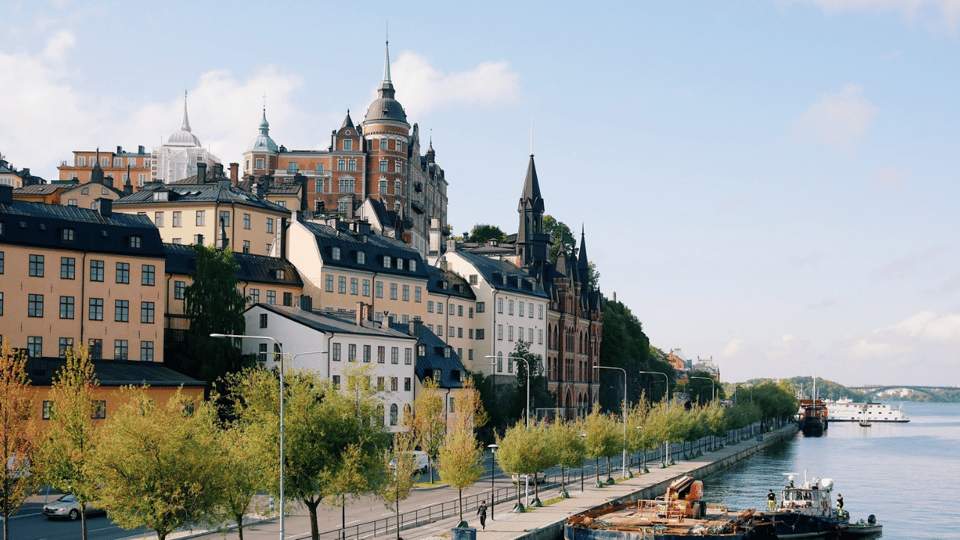
Scenic Riddarholmen waterfront moments with views across the water and toward the churches
Finish at Mynttorget at a square tied to freedom of speech and assembly
Why Gamla Stan stories land better than a facts-only tour
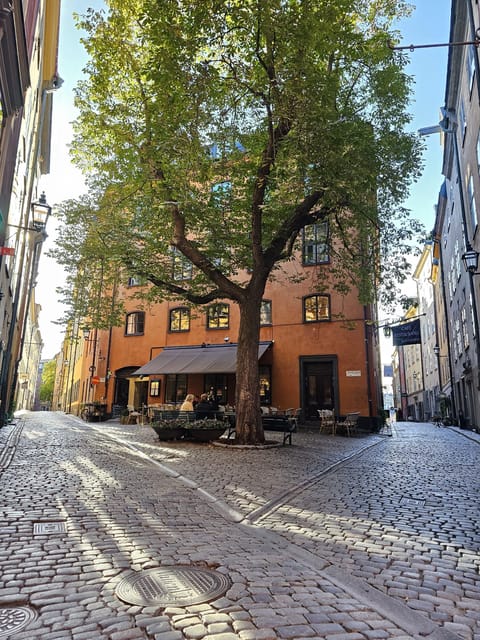
Old Town in Stockholm is one of those places where buildings don’t just sit there—they explain things. The streets feel old because they are, but what makes this kind of tour worth your time is how the guide connects the real lives behind the stone. You’ll hear about the tumultuous history of Swedish monarchs, but it’s not only about kings and queens. The stories also point to everyday life, so you start to understand why certain corners, churches, and public squares mattered.
This tour is also built around pacing. In two hours, you’re not trying to “see everything.” You’re doing something smarter: building an orientation of Gamla Stan so the rest of your day makes more sense—especially when you start wandering on your own. And because you’re walking, the city’s layout turns into a mental map, not a blur of landmarks.
You can also read our reviews of more walking tours in Stockholm

Meeting at Postmuseum: the smooth start you want in Old Town
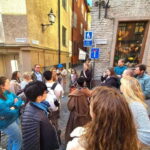
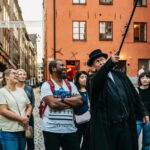
You meet in Gamla Stan at the Postal Museum entrance (Postmuseum), address Lilla Nygatan 6. The nearest subway station is Gamla Stan, so it’s easy to arrive without playing transit roulette. Look for your guide holding the official Get Your Guide logo at the meeting point.
Plan to show up a few minutes early and then settle in. The tour starts promptly at the scheduled time, and Old Town is narrow and busy enough that being late can throw off the whole group. Bring comfortable walking shoes—you’ll be on your feet for the full stretch. Also bring a camera if you like photos, since several stops are specifically timed for quick picture moments.
Stop-by-stop: from Postmuseum runestones to Mynttorget freedom of speech
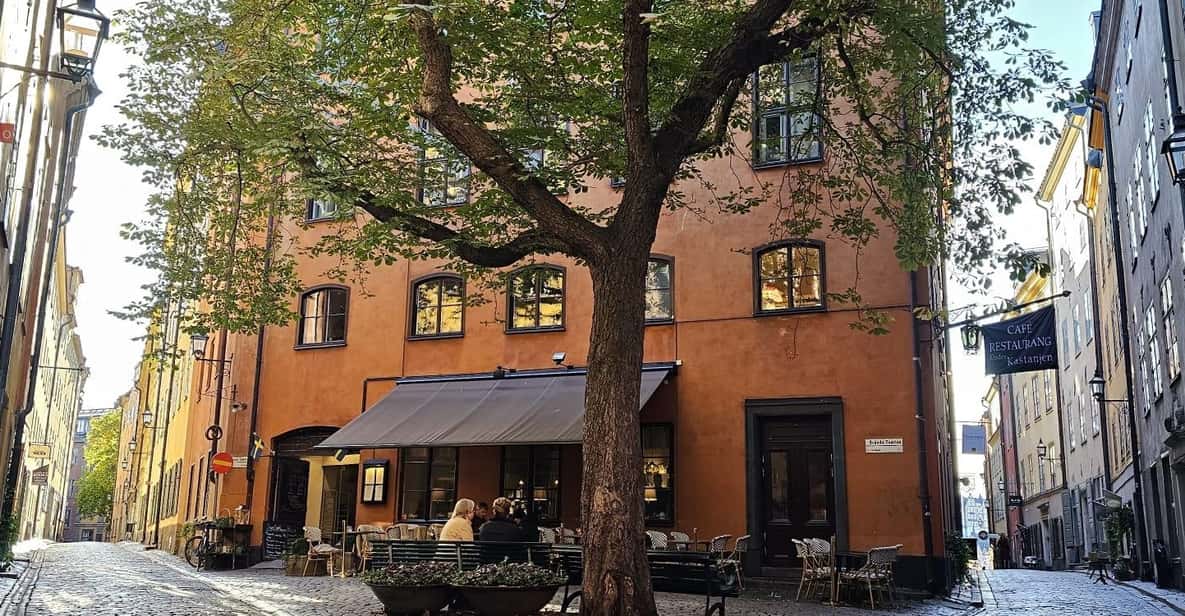
Below is how the route typically unfolds, and what each stop adds. Use this as a mental checklist so you know what to look for when you arrive.
Postmuseum: where your bearings begin
The tour kicks off at Postmuseum. Starting here works because it’s within the thick of Gamla Stan, so you’re immediately in the right zone for the medieval street maze. Before you even reach the first major landmark, you’re already learning the “why” behind the Old Town layout.
The Runestone: quick context with a long past
Next up is a runestone stop. It’s a short walk, but it helps ground the tour before the big ceremonial sights. Runestones are a reminder that Stockholm’s story didn’t begin with palaces and cathedrals. You get a sense of how far back everyday life and messages in public spaces can go.





Stortorget: the famous square that shaped public life
Then you reach Stortorget. Squares are where history gets loud—markets, announcements, crowds, and arguments. This is one of those stops where your guide’s stories can make the stones feel less decorative and more functional. You’ll also get a sense of how public space connects to the later themes of politics and assembly.
Royal Palace (photo/pass-by): royal power without the long lines
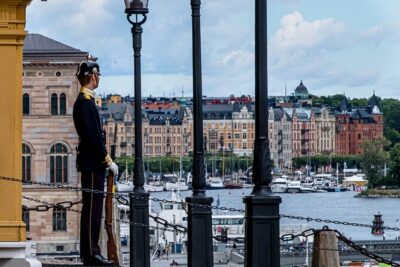
You’ll pass by the Royal Palace and get a photo stop. The timing here matters: you get the visual impact without turning your tour into a queue-and-wait day. Think of this as a “there it is” moment that makes later stories about monarchy easier to picture in your head.
Stockholm Cathedral (pass/first look): the exterior sets expectations
You’ll see Stockholm Cathedral with a photo stop and brief guided time. Even when you’re not going deep at first, the cathedral’s presence changes the feel of the area. It’s a major anchor point for Gamla Stan’s identity, and the guide’s explanations help you notice details you might otherwise skip.
Second Stockholm Cathedral stop: the guided part you’ll remember
There’s a later stop at Stockholm Cathedral again. This repeat helps because it gives you a second chance to connect the architecture to the stories—so it’s not just an early glance. If you’re the type who likes to understand what you’re looking at, this is one of the best places to slow down.
Iron Boy (boy who watches the moon): a small statue with big personality
Then you’ll hit Iron Boy, the Boy who watches the moon. This is one of those stops that proves history isn’t only solemn monuments. You’ll get a quick photo and a moment of charm—exactly the kind of pause that keeps the two-hour walk from becoming nonstop heavy information.
St George and the Dragon Statue: myth meets public space
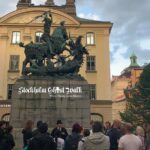
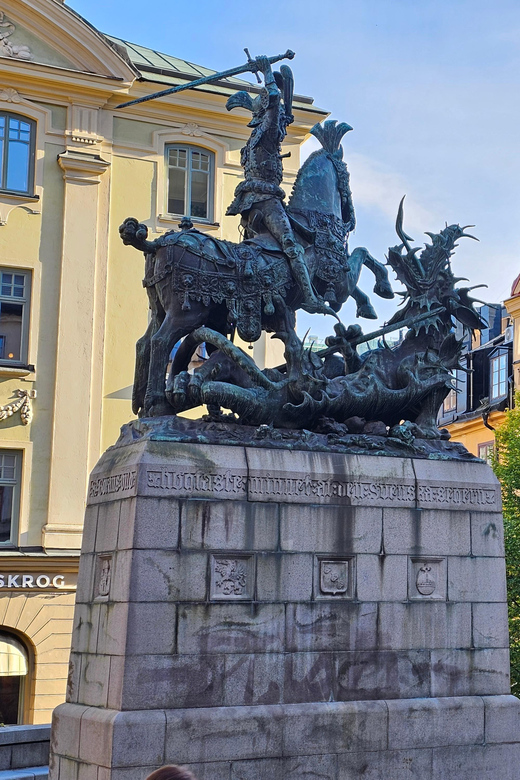
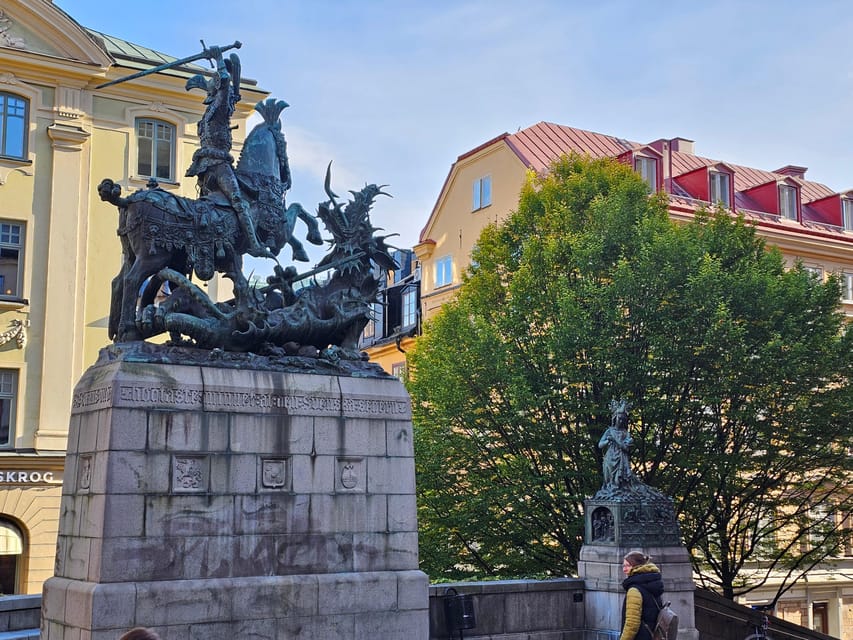
Next is the St George and the Dragon statue. It’s a short stop, but it’s memorable because it mixes legend with the reality of where people gather and walk. If you’re paying attention, you’ll learn how such symbols can show up in city life and not just in books.
Österlånggatan and Västerlånggatan: the long streets that frame the story
You walk along Österlånggatan and later Västerlånggatan. These are your classic Old Town “strings” of architecture—streets that help you connect dots between squares, churches, and waterfront views. The value here is pacing: you’re moving, but the guide is still interpreting what you see, instead of letting you drift through.
Järntorget: another city-life square for context
Järntorget is another quick sightseeing stop. Squares like this are where ordinary daily activity shows up, which helps balance the monarchy-heavy parts of the tour. Even in a short stop, you’ll start to see how the guide is threading everyday life into the bigger political narrative.
Mårten Trotzigs Gränd: a tight lane you’ll never forget
Mårten Trotzigs Gränd gets a photo stop. This narrow lane is the kind of place where Old Town feels like a secret, even though it’s right in front of you. It also works as a natural reset: you’re walking, then suddenly you’re somewhere tight and unusual, which keeps the city from blending together.
German Church (pass-by): a quick peek at different communities
You’ll pass by the German Church. This is a shorter stop, but it helps broaden the story beyond a single national lens. You’ll likely pick up context for why different communities and influences mattered in Stockholm’s Old Town.
Riddarholmen: scenic views that make the geography click
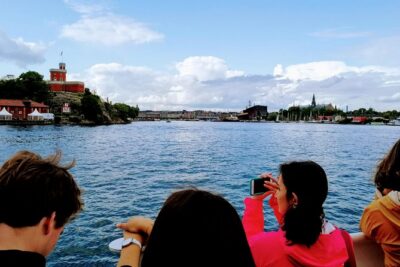
Then you reach Riddarholmen, described as Knights’ Islet in the tour flow, with scenic views on the way. This part is important because it shifts you from street-level drama to waterfront reality. The waterfront view helps you understand how the city grew with water as a “street” for ships, travel, and power.
Riddarholmen Church (photo): a calm counterpoint
You’ll stop at Riddarholmen Church for a photo moment. The mood here tends to feel different from the busiest streets. It’s a nice contrast that makes the guide’s storytelling feel more grounded—less like lectures, more like walking through different eras of the same place.
House of Nobility (pass-by): where social structure becomes visible
Next is a pass-by of the House of Nobility. This ties the monarchy and power themes back into a concrete setting. Even without stopping long, you’ll connect what you heard earlier to the kind of social world that shaped Old Town streets and ceremonies.
Finish at Mynttorget: the square where speech and assembly live
The tour finishes at Mynttorget. This is more than a convenient endpoint; it’s tied to freedom of speech and assembly, and that theme gives the tour a satisfying “still matters today” feeling. It’s a strong way to end: you’ve seen medieval symbolism, but you finish with something civic and human.
The story angle: monarchy drama plus the daily stuff
The best part of this tour, for me, is how the guide treats the city as human-scale history. Yes, you’ll hear about Sweden’s monarchs and the turmoil around power—but you’ll also get explanations that make the buildings feel connected to real routines. That’s the difference between reading history and walking through it.
When the guide talks about how everyday life and public spaces intersect, you start to see why certain corners keep showing up in stories: squares where people gathered, churches where communities anchored their beliefs, and streets that kept social life moving. Even a short stop can feel meaningful when the guide is pointing out what role that place played in the city’s day-to-day rhythm.
Photo stops that actually help your memory

Some walking tours offer photos as an afterthought. This one builds in quick breaks that help you later remember what you learned.
Iron Boy is a perfect example. If you like quirky details, this is your moment: you take a photo, then the story gives it context. St George and the Dragon also works well for photo lovers because it’s visually clear and symbolic. And Stockholm Cathedral appears more than once, so you’re not stuck trying to catch everything in a single glance.
Riddarholmen Church and the Riddarholmen waterfront views are your “pause and look” moments. If you’ve been photographing non-stop, this is where you’ll want to put the camera down for a second and actually watch the water and skyline. It’s the kind of view that makes the city layout stick.
Value, price, and why tips matter on this kind of tour
At $16 per person for a two-hour guided walk, this is strong value for Old Town. You’re paying for more than route coverage—you’re paying for a translator between stones and stories. Without a guide, Gamla Stan can feel like postcard scenery. With one, the same streets become a chain of explanations that saves you time and guessing.
One practical note: the tour fee covers operational costs, and guides primarily rely on tips for their income. That means your experience isn’t only “paid for.” It’s partly supported by what you choose to do at the end. If you enjoyed the pacing and felt your questions got answered (and you probably will, since the guide format encourages interaction), consider tipping your guide.
Who should book this Old Town walk
This tour is a great fit if you want to:
- Get oriented quickly in Gamla Stan and understand what you’re seeing
- Learn the monarchy story without losing the thread of daily life
- Enjoy walking tours with short, focused stops instead of long museum marathons
It’s not a good match if you need wheelchair access or have mobility limits. The route is not marketed as suitable for mobility impairments, so plan on a different style of visit if walking is an issue.
If you’re traveling in a small group—or you want your own pace—you can also book a private group option.
Should you book this Stockholm Old Town tour?
Yes, I’d book it if your priority is understanding Gamla Stan fast. For $16 and about two hours, you’ll get a guided structure through medieval streets, key squares, and major landmarks, plus a civic-themed ending at Mynttorget. It’s especially smart as a first-day activity so the rest of your exploring feels less like aimless wandering and more like you know where you are in the story.
Skip it only if you can’t handle a walking route on Old Town streets or you’re the type who prefers self-guided wandering with no structured stops. If that’s you, you might prefer a map and a long afternoon alone. But if you want a guide to connect monarch history to the spaces people actually use, this is a tidy, high-value way to start.
FAQ
How long is the Stockholm Old Town walking tour?
The tour lasts about 2 hours.
What does it cost?
It costs $16 per person.
Where do I meet the guide?
Meet your guide in front of the Postal Museum (Postmuseum) entrance at Lilla Nygatan 6, Stockholm, Gamla Stan.
Which subway station is closest?
The nearest subway station is Gamla Stan.
Is the tour available in English?
Yes, it includes an English-speaking live tour guide.
Is there a private group option?
Yes, private group availability is listed for this activity.
Do I need to tip the guide?
The information provided says guides primarily rely on tips for their income, so it’s recommended that you consider tipping at the end of the tour.
Is the tour suitable for wheelchair users?
No. It is not suitable for wheelchair users and not suitable for people with mobility impairments.
What should I bring?
Bring comfortable walking shoes, a camera, and weather-appropriate clothing.
Can I cancel for a full refund?
Free cancellation is available up to 24 hours in advance for a full refund.