REVIEW · STOCKHOLM
Stockholm: Old Town Historical Walking Tour
Book on GetYourGuide →Operated by Stockholm Tours by Kiki · Bookable on GetYourGuide
Old Town is small, but it has a big pulse. This walking tour threads you through Gamla Stan with Kiki’s storytelling, so the stones and symbols start making sense fast.
I especially like two things: the small group format (max 10) keeps the vibe calm and question-friendly, and Kiki’s style turns names and dates into street-level scenes. You’ll also get practical help for the rest of your day—many guests leave with a handy tip card plus restaurant and shopping suggestions.
One thing to weigh: this is an outdoor walk on cobblestones in all weather, and it’s not designed for wheelchair users. If English is a challenge for you, you may miss some of the finer story threads.
In This Review
- Key highlights you’ll feel right away
- Entering Gamla Stan with a real sense of direction
- Start at Mynttorget 1: the gateway feel is real
- The heart of the tour: squares, oldest streets, and “how Stockholm formed”
- German church, narrowest street, and the short stops that make it feel lived-in
- Markets, financial squares, and the food-and-shopping side of Old Town
- St. George, a famous painting, and the statue-hunt moment
- Royal Palace area and the royal-to-religious story arc
- How long it takes, and why pacing matters on cobblestones
- Small group energy: you’ll get answers, not just directions
- Price and value: why $52 can feel fair here
- Best times to go and what to bring
- Who should book this Old Town walking tour with Kiki?
- Should you book this tour or skip it?
- FAQ
- How long is the Stockholm Old Town Historical Walking Tour?
- Where does the tour start and end?
- Is the tour in English and is it a small group?
- What should I bring for the tour?
- Is the tour suitable for wheelchair users?
- What’s the best way to find the guide at the meeting point?
Key highlights you’ll feel right away
- Kiki’s guide style mixes facts with funny, memorable storylines and answers every question
- Max 10 people keeps the tour relaxed, not loud or rushed
- Old Town route that hits the big “why”: medieval origins, German church, markets, and royal power
- Icon stops, not just streets: St. George and the Dragon, Royal Palace area, and Stockholm Cathedral
- A useful take-home tip card with place names and recommendations to extend your visit
Entering Gamla Stan with a real sense of direction

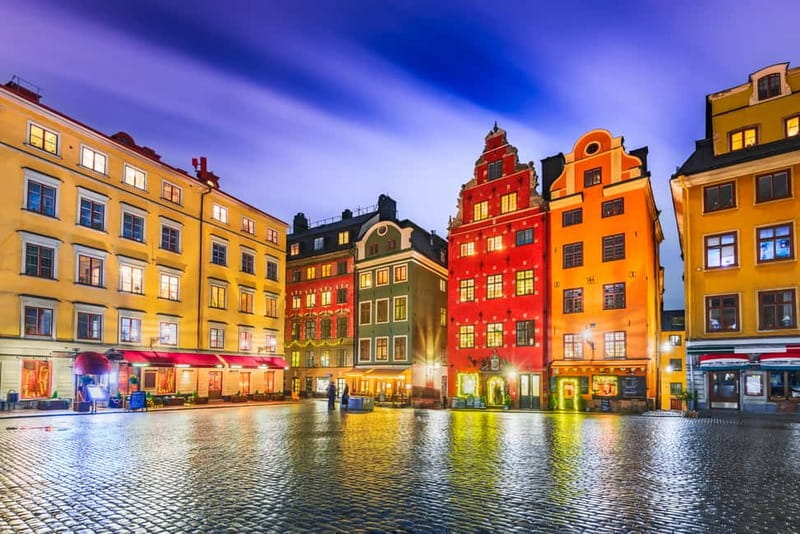
Stockholm’s Old Town can feel like a maze in the best way. You’re surrounded by colorful buildings, narrow alleys, and cobblestone lanes that all look similar—until a guide gives you the threads to follow. That’s what I like about this tour: it’s designed to help you understand why each corner matters.
Kiki is the kind of guide who talks like she’s showing you her hometown, not reciting a script. In the first stretch, you quickly learn what to watch for—street shapes, symbols, and the way power and faith shaped daily life in the city center.
You’ll also get a useful blend of medieval themes and a quick nod to modern Sweden early on. It keeps you from feeling like you’ve been dropped into a history-only world with no bridge to the present.
You can also read our reviews of more walking tours in Stockholm



Start at Mynttorget 1: the gateway feel is real
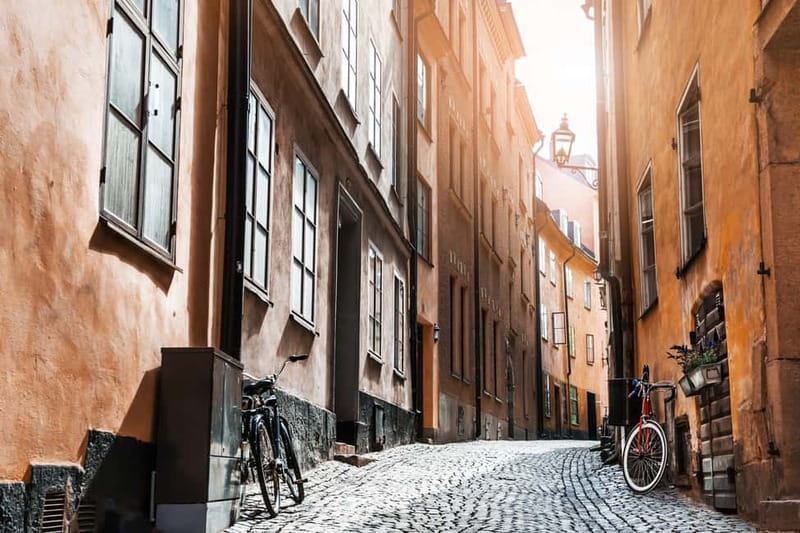
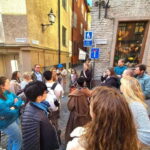
The tour begins at Mynttorget 1, at Mint Square—close to the old-city entrance by Västerlånggatan. The meeting spot matters because it frames the walk as a way into Old Town, not a random wandering session. You’ll find the guide standing by one of the benches in front of Mynttorget 1.
Kiki will be easy to spot: she holds a small sign that says Old Town Walking Tour with Kiki and wears an official Stockholm Guide badge. If you’re trying to arrive confidently, aim to reach the square a few minutes early so you can settle your group and start smoothly.
From there, you get the classic Gamla Stan experience right away: cobblestone underfoot, narrow streets that funnel you forward, and the sense that every turn is anchored to a real moment in Stockholm’s past. Even if you’ve seen photos, this is the kind of place where the details hit best at walking speed.
The heart of the tour: squares, oldest streets, and “how Stockholm formed”
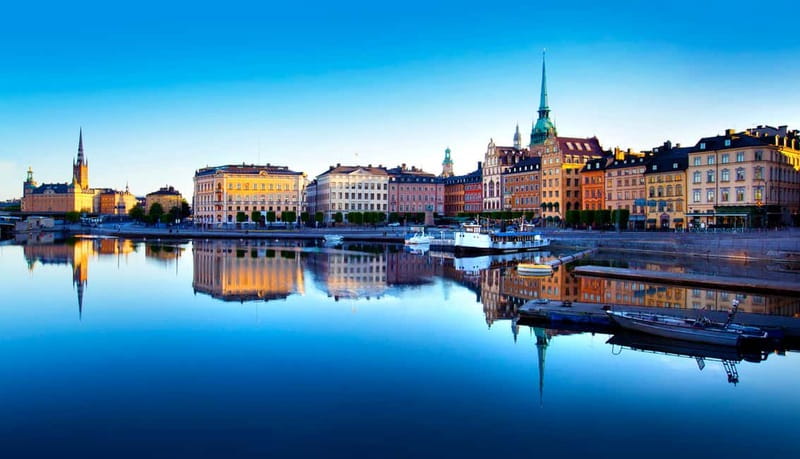
You’ll spend your first phase in the medieval core—quietly, at an easy pace. The route centers on the big story beats: how Stockholm grew, how wealth moved, and how conflict and belief shaped what you can still see today.
A major stop is the main square, which gives you a feel for how public life worked—where announcements happened, people gathered, and the city flexed its identity. From there, you’ll walk down one of the oldest streets in Old Town, where the buildings and street plan do a lot of the explaining.
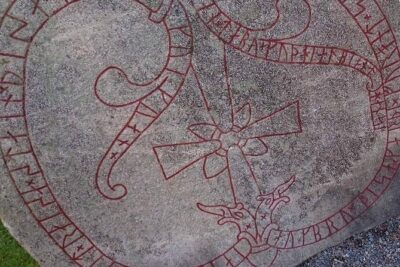
One of the more intriguing parts is the stop at a Rune stone. These aren’t just decorative rocks; they connect you to older layers of language and memory that predate the postcard image of Gamla Stan. Kiki’s storytelling helps you notice what you’d normally glance past.
If you like your history with texture, this is where the tour earns its keep. Rather than dumping dates, the walk links “this is why that matters” to what you can see in front of you.
German church, narrowest street, and the short stops that make it feel lived-in
Stockholm’s Old Town isn’t only royal and sacred. It has trade, community, and immigrant influence too—and you’ll feel that in a few well-placed stops.
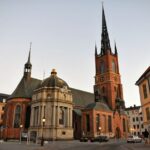
You’ll visit the historic German church, a key location for understanding the city’s connections beyond Sweden. It’s the kind of stop where a guide’s framing makes architecture and history stick, because you’re seeing the physical remains of older networks.
Then comes a deliberate contrast: a brief visit to the busy tourist street. That stop is useful. It shows you how the Old Town experience works today—where crowds gather—and it helps you understand what parts of the city are still “functioning” versus what’s mostly there for atmosphere.
After that, the route leans into the fun geography of Gamla Stan with a stop by the narrowest street in the city. That’s one of those locations you can’t appreciate from a map. On the ground, you feel how streets were shaped for defense, density, and practical movement—especially when you’re walking through the same choke points.
These shorter moments are also where the tour avoids the trap of being only one-note. You’re learning history, but you’re also learning the city’s rhythm.
Markets, financial squares, and the food-and-shopping side of Old Town

The tour also pays attention to how money and everyday life operated in Old Town. You’ll see the former marketplace and financial square, a shift from “storybook medieval” to “real city systems.”
This matters because it changes how you read what you see next. When you understand that this area handled trade and economic power, you notice details that you’d otherwise treat like background.
You’ll also stop at a famous restaurant with a rich history. It’s brief, but it’s a smart inclusion. Food is part of the city’s continuity, and the guide’s context helps you place that famous name inside the Old Town story rather than treating it like a random landmark.
Shopping gets a slice too. You’ll stroll down a unique shopping street, which is a great moment to slow down. Even if you don’t buy anything, you can use the time to pick up small gifts, look for local design, and see the mix of old streets with modern commerce.
If you’re the type who wants a walk that covers more than “look at this church,” you’ll like this balance. It gives you a fuller picture of what Old Town is like to live around.
You can also read our reviews of more historical tours in Stockholm





St. George, a famous painting, and the statue-hunt moment

A good walking tour doesn’t just throw landmarks at you. It creates a sequence where each stop builds meaning.
You’ll return to a well-known point with the St. George and the Dragon statue. It’s a recognizable symbol, but Kiki’s storytelling helps you understand why the monument belongs in the flow of the Old Town story—how power, myth, and civic identity overlap.
Then you’ll be guided to a famous painting that illustrates Stockholm’s medieval birth. This is the kind of stop that works even if you’re not a museum person, because it acts like a visual timeline. Instead of trying to imagine medieval Stockholm from thin air, the painting anchors the mental picture.
And yes, there’s a playful moment too: you’ll greet the smallest statue in town. It’s short, but it adds personality, and it gives you something light to look forward to as you finish the history-heavy sections.
Royal Palace area and the royal-to-religious story arc

Old Town is built around authority, and the tour reflects that. After the statue-and-art moments, you head toward the Royal Palace to hear about Sweden’s royal history—Kings and Queens—through the lens of what you’re walking past.
This is one of the best parts for first-timers, because you’re not just hearing that royalty existed. You’re learning how royal power shaped the city’s center and how that influence shows up in the streets and buildings.
From there, the route shifts into Sweden’s religious history. You’ll also stop at one of the oldest structures in Stockholm: the majestic Stockholm Cathedral. This is where you get a sense of scale and age that’s hard to grasp through photos alone.
The overall arc—from medieval street life, to symbolic civic sites, to royal authority and faith—makes the walk feel like a coherent story rather than a checklist.
How long it takes, and why pacing matters on cobblestones
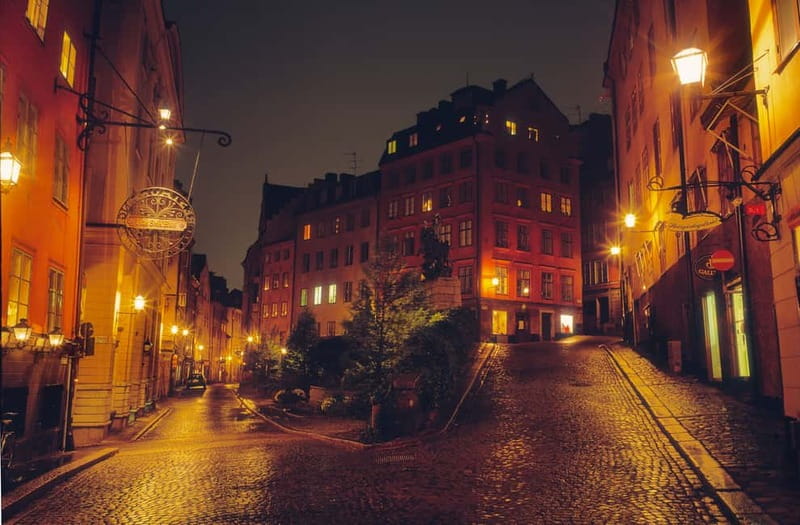
The tour runs about 2 hours. That length is ideal for people who want real context without draining their whole day. In a city like Stockholm, you’re often balancing museums, ferry time, and restaurant bookings. Two hours gives you a strong base while leaving you time to wander on your own afterward.
The pace stays easy and casual, and the route avoids stairs or steep hills. That’s important in Old Town because cobblestones can feel more difficult than they look. You still need comfortable shoes, but the guide’s planning helps keep the walk from turning into a endurance event.
Also, plan for weather. It happens in all conditions, so dress for the season. If rain is in the forecast, bring a raincoat or umbrella. You’ll be outside long enough that getting damp can become distracting.
Small group energy: you’ll get answers, not just directions
This tour is limited to 10 participants, and that shows in how it feels. You’re not squeezed into a human bottleneck. You can hear explanations, and Kiki can respond when you ask questions about what you’re seeing.
In the feedback I paid attention to, guests repeatedly highlighted how Kiki stayed warm, professional, and responsive. People also appreciated that she could tailor the pace and answer follow-ups without making the tour feel like it’s been derailed.
Another smart element: the guide is described as not being a loud “herding” type. That matters in Old Town, where you can hear crowds echo off stone. A calmer guide style keeps your experience from feeling like you’re competing with other groups.
At the end, you’ll be ready to explore the area further—because you won’t just know where you are. You’ll know what you’re looking at.
Price and value: why $52 can feel fair here
At $52 per person for a 2-hour walking tour, the price feels most justified for one reason: you’re paying for interpretation. Old Town’s streets are gorgeous, but without context they can blur together.
Here’s where the value lands:
- Small-group format (max 10) improves the quality of time with the guide.
- You get a native English speaker and a certified Stockholm guide with local insight.
- You cover multiple kinds of sites—squares, churches, symbols, the royal center, and the cathedral—so you’re not paying for a single-interest walk.
If you’re short on time in Stockholm, this is a strong use of a morning or early afternoon. You’ll walk away with a mental map of Old Town and a clearer sense of the city’s origins, power centers, and belief systems.
If you prefer to do history on your own with an app and photos, you might not need a guide. But if you want that “oh, that’s why” moment at multiple stops, this is one of the more efficient ways to get it.
Best times to go and what to bring
Timing can change the tour experience in a big way. One practical tip that fits Old Town: consider a later start if you can. A guide recommendation shared that around 5 p.m. the streets can be less crowded, which can make the walking feel calmer and more comfortable.
What to bring is simple and sensible:
- Comfortable shoes
- Water
- A camera
- Sunglasses and sunscreen if the sun is out
- Comfortable clothes, plus a rain layer if needed
If you’re the type who hates stopping mid-walk to untangle a scarf or rummage for a charger, pack smart. Two hours passes quickly when you’re actually paying attention to details.
Who should book this Old Town walking tour with Kiki?
This tour fits best if:
- You’re seeing Gamla Stan for the first time and want a clear orientation.
- You like your history in story form, not just timelines.
- You want a guide to point out why symbols and buildings matter.
- You want practical ideas for restaurants and shopping afterward.
It may be less ideal if:
- You need wheelchair access (the tour is not suitable for wheelchair users).
- Your English comprehension is limited, because a lot of the experience relies on storytelling and discussion.
- You want a tour that includes lots of long museum-style inside time, rather than a walking route with brief stops.
Should you book this tour or skip it?
I’d book it if you want the fastest path to understanding Stockholm’s Old Town as a living story. The combination of a small group, Kiki’s engaging teaching style, and the route that connects medieval streets to royal and religious sites makes it feel like more than a stroll.
Skip it only if you’re already comfortable reading Old Town on your own and you don’t need a guide to translate symbols, architecture, and local lore into meaning. Otherwise, this is a smart, efficient first step—especially if you’re trying to pack culture, food ideas, and free time into a short visit.
FAQ
How long is the Stockholm Old Town Historical Walking Tour?
The tour lasts about 2 hours.
Where does the tour start and end?
It starts and ends at Mynttorget 1 (Mint Square) in Old Town.
Is the tour in English and is it a small group?
Yes. The tour is led in English, and it’s a small group limited to 10 participants.
What should I bring for the tour?
Bring comfortable shoes, water, a camera, and season-appropriate items like sunglasses and sunscreen. An umbrella or raincoat is helpful because the tour runs in all weather.
Is the tour suitable for wheelchair users?
No, it is not suitable for wheelchair users.
What’s the best way to find the guide at the meeting point?
Use the address Mynttorget 1 to find Mint Square. The guide will be standing by one of the benches on the square in front of Mynttorget 1, holding a small sign that says Old Town Walking Tour with Kiki and wearing an official Stockholm Guide badge.