REVIEW · STOCKHOLM
Stockholm: Winter City Kayaking Tour
Book on GetYourGuide →Operated by Stockholm Adventures · Bookable on GetYourGuide
Stockholm from a kayak beats any postcard. This winter city paddle is built for cold-weather comfort and real sightseeing, so you glide past major landmarks while the city looks calmer from the water. Two things I like a lot are the dry-suit setup (gear does the heavy lifting) and the warm lunch or fika with hot drinks while you take in the skyline.
You also get a local, English-speaking guide who knows Stockholm’s waterways and shares why the city is where it is and how it grew. The route moves through the most photogenic areas you’d expect—City Hall, Gamla Stan, and Södermalm—so your paddle feels like a guided tour, not just exercise.
One drawback to consider: late in the route it can feel more work than you expect, especially if you’re not used to steady paddling. If you like a slower, mostly-strolling pace, tell your guide early—you’ll want the plan to match your comfort level.
In This Review
- Key Things I’d Put on Your Checklist
- Winter Kayaking in Stockholm: Why This Feels Special
- Gear That Actually Matters in Cold Weather
- Meeting Point Near Central Station: Easy to Find, Easy to Miss
- What Happens First: Dry Suit Change and a Safety Briefing
- Stop 1: Stockholm City Hall From the Water
- Stop 2: Gamla Stan’s Old Town Perspective
- Stop 3: Södermalm and the City’s Different Faces
- The Lunch or Fika Break: Warm Food With a View
- Hot Drinks, City Views, and the Local Guide Factor
- How Long It Really Takes and How to Pace Yourself
- Who This Tour Best Fits (And Who Should Skip It)
- Price and Value: What $171 Gets You
- Practical Tips to Make Your Winter Paddle Comfortable
- Should You Book This Stockholm Winter City Kayaking Tour?
- FAQ
- FAQ
- How long is the Stockholm winter city kayaking tour?
- What’s included in the price?
- Do I need to bring winter clothing?
- Is hotel pickup or drop-off included?
- Where do I meet the tour?
- What are the height and weight requirements?
- Is the tour canceled if weather is bad?
Key Things I’d Put on Your Checklist
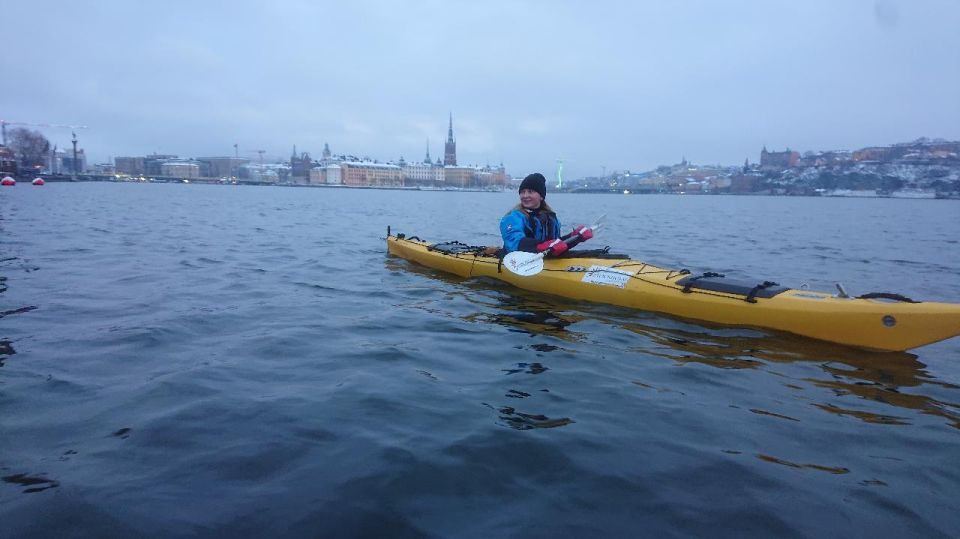
- Dry suits and gloves are provided, so you’re not guessing what winter gear to rent or wear
- A small group of up to 8 keeps the pace and attention more personal
- Prijon kayaks and a proper setup (spray decks, life vests, paddles) make a big comfort difference
- Lunch or fika on the water turns the trip into a full experience, not a quick “tour-and-go”
- You’ll cover key areas fast without dealing with winter foot traffic
Winter Kayaking in Stockholm: Why This Feels Special
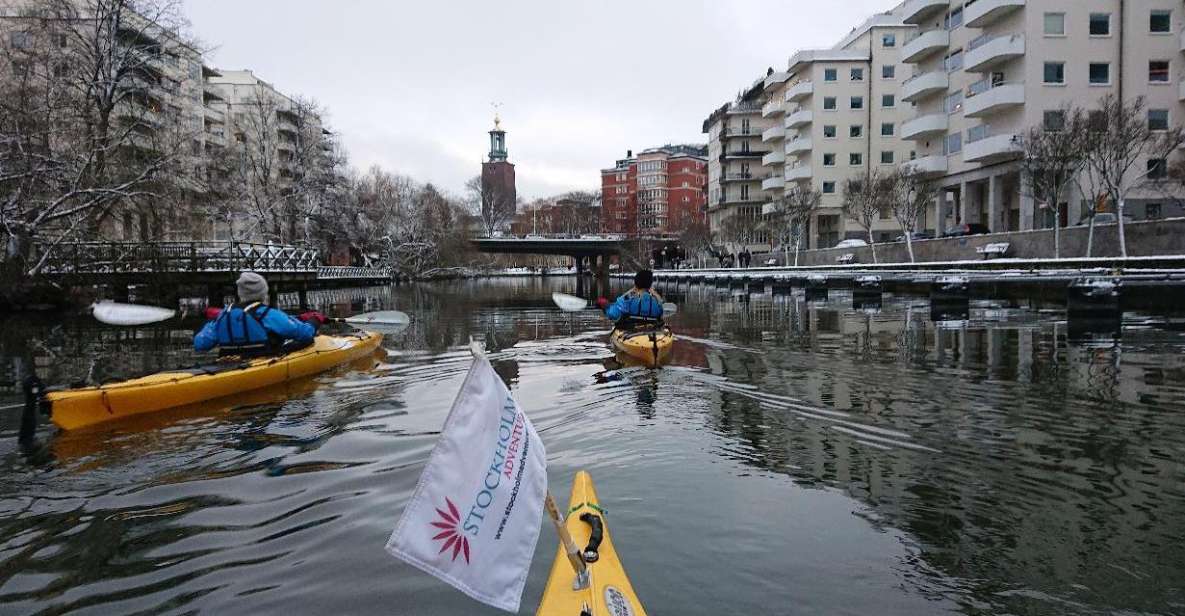
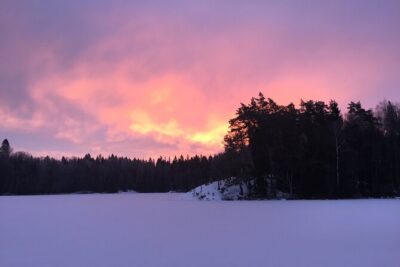
Stockholm’s winter waterways have a strange magic. In autumn and winter the water is cold but not locked in ice for most of the season, and the parts of the city water that are used for skating don’t feel crowded. That leaves you with a calmer setting to paddle through—quiet enough that you actually notice the rhythm of the kayak.
The tour is designed for that reality. You don’t start with big, technical challenges. You start with the basics: getting into a dry suit, going through safety, and then moving into a leisurely sightseeing paddle. The “leisurely” part matters because it changes how you experience the city. You’re not speed-walking for views; you’re gliding, so you can look around and understand what you’re seeing.
And yes, the skyline moments are real. Stockholm has a way of looking dramatic even in grey winter light, and being on the water gives you angles you won’t get from the street. When you add hot drinks and lunch or fika to the mix, the whole outing feels like an actual winter day, not a half-hour gimmick.
You can also read our reviews of more city tours in Stockholm



Gear That Actually Matters in Cold Weather
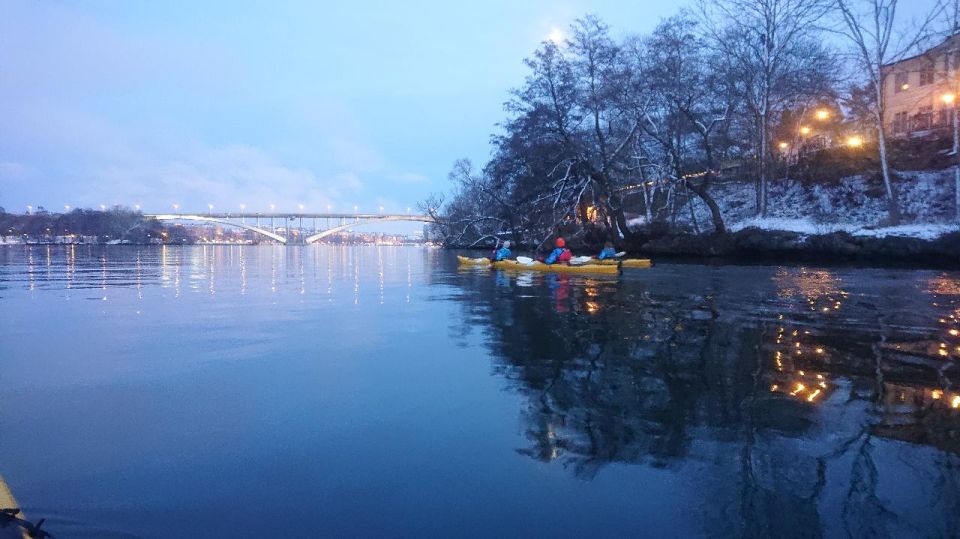
Cold-weather kayaking isn’t only about jackets. The difference between a miserable trip and a good one is usually the fit and coverage of the system. This tour handles that with serious winter gear.
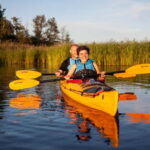
You’ll use high-performance equipment including Prijon kayaks, TNP Wolferine light paddles, Hiko life vests, and spray decks. That spray deck detail is important in winter because it helps keep your body drier and warmer. You’ll also get dry suits, gloves, thick socks, and crocs or sandals for after you’re geared up.
What I love about this setup is that it removes the “guessing game.” You don’t need to be an expert in thermal layering or own a shelf full of cold-weather gear. The tour gives you the core kit that keeps cold from biting.
Still, you should plan on wearing your own thermal clothing. The guide strongly recommends thermal underwear under the dry suit. In other words: the provided gear is doing a lot, but you still want your own insulation working with it. If you show up in regular winter clothes without thermal layers, you’ll feel it.
Meeting Point Near Central Station: Easy to Find, Easy to Miss
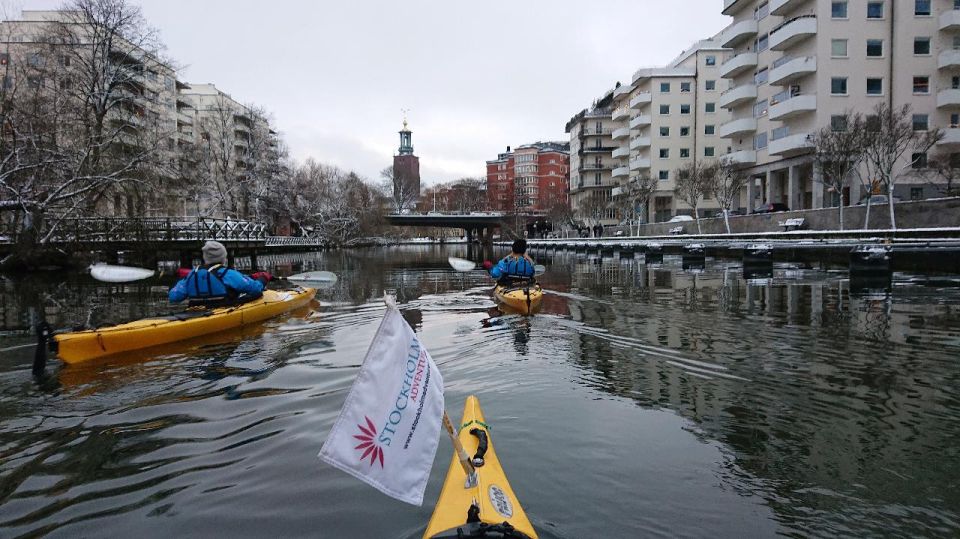
The meeting point is the Adventure Cafe, located about 500 meters from Central Station (Stockholm C / CityTerminalen) and T-Centralen. The walk is straightforward, but in winter, “straightforward” can still become slow if you’re navigating slush and crowds.
From the station area, you follow signs toward the exit for Stockholm C / CityTerminalen, walk over the bridge on Klarabergsviaduken keeping to the right side, go down the stairs on your right, then continue along the canal until you reach the Adventure Cafe.
One practical detail that matters: check-in is 15 minutes before departure. Arrive at the time listed and you may be too late. Plan for winter delays and build in buffer time, especially if you’re also using metro connections.
What Happens First: Dry Suit Change and a Safety Briefing
The tour starts with the practical stuff, and that’s good. Before you paddle, you switch into the dry suit and get ready in a calm, guided way. That part isn’t just busywork; it sets you up for confidence on the water.
Once everyone is geared up, your instructor runs through basic paddling techniques and safety information. This is where you learn what “good form” feels like for this kind of boat—how to hold the paddle, how to move efficiently, and how to stay balanced in colder conditions.
This is also where your guide earns their keep. In past trips, guides like Johan and Pete have been praised for being friendly and professional, with interesting facts and helpful coaching. Even if you’re an experienced paddler, getting the local guidance for Stockholm’s waterways is the point. You’ll move differently when you understand local currents, turning areas, and how the route is laid out.
Stop 1: Stockholm City Hall From the Water
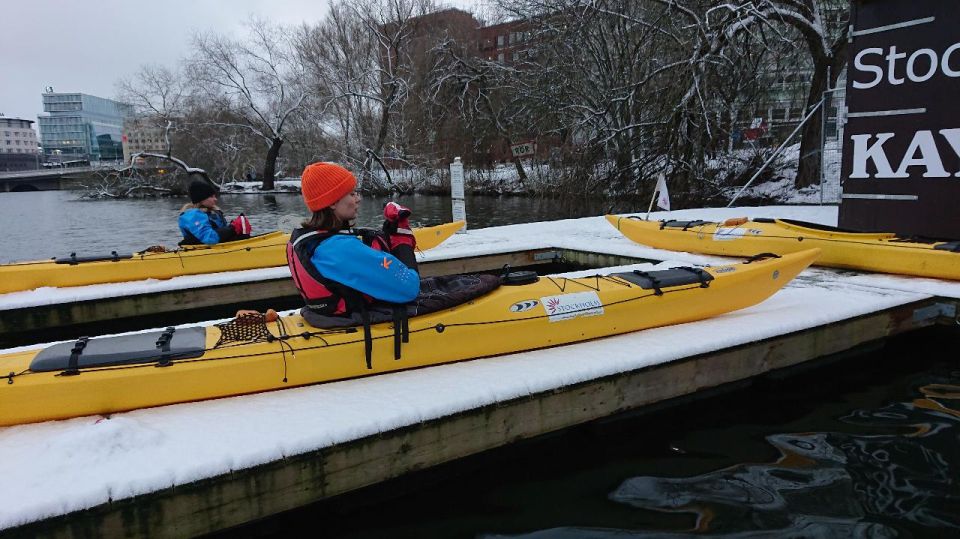
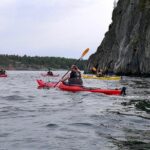
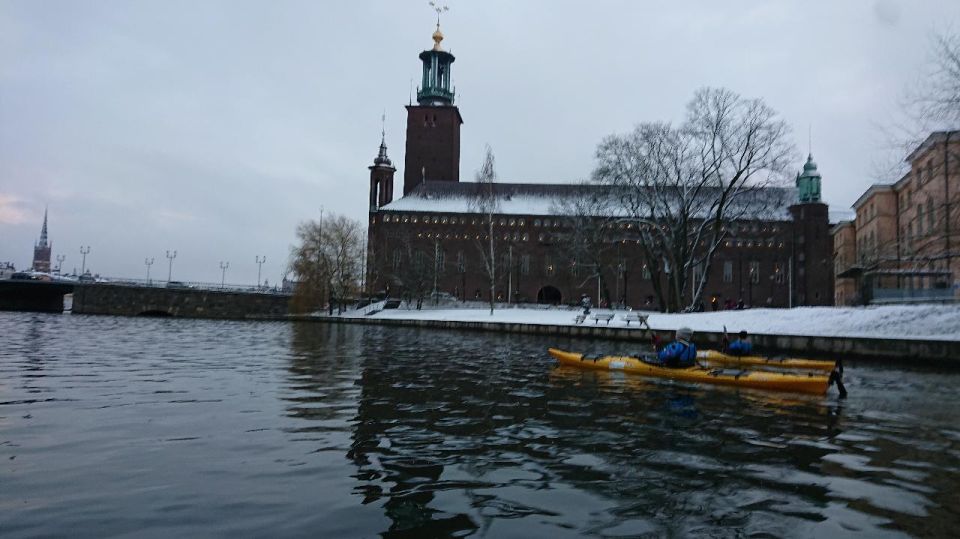
After setup and briefing, you start your sightseeing paddle and pass major landmarks close to the docking area. The tour dock sits right in the city’s heart, so you’re not paddling for ages before the first big view.
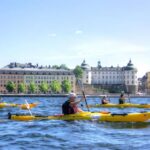
City Hall is one of the first standout sights on the route. Seeing it from the water gives you a cleaner sense of scale than photos from the land. You also get the “winter contrast” effect: the building looks bold, and the water makes everything look slightly more cinematic.
A small note on expectations: the itinerary describes the stop as a sightseeing pass-by, so you’re not expecting a long stop to get out and explore on foot. Instead, you paddle alongside while the guide talks, points, and helps you connect what you’re seeing to the story of Stockholm’s layout.
You can also read our reviews of more tours and experiences in Stockholm


Stop 2: Gamla Stan’s Old Town Perspective
Next comes Gamla Stan, Stockholm’s older core. From the street, Old Town can feel like you’re walking through time. From the kayak, you feel like you’re watching time from another layer of the city.
Your kayak position changes the way the buildings read. Towers, roofs, and waterfront lines connect differently when you’re at water level. It’s also easier to see how the city’s geography shapes where people built and how the waterfront functions.
The guide’s commentary is part of the value here. You’re not just chasing views; you’re getting a short background on how the city came to be and what to notice. If you like learning while moving—rather than sitting in a museum—this format fits well.
Again, it’s a paddle-with-view style. Expect the tour to keep moving at a comfortable sightseeing pace.
Stop 3: Södermalm and the City’s Different Faces
Södermalm adds variety. It’s another part of the city where the water route gives you a different angle on Stockholm’s character. One of the best things about this tour is that it doesn’t treat the city as one flat backdrop. You get multiple districts with distinct vibes as you pass along.
This part of the tour is often where you start to understand the rhythm. Early on you’re getting used to the kayak and the cold. Later on, you can actually focus on looking: turning your head, watching the edges of the shoreline, and noticing the shapes of bridges and waterfront streets.
This is also where the “it may feel more tiring toward the end” comment becomes relevant. The tour is described as leisurely, but paddling still uses your core and shoulders. If you’re not used to it, keep your strokes steady and don’t try to “power through” at the start. Let the guide’s pacing do its job.
The Lunch or Fika Break: Warm Food With a View
A major reason people enjoy this outing is the warm break in the middle of a winter activity. You’ll get freshly prepared lunch or fika, plus hot drinks. That combination matters because it turns the trip into something you can actually remember as a full experience.
Fika in Sweden isn’t just a snack. It’s part of the culture. If the tour serves fika instead of lunch that day, it still supports the same purpose: give your body warmth and give your brain a moment to reset.
This is also where the skyline viewing becomes more than background. When you’re warmed up, the city looks different—less harsh, more reflective. Even if you arrived hoping for photos, the pause helps you appreciate the moment.
You’ll likely hear more city context from your guide during this part, which is a good use of time. You can ask questions while you’re eating instead of trying to think of them while paddling.
Hot Drinks, City Views, and the Local Guide Factor
The best guides don’t just point at landmarks. They connect the dots between geography, buildings, and daily life. The tour’s format is perfect for that because you’re moving slowly enough to listen and still seeing real, current views.
Past groups have highlighted guides like Johan and Pete for being professional and friendly, with interesting facts and help when it’s needed. That sort of guide presence turns the tour from a checklist into a story.
Hot beverages add another layer. In cold weather, a warm drink is not a luxury. It’s how you keep your comfort level up so you can enjoy the views instead of thinking only about your hands and your core.
How Long It Really Takes and How to Pace Yourself
The duration is about 3.5 to 4 hours, including gearing up, safety briefing, paddling time, and the food break. In winter, time feels different. Your body gets cold faster, so the schedule has to work with that reality.
You’ll want to conserve energy early and find a rhythm. If you sprint your strokes at the start, you can end up feeling cooked by the later sightseeing segments. The route keeps moving, and while it’s geared for comfort, paddling is still paddling.
If you’re unsure of your stamina, bring a clear mindset: enjoy the scenery, keep your strokes consistent, and lean on your guide’s pacing. Ask for adjustments early if you feel unsteady.
Who This Tour Best Fits (And Who Should Skip It)
This is a great fit for adults and confident non-beginner winter visitors. The tour is not for children under 15, and it also isn’t suitable if you’re a non-swimmer. There are also clear height and weight requirements: minimum 1.5m, maximum 1.95m, and maximum 130kg.
So who should go?
- You want real sightseeing from a different perspective, not just photos from sidewalks
- You’re okay with winter conditions and have the right thermal layers
- You like guided context while you move
Who should skip?
- You want a mostly walking-and-standing tour
- You’re uncomfortable with physical activity in cold weather
- You don’t meet the height/weight requirements
- You’re not a swimmer
If you’re between experience levels, don’t panic. The tour provides dry suits and safety coaching. The key is being willing to paddle with guidance rather than expecting to sit back the entire time.
Price and Value: What $171 Gets You
At $171 per person for about 3.5 to 4 hours, this isn’t the cheapest activity in Stockholm. But it also isn’t a “pay for a guide only” situation.
Your price includes:
- Kayaks and paddle gear (Prijon kayaks, Wolferine light paddles)
- Safety gear (life vests, spray decks)
- Cold-weather protection (dry suits, gloves, thick socks, crocs/sandals)
- A freshly prepared lunch or fika plus hot drinks
- A local English-speaking guide
- A small group capped at 8 participants
That’s the real value equation. If you tried to kayak on your own in winter, you’d still need the right equipment, and you’d pay for lessons or risk learning on the fly. Here, your biggest costs—gear and guided instruction—are built in.
Is it worth it? If you value warmth, safety, and city views without logistics headaches, yes. If you mainly want the lowest cost, you’ll have cheaper sightseeing options. But as a winter activity that also functions as a guided city experience, it’s good value.
Practical Tips to Make Your Winter Paddle Comfortable
A few things I’d do if I were planning this trip for the first time:
- Wear thermal underwear under the dry suit. It’s recommended for a reason.
- Bring weather-appropriate clothing for the layers you’ll wear before gearing up.
- If you have dietary needs, inform the partner ahead of time so lunch or fika can match your requirements.
- Keep extra time for your walk to the Adventure Cafe. Winter footing can slow you down.
Also, dress with a winter mindset. This tour runs in all weathers unless the guide decides conditions are unsafe, so “cold day” is part of the deal.
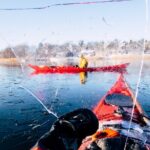
One more note from winter experiences: some groups have described getting to walk on ice briefly, depending on conditions. That’s not something you should count on, but it’s a reminder that winter can add small, memorable moments beyond paddling.
Should You Book This Stockholm Winter City Kayaking Tour?
If you want a winter activity that feels like Stockholm sightseeing, this is a strong choice. The tour’s biggest strength is the way it handles cold with dry suits and full warm gear, then rewards you with city views plus a lunch or fika break.
I’d especially recommend it if you’re the kind of traveler who likes:
- learning as you move
- smaller groups
- being outside when the city feels calmer
Skip it if you don’t meet the basic requirements or if the idea of paddling in cold air sounds exhausting rather than fun. And if you know you’ll struggle physically, plan to pace yourself from the start and communicate with your guide early.
FAQ
FAQ
How long is the Stockholm winter city kayaking tour?
It lasts about 3.5 to 4 hours, depending on the available starting time.
What’s included in the price?
You get use of kayaking equipment (including high-performance kayaks and paddles), safety gear, a dry suit and gloves, thick socks, crocs/sandals, plus a freshly prepared lunch or fika and hot drinks.
Do I need to bring winter clothing?
Yes. You should bring weather-appropriate clothing and thermal clothing. It’s highly recommended that you wear thermal underwear under your dry suit.
Is hotel pickup or drop-off included?
No. Hotel pickup/drop-off is not included.
Where do I meet the tour?
Meet at the Adventure Cafe near Central Station. It’s about 500m from Central Station and T-Centralen (follow signs for Stockholm C/CityTerminalen, walk over Klarabergsviaduken, go down the stairs on your right, then continue along the canal to the Adventure Cafe).
What are the height and weight requirements?
The minimum height is 1.5m and the maximum is 1.95m. The maximum weight is 130kg.
Is the tour canceled if weather is bad?
The tour runs in all weathers unless the guide believes it would be unsafe.