REVIEW · STOCKHOLM
Stockholm: City Sightseeing Hop-On Hop-Off Bus Tour
Book on GetYourGuide →Operated by City Sightseeing Europe · Bookable on GetYourGuide
Red-and-green buses make Stockholm feel manageable. I like the flexible hop-on hop-off setup, and the free Wi‑Fi means you can look up your next stop without hunting for signal.
This is also a smart option if you’re on a cruise day, since it’s built around major sights and multiple stops. My main caution: timing near the cruise terminals can be tight, and you’ll want to double-check bus run times before you plan your return.
In This Review
- Key highlights to know before you ride
- How the 24 or 72-Hour Pass Works in Stockholm
- Timing Tips: First and Last Departures, Plus Cruise-Return Pressure
- Getting On: Finding the Correct Red-and-Green Bus
- Strömgatan and the Royal Opera Area: Start With an Easy Launch Point
- Royal Palace and Old Town: Two Stops That Feel Like a Two-Part Movie
- Kungsträdgården, Strandvägen, and Karlaplan: Comfort Stops for Breaks and Photos
- Vasa Museum / Nordiska: When You Need One Museum Anchor
- ABBA Museum and Gröna Lund Tivoli: A Fun Detour You Can’t Skip
- Skansen: The Open-Air Museum That Changes the Pace
- Stureplan and Hötorget Market: The City’s Social Energy Stops
- Ice Bar and City Hall: Quirky Contrast on One Route
- Strömgatan to Cruise Terminals: Why the Route Design Matters
- The Optional Boat Tour: A Nice Add-On, But Not Always Quiet
- Onboard Audio Guide and Free Wi‑Fi: How to Get More From Every Ride
- Price and Value: What $37 Gets You (and What It Doesn’t)
- Who This Tour Fits Best in Stockholm
- Should You Book This Stockholm Hop-On Hop-Off Bus Tour?
- FAQ
- How long is the hop-on hop-off bus tour?
- What pass options are available?
- How often do the buses run?
- What stops are included?
- Is Wi‑Fi included onboard?
- Is an audio guide included, and in which languages?
- Does the tour accept both mobile and paper vouchers?
- Is a boat tour included?
- When do buses start and stop running?
Key highlights to know before you ride
- 24 or 72-hour pass: hop on as often as you want within your validity window
- Free Wi‑Fi onboard: useful for maps, schedules, and ticket reminders
- Major museum and iconic landmarks: Royal Palace, City Hall, Vasa Museum, ABBA Museum, Skansen
- Open-top sightseeing: great for photos when the weather cooperates
- Audio guide in 11 languages with headphones: so you can move at your own pace
- Cruise-connector route and optional boat tour: handy if your schedule is ship-tied
How the 24 or 72-Hour Pass Works in Stockholm
This tour runs on a classic hop-on hop-off idea: you buy a 24-hour or 72-hour ticket, then stay in control of your day. Buses depart regularly at stops, so you’re not locked into one fixed pace. The route is designed around the big “first-timer” hits, which helps when Stockholm feels spread out.
The practical rhythm matters. The buses run about every 30 minutes, and the whole ride cycle is listed as 60 minutes. If you’re heading toward the cruise terminals, the timing can extend to 90–120 minutes, and that applies only when a cruise ship is docked. That means you can’t assume the loop is always the quick version.
Also, this one is straightforward about what you carry. Both mobile vouchers and printed paper vouchers work. And you can access your voucher within a long window (up to 12 months from the travel date you select), which is useful if your plans aren’t final yet.
You can also read our reviews of more city tours in Stockholm



Timing Tips: First and Last Departures, Plus Cruise-Return Pressure

Here’s where your day can either glide or get stressful. The schedule notes that the first departure from Stop 1 is 10:00am, and the last departure from Stop 1 is 5:00pm. That’s your outer boundary. Past that, don’t plan on hoping for a late recovery ride.
Now the cruise-terminal reality. If your ship ties your time, treat the return as a separate plan, not an afterthought. One group had a mismatch between expected last-bus timing and when buses actually stopped, which led to waiting more than half an hour at a stop and then switching to a taxi-plus-walk to make it back. That’s not the kind of scramble you want.
What to do instead:
- Build in extra buffer if you’re crossing town to or from the terminals.
- If you’re at a stop and you’re not seeing movement, ask staff or confirm with the driver which stop to aim for next.
- If possible, avoid being the person who relies on guessing which bus is the correct one for your ticket. There are similar red-bus operators around, and that confusion can cost minutes.
A small but helpful technique: if you’re standing at the stop, don’t be shy about asking the driver to call out stop numbers. When drivers do this clearly, the route becomes much less confusing.
Getting On: Finding the Correct Red-and-Green Bus
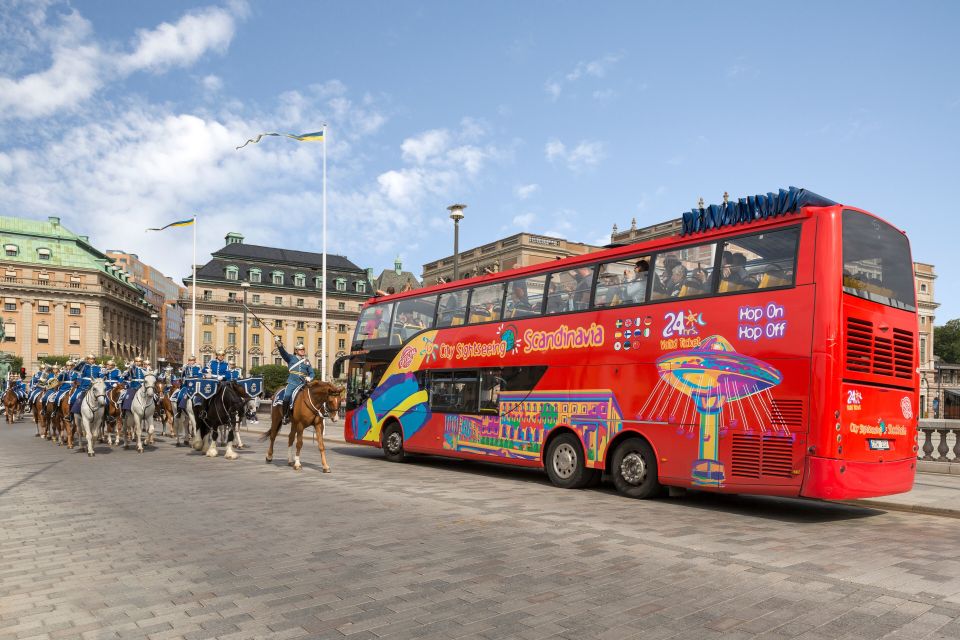
You’ll see red and green vehicles. That color scheme is consistent, but your biggest challenge may be finding the right operator fast, especially in the city center where multiple bus services can look similar.
A few practical moves:
- Have your voucher ready so you can enter quickly.
- Use the audio guide stop numbers as your anchor. If you don’t know where you are, that’s when you feel lost.
- Consider using an app or map before you walk out to the stop area. The tour experience is much smoother when you’re already oriented.
Once you’re on the right bus, the driver interaction often turns helpful and clarifying, especially about the next stop.
Strömgatan and the Royal Opera Area: Start With an Easy Launch Point
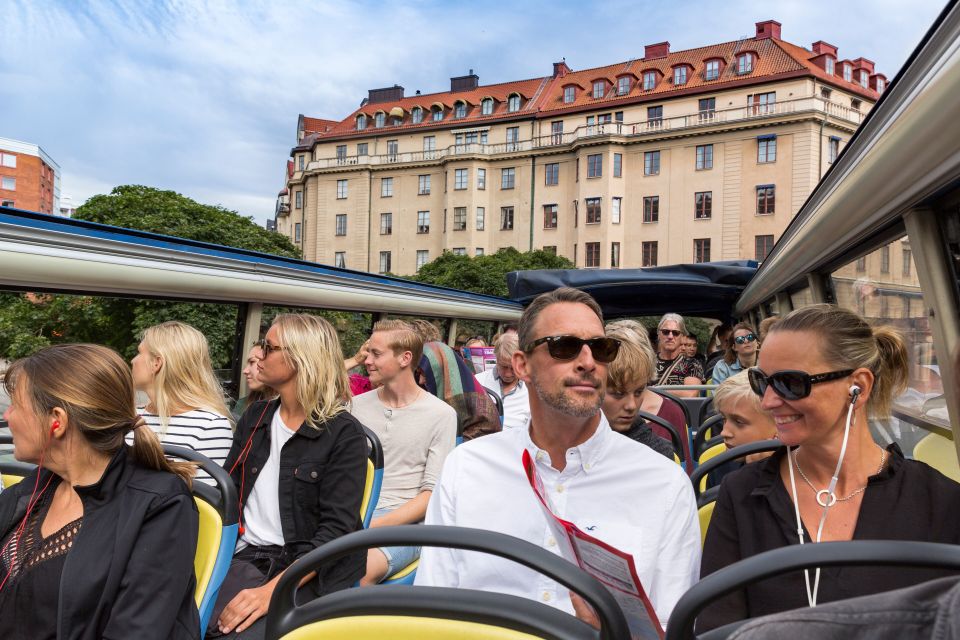
Stop 1 is Strömgatan / The Royal Opera. This is a good place to begin because it sets you up for the main downtown flow right away. You’ll also have the audio guide at hand, so even if you’re just taking your first ride segment, you’re learning while you’re moving.
For first-timers, this opening matters. Stockholm can feel like a lot of islands and slopes at once. Getting your bearings from the start reduces decision fatigue later, since you’ll know which stops feel worth revisiting and which ones were just on your list.
If the weather is good, the open-top format can make the first hour feel like you’re already touring in “vacation mode.”
Royal Palace and Old Town: Two Stops That Feel Like a Two-Part Movie
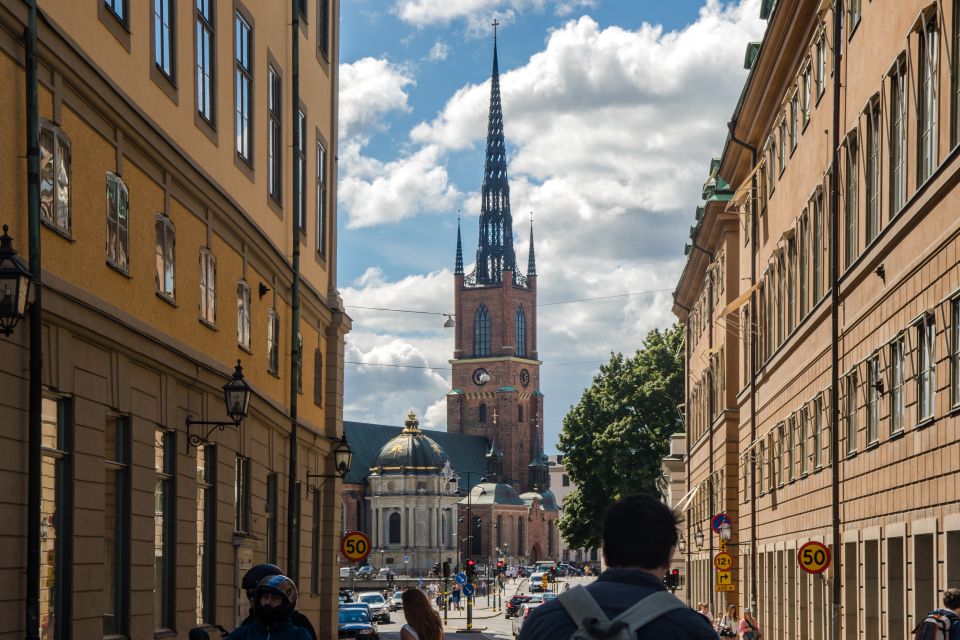
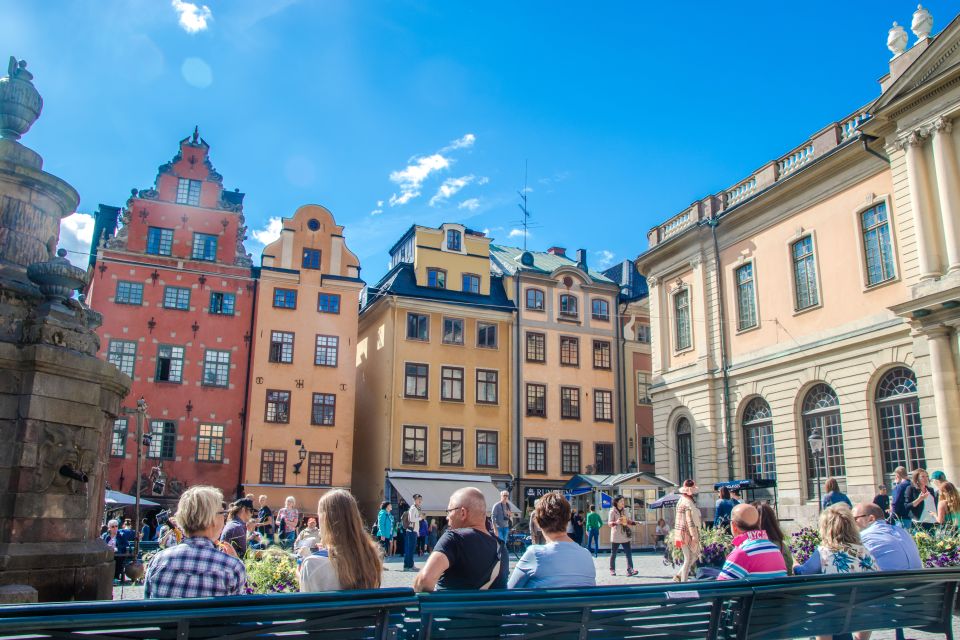
Stop 2 is the Royal Palace, and stop 3 is the Old Town (Gamla stan). These are the classic Stockholm anchors. The tour framing highlights grand public buildings and palaces, and that tone matches these areas.
Why this combo works well on a hop-on hop-off bus:
- You can cover the distance by bus first, then decide how long you want to spend walking.
- The audio guide helps you understand why the city’s older core is worth slower time.
A practical caution: these are busy areas. If you hop off to explore and you later decide to rush back, the bus schedule becomes your pace-setting tool. So if you plan to spend real time, try to do it earlier in the day.





Kungsträdgården, Strandvägen, and Karlaplan: Comfort Stops for Breaks and Photos
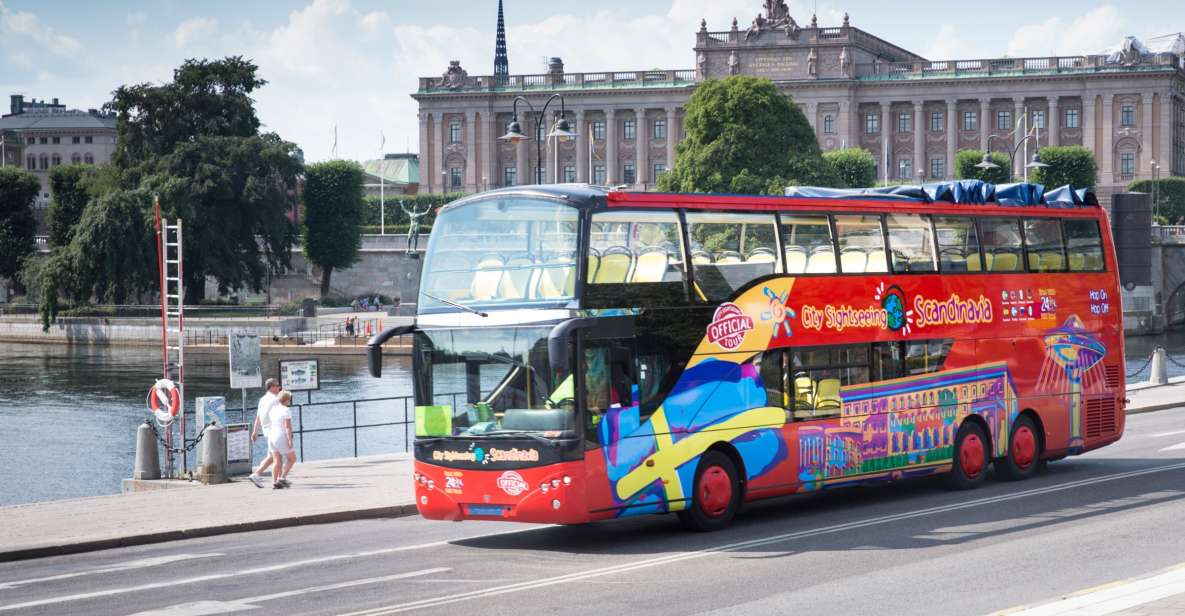
Stops 4 and 5 are Kungsträdgården and Strandvägen. Stop 11 is Karlaplan. These aren’t the “one-ticket paid attraction” stops on the list, which can actually be a good thing. They’re places where you can step off, stretch, and connect with the feel of the city between big-ticket museums.
This is where the hop-off flexibility shines. If you want a calmer moment before museums, you’ve got one. If you’re chasing photos and street scenes, these stops are useful landing points.
The tradeoff is also simple: since these stops are more about vibe than a single fixed landmark, you’ll get more out of them if you pair a quick look with a clear plan for your next ride segment.
Vasa Museum / Nordiska: When You Need One Museum Anchor
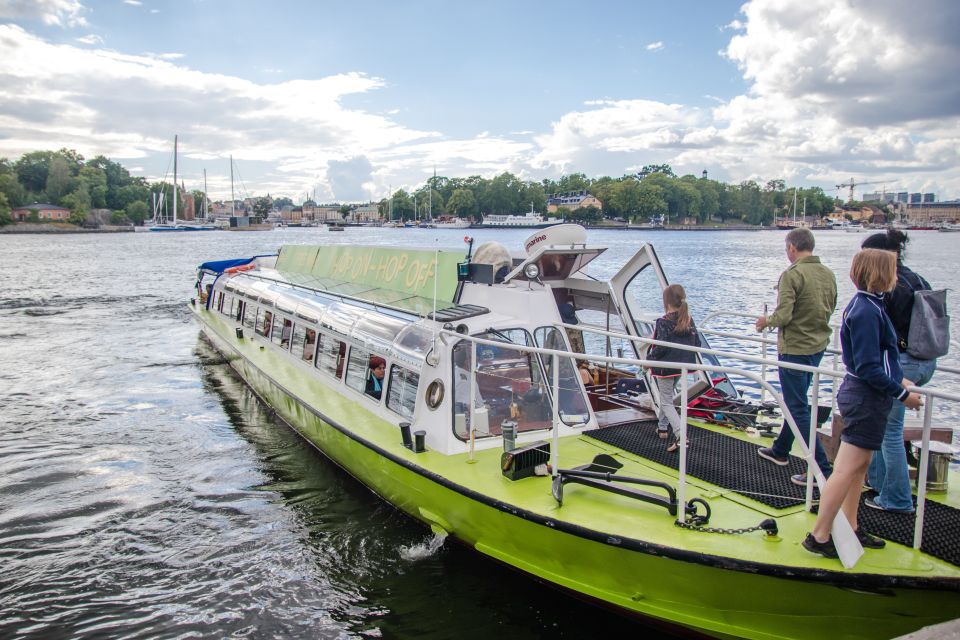
Stop 6 is The Vasa Museum / Nordiska Museum. The tour also calls out the Vasa Museum as a top highlight, so this stop is the one many people build their day around.
This is also a smart location choice because museums are where time can vanish. If you’re deciding between a bus-only loop and spending on tickets, this is one of the most obvious “yes” stops.
A key reminder: entrance fees are not included, so you’re budgeting for museum entry separately. Still, having this stop on a bus route reduces the biggest friction—travel time between distant cultural sites.
ABBA Museum and Gröna Lund Tivoli: A Fun Detour You Can’t Skip
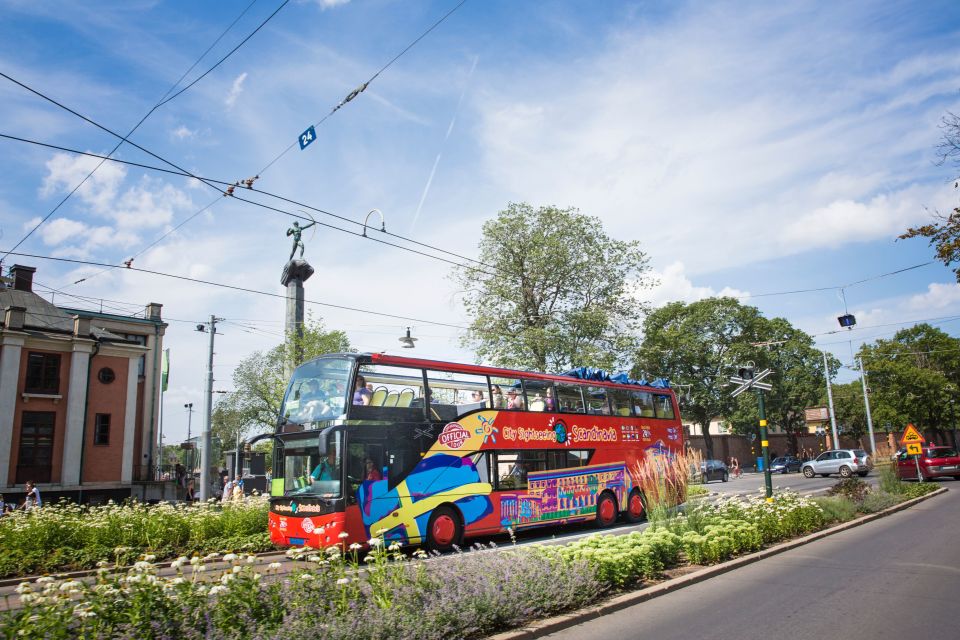
Stop 7 and stop 9 are both listed as ABBA The Museum / Gröna Lund Tivoli. That repeated pairing is useful. It means you can treat this as a flexible pit stop instead of a make-or-break moment.
What makes this stop especially appealing in the tour description is the interactive angle:
- You can feel what it’s like to be onstage with ABBA
- You can sing at the Polar Studio
- You can test your knowledge in an ABBA quiz
That kind of experience is different from the more traditional museum stops. If you’re traveling with kids, teens, or music fans, this is the segment most likely to generate real enthusiasm rather than polite sightseeing.
Skansen: The Open-Air Museum That Changes the Pace
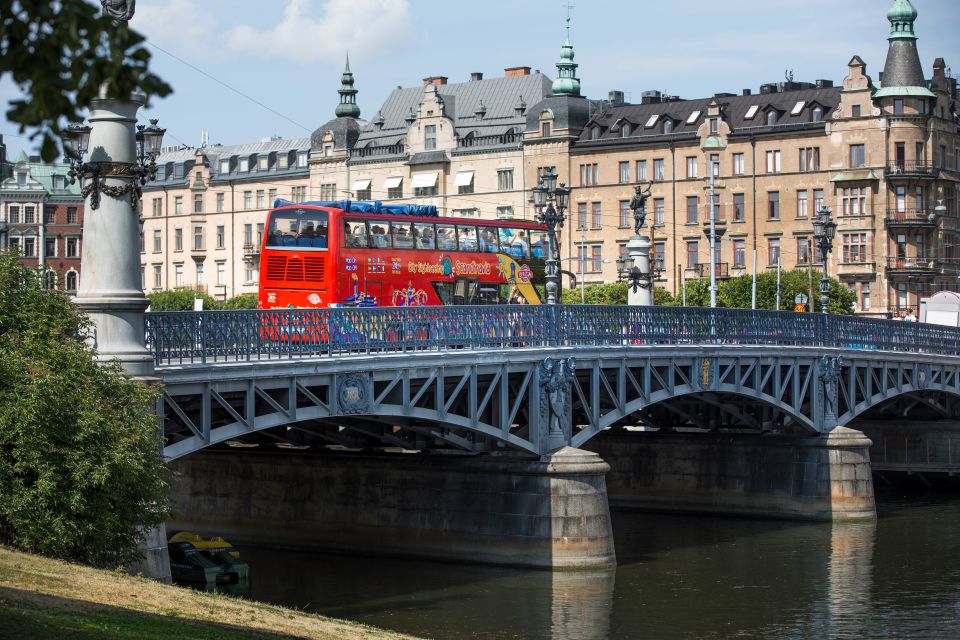
Stop 8 is Skansen, described as the world’s first open-air museum. This is where the tour pacing gets interesting. After indoor museums, Skansen shifts you outdoors, and that can be a nice reset.
Why it’s a strong hop-off choice:
- You can pair it with other downtown culture stops if you’re doing a long day
- It also works as a standalone block if you prefer walking and atmosphere over ticket-heavy time
Again, entrance fees aren’t included, so you’ll decide how much time you want to invest. But having Skansen on the route means you’re not guessing how to reach it once you’ve already started exploring.
Stureplan and Hötorget Market: The City’s Social Energy Stops
Stop 12 is Stureplan Entertainment District, and stop 13 is Kungsgatan / Hötorget Market. These are great for when you want to feel where people gather, not just where history sits.
The tour description specifically calls Stureplan a high-end square in the heart of Stockholm. That signals a different kind of stop than a palace or museum. You’re there for streetscape, browsing, and a more everyday Stockholm mood.
For Hötorget, the tour lists it as a market connection. Even if you don’t plan a big shopping stop, markets and squares help you break up your day so you don’t feel like you’re sprinting from one ticket line to the next.
Ice Bar and City Hall: Quirky Contrast on One Route
Stop 14 is the Ice Bar—you’re encouraged to stop for a very cold drink. This is the sort of place you don’t want to overthink. If you’re curious, it’s a perfect “one stop, one experience” detour.
Stop 15 is City Hall. The overview lists Stockholm City Hall as a major stop, so it’s included for a reason. Pair Ice Bar with City Hall and you get a memorable contrast: temperature shock, then a grand civic-building stop.
If you’re short on time, these are also good candidates for quick visits. If you’re not ready for a full walk, you can still hop off, see what you came for, and hop back on with minimal disruption.
Strömgatan to Cruise Terminals: Why the Route Design Matters
Stops 16–18 are cruise-terminal focused:
- X Frihamnen Cruise Terminal 634
- Y Frihamnen Cruise Terminal 638
- Z Stadsgarden Cruise Berth
These stops matter most if you’re sailing. The tour explicitly positions itself as perfect for passengers traveling with a cruise ship. The bonus is also practical: you can stay on the same transport plan rather than stitching together separate taxis or complicated transit.
But here’s where you must stay sharp: cruise timing can be rigid. The tour notes longer duration to these terminals and ties it to when a cruise ship is docked. So even if the bus route seems simple on paper, the real-world timing can shift.
My advice: if you’re heading back to the ship, treat the last ride window as earlier than you think. Build buffer, and if you see people getting anxious, don’t assume you have time.
The Optional Boat Tour: A Nice Add-On, But Not Always Quiet
If you select the boat tour option, it runs 55 minutes and connects with several key areas. The boat stops include:
- The Royal Palace
- Nybroplan (bus and boat connecting stop)
- Vasa Museum (bus and boat connecting stop)
- Skeppsholmen (bus and boat connecting stop)
- Gröna Lund Tivoli (bus and boat connecting stop)
- Viking Line / Stadsgarden Cruise Berth (bus and boat connecting stop)
- Fotografiska
- Slussen
- Old Town / Gamla stan (bus and boat connecting stop)
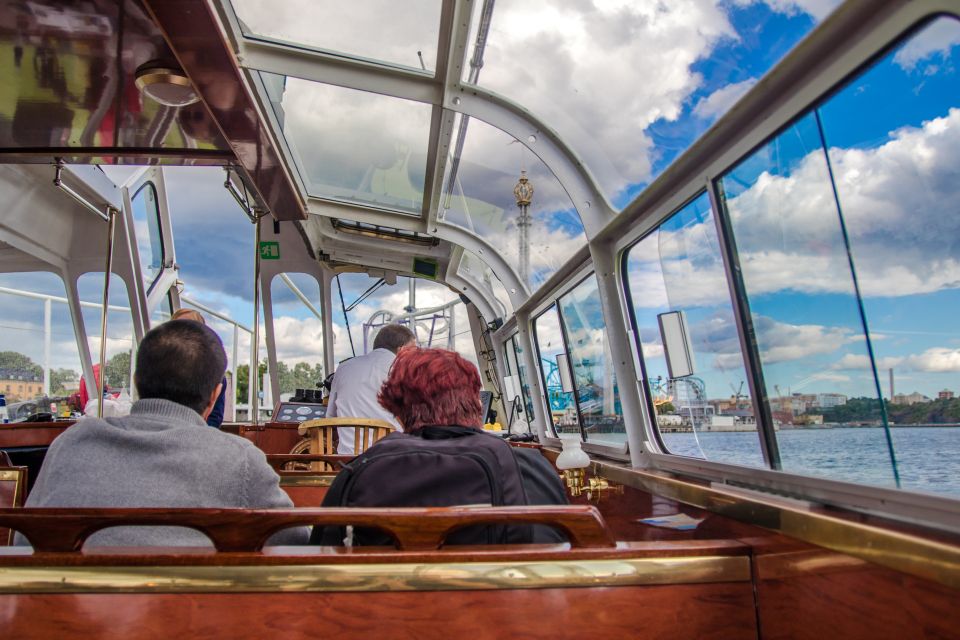
This is a strong option because it adds water views and extra routing without extra logistics on your end.
The tradeoff: the boat ride can be crowded, and if you’re inside or near lots of talkers, it may be hard to hear the live guide over the sound levels. If audio clarity is important to you, plan to stand or position yourself where you can hear more easily.
Onboard Audio Guide and Free Wi‑Fi: How to Get More From Every Ride
This tour includes an audio guide in 11 languages with headphones: Spanish, English, Finnish, French, German, Italian, Russian, Chinese, Estonian, Japanese, and Swedish. You can use it as you ride so each bus segment becomes part of the sightseeing.
The audio guide is especially useful because Stockholm’s highlights can feel disconnected if you’re only using your own map. Audio helps connect landmarks into a story—palaces, opera traditions since the 18th century, and the museum cluster that includes Vasa, ABBA, and Skansen.
Then there’s the onboard free Wi‑Fi. That sounds small until you’re in a city where stop names blend together. Wi‑Fi lets you check what’s next, look up opening times for the specific attractions you want, or find directions for a walking stretch after you hop off.
Also, bring your own common sense: download anything you want offline first. Wi‑Fi is a bonus, not a guarantee.
Price and Value: What $37 Gets You (and What It Doesn’t)
The price is listed as $37 per person, with 24 or 72-hour pass choices depending on what you select. To judge value, focus on what you’d pay and do without the bus:
- You’re paying for transport plus orchestration: 18 starting points and stops near major sights.
- You’re also getting audio guidance and free Wi‑Fi for your ride time.
- What you’re not paying for: entrance fees and food and drink.
So this is best value when you plan to do multiple stops across a couple of days. If you only want one attraction—say just Vasa or just ABBA—the bus can feel like extra cost. If you want to bounce between museums, Old Town, a palace area, and at least one fun detour like the Ice Bar, then the pass format starts to make sense.
For cruise passengers, value usually comes from time saved. You avoid multiple unknown transit decisions, and you get a ready-made plan for getting back to the ship when you’re on a tight schedule.
Who This Tour Fits Best in Stockholm
This is a good fit if you:
- Want a simple way to hit Royal Palace, Old Town, Vasa Museum, ABBA Museum, Skansen, and City Hall without building a complex route
- Like the idea of hopping off when something catches your eye, not when a strict itinerary says so
- Are traveling with different interests—museum lovers can do museums, ABBA fans get an interactive stop, and everyone gets the option to ride continuously
This may be less ideal if you:
- Are highly budget-limited and plan only one stop
- Hate relying on schedules and prefer walking everywhere on your own timetable
- Need guaranteed peace and quiet, especially if you add the crowded boat option
Should You Book This Stockholm Hop-On Hop-Off Bus Tour?
I’d book it if you want an easy “spine” through Stockholm. The combination of frequent departures, audio in 11 languages, and stops built around major sights is exactly what makes this type of tour useful.
Just make one smart decision before you ride: if you’re connecting with a cruise ship, plan your return earlier than your nerves want. If you’re not on a cruise, the route feels more forgiving, and you can enjoy the flexibility without time pressure.
If you’re the type who likes to pick your moments—museum now, street walk later—this tour supports that style well.
FAQ
How long is the hop-on hop-off bus tour?
The tour duration is listed as 60 minutes. If stopping at the cruise terminals, it can take 90–120 minutes and applies only when a cruise ship is docked.
What pass options are available?
You can choose a 24-hour or 72-hour hop-on hop-off pass.
How often do the buses run?
The buses run every 30 minutes.
What stops are included?
The route includes stops such as Strömgatan / The Royal Opera, The Royal Palace, Old Town, The Vasa Museum / Nordiska Museum, ABBA The Museum / Gröna Lund Tivoli, Skansen, Stureplan, Ice Bar, City Hall, and cruise terminals including X Frihamnen Cruise Terminal 634, Y Frihamnen Cruise Terminal 638, and Z Stadsgarden Cruise Berth.
Is Wi‑Fi included onboard?
Yes. There is free Wi‑Fi onboard the buses.
Is an audio guide included, and in which languages?
Yes. An audio guide is included with headphones. It’s listed for Spanish, English, Finnish, French, German, Italian, Russian, Chinese, Estonian, Japanese, and Swedish.
Does the tour accept both mobile and paper vouchers?
Yes. Both mobile and printed paper vouchers are accepted.
Is a boat tour included?
A boat tour is included only if you select the appropriate option. The boat tour duration is listed as 55 minutes and includes several stops.
When do buses start and stop running?
The first departure from Stop 1 is at 10:00am, and the last departure from Stop 1 is at 5:00pm.