REVIEW · STOCKHOLM
Unique walking tour Stockholm
Book on Viator →Operated by Stockholm By Me - Unique Walking Tours · Bookable on Viator
Stockholm clicks into focus on foot. I love the small-group size (max 15) and Tomas’s insider storytelling that connects Swedish culture to spots most visitors skip. The only drawback is the pace: you’re on your feet and moving between neighborhoods, so you’ll want comfortable shoes.
Expect about 2 to 3 hours in English, mixing walking with short public-transport hops, starting at Café Opera and ending near the Castle. It’s a smart way to orient yourself fast, whether you’re brand-new to Stockholm or returning for a second look.
In This Review
- Key highlights worth planning around
- A genuinely local way to get bearings in Stockholm
- Price and value: what $65.69 buys you (and what it doesn’t)
- How the pace works: 11 stops, short stops, and smart movement
- Start at Café Opera, finish near the Castle
- Kungsträdgården and Berzelii Park: the city’s public-life stage
- Kungstornen and the Concert Hall: skyline, architecture, and why it matters
- Olof Palme memorial and Gallerian: civic memory and city-center flow
- Mosebacke Torg and Södermalm: a different side of Stockholm
- Skeppsholmen and Riddarholmen: islands, viewpoints, and quiet power
- Royal Palace exteriors: the details you can actually spot
- Metro art on the blue line: why it’s worth not skipping
- What you’ll get from Tomas that other tours often miss
- Who should book this tour?
- A fair note on risk: show-up problems do happen
- Should you book Unique walking tour Stockholm?
- FAQ
- How long is the Unique walking tour Stockholm?
- What does the tour cost?
- Is the tour offered in English?
- How many people are in the group?
- Do you go inside major buildings?
- Where do you meet and where does it end?
- Are there admission fees included for the stops?
- Can I get a full refund if plans change?
- Is the tour near public transportation?
- Are service animals allowed?
Key highlights worth planning around

- Small group of up to 15: more questions, less crowd noise, better pace control.
- Outdoor viewing for big landmarks: you get the sights without the time sink of admissions and queues.
- Metro stop storytelling and blue-line station art: public transit becomes part of the tour, not just transport.
- Cultural details you can actually spot: like flag rules at the Palace and meaning tied to memorials and civic spaces.
- A route that mixes icons with overlooked corners: from Kungsträdgården to Södermalm and Riddarholmen.
- Clear start/end points: Café Opera to the Castle area makes it easy to continue your day.
A genuinely local way to get bearings in Stockholm
Stockholm can feel like a puzzle at first: islands, bridges, waterfront views, and neighborhoods that each have their own mood. This tour helps you sort it out quickly. You’re not just seeing postcard sights. You’re learning how locals read the city—through landmarks, public spaces, and the little signals people notice every day.
I especially liked the way Tomas ties stories to what you’re standing in front of. It isn’t just facts listed like a school lesson. It’s more like explanations you can repeat later while you walk around on your own. And because the group stays small, he can answer your questions and adjust to what you care about.
One thing to keep in mind: this is a “walk-and-move” experience. Even though each stop is short, you’ll cover ground and step on and off transit. If you’re the type who needs long pauses at each viewpoint, plan on doing extra time on your own afterward.
You can also read our reviews of more walking tours in Stockholm


Price and value: what $65.69 buys you (and what it doesn’t)
At $65.69 per person for roughly 2 to 3 hours, this isn’t a bargain in the cheapest sense. But it’s also not priced like an all-day guided program with museum entries. The value comes from the mix of:
- A small-group guide (up to 15) who can actually talk with you.
- A route that hits major landmarks and less-obvious spots.
- Practical context: how Swedish civic life, symbols, and urban design show up in everyday places.
You’re also not paying separate admission fees for the listed stops—most of them are marked admission ticket free. The one cost consideration is transit for metro segments. One visitor called out needing a train ticket to access the underground station art on the blue route stops. In other words: bring a transit card or plan on buying your own metro tickets when the tour uses the subway.
If you want a tour where you can get a lot of orientation quickly without turning it into a ticket-shopping marathon, the price makes sense.
How the pace works: 11 stops, short stops, and smart movement
The tour runs about 2 to 3 hours and typically balances:
- Quick exterior viewing at key landmarks (often around 10 minutes)
- Brief neighborhood walks where the guide can explain what you’re looking at
- Short public-transport segments so you can cover more ground efficiently
Because each stop is short, you’re not getting stuck waiting for a slow group or fighting for space at photo angles. Instead, you get a sequence of moments—parks, towers, memorials, islands, and viewpoints—so you finish with a clear mental map.
A tip: treat this like day-one orientation. After the tour, pick one or two areas you liked most and spend a longer hour there on your own.
Start at Café Opera, finish near the Castle
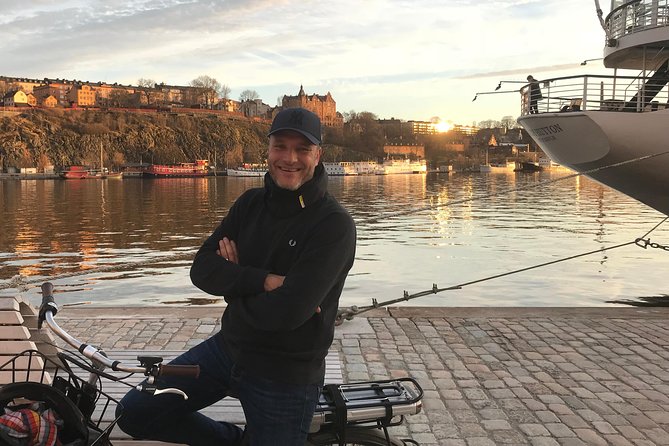
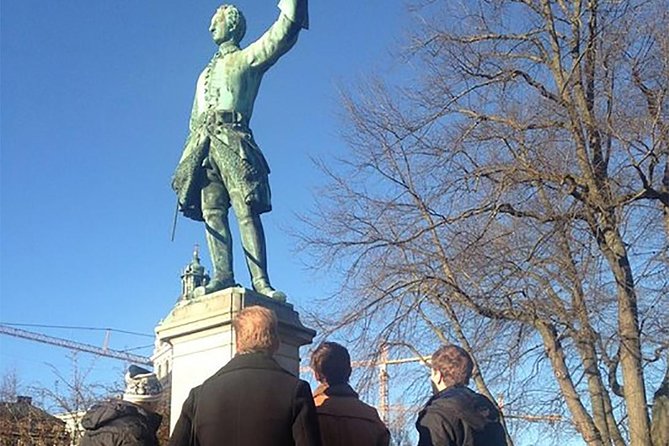
The meeting point is Café Opera at Karl XII:s torg 5 (111 47 Stockholm). You end at The Castle (Slottsbacken 8, 111 30 Stockholm). That end point is a big deal. It’s a natural handoff to exploring the Palace area further, grabbing a snack, or continuing into Gamla Stan at your own pace.
You’ll also appreciate the location choices during the walk. You start close to a major transit hub and finish where most people eventually want to be anyway.
Kungsträdgården and Berzelii Park: the city’s public-life stage
You kick off at Kungsträdgården, a central park that’s more than just greenery. In the guide’s hands, it becomes a starting point for how Stockholm’s public spaces work—why certain places become meeting points, and how history hangs around even when the scenery looks modern.
Then you move to Berzelii Park for another quick hit of context. Parks in Stockholm often function like outdoor “living rooms” for the city. You’re learning to see them as part of the civic landscape, not just places to rest.
These first stops set the tone: you’ll keep noticing symbolism and design choices as you go.





Kungstornen and the Concert Hall: skyline, architecture, and why it matters
Next up is Kungstornen (the King’s Towers area). It’s a good spot for understanding how Stockholm stacks old meaning next to modern ambition. You get a feel for why certain neighborhoods developed the way they did and how the city’s skyline signals status and identity.
Then you head to the outside area of Stockholm Concert Hall. You don’t go inside; you tour the exterior. That matters because you avoid ticket delays while still getting the story behind the building’s place in Stockholm’s cultural identity.
If you like architecture, this portion gives you enough to notice details later, even when you’re walking away on your own.
Olof Palme memorial and Gallerian: civic memory and city-center flow

You stop at the Olof Palme Memorial Plaque, and this is where Stockholm’s public memory shows up in plain sight. It’s not just about naming a famous person. It’s about how a city honors events and people in spaces that ordinary life uses every day.
After that, you visit Gallerian. You tour outside, which keeps the pacing brisk, but you still get the context for how Stockholm’s center functions: shopping areas, pedestrian movement, and how the city plans for human scale rather than car-first streets.
This section helps you notice something important: Stockholm doesn’t separate culture from daily errands. It folds culture into the way you move.
Mosebacke Torg and Södermalm: a different side of Stockholm
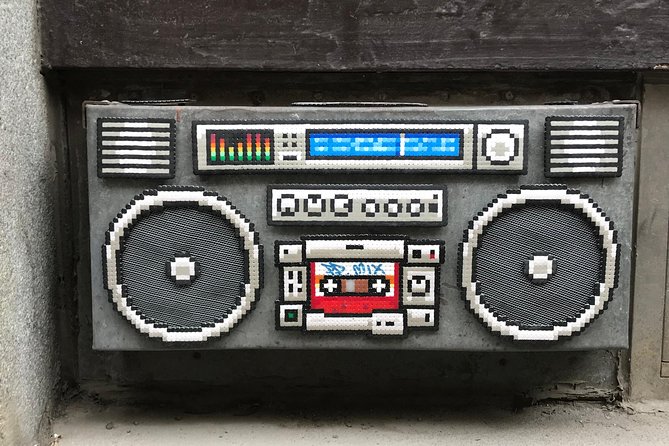
Then you shift toward Mosebacke Torg and Södermalm. This is where the tour starts to feel more lived-in. Södermalm has a reputation for atmosphere, and this route helps you understand why—without needing you to hunt it down alone.
You’re walking through views and streets where the vibe changes from formal to casual. You also get offbeat stories that make the neighborhood feel like a place with personality, not just a name on a map.
If you’re the type who likes local culture over big-ticket landmarks, you’ll probably love this stretch.
Skeppsholmen and Riddarholmen: islands, viewpoints, and quiet power
Now you cross into Skeppsholmen, an island area that’s perfect for understanding Stockholm’s island logic. The water shapes the city. The bridges and viewpoints shape the way you think about distance and direction.
After that, you reach Riddarholmen. Again, you tour outside. That still works because the guide helps you read the place: what it represents, how it connects to the city’s religious and royal imagery, and why it feels calmer than the main tourist corridors.
This part is a good reminder: Stockholm isn’t only about grand crowds. It has spaces where history feels close but the mood is restrained.
Royal Palace exteriors: the details you can actually spot
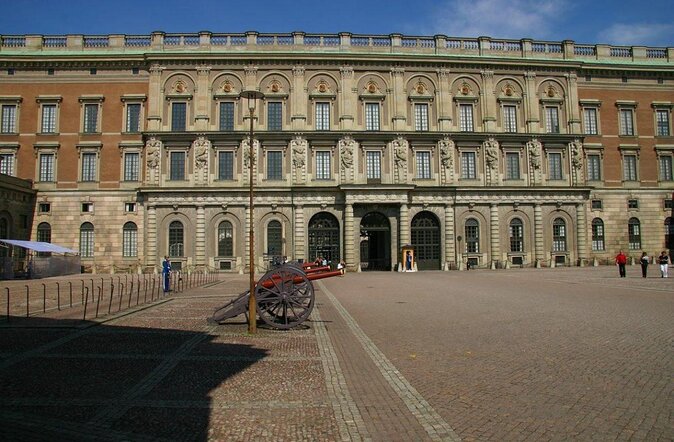
Your final major stop is the Royal Palace, viewed from outside. One of the most memorable practical details comes here: the guide explains the difference between the Swedish flag behavior when the King is in office versus a pennant display.
That’s the kind of small, real-world cue you can use immediately when you’re standing there yourself. Instead of guessing, you learn how to tell what’s happening based on what’s flying.
This ending also sets you up well. Since you finish near the Palace and Castle area, you can keep exploring without having to navigate across the city right after a guided walk.
Metro art on the blue line: why it’s worth not skipping
A big reason this tour appeals to both first-timers and returnees is how it uses public transport as part of the story. Several stops of the route include metro segments, and the guide points out station art—especially on the blue line.
This is a smart tactic. Stockholm’s metro is its own attraction. Viewing it with context turns it from a random photo stop into an explanation of how the city expresses art in everyday life.
Just plan for a simple reality: you may need your own transit ticket for the underground time.
What you’ll get from Tomas that other tours often miss
The strongest praise across experiences like this tends to fall into a few buckets. Here’s what you can expect to feel during the tour:
- Clear English and interactive pacing: you’re not stuck listening while your feet freeze.
- Personal pride in the city: the stories feel rooted in lived knowledge.
- Offbeat details: things you might not learn from a standard checklist.
- Helpful answering of questions: you can ask what you care about, not just what the guide planned.
One reviewer specifically enjoyed details like subway art tied to route stops, plus civic and cultural references such as activism connected to places like the King’s Garden. Even if that exact story isn’t your focus, it’s a good indicator of how the tour connects daily Stockholm life to wider themes.
And yes—if you’re hungry after, the guide may also offer restaurant ideas. That’s useful when you want food that fits the neighborhood you’ve just walked through.
Who should book this tour?
This works best if you:
- Want a first-time orientation that doesn’t lock you into only the biggest sights
- Prefer short stops with explanations you can build on later
- Like offbeat stories, symbols, and neighborhood texture
- Enjoy moving efficiently using transit instead of walking every single street
- Are traveling with someone who gets impatient with overly long museum schedules
If you hate walking or need slow, seat-and-stare sightseeing, you’ll likely find this too brisk. For that style of trip, you might want a different kind of guided experience.
A fair note on risk: show-up problems do happen
Like any third-party booking, there’s an obvious safety step you should take: confirm your meeting details and arrive a bit early. There was a low rating tied to a no-show situation and a refund dispute. I can’t promise you won’t ever face a problem, but you can protect yourself by being on time, double-checking the meeting point (Café Opera), and keeping your confirmation handy.
If you show up early and keep communication open, you reduce the odds of a bad first impression.
Should you book Unique walking tour Stockholm?
Yes, if you want a guided route that feels like Stockholm is being explained by a local who enjoys the place. This tour is a strong choice for newcomers because it gives you a fast map of the city—major landmarks plus neighborhoods like Södermalm. It’s also a great revisit option because metro art and cultural details add layers even when you’ve seen the big sights before.
Book it if you’re willing to walk, use some public transit, and enjoy stories tied to what you’re actually seeing. Skip it if you want to sit in one place for long stretches or you dislike moving between stops quickly.
If you do book, plan your day with this in mind: treat the end near the Castle as your launching point for independent exploring right after the tour.
FAQ
How long is the Unique walking tour Stockholm?
It runs about 2 to 3 hours.
What does the tour cost?
The price is $65.69 per person.
Is the tour offered in English?
Yes, it’s offered in English.
How many people are in the group?
The group maximum is 15 travelers.
Do you go inside major buildings?
For several key stops (like the Stockholm Concert Hall, Gallerian, Riddarholmen, and the Royal Palace area), you tour outside rather than entering.
Where do you meet and where does it end?
You meet at Café Opera, Karl XII:s torg 5, 111 47 Stockholm, and the tour ends near The Castle at Slottsbacken 8, 111 30 Stockholm.
Are there admission fees included for the stops?
The stops are listed as admission ticket free. You may still need your own transit ticket for any metro time.
Can I get a full refund if plans change?
Yes. You can cancel up to 24 hours in advance for a full refund.
Is the tour near public transportation?
Yes, it’s near public transportation.
Are service animals allowed?
Yes, service animals are allowed.