REVIEW · STOCKHOLM
Viking History and Swedish Countryside Tour to Sigtuna & Uppsala
Book on Viator →Operated by STOEX · Bookable on Viator
Vikings, runes, and cathedral spires outside Stockholm. This is a fast, full-day jump through Viking-era sites and Swedish medieval landmarks, with real time in Sigtuna and Uppsala. I especially love how the story isn’t just names on a sign—it’s about places like Jarlabanke’s bridge and the Viking assembly stones where decisions were made.
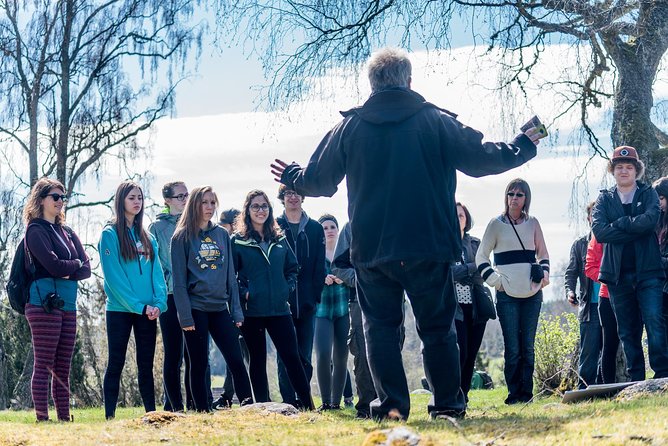
Second, I like the energy of the day: the guides can be witty, and the small-group feel helps you actually hear the explanations while you’re moving around. In several outings, I’ve seen guides like Urban and Olof praised for mixing humor with clear, practical storytelling, plus keeping the group moving at a human pace.
One thing to consider: this is a long day, and a big chunk of it involves standing outside—so you’ll want good shoes, a layer for wind, and patience for lots of short stops rather than one long “deep” visit.
In This Review
- Key points worth knowing
- Viking History and Swedish Countryside From Stockholm: What This Day Feels Like
- Price and Included Value: Why $274.19 Can Make Sense
- Starting in Täby: Old Stone, a Medieval Church Drive-By, and Jarlabanke’s Bridge
- Arkils Tingstad and Lake Vallentuna: Viking Parliament in Plain Sight
- Granbyhällen and the Granby Rune Stone: Reading a Long Runic Message
- Hökeriet Provision Shop and Fika: A Swedish Break That’s More Than a Snack
- Sigtuna: Sweden’s Old Lake Town and a Calm Hour to Wander
- Uppsala Cathedral and Old Uppsala: From Royal Mounds to Scandinavian Gothic Power
- How the Guide Makes (or Breaks) the Viking Story
- Practical Tips for a Smooth 9-Hour Day in the Stockholm Area
- Who This Tour Is Best For (and Who Should Skip It)
- Should You Book This Viking History and Swedish Countryside Tour?
- FAQ
- How long is the tour?
- Is hotel pickup and drop-off included?
- Are meals included?
- How many people are in the group?
- Is it offered in English?
- Can I cancel for a full refund?
Key points worth knowing
- Viking parliament sites you can walk around, not just see from a distance
- Runestone storytelling tied to family memory and everyday life, not random carvings
- Sigtuna + Uppsala Cathedral in one day, with real free-time for wandering
- Gamla Uppsala royal burial mounds that connect kingship to grave goods like weapons and jewelry
- Small group size (max 17) for a more personal rhythm
- Fika and farm-shop stop that’s cozy, practical, and good for stocking up for the day
Viking History and Swedish Countryside From Stockholm: What This Day Feels Like
This tour is built for people who like history that shows up in the landscape. You’ll start in the Stockholm area and then work your way north through Viking sites, early legal gatherings, and later medieval power centers. You also get that satisfying countryside travel time—when the van pulls off the main roads, you’re suddenly in slower, quieter Sweden.
The shape of the day matters. Instead of one museum and a few viewpoints, you’ll hit a sequence of specific sites—runestones, bridges, assembly stones, burial mounds, and churches—so the Viking-to-Christian timeline makes sense as you go.
If you like your history with a guide keeping the thread, this works well. If you want a relaxed pace with lots of time inside buildings, you may wish it were less stop-and-go.
You can also read our reviews of more historical tours in Stockholm


Price and Included Value: Why $274.19 Can Make Sense
At $274.19 per person, you’re paying for a whole bundle: hotel pickup and drop-off in central Stockholm, air-conditioned minibus transport, and a professional guide. You’re also not stuck paying for every separate ticket along the route—many of the stops you’re taken to are listed as free entry.
Food isn’t included. Lunch is at your own expense, and fika availability can vary depending on the tour day. So the smartest way to see whether this is a bargain for you is to factor in your likely lunch spend (and any snacks).
Where the price feels most justified is the coverage. In one day you’re getting Viking bridge history, assembly-site context, a long runic text + preserved longhouse foundations, a walk in an old lake-town, burial mounds, and Uppsala Cathedral. That’s a lot to compress—especially when you’re staying in Stockholm and don’t want to rent a car.
Starting in Täby: Old Stone, a Medieval Church Drive-By, and Jarlabanke’s Bridge
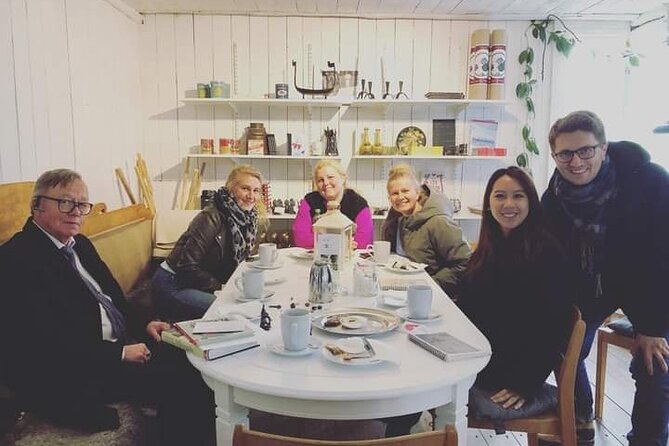
You begin with a short drive-by look at Täby Church (Täby kyrka), a 13th-century landmark showing Romanesque and Gothic touches. Even if you don’t spend much time here, it sets the mood: Sweden’s layers are stacked, not replaced.
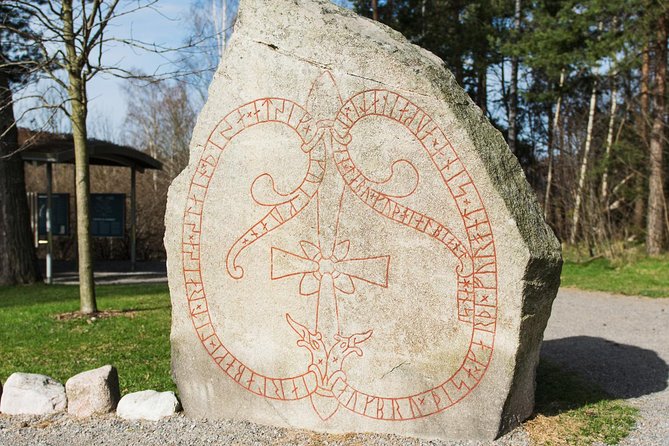
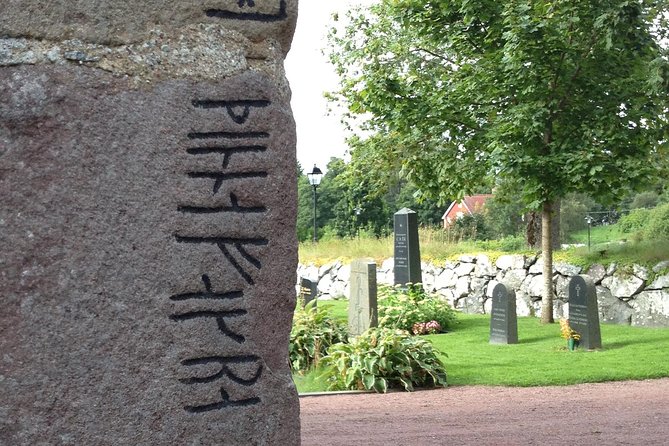
Then you hit one of the day’s strongest “wow” moments: Jarlabanke’s Bridge in Täby. The bridge is Viking Age (11th century) and tied directly to a named chieftain, Jarlabanke, who ordered its construction. Near it, runestones carry inscriptions mentioning Jarlabanke and his family, and your guide will connect those texts to power, memory, and control in the early medieval world.
This is a good opening because it teaches you how to read the Viking landscape. You’re not only looking at stones—you’re learning what they were for and why they were placed where they were.
Arkils Tingstad and Lake Vallentuna: Viking Parliament in Plain Sight
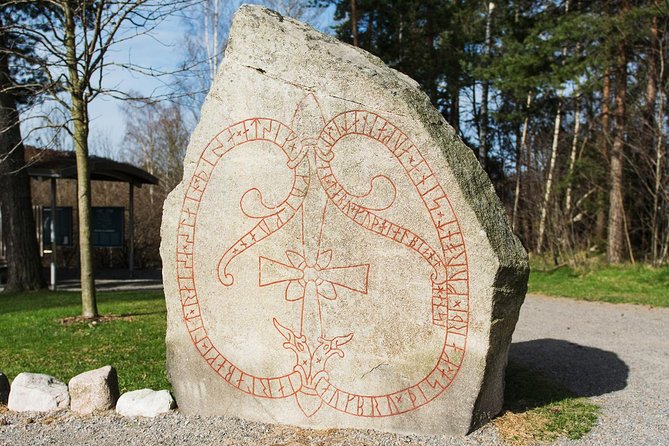
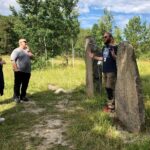
One of the most distinctive stops is Arkils tingstad, also known as Arkils Assembly Site, near Vallentuna. It’s arranged stones in a square pattern, and it’s associated with how local communities gathered to resolve disputes, make decisions, and enact laws during the Viking Age.
What you’re really doing here is learning the Viking “civic” side. The usual Viking story is fighting and raiding; this reminds you there was structured leadership and legal process too. It’s a rare chance to stand at a site that’s linked to governance rather than warfare.
After that, you’ll go down toward the banks of Lake Vallentuna. It’s a brief natural break—just enough to reset your brain between heavier topics—while also keeping the setting tied to human settlement around the water.
Granbyhällen and the Granby Rune Stone: Reading a Long Runic Message
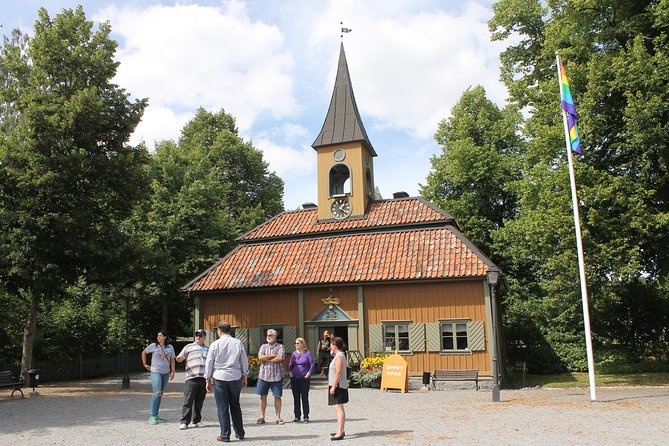
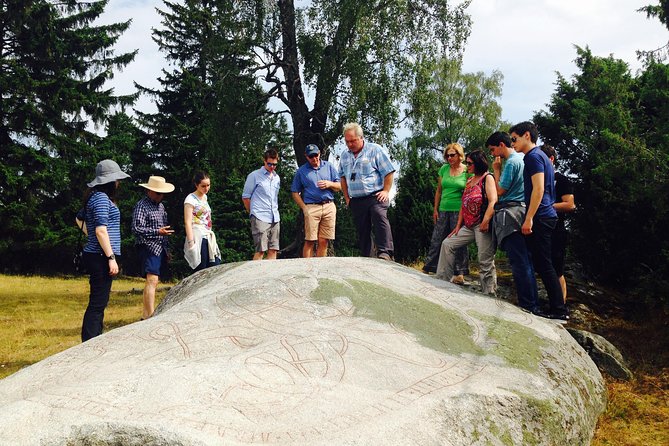
Next comes Orkesta and Granby, where Granbyhällen (the Granby Stone) gives you one of the longest and most informative rune texts from the Viking Age. Your guide explains what the text is saying and how it relates to the Granby family, with the idea that it may have served as an inheritance-style message.
This stop can be a turning point in your understanding of runestones. They’re not just decorative rocks. They’re records—made to last—so families could set down names, relationships, and claims.
Then you step into the preserved Viking house foundations at Granby. These aren’t a full recreated museum set; instead, you’re walking the footprint of longhouse life and learning about daily living around a thousand years ago. That combination—text on the stone plus the house foundations nearby—helps the Viking world stop feeling abstract.




Hökeriet Provision Shop and Fika: A Swedish Break That’s More Than a Snack
At the Granby farm area, you’ll get time by Hökeriet, a provision shop type of stop (the name translates to grocery or provision shop). This is where you may find fika offered on many tour days.
Even when fika isn’t the main reason to stop, it’s a smart reset. You’ll likely have a chance to warm up, use your legs, and browse regional crafts and Viking-related souvenirs. It’s also a useful moment for pacing: grab something small before you move on to Sigtuna and then keep the rest of the day comfortable.
Budget note: lunch is not included, so treat this fika stop as a bonus rather than your full meal plan.
Sigtuna: Sweden’s Old Lake Town and a Calm Hour to Wander
Sigtuna is where the day breathes. Founded around AD 980, the town sits along Lake Mälaren, and it’s known for cobblestone streets and older buildings. You’ll get about an hour to stroll, which is long enough to do the basics without rushing, but short enough that you’ll want to choose where you go first.
Your guide will likely point out key sights along the way, including St. Mary’s Church. You’ll also have time to explore independently—this is a good stretch to browse boutiques for special souvenirs and soak up the quiet lakeside mood.
If you want a little structure, you can consider the Sigtuna Museum during your hour. If you’d rather simply wander, focus on the street corners, church areas, and whatever looks photogenic near the water.
Uppsala Cathedral and Old Uppsala: From Royal Mounds to Scandinavian Gothic Power
After Sigtuna, the tour shifts from Viking settlement context to royal burial and medieval spirituality.
At Gamla Uppsala (Old Uppsala), you’ll see three prominent burial mounds tied to legendary Swedish kings. The mounds date back to the 6th and 7th centuries, and they’re traditionally named for Aun, Egil, and Adils. Archaeological excavations have uncovered grave goods like weapons and jewelry, which gives you tangible evidence of status and material culture from that era.
This stop is powerful because it connects symbolism to evidence. You’re not just hearing stories—you’re learning what’s been found, which makes the kingship angle feel less mythical and more grounded.
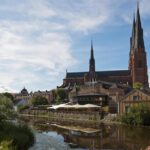
Then you’ll reach Uppsala Cathedral (Uppsala Domkyrka). This is Lutheran church architecture with striking Scandinavian Gothic elements—soaring spires, vaulted interiors, and stained glass. The cathedral also holds the tomb of Gustav Vasa, a key Reformation-era Swedish king. If you have energy, you can also plan around the option of a bell tower view, though the time you have is limited.
Tip: with only about 20 minutes here, I’d prioritize the interior and the main features your guide points out first. You can always come back later for a slower cathedral day if you want more.
How the Guide Makes (or Breaks) the Viking Story
The most praised part of this experience is the guide. Several people highlighted guides like Urban and Olof for being engaging, witty, and attentive to the group. I like that this tour’s success isn’t just about the sites—it’s about how the guide stitches them together so you understand what you’re seeing.
There’s also a practical audio advantage. In at least some outings, guests mention in-ear headsets working well for hearing narration while you’re on the move. That matters a lot on a day with lots of transit time, because you want the explanation while the scenery changes.
The main downside that shows up is pacing. A few guests felt some stops ran long on talking, or that the day can feel heavy on rune stones and churches. If you’re the type who wants more time in town squares or in one big building, you may need to manage expectations: this is a site-hopping history route.
Practical Tips for a Smooth 9-Hour Day in the Stockholm Area
This tour is a lot of getting in and out of a vehicle. To make it pleasant, plan like you’re doing an all-day walking tour with weather swings.
Wear comfortable shoes. You’ll stand at several outdoor sites, and some stops involve uneven ground near historical areas. Bring a water bottle and a layer. Even in mild weather, wind can make the day feel colder—one guest noted the van was cool during a cloudy day.
Use your time smartly in Sigtuna and Uppsala. You get about an hour in Sigtuna and about 20 minutes at the cathedral, so decide early if you want more wandering or more photo stops.
Be ready for a long day. The itinerary is packed by design: Viking bridges, assembly sites, runestone context, longhouse foundations, a town on the lake, mounds, then a major cathedral. If you’re sensitive to long periods on your feet, bring a positive attitude—and keep breaks in mind.
Plan for phone charging carefully. One guest mentioned the van lacked charging ports. You can’t count on charging on the go, so keep your phone battery healthy and consider a power bank if you rely on maps and photos.
Pickup tip: pickup is offered within the general central Stockholm area, and you’ll be contacted to confirm your final pickup time. In high season, you might be directed to another central meeting point to shorten the wait, even if your hotel is in the zone—so be flexible.
Who This Tour Is Best For (and Who Should Skip It)
This tour is ideal if you:
- Want a Viking history day that includes law/assembly themes, not only battles
- Like seeing runestones and then connecting them to real places (bridge, houses, burial mounds)
- Want one day that mixes Sigtuna’s old-town atmosphere with Uppsala Cathedral
- Prefer a guided day that helps you understand what you’re looking at, instead of reading everything alone
It may not be perfect if you:
- Hate long, stop-heavy days and prefer fewer locations with more free time
- Want a full-on Viking reenactment vibe rather than text-based and site-based history
- Are looking for a relaxed “lunch and linger” pace, because lunch and fika are spaced between more historical stops
If you’re a history fan, it also pairs well with later museum time in Stockholm—people often recommend following this with a Viking museum visit so the day turns into a two-part story.
Should You Book This Viking History and Swedish Countryside Tour?
I’d book it if you want a high-efficiency day that turns Swedish Viking and medieval history into walkable, visible places. The mix of Jarlabanke’s bridge, Arkils assembly stones, Granby rune text + longhouse foundations, then Sigtuna and Uppsala Cathedral is a strong arc. And when the guide is on form—as with Urban or Olof—you get humor and clarity, not dry lectures.
Don’t book it if you need lots of downtime or if you dislike outdoor standing. This is a full-day route with weather-ready logistics and a heavy focus on rune stones and church landmarks.
If you go, go prepared: good shoes, a warm layer, and a charged phone. Then enjoy the one-day payoff—Sweden’s past shows up in front of you, stone by stone.
FAQ
How long is the tour?
The tour runs about 9 hours.
Is hotel pickup and drop-off included?
Yes. Pickup and drop-off are included within the general pick-up area in central Stockholm.
Are meals included?
Food and drinks are not included. Lunch is typically at your own expense, and fika availability can vary (it’s offered on most but not all tours).
How many people are in the group?
The tour has a maximum of 17 travelers.
Is it offered in English?
Yes, the tour is offered in English.
Can I cancel for a full refund?
You can cancel up to 24 hours in advance for a full refund. If you cancel less than 24 hours before the start time, you won’t receive a refund. If the experience is canceled because the minimum number of travelers isn’t met, you’ll be offered a different date or a full refund.