REVIEW · STOCKHOLM
From Stockholm: Viking Culture and Heritage Small Group Tour
Book on GetYourGuide →Operated by Sweden History Tours · Bookable on GetYourGuide
Viking stones wait just outside Stockholm. This 3-hour small-group outing takes you from central Stockholm into Uppland to see Broby bro runestones and the stories tied to Estrid, plus real places where Vikings actually lived and governed. I like that the tour leans hard on the physical evidence—stones, bridges, and earthworks—so the past feels concrete, not like a reenactment.
Your main consideration is the weather and footing. If you’re traveling in winter, plan for cold and slippery conditions, and bring warm boots because you’ll spend time outdoors between sites.
In This Review
- Key highlights at a glance
- From Stockholm to Viking Uppland in just 3 hours
- Broby bro and the Jarlabanke Runestones: burials, belief, and Estrid
- What to watch for at Broby bro
- Jarlabanke Bridge and the causeway: runes you can almost walk on
- A useful mental trick
- Arkils tingstad: the remains of a Viking parliament
- The guide’s style: facts with a story, not a show
- Small group size: why 16 people changes everything
- Weather, clothing, and timing: the real logistics you should plan for
- Food note
- Price and value: what $138 buys you here
- Who should book this Viking Culture and Heritage tour
- Should you book this tour?
- FAQ
- How long is the tour?
- What’s the tour price?
- How big is the group?
- Do I get hotel pick-up and drop-off?
- Is food included?
- Is the tour guide available in English?
- What Viking sites will I see?
- Are all costs included?
- What if my plans change?
Key highlights at a glance
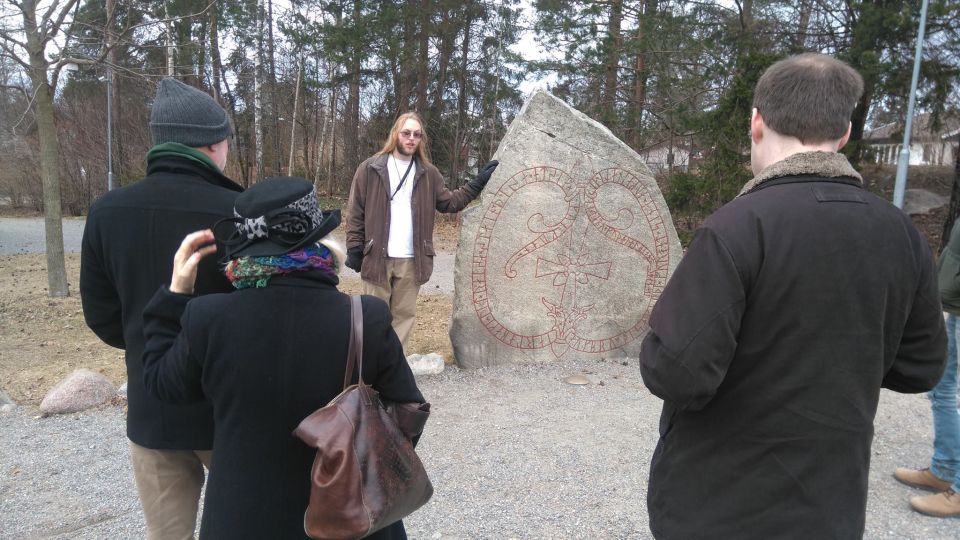
- Broby bro burial ground with Jarlabanke Runestones and Viking grave-rite stories
- Estrid and shifting beliefs: pagan and Christian traditions explained through local sites
- Jarlabanke Bridge and causeway area with raised runestones and building know-how
- Arkils tingstad: remains of a Viking Age parliament site and how society worked
- Small group size (16 max) so questions feel doable, not rushed
From Stockholm to Viking Uppland in just 3 hours
One of the best things about this tour is the pacing. You leave central Stockholm by car, then spend your time where it matters: a handful of Viking Age sites around the Stockholm area’s countryside. At $138 per person for 3 hours, you’re paying for guided time plus transport, not just “a stop-by-and-see” experience.
This is the kind of trip that fits a busy day. You get pick-up and drop-off if you’re staying within 5 kilometers of Stockholm Central Station, and the whole thing stays tightly focused. For me, that matters: Viking history outside the city can be hard to stitch together on your own without a plan, especially when you’re limited to a few hours.
You’ll also notice how the small-group setup changes the tone. With no more than 16 people, it’s easier for the guide to answer questions in the moment instead of rushing through talking points.
You can also read our reviews of more historical tours in Stockholm

Broby bro and the Jarlabanke Runestones: burials, belief, and Estrid
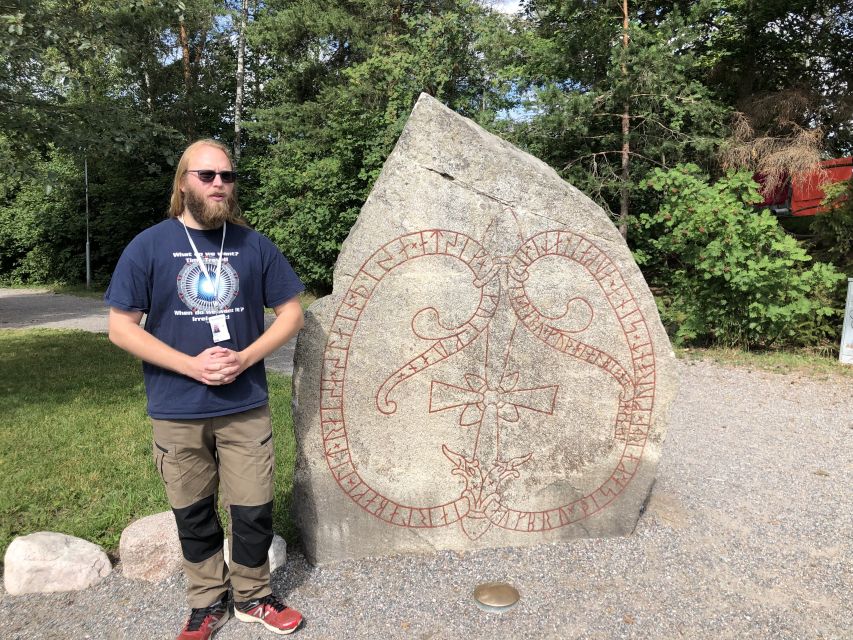
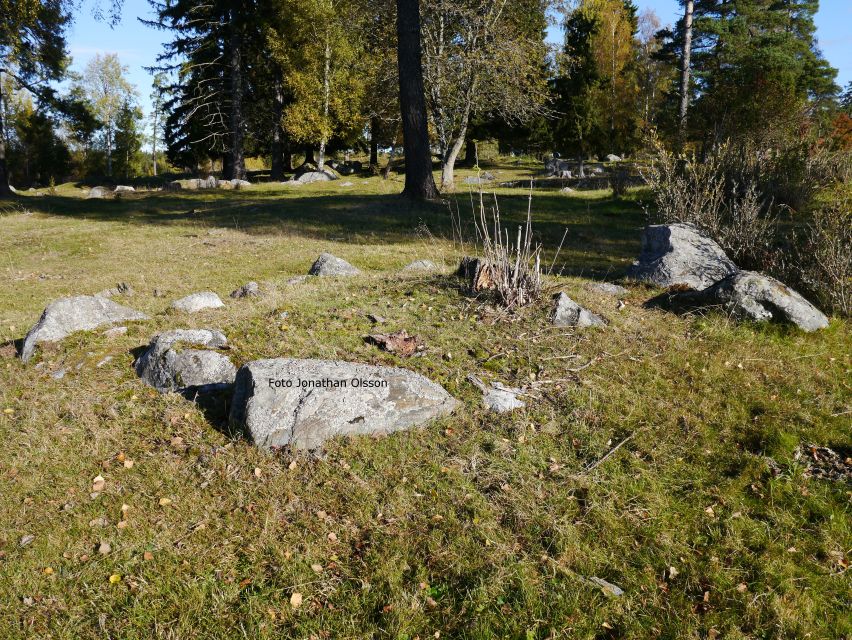
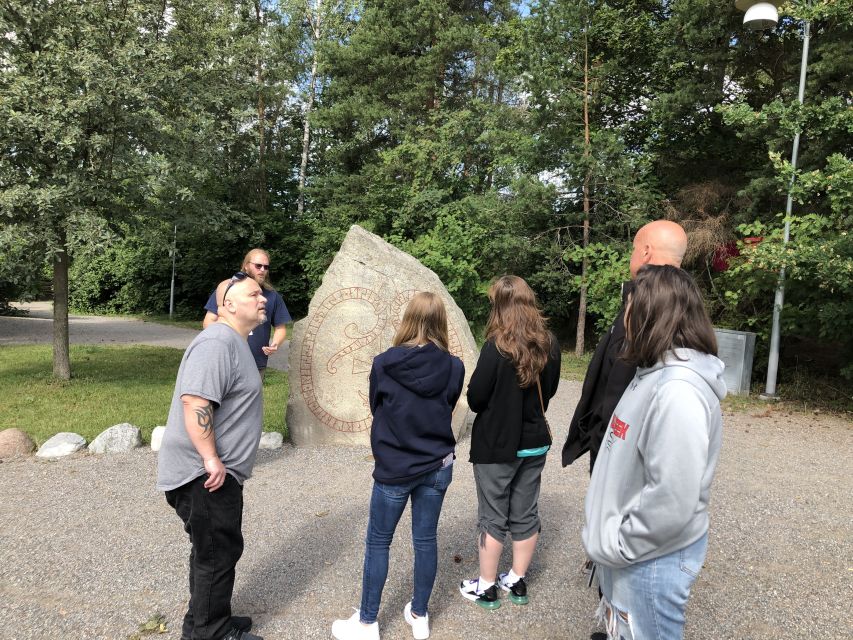
Broby bro (linked with the Jarlabanke Runestones) is the emotional heart of the tour. You stop at a famous burial ground in historic Uppland, and the guide connects what you’re seeing to how Viking communities handled death—where they placed markers, what these stones may have meant, and how memory worked in a world without photos.
This is also where you hear stories of pagan and Christian traditions. The Viking Age didn’t switch from one belief system to another overnight, and the runestones and local burial practices reflect that slow change. You’re not just learning dates. You’re learning what people might have been trying to communicate when they carved names and symbols into stone.
One of the standout story threads is the mighty Viking woman Estrid. The tour uses Estrid to make Viking society feel human—politics, influence, family ties, and the role prominent women could hold. When a guide can make one figure feel real instead of turning her into a name on a timeline, the whole stop clicks.
What to watch for at Broby bro
- You’ll be mostly outdoors, so dress for cold and damp air.
- Expect explanations about burial rites that may feel detailed. If you like facts with a story, you’ll be in your happy place.
Jarlabanke Bridge and the causeway: runes you can almost walk on
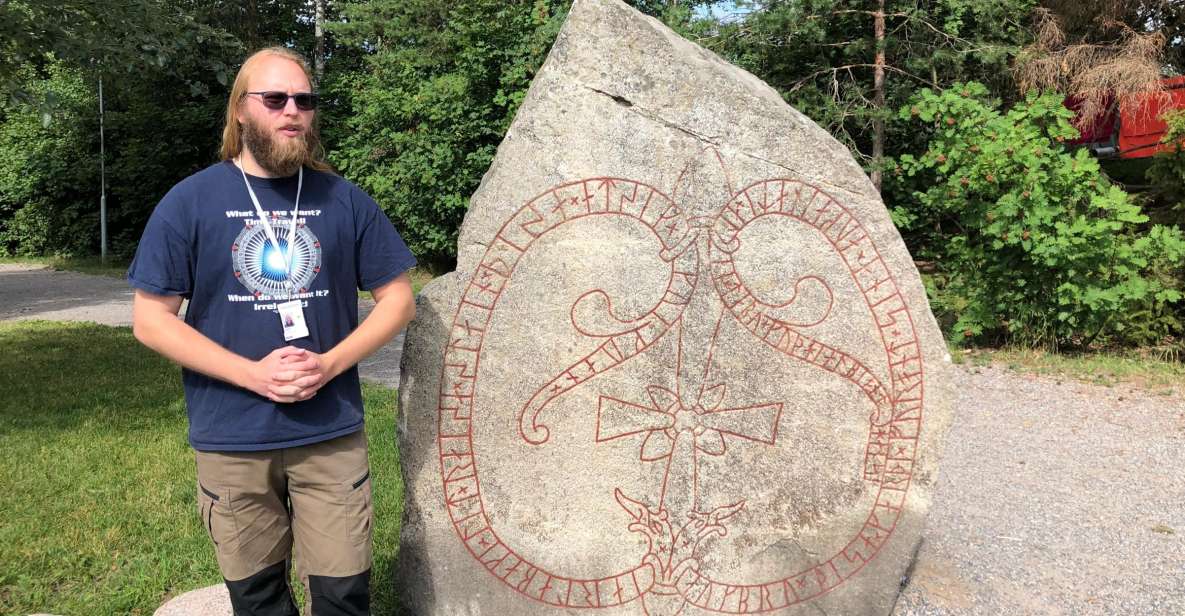
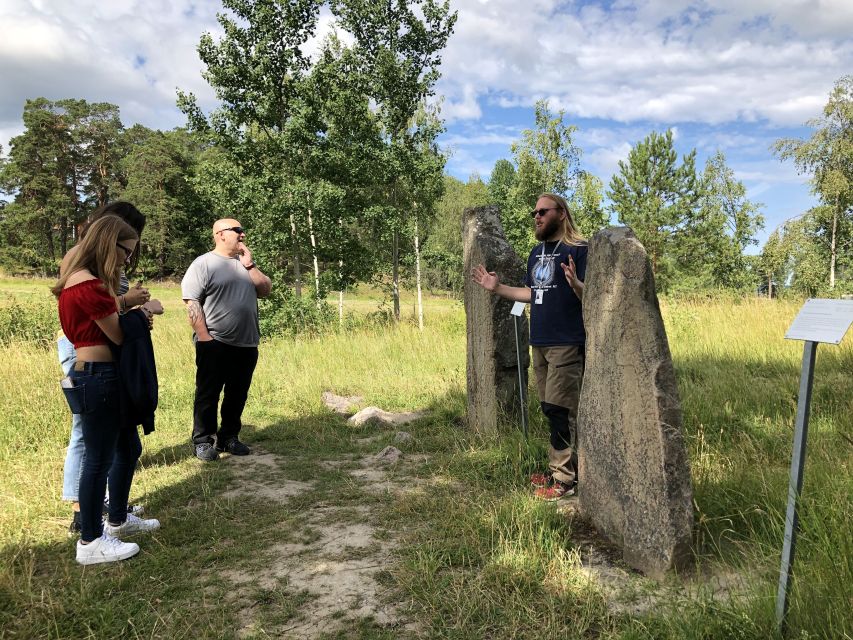
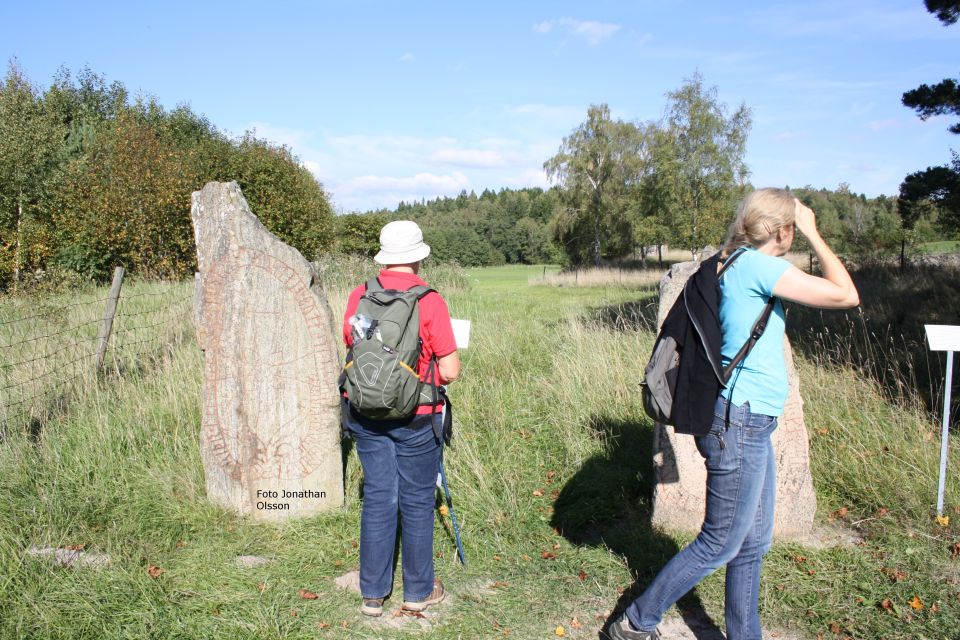
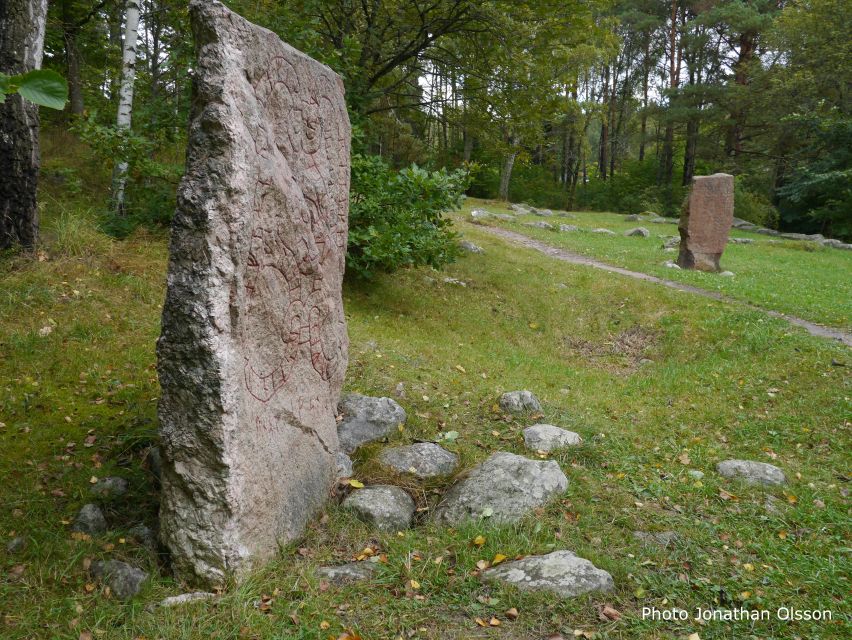
Next you move to the Jarlabanke Bridge area at the entrance to a causeway. This stop shifts from burial and belief to the built world: the places Vikings needed to travel, trade, and connect communities. The tour keeps pointing you back to the runestones and the “raised” stone markers typical of the Viking presence here.
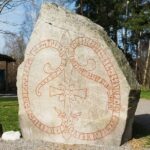
It’s easy to look at a runestone and think, so what. The guide’s job is to make you see what the stones were for—identifying people, commemorating power, and anchoring community memory. Here, you also learn how the Vikings built roads and bridges, and why causeways mattered. In practical terms, it’s about access: getting across wet ground, moving people, and maintaining routes that held a community together.
You also hear the story of Jarlabanke and his clan. That storytelling is more than drama. It helps you connect the names on the stones to a social network—leaders, family lines, and local influence.
A useful mental trick
When you look at the runestones, try treating them like a map legend. Even if you can’t read the markings yourself, the placement and setting tell you what mattered to the people who commissioned them.





Arkils tingstad: the remains of a Viking parliament
Arkils tingstad is where Viking history stops being only about warriors and becomes about governance. You visit the remains of a Viking Age parliament site and learn how society was organized. The tour doesn’t pretend you’ll see a fully intact “building.” Instead, you learn how to recognize the footprint of a political space in the landscape.
That’s a big value point. A lot of Viking material out there is either superhero-style or museum-catalog style. This is neither. It’s about systems: who got a voice, how decisions likely happened, and why gathering mattered for communities stretched across the region.
You’ll leave this stop thinking more clearly about the Vikings as administrators and negotiators, not just fighters. Even if you start out with a pop-culture image in your head, Arkils tingstad has a way of correcting it quickly.
The guide’s style: facts with a story, not a show
Your guide on this tour is live and English-speaking, and the vibe is strongly “history with substance.” The best part is how the guide uses the sites like teaching tools. Instead of treating runestones as photo opportunities, the guide explains context and meaning while you’re standing near the stones.
In one recent run of the tour, the guide was Erik, and the comments about him were consistent: strong knowledge of the Norsemen of the Viking Age, plus helpful Swedish cuisine recommendations after the tour. That’s the kind of practical add-on that makes a short day trip feel like it fits your actual travel rhythm, not just your sightseeing list.
You should also expect a straightforward, no-fuss approach. The tour focuses on real historical locations, not film-style dramatization. If you want Vikings as actors, you won’t get that. If you want Vikings as people with places and power, you will.
Small group size: why 16 people changes everything
With a maximum group size of 16, you get a real sense of movement from site to site. You’re not stuck behind a wall of strangers taking the same picture. You can also ask questions without feeling like you’re slowing a machine down.
This matters most on tours like this where the details can be dense. The Viking world involves names, places, and traditions that connect in layers. A smaller group helps the guide keep the thread straight and lets you slow down when something clicks.
Also, because the tour is short—only 3 hours—every minute has to count. A small group means the schedule stays manageable without turning into a sprint.
Weather, clothing, and timing: the real logistics you should plan for
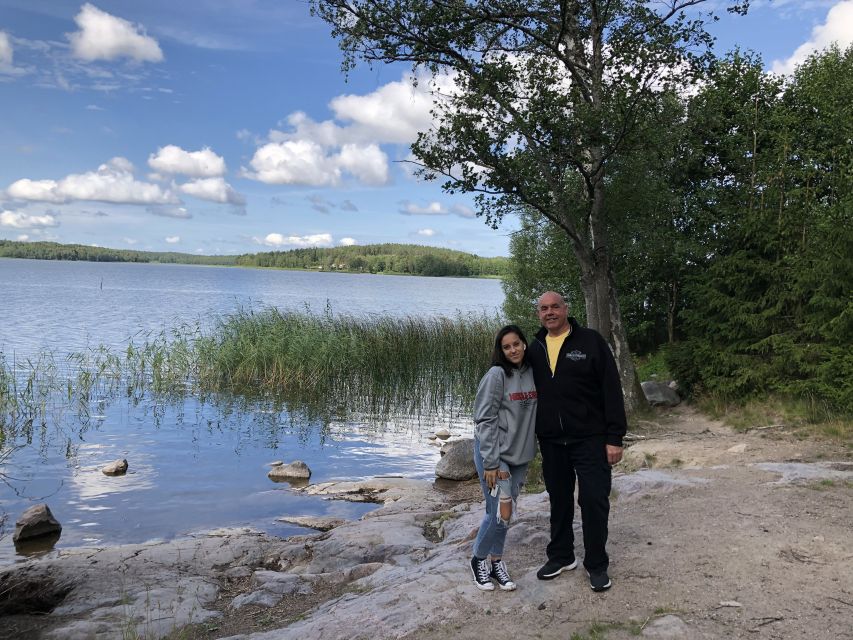
This is an outdoor-heavy experience. Even if you’re only walking between sites, you’re in the Swedish countryside for a good chunk of the time. If you’re traveling in winter, plan carefully. One strong piece of practical advice is to come prepared like it’s real winter, not like it’s a quick stroll. Think warm layers and footwear that won’t betray you on icy patches.
I’d treat this tour like a brisk countryside walk with history stops, not like a sit-down museum hour. If you dress for comfort and warmth, you’ll enjoy the stories more because you won’t be trying to manage cold the whole time.
Food note
Food isn’t included. Since the tour is short, I suggest having a plan before or after—either a quick bite in Stockholm or a proper Swedish meal after you get back.
Price and value: what $138 buys you here
At $138 per person for a 3-hour guided tour, you’re paying for three things:
- Transport from central Stockholm and back
- A live guide who explains the evidence on site
- Access to multiple Viking Age locations tied to the same region and theme
If you tried to do this alone, you’d quickly run into the “time tax”: figuring out how to reach the burial grounds, the bridge/causeway area, and the tingstad site without wasting half your day. When a tour bundles that travel and gives you interpretation at each stop, the price starts to feel less like a splurge and more like buying back your time.
Is it budget-friendly? Not really. But it’s good value for travelers who want a focused, guided overview of Viking Sweden in a limited time window—and who care about authenticity over performance.
Who should book this Viking Culture and Heritage tour
This works especially well for you if:
- You’re in Stockholm for only a day or two and want a fast, meaningful history trip.
- You like runestones, burial sites, and the “how society worked” side of Viking history.
- You want a small group and a guide who can explain details clearly in English.
It may not be the best match if:
- You hate being outdoors in cold weather.
- You’re looking for food included or a long, slow museum-style route.
The sweet spot is a curious traveler who enjoys standing in the place where history happened and learning what it likely meant to the people who left those marks behind.
Should you book this tour?
I’d book it if you want a high-impact Viking experience in a short amount of time. The combination of Broby bro’s burial ground, the Jarlabanke Bridge and causeway runestones, and Arkils tingstad gives you a more complete Viking picture than most single-site visits. Add in hotel pick-up (within 5 kilometers of Stockholm Central Station), small-group size, and a solid English-speaking guide, and it’s a sensible way to see beyond the city.
If you’re unsure, ask yourself one question: do you want Vikings explained through the actual sites and their meaning? If yes, this is an easy “go” from me.
FAQ
How long is the tour?
The tour lasts 3 hours.
What’s the tour price?
The price is listed at $138 per person.
How big is the group?
The tour is a small group with no more than 16 people.
Do I get hotel pick-up and drop-off?
Yes, pick-up and drop-off are included if your hotel or accommodation is within 5 kilometers of Stockholm Central Station.
Is food included?
No, food is not included.
Is the tour guide available in English?
Yes, the live tour guide speaks English.
What Viking sites will I see?
You’ll visit Broby bro (Jarlabanke Runestones), the Jarlabanke Bridge and causeway area with runestones, and the remains of a Viking parliament at Arkils tingstad.
Are all costs included?
Yes, all costs are included.
What if my plans change?
Cancellation is free up to 24 hours in advance for a full refund.