REVIEW · STOCKHOLM
Vasa Museum Guided Tour in Stockholm
Book on Viator →Operated by Scandic Tours · Bookable on Viator
A sinking story, told with great detail. The Vasa Museum guided tour turns Stockholm’s most famous wreck into a clear, story-driven walk, with context you won’t get from signs alone. I especially like how the guide connects the ship’s history to the real work behind finding and recovering it.
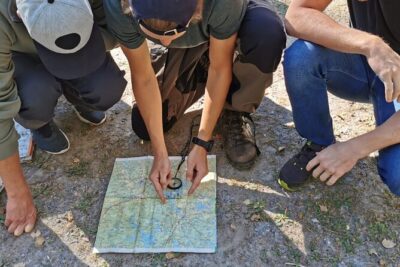
Two things I really like: you get skip-the-line ticket entry included, and the format makes it easy to stay with the group for the full two hours. You’ll also hear specifics that include the 19th-century maps used to locate the ship, plus the engineering behind the salvaging work.
One possible drawback: this is a guided museum tour, not a hands-on workshop. If you’re the type who prefers to read everything at your own pace without any group pacing, you might feel the value depends a lot on how well you click with your guide.
In This Review
- Key Points to Know Before You Go
- Why This Guided Vasa Museum Tour Works Better Than Self-Reading
- Arriving at Vasa Museum: The Easiest Meeting Point in Stockholm
- The Two-Hour Plan Inside One Museum (So You Don’t Wander)
- 19th-Century Maps: The Hunt for the Wreck, Explained Clearly
- Salvage Engineering: How a Wreck Becomes a Story You Can See
- Carvings, Design, and the Big Lesson Behind the Ship’s Fate
- Group Size and Hearing the Guide: What to Expect
- Price and Value: Is $65.12 Worth It?
- Who Should Book This Tour (And Who Might Skip It)
- Small Practical Tips to Make It Smoother
- Should You Book the Vasa Museum Guided Tour?
- FAQ
- How long is the Vasa Museum guided tour?
- What’s included in the tour price?
- Is the tour offered in English?
- Where does the tour start and end?
- What time does the tour start?
- Do I need to bring a printed ticket?
- What’s the maximum group size?
- Is private transportation included?
- Is free cancellation available?
Key Points to Know Before You Go
- Skip-the-line admission is included, so you lose less time at the door.
- You’ll focus on the ship’s story through maps and salvage engineering, not just display labels.
- The tour runs about 2 hours, which is long enough for real context but short enough to fit into a busy day.
- It’s offered in English with a guide leading the way through the museum.
- Group sizes can feel intimate; you may end up with a small-feeling group even though the tour has a maximum capacity.
- It starts and ends back at the Vasa Museum meeting point for an easy loop.
Why This Guided Vasa Museum Tour Works Better Than Self-Reading
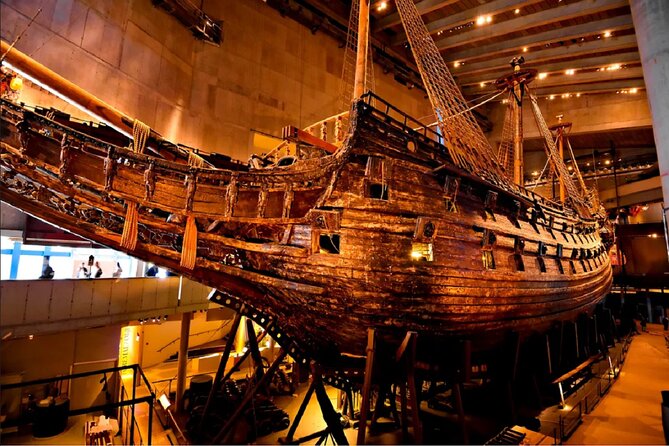
The Vasa Museum can feel like information overload if you go totally on your own. There’s a lot to look at, and it’s easy to miss the threads that tie the story together. This tour gives you those threads fast, with a guide pointing out what matters and why.
I also appreciate the pacing. You’re given about two hours, which is enough time to see the big displays without rushing, but it still keeps your day moving. One review highlighted how the guide managed to keep everyone together and heard clearly, including for people who needed audio help. That kind of care makes a guided museum visit feel smoother instead of stressful.
The other practical win is the skip-the-line ticket entry. In a museum that draws serious crowds, saving time at the start can make the whole day feel lighter.
You can also read our reviews of more guided tours in Stockholm


Arriving at Vasa Museum: The Easiest Meeting Point in Stockholm
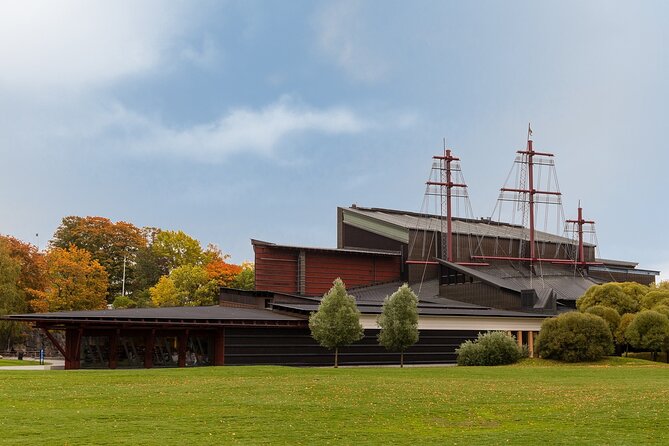
This tour begins at Vasa Museum, Galärvarvsvägen 14, 115 21 Stockholm and ends back at the same spot. That matters more than it sounds. You don’t need to figure out where you’re going next, or worry about train timing after the tour.
Start time is 10:00 am, so I’d treat that as your anchor. If you’re the kind of traveler who likes to settle in, arrive early enough to get your phone ready for the mobile ticket and take a minute to orient yourself inside the museum entrance area.
The meeting location is also near public transportation, which is ideal if you’re doing the rest of your Stockholm sightseeing by foot and transit. And since the tour is offered in English, you can relax knowing the guide will be speaking at a pace you can follow without guessing.
The Two-Hour Plan Inside One Museum (So You Don’t Wander)

Even though there’s only one stop, the guided content is built to walk you through the story in a logical order. You start at the museum, then the guide leads you from display to display, focusing on the narrative: how the ship was located and recovered, and what it tells you about the engineering behind the project.
In reviews, guides like Caoimhe, Pedro, Ben, Daniela, and others are singled out for keeping the tour organized and answering questions. That’s a good sign for two reasons:
1) You’ll get context without needing to hunt for it yourself.
2) If something catches your attention, the guide can usually connect it back to the bigger story.
So what does that feel like in real time? Expect the guide to explain what you’re looking at, then connect it to the ship’s history and the recovery process. You’ll spend time on the exhibits tied to the hunt for the wreck and what it took to salvage it.
19th-Century Maps: The Hunt for the Wreck, Explained Clearly
One of the most specific parts of this tour is the focus on the 19th-century maps used to locate the Vasa. That’s the kind of detail that turns a cool museum display into a real story.
Here’s why it’s valuable: maps are where history becomes practical. They show how people tried to solve a physical problem with the tools they had at the time. When a guide explains how those maps fit into the bigger search and recovery effort, you stop seeing the museum as static objects and start seeing it as a chain of decisions.
If you like travel days where you learn something concrete (not just facts floating around in your head), this map focus is a great match. It’s also a nice way to break up the experience visually, since maps and navigational material can be easier to process than a room full of artifacts.
Salvage Engineering: How a Wreck Becomes a Story You Can See
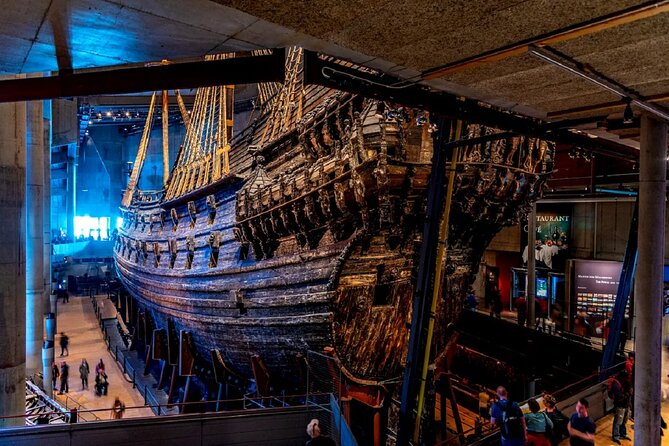
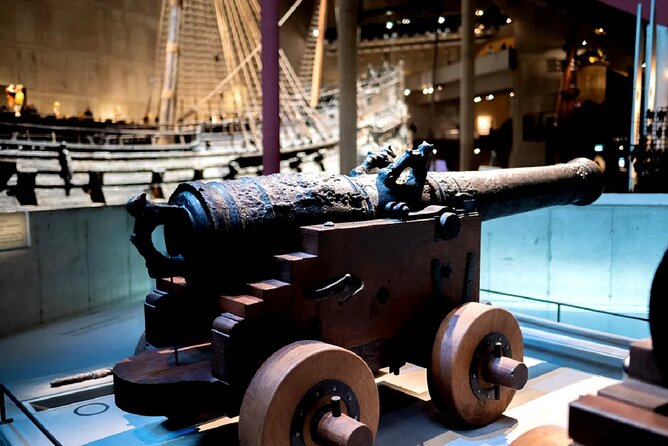
The tour doesn’t just point at the ship and say, look at this. It also covers the engineering involved in salvaging the wreck. That’s an important shift in how you experience the museum.
Instead of treating the recovery as an abstract miracle, you get the sense of problem-solving. People had to deal with physical challenges, and the process took real technical work. A good guide helps you understand what kinds of obstacles had to be addressed, so the exhibits feel like outcomes of engineering choices.
In reviews, guides were praised for being thorough and for answering questions willingly. When that happens, you can ask follow-ups like how recovery work changes what you can observe today. If you’re the kind of person who likes to understand the why behind what you’re looking at, this portion tends to land well.
You can also read our reviews of more museum experiences in Stockholm






Carvings, Design, and the Big Lesson Behind the Ship’s Fate
The Vasa story includes a dramatic outcome, and you’ll see displays that highlight detailed craftsmanship. One review specifically called out the intricate carvings and noted the tragic result tied to the ship’s design. Even with no technical background, the tour helps you connect design choices with consequences.
This is where a guide earns their fee. Left alone, it’s easy to admire details without understanding the cause-and-effect. With a guide, you get the framing that makes the whole exhibit feel like one coherent narrative, including the parts that are tough to hear.
If you’re visiting with kids or teens, the design-and-consequence angle can also work well. It’s story-driven and visual: you look, you learn, and the drama of the outcome keeps attention.
Group Size and Hearing the Guide: What to Expect
This tour has a maximum of 96 travelers, but that doesn’t automatically mean it feels huge. One review mentioned a group size around 10–15, and that smaller feel is exactly what makes guided museum tours enjoyable. In a group like that, you can ask questions without feeling like you’re shouting over a crowd, and you can keep up with where the guide is leading.
A plus you should look for on the day: clear logistics and group control. In one account, the guide made sure everyone stayed together and even used a simple text-based way to help people find the meeting point, including sending a photo and using a pin. That kind of practical support matters, especially if you’re meeting up in a busy museum area.
So if you’re someone who hates getting lost, this style of tour can feel like a steady hand guiding you through.
Price and Value: Is $65.12 Worth It?
At $65.12 per person for about two hours, you’re paying for three things:
- a guided explanation (not just admission),
- skip-the-line entry,
- and an English-speaking leader who ties exhibits together.
If you were paying entry alone, you’d still have a museum visit. But you might miss the connecting story—especially the parts tied to maps and salvage engineering, which are the kind of content that benefits from a human guide.
I think the price makes more sense if you care about context. If you love learning how things worked, and you’d rather spend your time understanding than reading every label, you’ll likely feel like it’s a strong deal. If you’re happy letting the museum do all the talking while you roam freely, then the guide may feel less valuable.
Also, note that it’s booked fairly ahead on average (around 26 days in advance). That’s usually a sign the time slot is popular, and paying for a guided experience at a convenient time can help you lock in a plan instead of juggling schedules.
Who Should Book This Tour (And Who Might Skip It)
Book this guided Vasa Museum tour if you:
- want skip-the-line convenience,
- prefer guidance that turns exhibits into a story,
- like practical historical details like how recovery and mapping played a role,
- and would enjoy a question-friendly walk through the museum.
You might reconsider if you:
- prefer total independence and reading at your own pace,
- don’t like group pacing or audio guidance,
- or expect the guide to add more than the museum already provides. One review suggested that the value didn’t feel strong enough for that person, especially when guide narration overlapped with labels instead of going beyond them.
Small Practical Tips to Make It Smoother
- Arrive a bit early for the 10:00 am start, so the first minutes aren’t frantic.
- Plan for your full attention span. Two hours goes by quickly, especially if you start asking questions.
- Wear comfortable shoes. You’ll be walking inside the museum for the full guided session.
- If you’re worried about hearing, don’t stay quiet. Reviews mention guides taking care to make sure everyone could hear and participate, including seniors.
Should You Book the Vasa Museum Guided Tour?
I’d book it if you want the museum to make sense fast. The tour’s big strength is how it connects 19th-century maps and salvage engineering to what you see, which is exactly the kind of context that helps the Vasa story stick. Add in skip-the-line entry and an English guide, and the value feels solid for most visitors.
If you’re the kind of traveler who only needs a quick look, go at your own pace instead. But if you like understanding the why behind the artifacts, this guided format is the better play.
And if you can, book ahead. With demand and a popular start time, you’ll get better odds of picking the day that fits your Stockholm plan.
FAQ
How long is the Vasa Museum guided tour?
It runs for about 2 hours.
What’s included in the tour price?
The price includes a Vasa museum guided tour and a skip-the-line ticket entry.
Is the tour offered in English?
Yes, it’s offered in English.
Where does the tour start and end?
It starts at Vasa Museum, Galärvarvsvägen 14, 115 21 Stockholm, and ends back at the same meeting point.
What time does the tour start?
The start time listed is 10:00 am.
Do I need to bring a printed ticket?
No. You’ll get a mobile ticket.
What’s the maximum group size?
The tour has a maximum of 96 travelers.
Is private transportation included?
No. Private transportation is not included.
Is free cancellation available?
Yes, you can cancel for a full refund up to 24 hours before the experience starts.