REVIEW · STOCKHOLM
Stockholm: Sigtuna and Uppsala Viking History Day Tour
Book on GetYourGuide →Operated by STOCKHOLM EXCURSIONS · Bookable on GetYourGuide
Runes and Viking power in one long day. I love the Jarlabanke Runestones and the walk through Sigtuna’s cobblestone streets, because they make Viking Sweden feel close and readable. The one real catch is the pace: with an 8.5-hour route and multiple short stops, you’ll want comfortable shoes and a calm attitude about moving from site to site.
This tour is a smart way to cover Stockholm County without renting a car. You get hotel pickup from central areas, a live English guide, and transportation so you can focus on the story. Guides like Urban have been praised for answering questions and keeping the narrative going without rushing.
One more note: it’s not a museum-only day. Expect churches, towns, and scenic walks mixed with runestones and Viking-era landmarks, so bring curiosity for early Swedish life across centuries.
In This Review
- Key Viking Stops That Make This Tour Feel Complete
- Setting the Tone: A Viking Sweden Day Trip (Not Just Sagas)
- Jarlabanke Bridge: Where the Runes Feel Like Local Power
- Arkils Tingstad: Viking Governance You Can Walk Through
- Vallentuna Church: The Shift from Viking Age to Christian Sweden
- Granby and the Viking House Foundations: Runes and Real Daily Life
- Sigtuna: Cobblestones, Church Ruins, and Time to Wander
- Uppsala Cathedral and Royal Mounds of Gamla Uppsala
- Price and Value: Is $255 Worth It?
- Pacing, Transportation, and What to Bring
- Who This Tour Fits Best (And Who Might Want a Different One)
- Should You Book This Stockholm to Sigtuna and Uppsala Viking Day Tour?
- FAQ
- How long is the Viking History Day Tour?
- Is hotel pickup and drop-off included?
- What language is the guide?
- Are meals included in the price?
- What Viking-related sites are visited?
- What should I bring?
- Are pets and large bags allowed?
- What’s the cancellation policy?
Key Viking Stops That Make This Tour Feel Complete
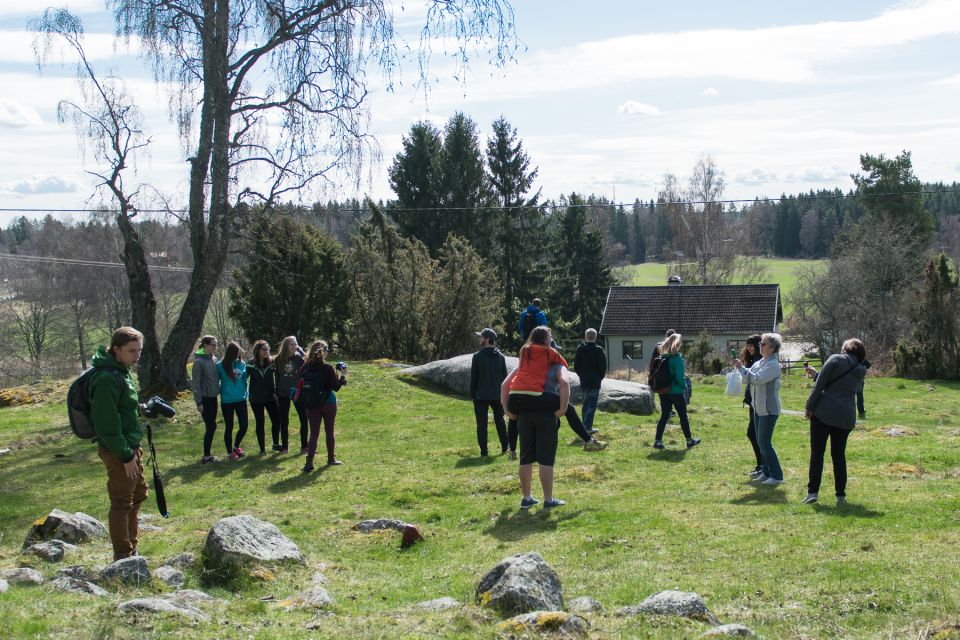
- Jarlabanke Bridge runestones: 11th-century messages tied to a real leader and family power
- Arkils Tingstad assembly site: Viking-era governance, disputes, and law-making in an outdoor setting
- Vallentuna Church: a hands-on lesson in Sweden’s Christianization across architectural styles
- Granby Stone and Viking house foundations: runic text plus a physical sense of daily life
- Sigtuna, Sweden’s oldest town: church ruins, cobblestones, and time for browsing and photos
- Uppsala and Gamla Uppsala mounds: royal burial mounds linked to legendary kings
Setting the Tone: A Viking Sweden Day Trip (Not Just Sagas)
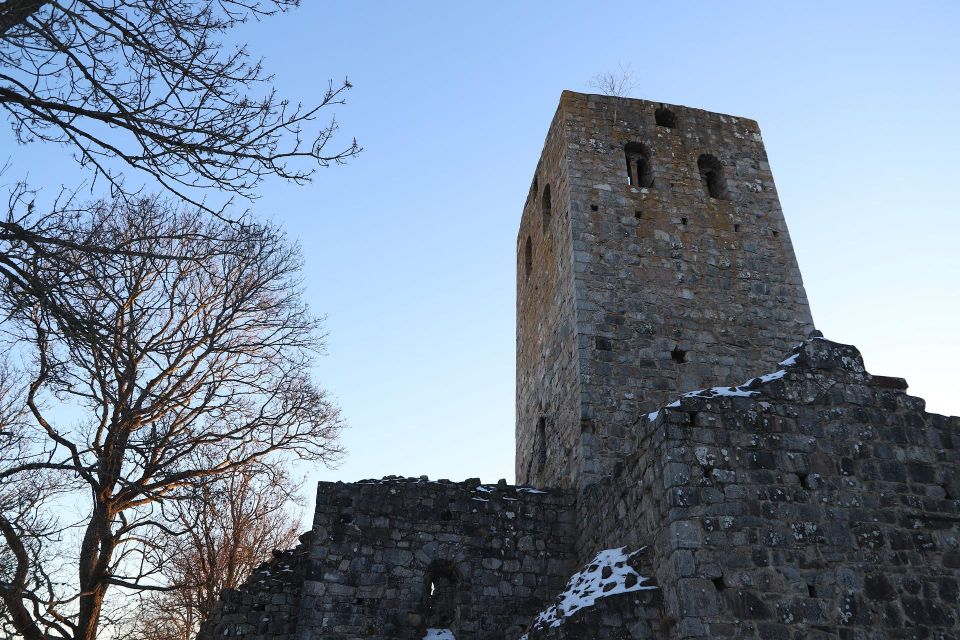
This tour connects several “layers” of the past. You’re not only looking at Viking artifacts; you’re moving through places that show how society functioned—power, law, religion, and everyday life. That matters because Vikings in Sweden weren’t one single moment. The 11th century overlaps with Christianization, shifting politics, and the growth of towns.
The route also makes practical sense. Instead of cramming one long museum visit into the day, you get a sequence of outdoor stops and short guided walks. It’s ideal if you want to see a lot, learn the meaning behind it, and still have time to get photos, stretch, and breathe.
At the same time, the time is limited at each site. If you’re hoping for one location where you can slow-walk every detail for an hour, this may feel a bit brisk. The trade-off is variety, and it’s a good trade for most people.
You can also read our reviews of more historical tours in Stockholm


Jarlabanke Bridge: Where the Runes Feel Like Local Power
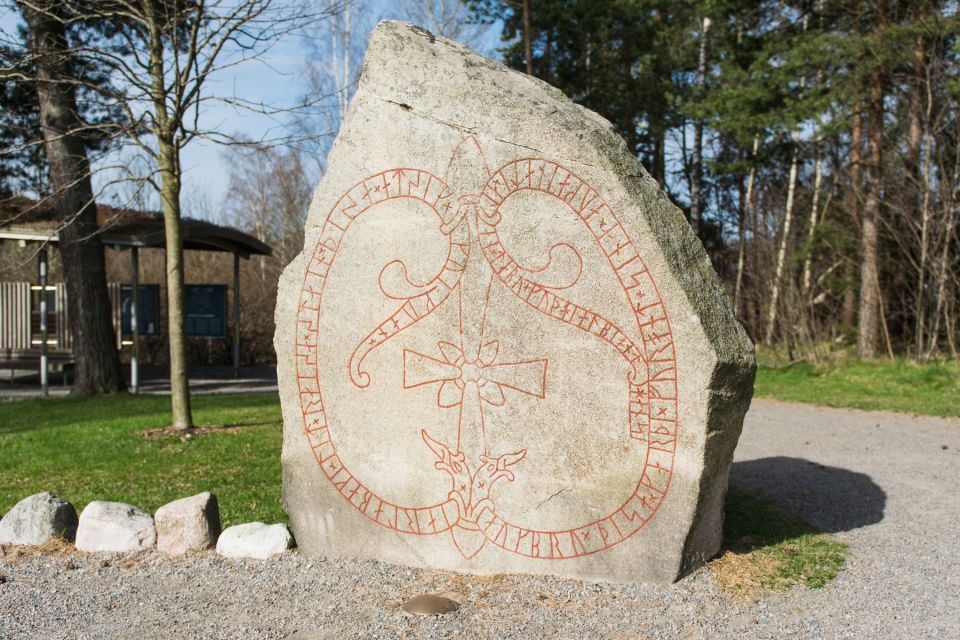
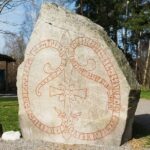
Jarlabanke Bridge is one of those stops that clicks instantly. It’s named for a chieftain, and the bridge area is decorated with runestones that date back to the 11th century. Even with a short visit, you get the feeling that you’re standing near a message sent to people back when the political world looked very different.
This is the kind of place where the guide’s explanation changes everything. A runestone isn’t just a carved rock. It’s a public statement—about family, status, and who held influence. When you hear the story tied to the leader Jarlabanke, the runes stop being decorative and start reading like history you can point to.
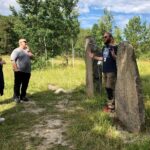
Plan for a photo stop plus a guided look. With only about 30 minutes, you won’t memorize every inscription. But you can get oriented: what the runes say, why they were placed here, and how the bridge fits into the wider network of sites on this route.
Arkils Tingstad: Viking Governance You Can Walk Through
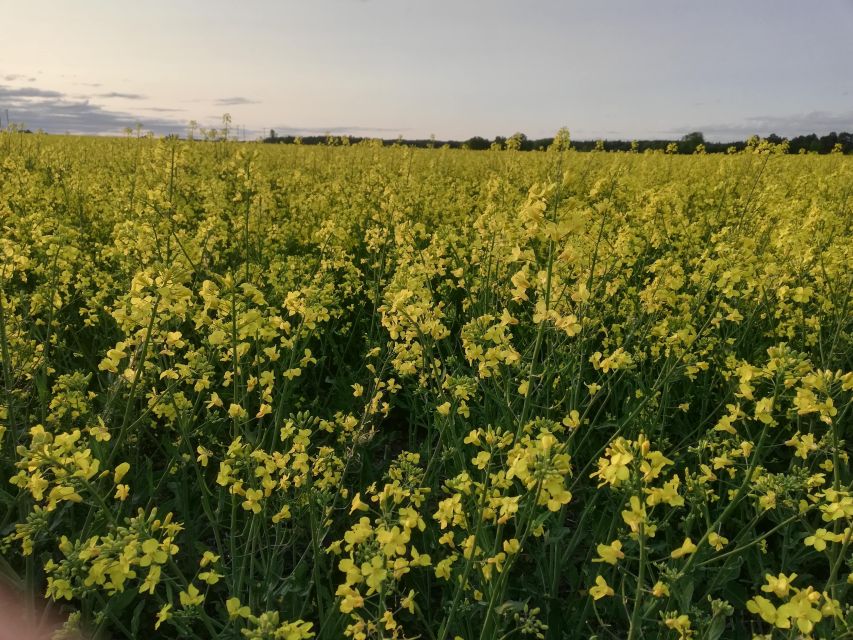
If you’ve ever wondered what Viking communities actually did beyond raids and trading, Arkils Tingstad answers that. This is an assembly site where disputes were resolved, decisions were made, and laws were enacted. In other words, it shows the civic side of Viking-era life.
What makes this stop satisfying is the location itself. You’re not reading about governance in a textbook. You’re standing in an outdoor setting where the idea of shared decision-making makes sense. Even if the modern surroundings are different, the concept lands fast: people gathered, argued, and settled matters together.
This stop includes both a photo pause and guided time (about 30 minutes). Take it as a prompt to listen for details: how leadership worked at the community level, what an assembly meant socially, and why law and reputation were connected in early Scandinavian culture.
Vallentuna Church: The Shift from Viking Age to Christian Sweden
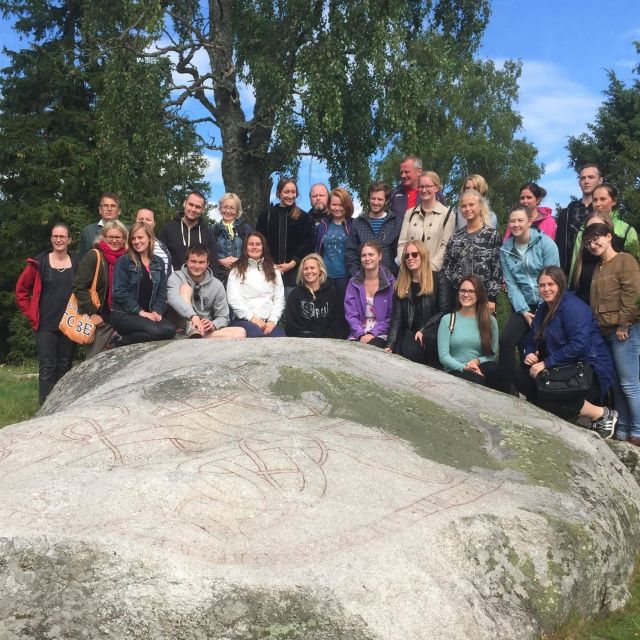
After the Viking-era assembly stop, Vallentuna Church adds a different kind of evidence. This 12th-century church blends Romanesque, Gothic, and Baroque styles, which is a reminder that Sweden’s religious transformation was not instant. Change happened over time, and buildings often carry traces of that long transition.
The guide’s storytelling here is especially useful because it ties the architecture to the bigger timeline. You’ll learn about the end of the Viking age and Sweden’s Christianization—less as an abstract date, more as a real shift in beliefs and institutions.
You’ll also appreciate the pacing. With a short guided visit (about 20 minutes), this stop stays focused. You get enough time to understand what you’re seeing and why it matters, without burning your whole energy on a single building.
Granby and the Viking House Foundations: Runes and Real Daily Life
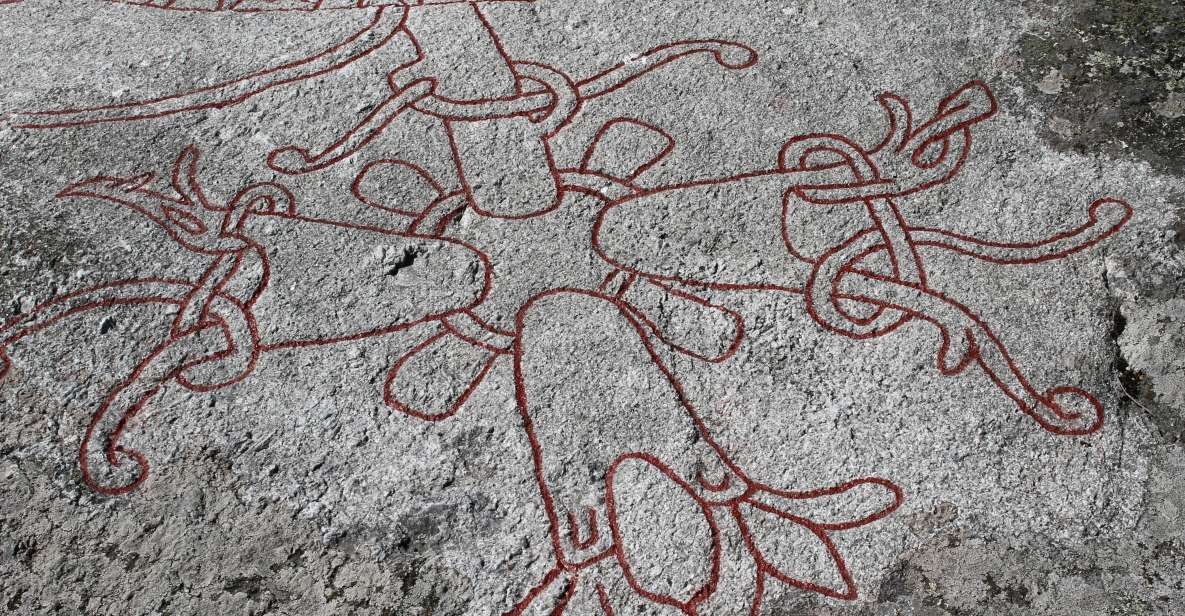
This portion of the day tends to be the most hands-on. You’ll start with Orkesta-Granby time for a break and coffee, and then move into two key experiences: the Granby Stone and the best-preserved Viking house foundations at Granby.
The Granby Stone is notable for one reason: it has a detailed Viking text. Runestones can vary a lot in what they record, so a stone with a longer message gives you more to work with. The guide’s job is to help you make sense of the inscriptions rather than treating them as mysterious scratches.
Then you shift from writing to living. Walking among preserved house foundations changes your sense of Viking life. Suddenly you’re not just imagining a longhouse from a photo. You’re seeing the shape of a space where people ate, slept, worked, and gathered. It’s one of the best bridges between Viking legends and ordinary routines.
This stop also includes time for shopping at Granby Farm, with Viking-themed souvenirs and local crafts. If you like bringing home something that feels connected to the place you visited, this is a good moment to browse.





Sigtuna: Cobblestones, Church Ruins, and Time to Wander
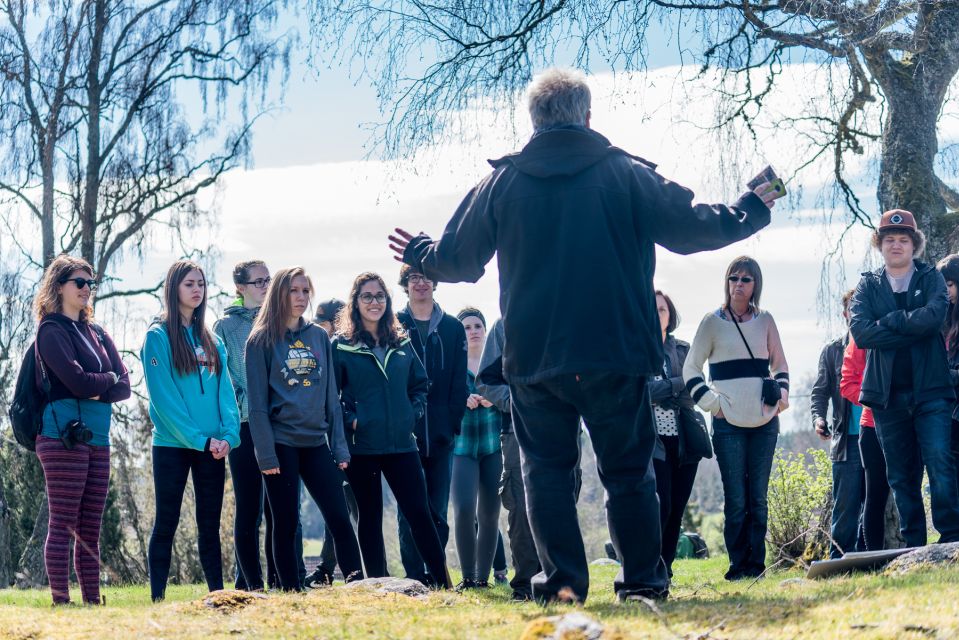
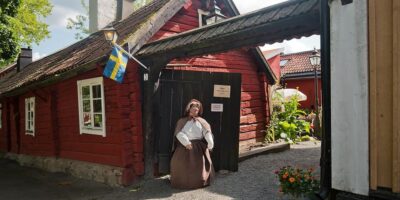
Sigtuna is the emotional payoff for many people on this tour. It’s Sweden’s oldest town, traditionally founded in AD 980, and the streets have that slow-history feel you can’t fake. Expect cobblestones, lakeside atmosphere, and a sense that the town’s early identity still matters.
You’ll get time for both guided highlights and free wandering (about 1.5 hours total). The guided parts focus on key landmarks like St. Mary’s Church and the town hall area, plus the ruins you can visit as part of the story of early urban life.
What I like about this segment is the balance. You get structure from the guide, then you can follow your own instincts—whether that means lingering near the water, checking out the Sigtuna Museum if it’s part of your route, or just taking photos and letting the town do its job.
This is also where you can pick up a few Viking-related items. The tour includes a fika/provision-shop stop earlier at Hökeriet (at Granby Farm), and in Sigtuna you’ll typically have time for shopping and personal favorites.
Uppsala Cathedral and Royal Mounds of Gamla Uppsala
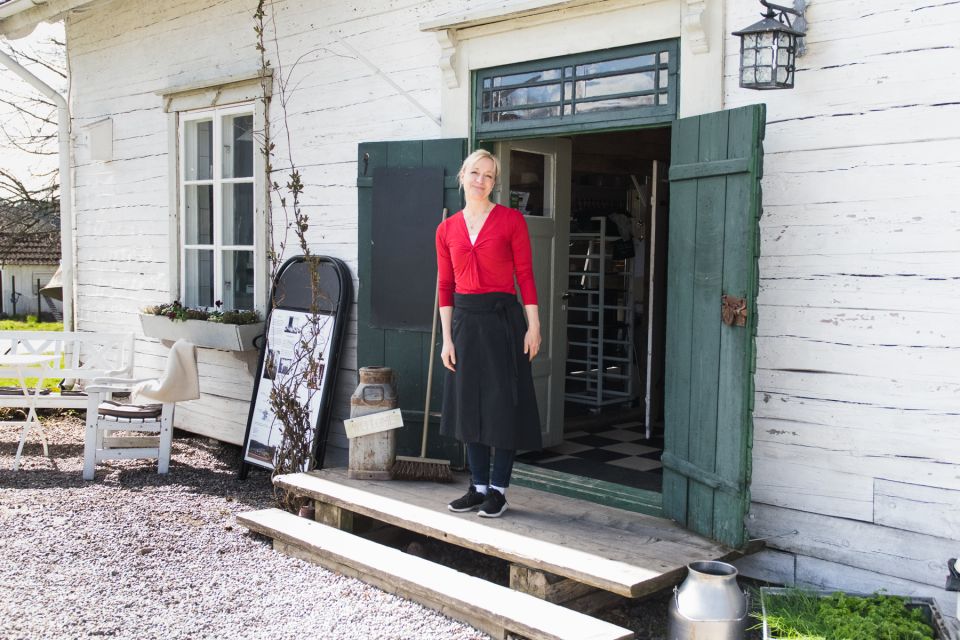
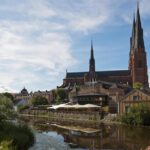
Uppsala brings a different mood: it’s where history and academia overlap, and the city feels more built-up than Sigtuna. As you pass the Uppsala Cathedral, you also get views of the botanical gardens, historic university buildings, and Uppsala Castle area. Even from a vehicle or a quick guided walk, the overall sense is that this is a living cultural center, not only an old-time stop.
The guided time in Uppsala helps you connect the dots. You’re not just seeing iconic buildings; you’re learning how different eras layered on top of each other. That context makes the next highlight feel more meaningful.
Then comes Gamla Uppsala, where you visit the Royal Mounds of three burial mounds dating back to the 6th and 7th centuries. They’re traditionally linked to legendary Swedish kings. Standing near these mounds is one of those moments where the story feels half-legend and half-structure. The guide’s job is to show you what’s known, what’s tradition, and why people keep returning to these sites as symbols of early power.
You spend about 1.5 hours around the Uppsala area on this day, so don’t expect a deep, slow walk through every corner. Instead, think of it as a strong historical finish: governance and runes earlier, royal memory at the end.
Price and Value: Is $255 Worth It?
At $255 per person for an 8.5-hour guided day, you’re paying for three main things: transportation with pickup/drop-off, a live English guide, and access to multiple sites that would be annoying to string together on your own.
Doing it solo could be cheaper, but it usually gets complicated fast:
- You need reliable transit between scattered locations around Stockholm County.
- You’ll have to do the research yourself to understand why each runestone, church, or assembly site matters.
- You’d likely spend more time planning than walking.
This tour tries to solve that. You show up, you get taken around, and the guide helps you translate what you’re seeing—especially with runestones, where reading context is half the point. That’s why the guide quality matters so much. In particular, a guide named Urban has been praised for clear storytelling, patience, and keeping the group moving without losing the narrative thread.
The value also depends on your expectations. If you want pure Viking battle archaeology only, this route may feel broader, because it includes churches and early town life. But if you want the real Viking-to-Christian Sweden transition—power, law, and daily life—this pricing starts to make sense.
Pacing, Transportation, and What to Bring
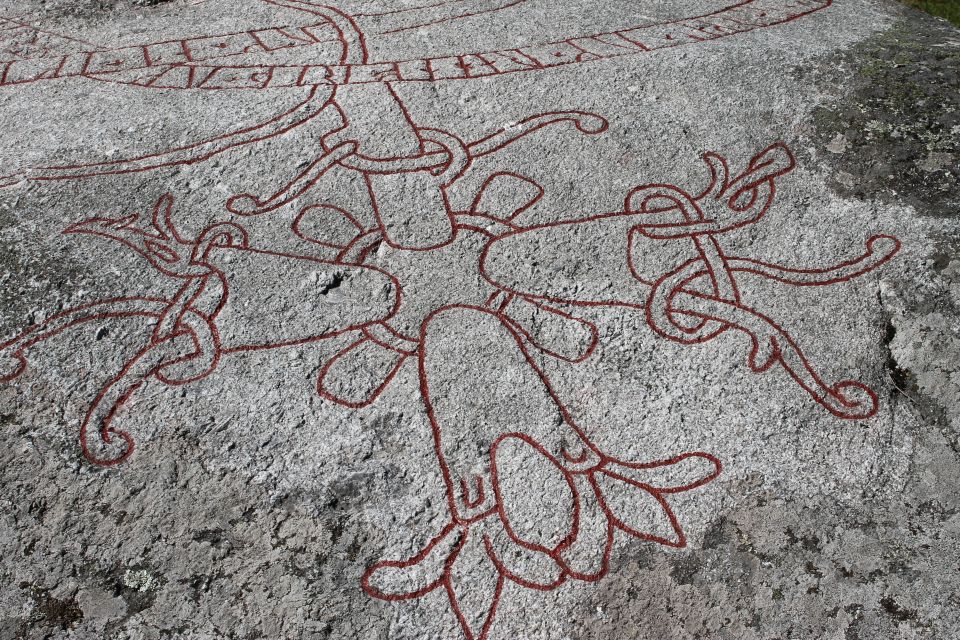
This is a van-based route with multiple short stops. The “feel” is a day of guided moments rather than one long hike or one long museum. There are several transfers, including a drive into Sigtuna and then continuing toward Uppsala.
That pacing affects what to bring:
- Comfortable shoes are a must. You’ll walk around runestone areas, town streets, and historical grounds.
- Leave luggage and large bags at home. Pets aren’t allowed either.
- Meals and drinks are not included, so plan for light snacking on your own. The day includes fika/coffee time, but don’t count on that being a full meal.
Also, keep a simple mental checklist: water, sun protection if it’s bright, and an energy buffer (a small snack). These are small things that help you enjoy the runes and not just survive the transfers.
Who This Tour Fits Best (And Who Might Want a Different One)
I think this tour is a strong match if you like:
- Runestones and inscriptions and want help reading what they mean
- Viking-era society beyond raids, especially assemblies and law
- A one-day sweep through Stockholm County that includes both towns and historical sites
- A mix of guided context plus time to wander on your own in Sigtuna
It may not be the best fit if your top priority is spending long hours at only Viking-focused sites. This day includes churches and early Swedish town remnants, which is valuable context—but it’s not a single-theme Viking-only experience.
Language is English, and the guide is live. One thing to expect: accents and phrasing can vary, so if you’re sensitive to fast spoken explanation, you’ll get more out of it by staying present and asking questions.
Should You Book This Stockholm to Sigtuna and Uppsala Viking Day Tour?
Book it if you want a practical, guided way to connect the Viking story across geography—runestones, law, Christian-era change, a historic town, and royal burial mounds—without losing half your day to logistics. The best reason to choose it is simple: the guide helps you translate the symbols. Without that context, runestones and assembly sites can feel like pretty stops. With it, they start making sense fast.
Skip it or consider another option if you only want heavy Viking archaeology and nothing else. Think of this day as Viking Sweden in motion, not one sealed “Viking-only” time capsule.
If you go in expecting a lively 8.5-hour circuit with short guided moments and some free wandering in Sigtuna, you’ll likely end the day feeling like you understand the places, not just photographed them.
FAQ
How long is the Viking History Day Tour?
The tour lasts 8.5 hours.
Is hotel pickup and drop-off included?
Yes. Pickup and drop-off are included, and pickup is possible from accommodations in central Stockholm.
What language is the guide?
The tour is guided in English.
Are meals included in the price?
Meals and drinks are not included. You’ll have break time and fika/coffee opportunities during the day, but you should plan for your own food.
What Viking-related sites are visited?
You’ll visit places tied to Viking-era culture and governance, including Jarlabanke Bridge with runestones, Arkils Tingstad (a Viking assembly site), and Granby areas with the Granby Stone and Viking house foundations, plus Sigtuna and Uppsala/Gamla Uppsala.
What should I bring?
Bring comfortable shoes. You’ll be walking around historical sites and town areas.
Are pets and large bags allowed?
Pets are not allowed, and luggage or large bags are not allowed.
What’s the cancellation policy?
Free cancellation is available up to 24 hours in advance for a full refund.