REVIEW · STOCKHOLM
Classic Stockholm Small Group Walking Tour | 3 Hours
Book on Viator →Operated by Adding:tours · Bookable on Viator
Walk Stockholm’s story in three hours. I like how this small-group route knits together Södermalmstorg, Slussen, and Old Town, then finishes near Stockholm City Hall, with the guide keeping everything practical and easy to follow.
I love the on-the-go answering and the way guides like Kenneth and Rachel share personal stories that make landmarks feel lived-in, not just listed. One thing to consider: you’ll walk over uneven cobblestones and tackle the steep climb with 36 steps at Mårten Trotzigs Gränd.
You also should know the tour is mostly an outdoor history walk. You’ll see key buildings, statues, and squares up close, but you’re not going inside museums or attractions on this route.
In This Review
- Key Things That Make This Tour Worth It
- Meeting at Södermalmstorg: Start Where the City Museum Points You In
- Slussen: The Lock That Helped Shape Stockholm’s Growth
- Järntorget: Iron Square, Banking, and a Poet in the Mix
- Mårten Trotzigs Gränd: 36 Steps Into a Narrow Old Stockholm Lane
- German Church Roots at S:ta Gertrud (Tyska kyrkan)
- Rune Stone U 53: Viking Links in Plain Sight
- Stortorget and the Stock Exchange Area: Old Square to Modern Icons
- Saint George and the Dragon at Storkyrkan: Medieval Symbolism, Not Just a Statue
- Jarnpojken: The Iron Boy and the Small Rituals That Keep Stories Alive
- Finnish Church (Finska kyrkan): A Place That Adapted to Change
- The Royal Palace Exteriors: Statues You’ll Finally Know by Name
- Riddarholmen to Riddarhuset: From Grey Friars to Noble Traditions
- Bonde Palace and the Supreme Court: Justice as Architecture
- Parliament Building (Riksdagshuset): How Democracy Shapes the City
- Rosenbad: The Government Seat You Can Feel in the Streets
- Stockholm City Hall Finish: Where the Nobel Banquet Happens
- Price and Value: What $66.52 Buys You in Real Terms
- Footwear, Stamina, and When This Walk Fits Best
- Should You Book This Stockholm Walking Tour?
- FAQ
- Where do I meet for the tour?
- How long is the Classic Stockholm Small Group Walking Tour?
- What language is the tour offered in?
- Are museum or attraction entry fees included?
- Is the tour physically demanding?
- Can I get a refund if I cancel?
Key Things That Make This Tour Worth It

- Slussen to Gamla Stan in one smooth arc: you cover the bridge between neighborhoods and history without rushing.
- Guides who answer questions right when you think of them: no waiting until the end.
- Architecture + street-level details: German churches, a Viking rune stone, medieval sculpture, and palace exteriors.
- Comfortable but active pacing: about 3 hours with real walking, including stairs.
- Local food leads after you finish: the guides share what to eat and where, based on what you like.
- A strong finish at City Hall: easy to plan your next stop right after the walk ends.
Meeting at Södermalmstorg: Start Where the City Museum Points You In
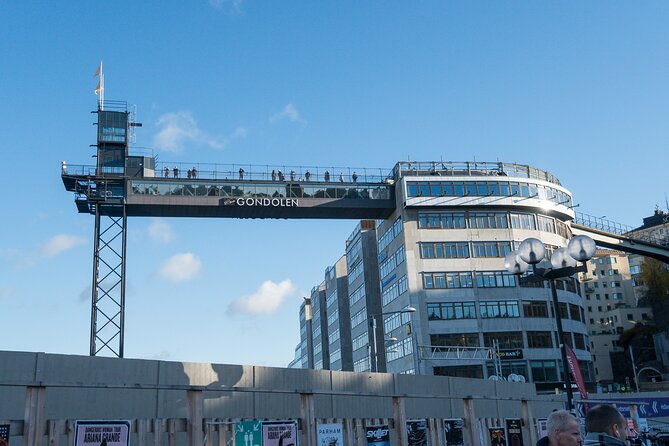
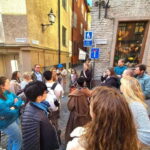
The tour begins at Södermalmstorg, at the east entrance of Stockholm City Museum (Stockholms Stadsmuseum). If you’re arriving by transit, this is a good first-day setup because you’re starting in an area that’s easy to reach and easy to orient from. You’ll also get a message ahead of time with clear directions, plus a phone number to contact if you’re stuck finding the meeting point or the guide.
What I like here is that the guide doesn’t start with a long lecture. You begin with small, useful orientation: how Stockholm’s neighborhoods relate to each other and how today’s streets connect to older city life. You’re primed for what comes next, especially the shift from the Södermalm-side viewpoints toward the Old Town core.
Practical tip: If you’re sensitive to walking speed, this is the moment to mention it. Several reviews highlight how guides adjust to the group, not the other way around. That matters for a route that mixes wide squares with tighter lanes.
You can also read our reviews of more walking tours in Stockholm

Slussen: The Lock That Helped Shape Stockholm’s Growth
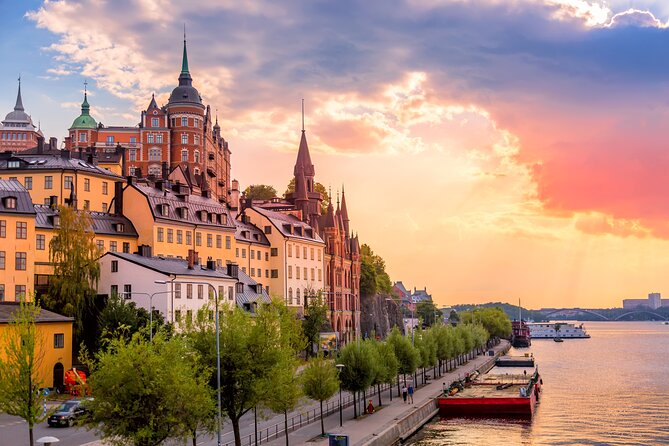
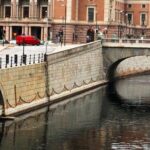
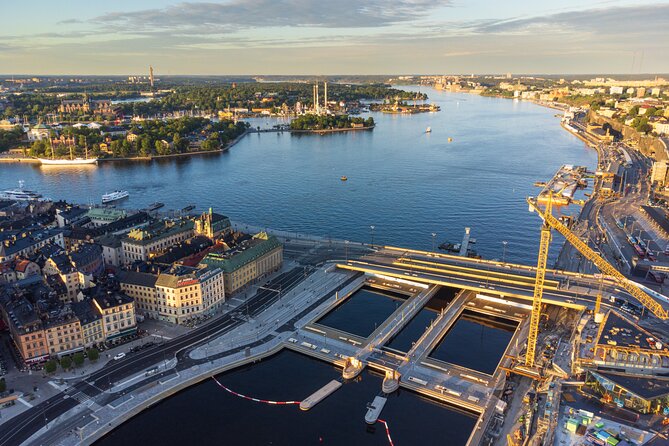
Slussen is where the walk becomes instantly recognizable. Even if you don’t know every detail, the area feels like a hub—strategically placed and historically important. The guide explains why Slussen matters, starting with the meaning of the name (the lock) and moving into how the area developed over time.
Then comes the part that makes it feel current: the guide talks through ongoing and recent redevelopment work (the project window mentioned is 2016–2025). That turns Slussen into more than a “cool viewpoint.” You start seeing the city as something that’s actively redesigned and rethought—still Stockholm, but always changing.
What you’ll get from this stop: a sense of why Stockholm is built the way it is—water routes, bridges, and chokepoints that influence daily life and long-term planning.
Possible drawback: If you’re hoping for lots of museum-style information, this won’t be that. It’s street history. You’ll learn by looking and listening, not by ticketed entry.
Järntorget: Iron Square, Banking, and a Poet in the Mix
Järntorget translates to Iron Square, and that name is your clue to what the guide brings up: the old connection to iron processing and trade. From there, you zoom out to how the square has hosted other kinds of activity over time—banking and cultural landmarks included.
This stop also includes an introduction to a particularly important poet connected to Stockholm. The value here isn’t just the fact. It’s how a guide uses the square’s atmosphere to explain why culture, commerce, and politics overlap in real cities like Stockholm.
Why this works on the walking format: you’re learning the city’s “themes” before you hit the big ceremonial sites. By the time you reach the medieval and royal areas later, the stories feel less random.
Mårten Trotzigs Gränd: 36 Steps Into a Narrow Old Stockholm Lane
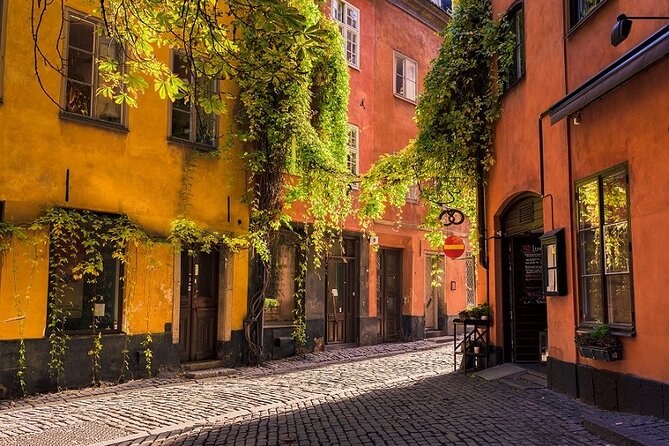
This is the stop you remember after you leave the tour—partly because it’s photogenic, and partly because it’s physically specific. Mårten Trotzigs Gränd is a narrow alley that the guide frames as a story of long survival: origins linked to a German merchant in the 16th century, later revival and preservation efforts, and eventually a well-known surviving passage in the city’s older structure.
Yes, there are 36 steps. You’ll actually climb them as part of the walk. Even if you’re doing fine, slow down on the steps and keep one steady pace. If you’ve got knee trouble, you’ll want good shoes and a careful mindset.
Good news: this is also one of the best stops for seeing how Stockholm’s old streets compress space—tight curves, steep grades, and that distinctive “you’re inside history” feeling. Guides often slow down here so you can look, not just pass through.
German Church Roots at S:ta Gertrud (Tyska kyrkan)
Next comes S:ta Gertrud’s Parish, the German-speaking parish outside Germany that has been in Stockholm since the 1500s. The guide explains a clear timeline: in 1571, King Johan III granted Germans the right to form their own congregation. By 1607, the German community received exclusive rights to establish their own place of worship, after earlier shared arrangements.
This stop matters because Stockholm didn’t grow in one neat line of “one culture.” You see how migration and trading communities shaped the city’s religious life too.
What to watch for: even if you’re not going inside, notice how the guide connects the building to the community behind it. That’s the style of this tour—facts paired with real context.
You can also read our reviews of more tours and experiences in Stockholm


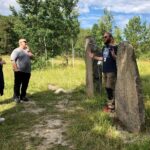

Rune Stone U 53: Viking Links in Plain Sight
At Runsten, you’ll encounter Rune Stone U 53. The guide describes it as more than an artifact—it’s a bridge between modern Stockholm and its Viking roots. The key point here is preservation: the stone has survived through careful keeping, so you can still connect today’s city to a much older world.
This stop gives you something the earlier stops didn’t: a moment where history isn’t just a story about what happened. It’s a physical object still here, still legible in its own way.
Practical tip: if you like to take photos, step close, pause, and let your eyes adjust. These small details reward slow looking.
Stortorget and the Stock Exchange Area: Old Square to Modern Icons
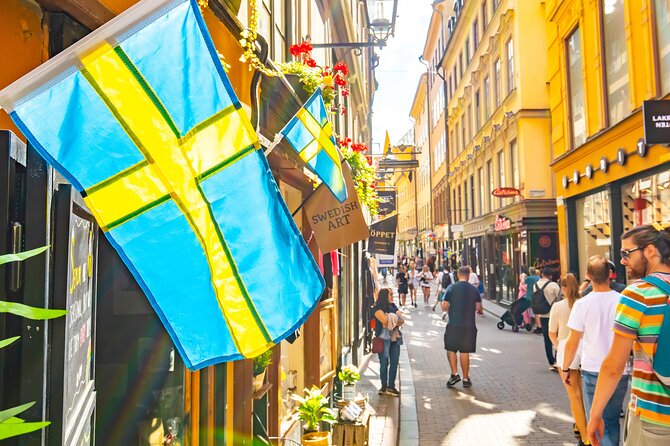
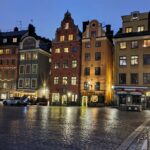
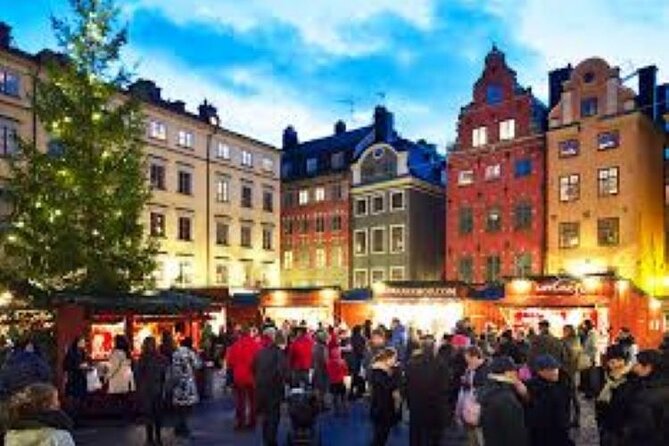
The walk moves into one of Stockholm’s biggest story zones: the area around the Nobel Prize Museum in the historic Stock Exchange Building, plus Stortorget, the city’s oldest square. This is where the tour becomes a classic Stockholm “greatest hits” mix—but still delivered as street-level explanation.
Here’s what the guide brings together:
- The Nobel Prize Museum, inaugurated in 2001 (100 years after the Nobel Prize anniversary milestone).
- Stortorget as the heart of early city growth.
- The Stockholm Bloodbath in November 1520, explained as part of why the square carries heavy history.
- Architectural highlights around the square, including the Stock Exchange Building and several notable houses.
- Cultural footnotes you won’t get from a guidebook alone, like a restaurant story connected to a cannonball at Stortorgs Källaren, and the ABBA photograph taken at Stortorgsbrunnen in 1976.
This stop is one of the most fun because it mixes centuries. Medieval violence, civic architecture, and 1970s pop culture all sit in the same walking radius. The tour helps you see why Stockholm feels layered rather than frozen.
Possible drawback: Because it’s a very story-dense area, the guide’s pacing matters. If you want quiet photo time, just say so. In smaller groups, the guide can often adjust.
Saint George and the Dragon at Storkyrkan: Medieval Symbolism, Not Just a Statue
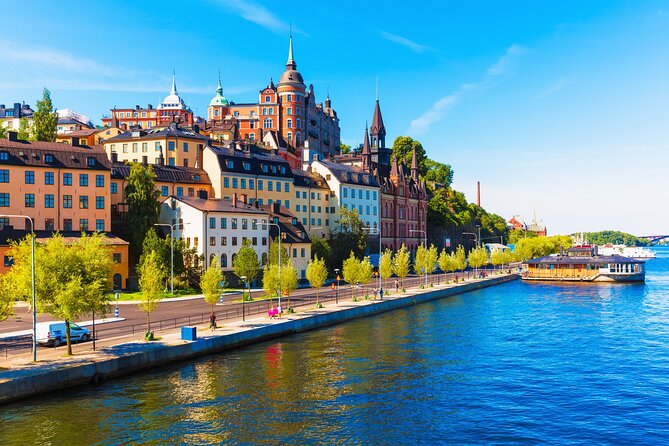
At St. George & The Dragon, you’re looking at a medieval sculpture housed in Stockholm Cathedral (Storkyrkan). The guide connects it to legend and power: the original wooden sculpture dates to 1489, and historians widely believe it was commissioned by Sten Sture the Elder to commemorate a victory connected to the 1471 Battle of Brunkeberg against Union King Christian I.
Even if medieval art isn’t your thing, the story here makes the figure understandable. It’s not random decoration. It’s a political and cultural message made into a symbol of courage and triumph.
Why I like this stop: it shows how rulers used public art to frame events. That helps you read the city with fresh eyes.
Jarnpojken: The Iron Boy and the Small Rituals That Keep Stories Alive
Then you hit Jarnpojken—the Iron Boy, a tiny sculpture with a big following. The guide explains the ritual: coins left by visitors, the habit of patting its head, and knitting tiny garments for winter. The point isn’t the superstition. It’s the tradition—ordinary people keeping a story going.
This stop is short, but it works because it changes the tone. After palaces and politics, you get something playful and human.
Photo tip: you’ll often see people trying for close angles. Wait for a clear moment and take your shot without blocking others.
Finnish Church (Finska kyrkan): A Place That Adapted to Change
At the Finnish Church, the guide offers a different kind of story: adaptation over time. The church’s journey is described as starting as a royal tennis court, later becoming a cherished place of worship.
You also learn how its significance differs from the German Church in scale, but not in meaning. The shared theme is belonging—communities gaining a place to call their own.
This stop is valuable because it reminds you Stockholm’s identity isn’t only royal or merchant-class. It’s also community life, faith, and changing uses of buildings.
The Royal Palace Exteriors: Statues You’ll Finally Know by Name
The walk reaches the Royal Palace and focuses on what you can easily spot outside and around the complex. The guide frames it historically, including the origins tied to the medieval castle complex known as Tre Kronor (Three Crowns), stretching back to the late 1200s.
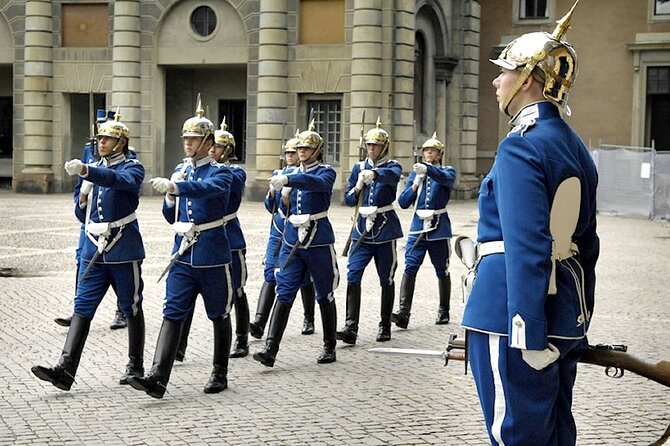
You’ll also learn what the guide considers the “signature” interior areas—like the Hall of State, Royal Chapel, and Gustav III’s Museum of Antiquities—even though this tour doesn’t include entering. Along the way, the guide points out the statues and explains why figures such as Karl XIV Johan, Gustav III, Olaus Petri (Master Olof), and Kristina Gyllenstjerna matter.
The story detail I think you’ll appreciate: the royal family moved their private residence to Drottningholm Palace in 1981. So when you see the palace today, you’re seeing a working symbol as much as a personal residence.
Good to know: since interior access isn’t part of the tour, you should view this as palace “context,” not a replacement for a full palace museum visit.
Riddarholmen to Riddarhuset: From Grey Friars to Noble Traditions
Next comes Riddarholmen, where the guide helps you read the island as a historical pivot. The Grey Friars Monastery begins the story in the 1200s. Then you get a turning point: after the devastating Tre Kronor castle fire in 1697, state agencies and courts gradually took over the island, shifting it into a hub for legal and administrative life.
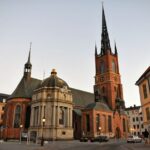
From there, you walk past key elements such as the Riddarholm Church and the Evert Taube (poet) statue, with the guide tying the arts back into governance and civic identity.
Then you continue to Riddarhuset, the House of Nobility’s Palace built between 1641 and 1674. The guide explains it as a symbol of Sweden’s noble heritage, owned and managed by the Swedish knighthood and nobility.
Why this pairing is smart: it connects “who held power” (nobility) to “how power was managed” (courts and legal institutions) in a way that feels logical rather than memorized.
Bonde Palace and the Supreme Court: Justice as Architecture
Bondeska Palace brings you to another form of authority: judicial power. The guide explains it as the home of Sweden’s Supreme Court, framing the building as a physical expression of justice, authority, and continuity.
This stop stays mostly exterior-focused, but the guide helps you understand what you’re looking at. If you like politics-as-a-system rather than politics-as-aheadline, this will land well.
Parliament Building (Riksdagshuset): How Democracy Shapes the City
The tour then reaches Riksdagshuset, the Swedish Parliament seat. You get the timeline: constructed between 1895 and 1904, originally including a building for Sveriges Riksbank in the western part. The guide explains the shift in 1971 when the bicameral system became unicameral, and how the former bank section was transformed for the Plenary.
The tour also points out details around the area, including the statue titled The Homeless Fox. It’s also noted that Greta Thunberg is a notable figure associated with the building.
Even if you’re not a policy person, this section helps you understand Sweden’s civic layout. The city doesn’t hide governance behind walls. It places it where people can see it and walk around it.
Rosenbad: The Government Seat You Can Feel in the Streets
Rosenbad is the Swedish government’s seat, and the guide describes it as a center where policies are crafted and the future of the nation is shaped. The emphasis here is symbolism and function: this isn’t just a historical building. It’s where decisions get made.
You won’t spend long here, but it helps complete the picture you started earlier at Slussen. Stockholm isn’t only scenic water and old stone. It’s also an active working machine of administration and public life.
Stockholm City Hall Finish: Where the Nobel Banquet Happens
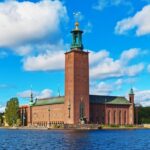
You end at Stockholm City Hall, an architectural mix the guide describes as Italian Renaissance and Nordic Gothic influences, combined with National Romantic style. The guide points out what visitors most associate with it: the Blue Hall and the Golden Hall, used for major events including the Nobel Banquet.
Even though this tour does not include entry fees or ticketed time inside, ending here is a win. It’s a landmark with instant recognition, and it’s easy to plan your next move—dinner, a canal walk, or transit onward.
If you care about photos, this is a solid finish point. The setting gives you that “I made it to the heart of the city” feeling without needing to rush.
Price and Value: What $66.52 Buys You in Real Terms
At $66.52 per person for about 3 hours, this tour sits in the mid-range for Stockholm guided walks. The value comes from three things:
First, you’re not paying for museum admission. You’re paying for a guide to connect the city’s layers—German parishes, Viking artifacts, medieval art, royal symbols, and modern governance—into one walking storyline.
Second, you’re getting practical local help. The included service note is small on paper (local advice for cafes and restaurants), but it shows up in the reviews as real recommendations for what to eat after the tour. If you’re arriving on day one, that matters as much as the facts.
Third, the small-group format tends to make the experience feel less like a race. Reviews mention the group sometimes becomes effectively private when only a few people are booked, which makes Q&A easier and the pacing more relaxed.
One note on expectations: if you want deep time inside big-ticket museums, this won’t replace those stops. It’s designed as an orientation walk that makes everything else you do afterward click.
Footwear, Stamina, and When This Walk Fits Best
This is a moderate walking experience. The route includes cobblestones, tight lanes, and the stair climb at Mårten Trotzigs Gränd (36 steps). If you’re fine with uneven pavement and can take stairs at a cautious pace, you’ll be okay.
This tour is especially good if you:
- want a fast first-day overview of Old Town plus the government core
- like history told through streets, buildings, and symbols
- enjoy a guide who takes questions as you walk
It may be less ideal if you:
- can’t handle stairs or steep steps
- only want indoor museum time (since attractions aren’t entered and entry fees aren’t included)
Should You Book This Stockholm Walking Tour?
Yes, if you want a strong first introduction to Stockholm that doesn’t require museum tickets or planning. The route links neighborhoods in a way that helps you build a mental map: Slussen into Gamla Stan, churches and alleys, then royal and civic Stockholm all the way to City Hall.
Book it early in your trip. You’ll have an easier time choosing what to see later because you’ll understand what each area represents. If you’re the type who stops to read plaques and study details, you’ll get a lot out of the street-level explanations and the way the guide ties in both past events and modern references.
If you tell me what month you’re going and what you care about most (royal stuff, politics, medieval art, architecture, or photo spots), I can suggest a smart order for your remaining days in Stockholm.
FAQ
Where do I meet for the tour?
You meet at Götgatan 1, 116 46 Stockholm, Sweden. The start point on the ground is the east entrance of Stockholm City Museum (Stockholms Stadsmuseum).
How long is the Classic Stockholm Small Group Walking Tour?
It runs for about 3 hours.
What language is the tour offered in?
The tour is offered in English.
Are museum or attraction entry fees included?
No. Attractions are not being entered, and tour prices do not include entry fees for museums or other special sites.
Is the tour physically demanding?
It’s listed as requiring a moderate fitness level. The route includes walking on uneven cobblestones and a climb of 36 steps at Mårten Trotzigs Gränd.
Can I get a refund if I cancel?
Yes. There is free cancellation if you cancel up to 24 hours in advance for a full refund. If you cancel less than 24 hours before the experience starts, the amount paid is not refunded.