REVIEW · STOCKHOLM
Stockholm: Nordiska Museet Entry Ticket
Book on GetYourGuide →Operated by Nordiska museet · Bookable on GetYourGuide
Nordiska Museet is a time machine you can walk through. You get the iconic museum building in Royal Djurgården and a big, story-driven centerpiece called Nordic Life. I especially like how it stretches from the 16th century to today, so you don’t just read history, you see everyday life across time.
I like the museum’s practical storytelling too: real objects, clear themes, and exhibits such as The Arctic and Table Settings that make Nordic culture feel specific, not generic. One thing to plan for: this is a lot of content in one day, so if you’re short on time, you’ll want to pick your must-sees and not try to do everything at once.
Before you go, know the basics. This museum is cash-free, and it requires you to bring your own headphones for the audioguide, plus there are limits on food and large bags.
In This Review
- Key highlights you will actually care about
- Nordiska Museet in Royal Djurgården: building first, then meaning
- The timeline feel: Sweden and the Nordics from the 16th century to today
- Nordic Life: the exhibition that connects people, nature, and climate
- The Arctic exhibit and Table Settings: culture through environment and everyday ritual
- Ever so Nordic, the 1940s Flat, and Dollhouses for the small-life lovers
- Audio guide and the Nordic Life phone guide: how to read without getting stuck
- What to bring and what to plan around before you enter
- Museum restaurant and shop: fika breaks and practical Nordic souvenirs
- Timing for a one-day visit: how to choose what you do first
- Price and value: is $19 a good deal?
- Who this works best for (and who might want a different plan)
- Should you book this Nordiska Museet ticket?
- FAQ
- What does the Nordiska Museet entry ticket include?
- How long is the visit for?
- Where do I check in with my ticket?
- Is there an audio guide?
- Can I read exhibition texts on my phone?
- Can I bring food or drinks into the museum?
- Are large bags or luggage permitted?
- Can I pay with cash?
- Is the museum wheelchair accessible?
Key highlights you will actually care about
- The Nordic Life exhibition: the museum’s largest show, focused on how people, nature, and climate shape Nordic life
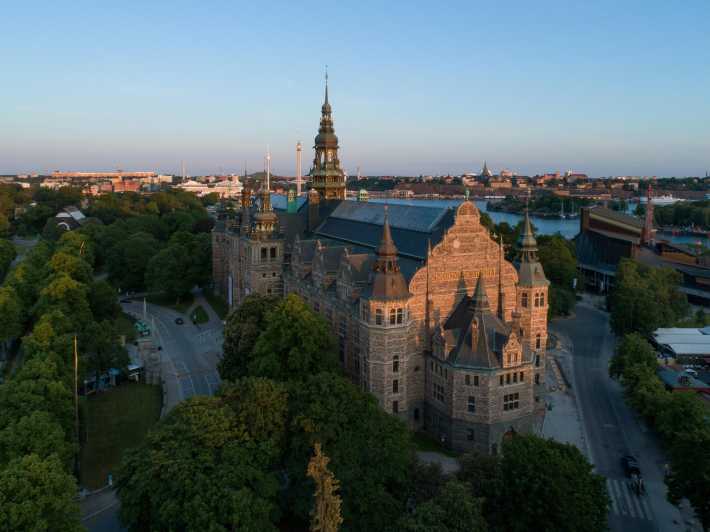
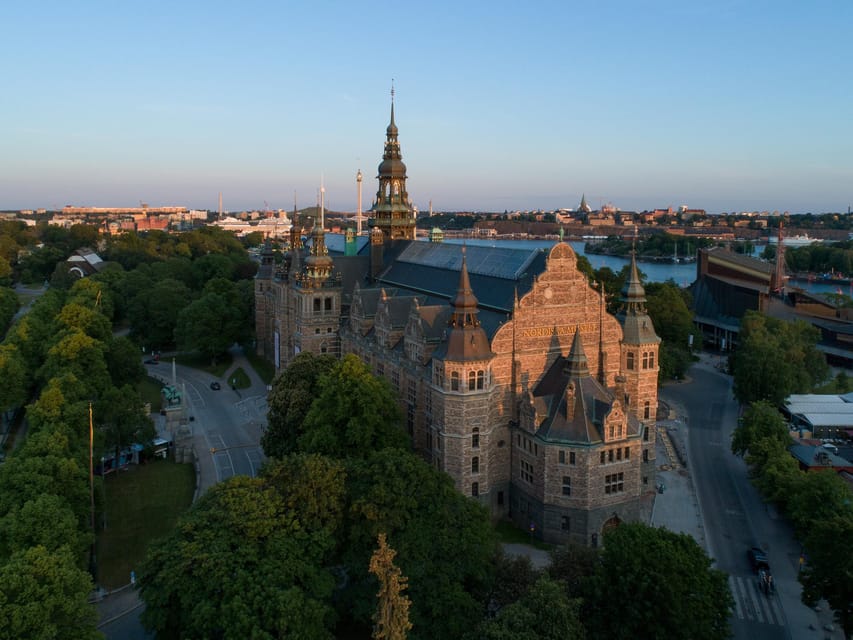
- The iconic building in Royal Djurgården: a fun Stockholm landmark before you even step inside
- The Arctic exhibit: a strong section for anyone curious about the region and change over time
- Table Settings: feasts from five centuries, with a British connection in the exhibit theme
- Small spaces with big detail: The 1940s Flat and Dollhouses bring everyday life into focus
- Self-guided options: audioguide in Swedish and English and a phone guide for Nordic Life
Nordiska Museet in Royal Djurgården: building first, then meaning
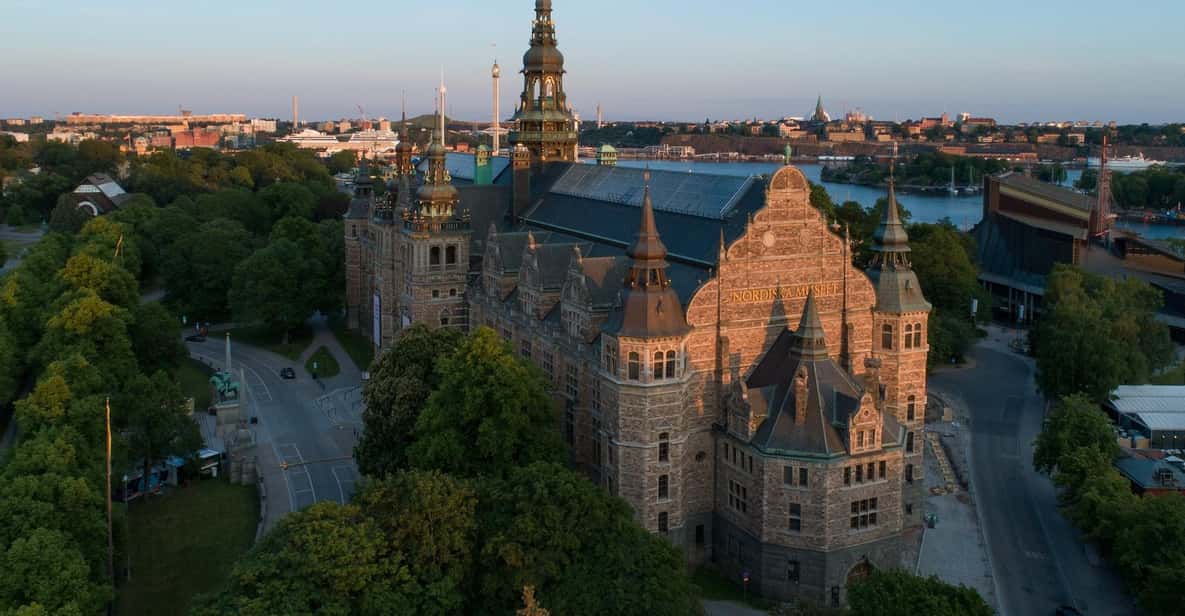
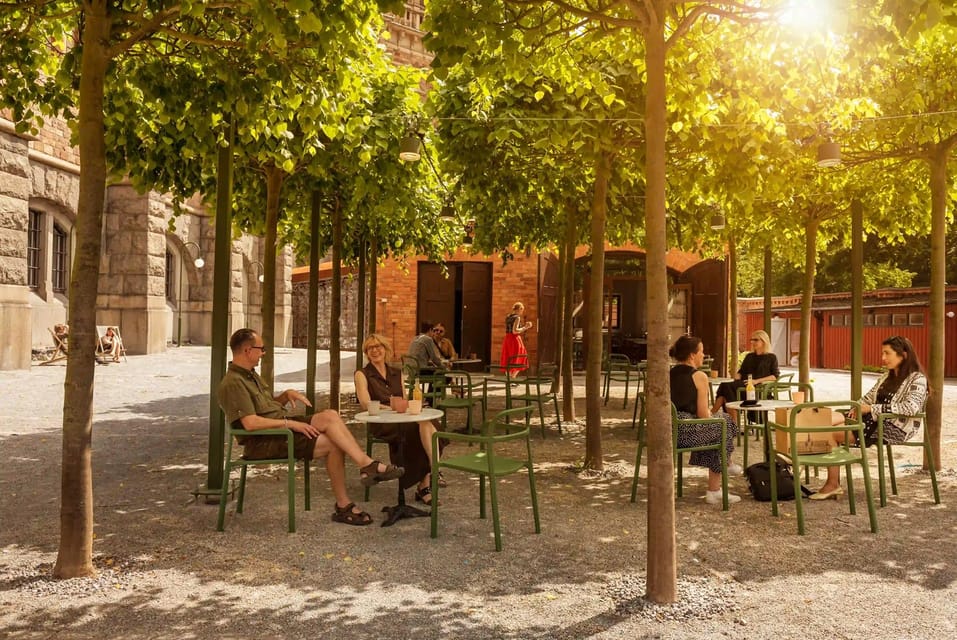
Start with the setting. Nordiska Museet sits in Royal Djurgården, the kind of place where you get that calm Stockholm mood before you hit museum mode. Even if you’re not a museum superfan, it helps to begin here because the building and grounds set you up to slow down.
Once inside, the museum’s focus becomes clear: this place isn’t trying to be a random collection of artifacts. It’s organized to explain how people lived—what they believed, how homes worked, and how the Nordic environment influenced daily life.
You can also read our reviews of more tours and experiences in Stockholm



The timeline feel: Sweden and the Nordics from the 16th century to today
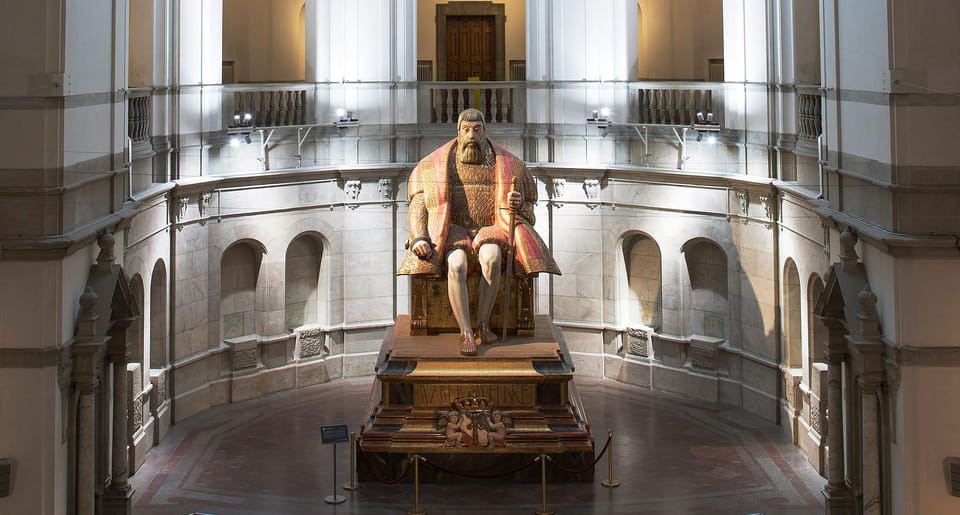
This entry ticket gets you into a museum that covers an unusually long span. The big promise is learning about Swedish and Nordic life from the 16th century through the present day, with exhibits that move through time without losing the human scale.
I like the way the museum frames history as daily choices, not just kings and dates. That approach can help if you’re traveling with mixed interests—someone who loves artifacts gets objects, and someone who likes ideas gets clear themes.
A realistic caution: one day is enough to see the highlights, but not enough to absorb every corner. If you’re the type who reads every label, plan for a slower pace or you may feel rushed.
Nordic Life: the exhibition that connects people, nature, and climate
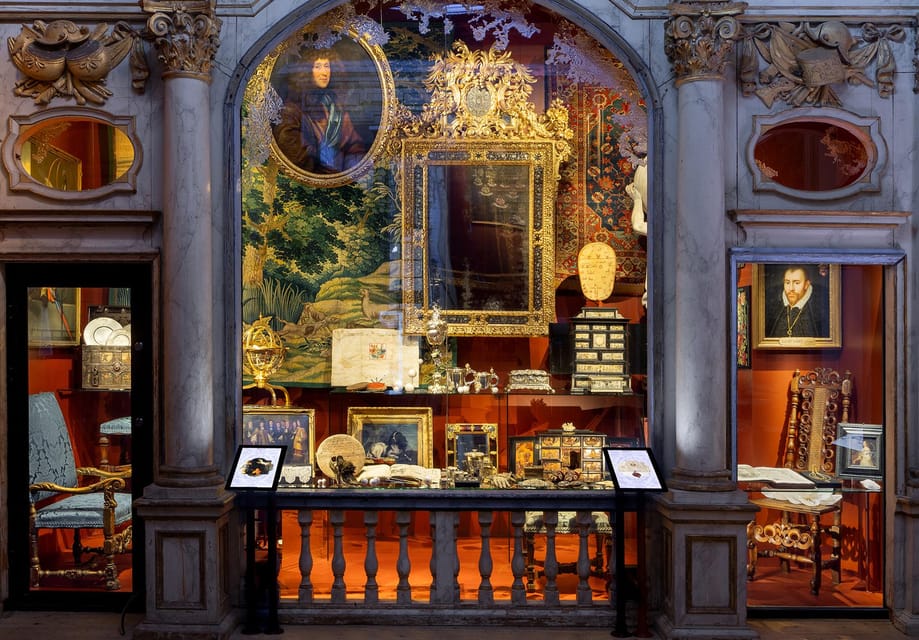
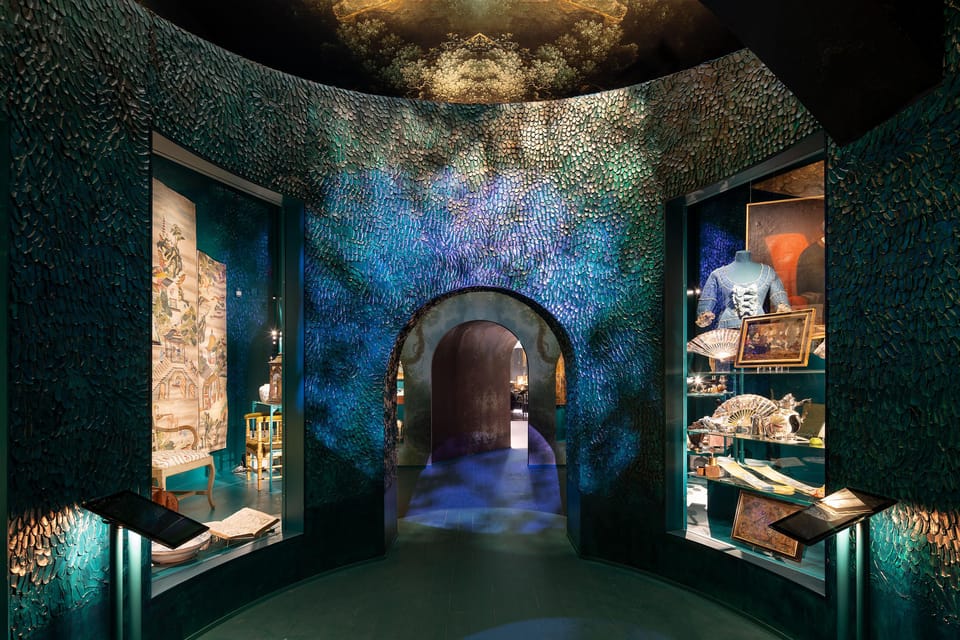
Your main stop is the Nordic Life exhibition, described as the largest exhibition in the museum. This is where the museum’s big idea comes together: life across the Nordic region is shaped and reshaped through interactions between people, nature, and climate.
You also get guidance on the kinds of questions the exhibit wants you to ask. What does nature mean to people? What do families and homes look like? What do Nordic people believe in? Those prompts make the stories easier to follow, even if you only have a partial day.
You’ll see how the theme plays out across different parts of the region. Some exhibits are more emotional or visual; others are more about material life. Either way, it’s a strong way to understand Nordic culture as something lived, not just documented.
The Arctic exhibit and Table Settings: culture through environment and everyday ritual
Two of the most “specific-feeling” stops are The Arctic and Table Settings. The Arctic section has a clear message tied to change—while the ice is melting, the exhibit looks at what that means for the region.
What I like here is that it doesn’t treat the Arctic as a far-away concept. It’s presented as part of Nordic life and Nordic understanding, which is exactly how you’ll get more out of the whole museum.
Then there’s Table Settings, which focuses on feasts from five centuries. The exhibit includes a British angle in its theme, which is a neat reminder that cultures trade influence and ideas over time, even when they feel far apart.
If you’re trying to decide what matters most, pick one “thinking” exhibit and one “sensory” exhibit. The Arctic is strong for big-picture context, and Table Settings tends to hit a more human rhythm because food and hosting are universal.
Ever so Nordic, the 1940s Flat, and Dollhouses for the small-life lovers
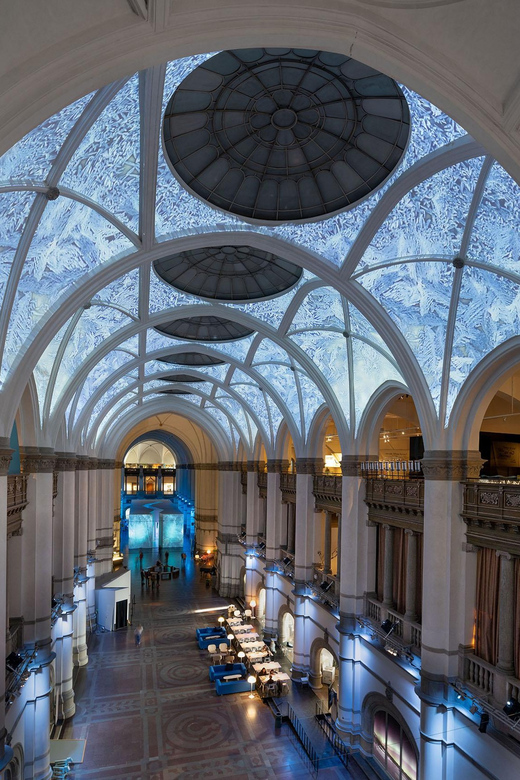
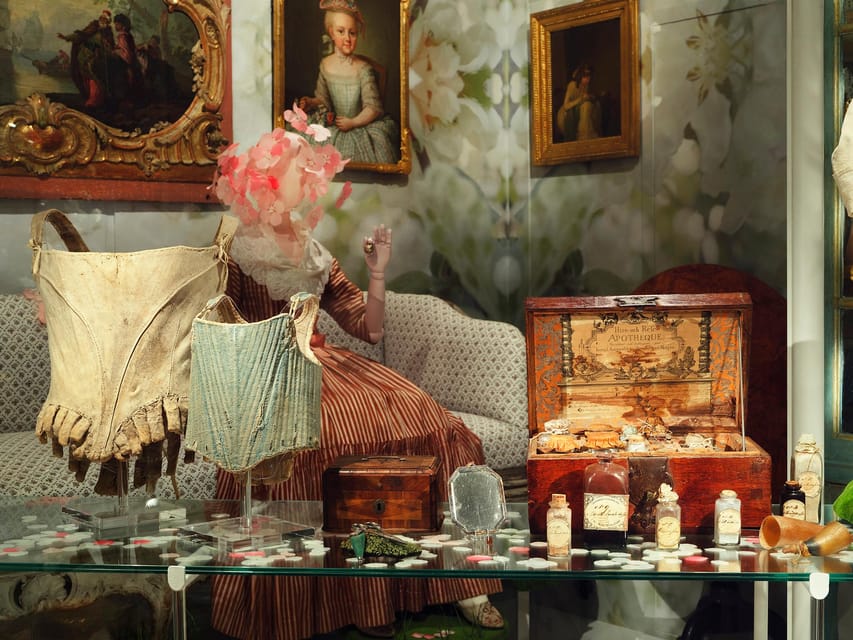
After Nordic Life, these smaller exhibits are where the museum can feel very personal. You get Ever so Nordic, focused on Nordic fashion and lifestyle with British patterns included in the storyline. It’s the kind of exhibit that helps you connect style to identity instead of treating clothing as just visuals.
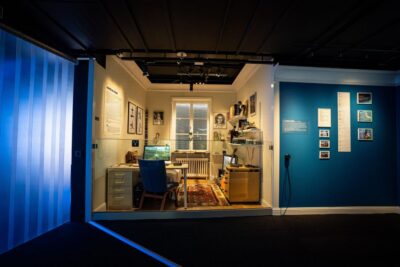
Next, don’t miss The 1940s Flat. This is a full home from 1947, and it helps you understand daily life through layout and objects rather than only through explanations. If you like the feel of stepping into a lived-in space, this section delivers.
Finally, Dollhouses offers eight homes in miniature. Miniatures sound like a gimmick until you realize they’re a way to show how families organized space and meaning in small, readable scenes. It’s also a good option if you need something lighter after the heavier themes.
Together, these exhibits balance the museum. You get ideas at the big exhibition level, then you zoom in for details.




Audio guide and the Nordic Life phone guide: how to read without getting stuck
Nordiska Museet offers an audio guide in Swedish and English in selected exhibitions. The key practical point: you need to bring your own headphones. If you forget, you’ll lose a major part of the experience.
For Nordic Life, there’s another option that’s genuinely handy on a busy day. You can read all the exhibition texts and screens directly on your phone using guide.nordiskamuseet.se. That means you can keep moving when you want, then slow down when something grabs you.
I like having both choices because it helps you match your pace. Some visitors want the spoken stories; others prefer reading at their own speed. With this setup, you’re not locked into one approach.
What to bring and what to plan around before you enter
This is where smart planning saves your day. The museum is cash-free, so plan on using a credit or debit card for anything you buy in the shop or for food and drinks in the restaurant.
There are also clear limits on what you can bring inside. Food and drinks aren’t allowed, and you can’t bring luggage or large bags, including oversize luggage. If you’re traveling with a big suitcase, you’ll want to keep your museum kit small and manageable.
Because the ticket is valid for 1 day, it’s worth treating this like a focused museum day, not a quick stop. Even if you only aim for the main exhibition plus two or three extras, you’ll enjoy it more when you’re not sprinting.
Also note the meeting point is simple: show your ticket to the entrance staff at the front desk.
Museum restaurant and shop: fika breaks and practical Nordic souvenirs
When your brain needs a breather, the on-site restaurant can handle the moment. Lunch courses run every day, and you can also enjoy Swedish fika along with drinks.
I like that this gives you options without leaving the museum area. When you’re in a self-guided setting, being able to pause and reset without planning extra transit keeps your energy for the next exhibit.
The museum shop is another good reason to plan time. You can find everyday goods and crafts from across the Nordic countries. It’s the type of store that feels more connected to the museum than a generic tourist kiosk, especially if you like buying something useful instead of just a postcard.
Timing for a one-day visit: how to choose what you do first
You’ll get the most satisfaction if you build your order around the museum’s structure. Start with Nordic Life, since it’s described as the museum’s largest exhibition and the main thread for the rest of the experience.
After that, pick one “environment” exhibit (The Arctic) and one “everyday ritual” exhibit (Table Settings). Then choose between the “home and identity” set: The 1940s Flat, Dollhouses, and Ever so Nordic.
If you do it in that flow, the museum feels coherent. You learn the broad themes first, then you see them applied to objects, clothing, food, and home life.
For pace, treat your day like two rounds: first round to orient yourself in Nordic Life and The Arctic/Table Settings, second round to slow down for the 1940s Flat and Dollhouses. Even without reading every label, this pattern helps you keep the stories in your head.
Price and value: is $19 a good deal?
At about $19 per person, this ticket is priced like a straightforward museum entry—not a packaged tour with added extras. That matters because what you get is access to the exhibitions, including the museum’s biggest centerpiece, Nordic Life.
You’re not paying for a guide, but you are paying for a strong self-guided set-up. Nordic Life supports an audioguide option (with your headphones) and provides text and screen content on your phone. In practice, that means you can still get context and storytelling without paying extra for a staff-led tour.
Value gets even better if you care about at least a few exhibit areas listed here. Nordic Life plus The Arctic plus Table Settings plus one or two additional sections can easily fill your full day in a satisfying way, especially in a museum that aims to connect culture, objects, and environment.
If you only want one small slice of Nordic culture, you might find it harder to justify the time and cost. But if you’re the kind of traveler who likes to learn through real objects and clear themes, it tends to feel like a fair trade.
Who this works best for (and who might want a different plan)
This ticket is ideal for travelers who like cultural history that’s tied to everyday life. If you enjoy seeing how people lived—homes, food, fashion, beliefs—you’ll likely feel at home here.
It’s also a good fit for independent travelers because the experience is self-guided. With audioguide support and a phone option for Nordic Life, you can choose how fast you move.
If you don’t like museums with lots of reading or lots of themed areas, you might find the scale a bit demanding. In that case, commit to a short list: Nordic Life plus one or two other exhibits is a smart strategy.
Should you book this Nordiska Museet ticket?
Book it if you want one Stockholm museum day that connects stories across time without losing the human details. The biggest reason to go is Nordic Life—then The Arctic, Table Settings, and the home-focused exhibits keep it grounded.
Skip it only if you’re truly museum-averse or you want something entertainment-first and low-effort. This museum rewards steady attention, and bringing your own headphones helps you get the most out of the audio content.
FAQ
What does the Nordiska Museet entry ticket include?
The ticket includes entry to Nordiska Museet.
How long is the visit for?
The ticket is valid for 1 day.
Where do I check in with my ticket?
Show your ticket to the entrance staff at the front desk.
Is there an audio guide?
Yes. An audioguide is available in Swedish and English in selected exhibitions. You need to bring your own headphones.
Can I read exhibition texts on my phone?
Yes. For the Nordic Life exhibition, you can read the texts and screens on your phone using guide.nordiskamuseet.se.
Can I bring food or drinks into the museum?
No. Food and drinks are not allowed.
Are large bags or luggage permitted?
No. Luggage or large bags, including oversize luggage, are not allowed.
Can I pay with cash?
No. The museum is cash-free, and you can pay by credit or debit card in the shop and restaurant.
Is the museum wheelchair accessible?
Yes. Nordiska Museet is wheelchair accessible.